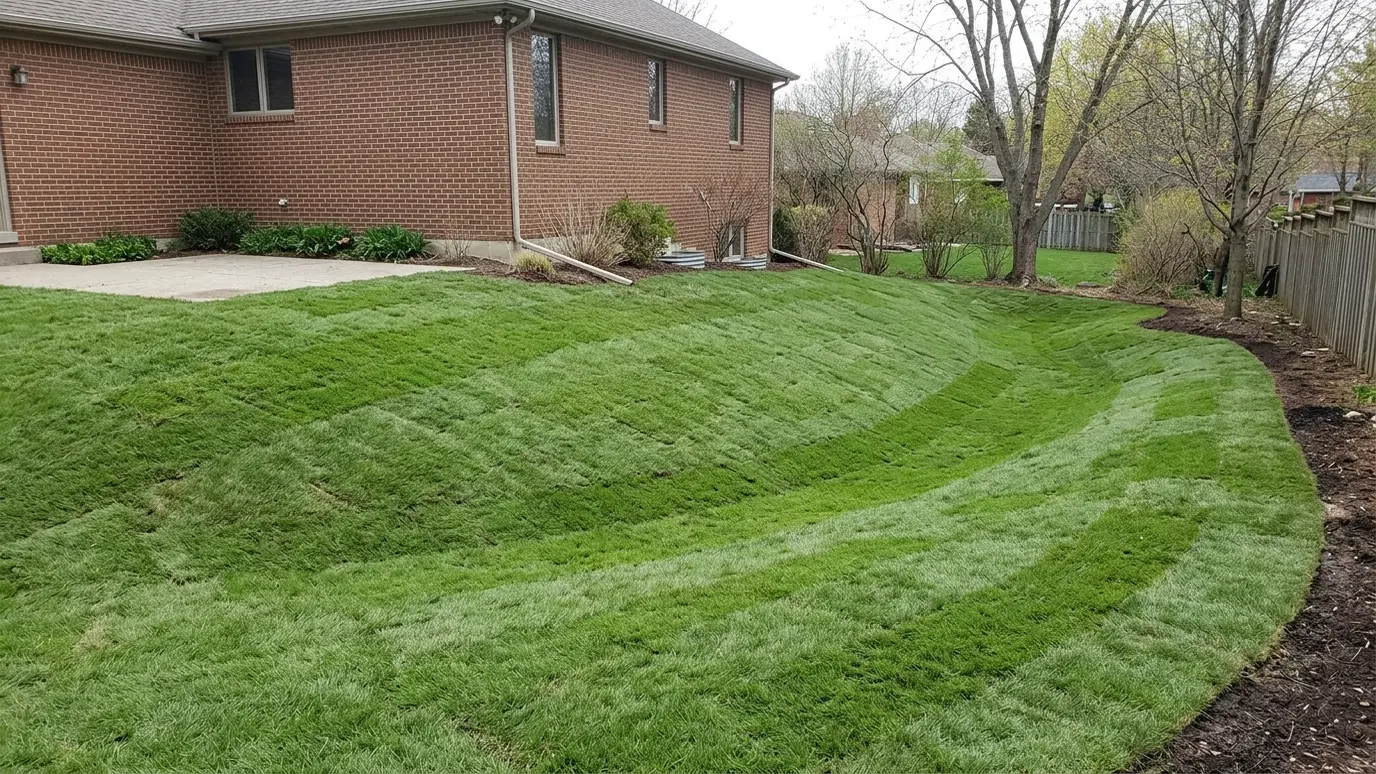
Soil that slopes toward the house is the root of many foundation problems. We regrade, add swales and move water where it belongs.
Often the most economical way to protect a foundation is to change where the water runs. Soil that slopes toward the house sends rain to the wall. Over years, soil settles and mulch builds up beside the foundation and the slope slowly reverses. A yard that looks flat can hold water against a wall for days.
We walk the property after studying the roof lines and the lay of the land. We set a target slope, usually a gradual fall away from the house for the first several feet, and we plan how to get there. That can mean adding compacted fill, shaping swales to carry water around the house, installing catch basins and pipes for low spots and connecting downspouts to solid pipe. We finish with sod, seed or mulch so the yard looks as good as it works.
A steady fall for the first several feet keeps rain off the wall. We check it with a level and a string line.
Shallow channels and low ridges steer surface water around the house to a safe place.
Low spots with no natural outlet get a catch basin and buried pipe that carries water away.
Grading finishes with sod, seed or mulch, and we keep mulch from building up against siding and foundation.
Drag the handle to compare.
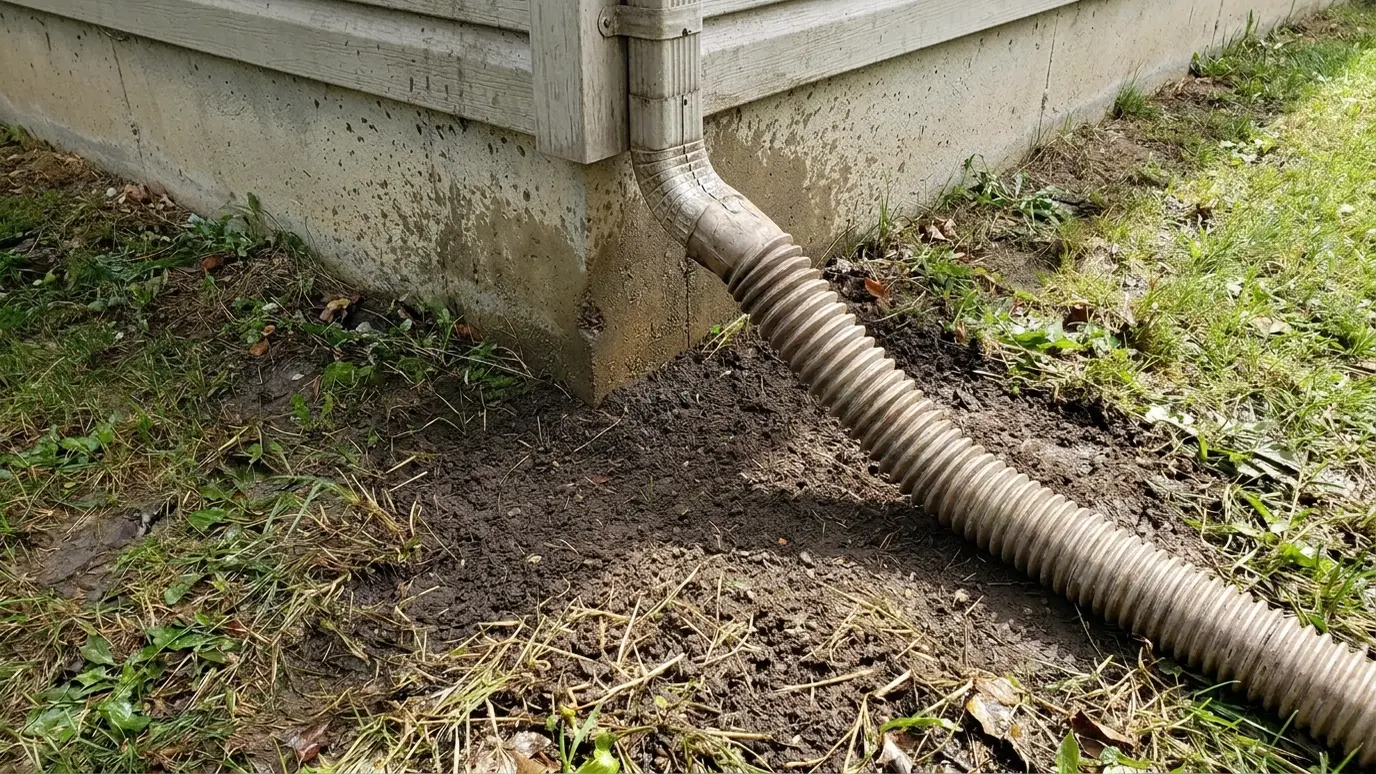
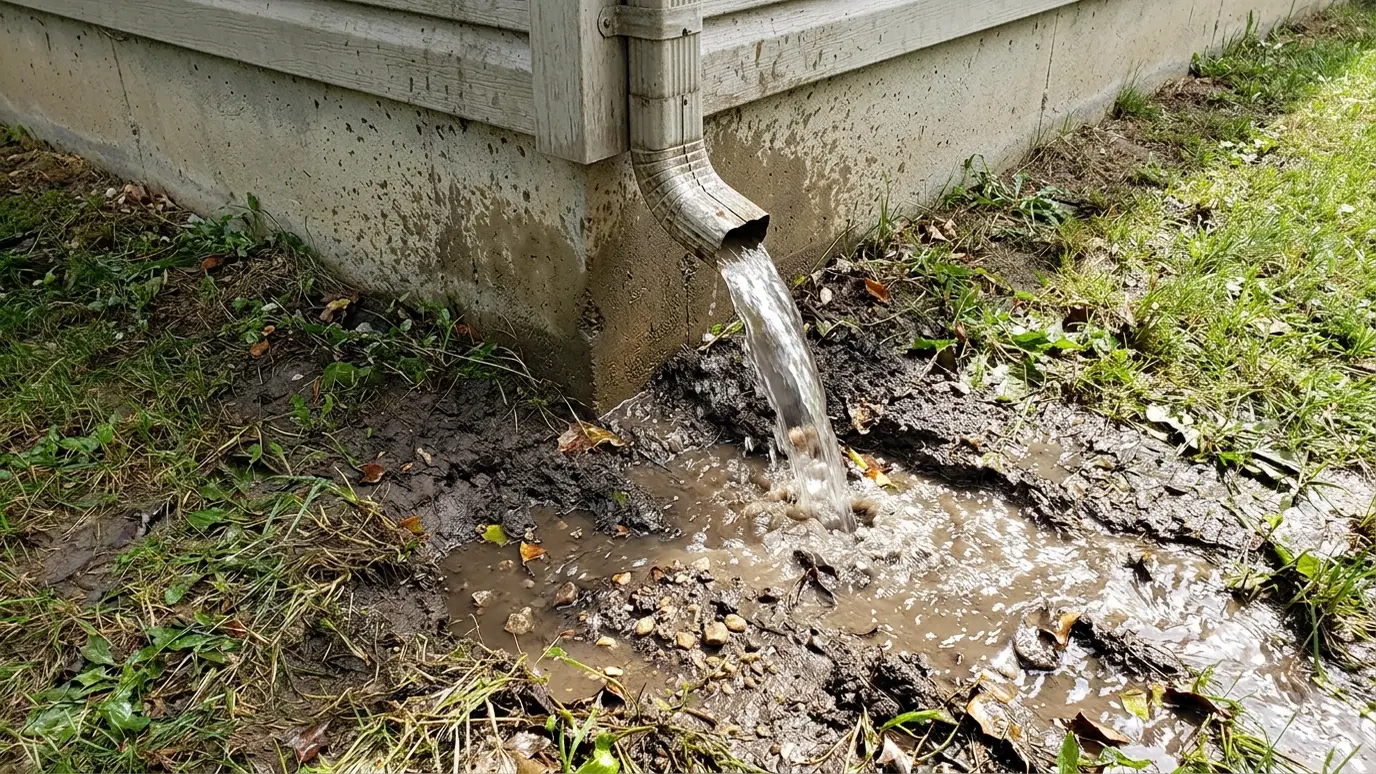 BeforeAfter
Away from the wall.
Swales and basins.
No standing water.
Out of sight.
Looks good.
The first line of defense.
Every topic has its own page with what to expect and how we approach it.
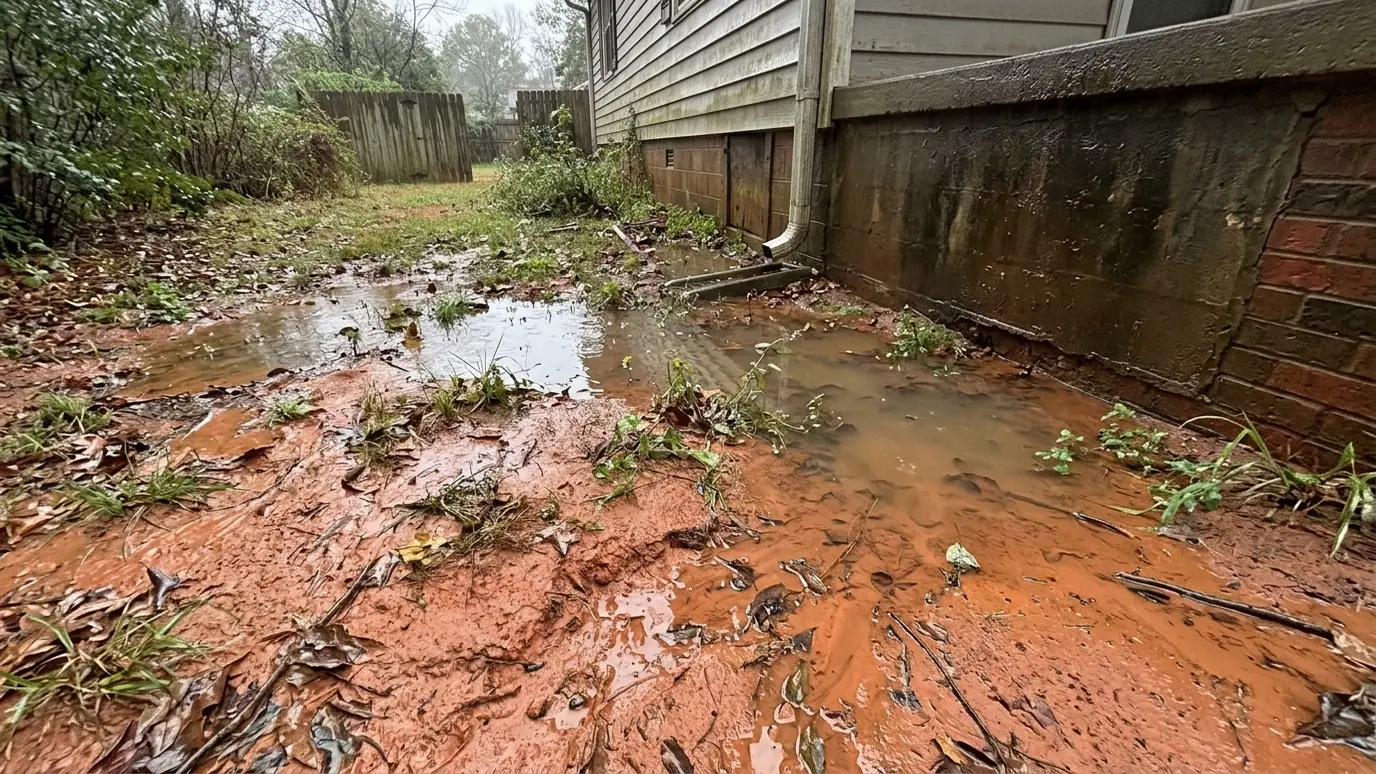 Project situationClay Soil and Wet YardsMiddle Tennessee clay swells when wet and shrinks when dry. That movement is behind many cracks, leaks and…Learn more
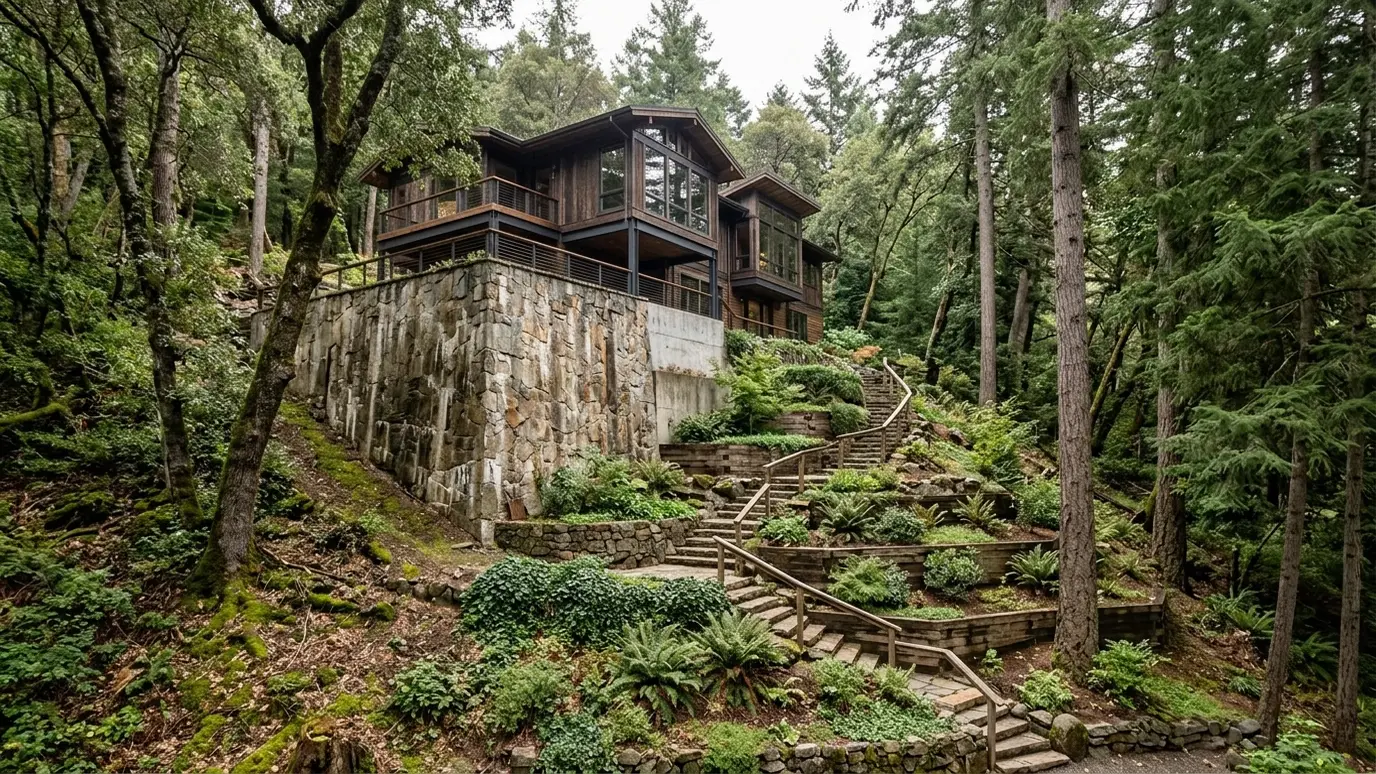 Project situationHillside and Sloped LotsHouses on slopes face soil creep, water runoff and tall walls. Here is how we support them and…Learn more
 Project situationBuying or Selling a HomeA foundation can be a hidden cost for a buyer and a sticking point for a seller. A…Learn more
Enter a measured drop over a distance to see whether the soil slopes away from your house and how much fill it would take.
You tell us what you have noticed, a crack, a damp smell, a sloping floor or standing water, and we set a visit that fits your day.
We look closely inside and out, measure floors and cracks, check moisture and drainage and take photos of anything of note.
We explain what is urgent, what can wait and what is optional, and give you a written scope and options.
We lay floor protection, mark utilities, protect landscaping and set up before any digging or drilling begins.
We install, seal, lift or repair with the right tools and materials, checking our work as we go.
We clean up, restore the surface, show you what we did, share care tips and set a reminder for your next check.
A common goal is a gradual fall away from the house for the first several feet. Our slope tool shows how to measure it.
Sometimes, when surface water is the cause. Many homes also need gutters, drains or sealing.
It holds water and hides slope. Keep it thin and away from the foundation.
Only where water collects with nowhere to go. They give it an outlet.
Yes. We seed or sod after grading.
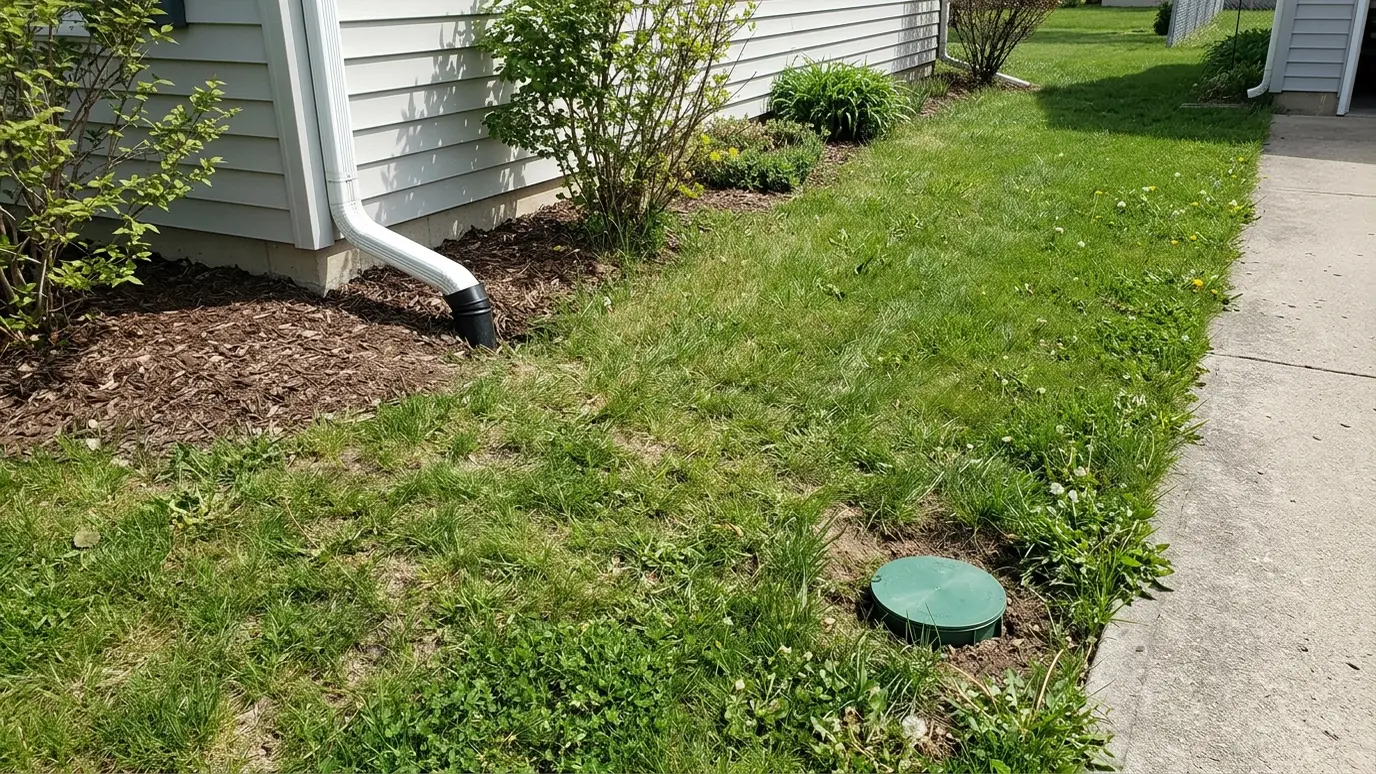 Gutter and Downspout DrainageRoof water is the biggest source of water at your foundation. Clear gutters and downspouts that discharge far…Explore
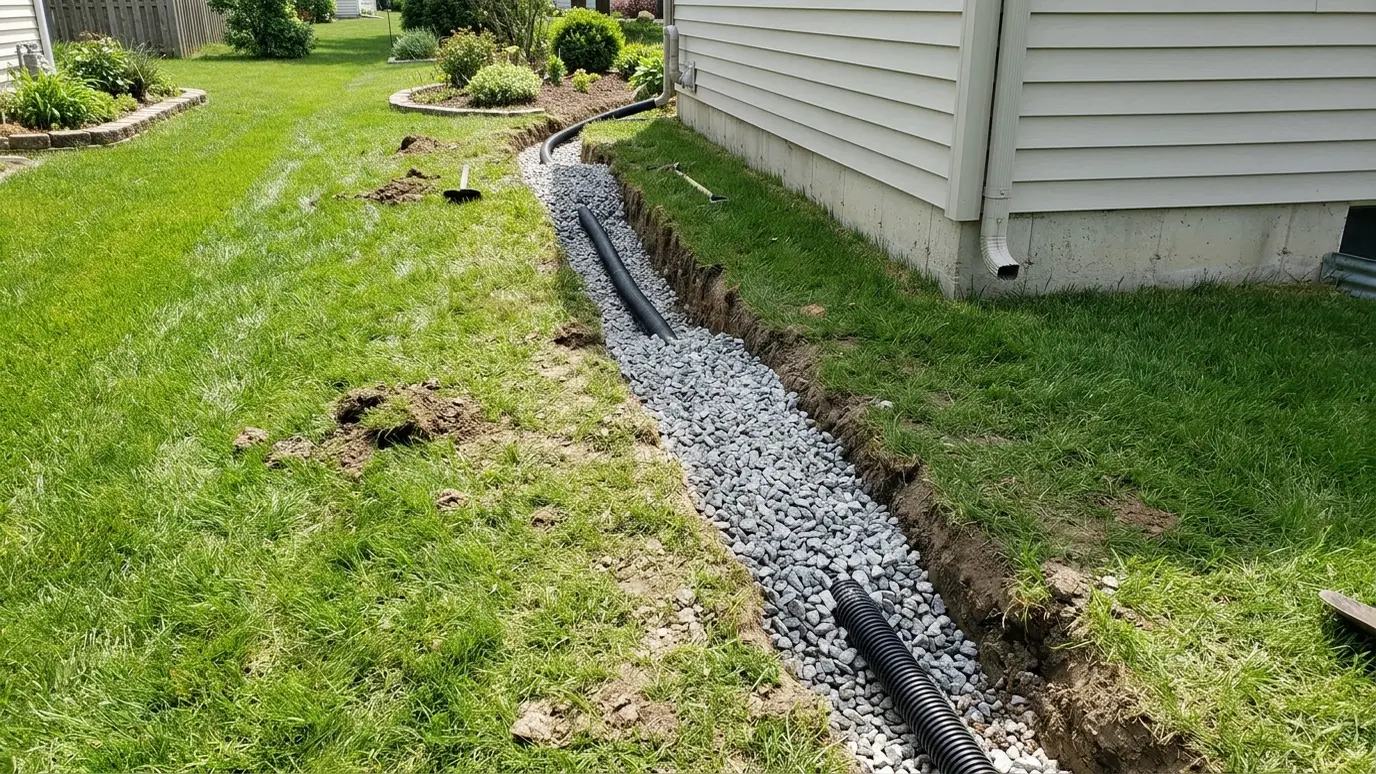 French DrainsA buried perforated pipe in a gravel trench collects ground water and carries it away from the house…Explore
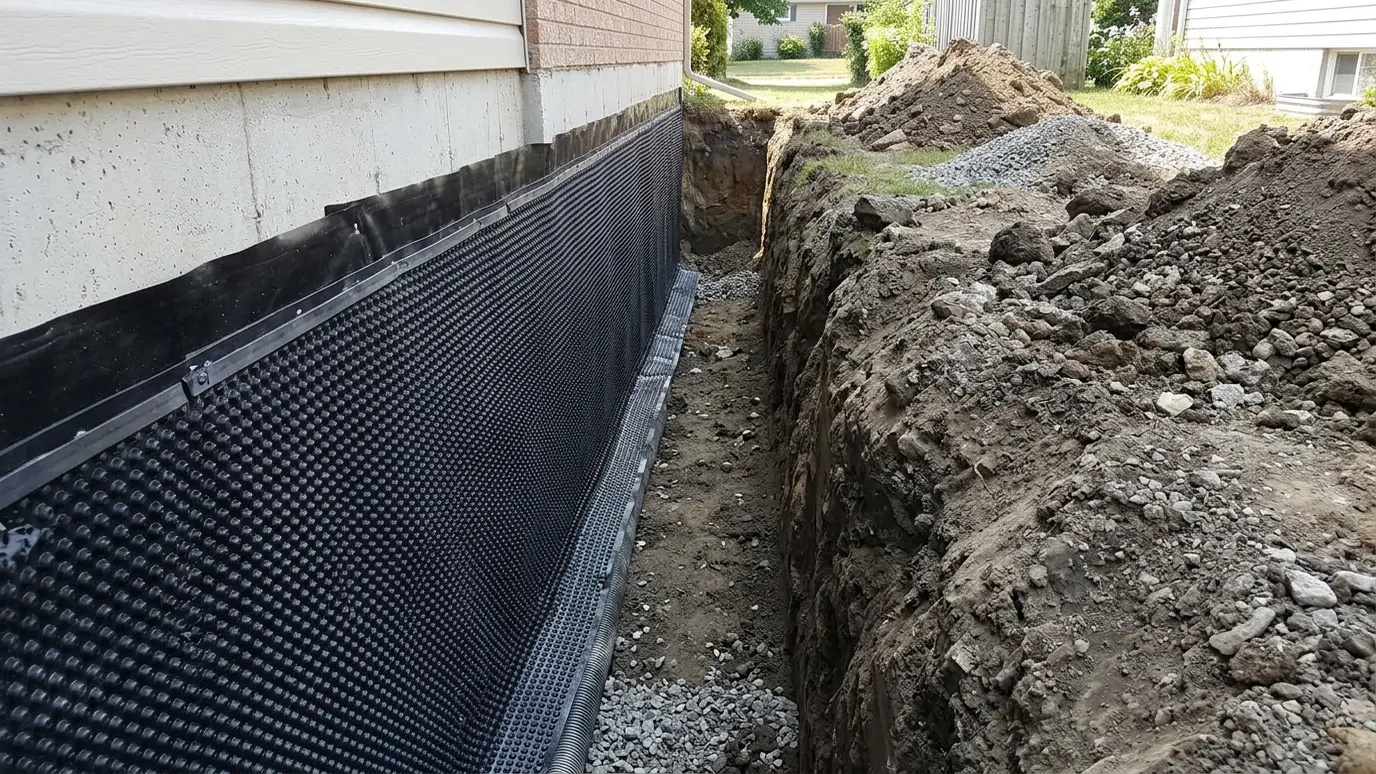 Exterior WaterproofingStopping water before it reaches the wall: excavation, membrane, drain tile and grading that protect the foundation from…Explore
 Basement WaterproofingA dry basement comes from a complete plan: manage the water outside, give it a path inside and…Explore
Tell us about the project and we will call you back to talk it through.
Or call (615) 357-7797 to talk now.