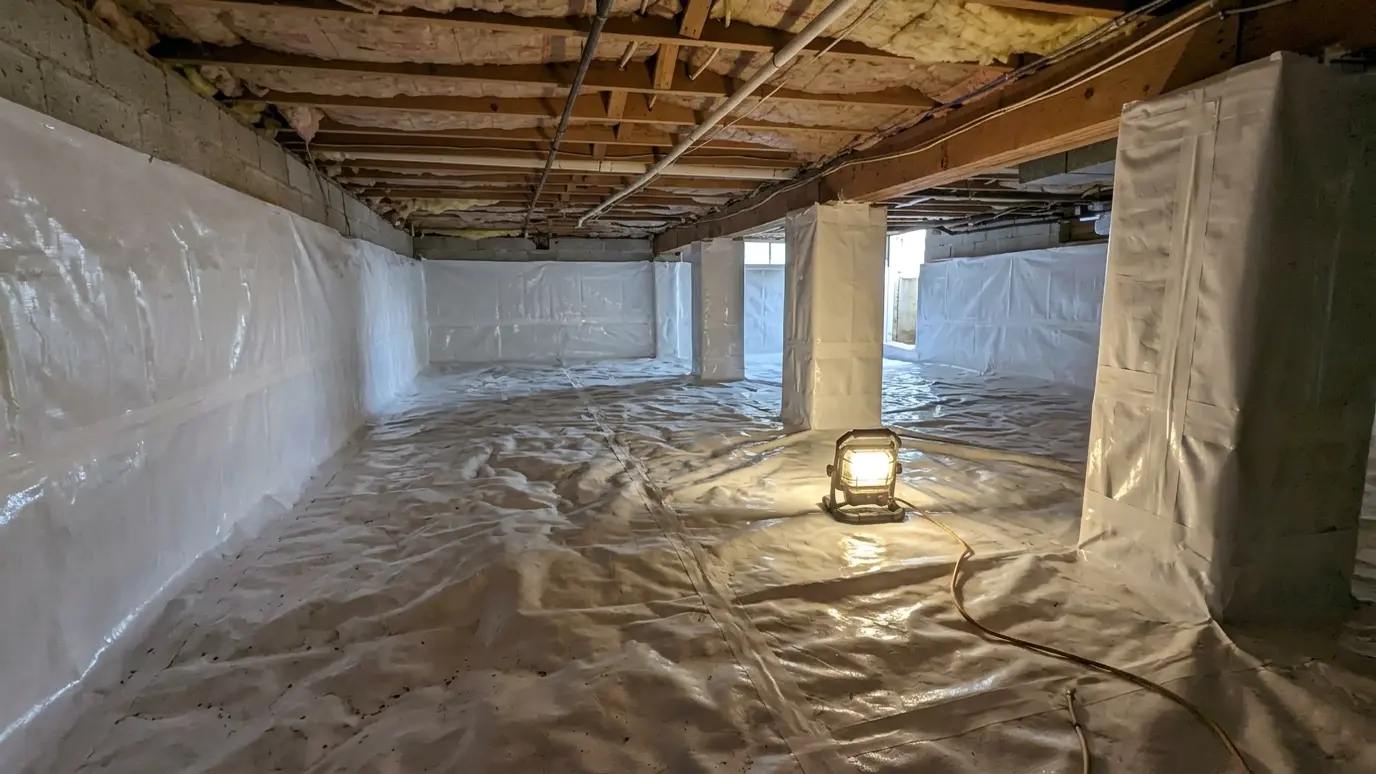
A sealed, conditioned crawl space with a heavy liner on the floor and walls keeps moisture out of your home and your wood dry.
Encapsulation turns a vented, damp crawl space into a sealed, dry one. A thick reinforced liner covers the floor and runs up the walls, seams are overlapped and taped, vents are closed, and a dehumidifier holds the air at a steady humidity. The goal is simple: stop the damp ground and humid outside air from reaching the wood and the air in your house.
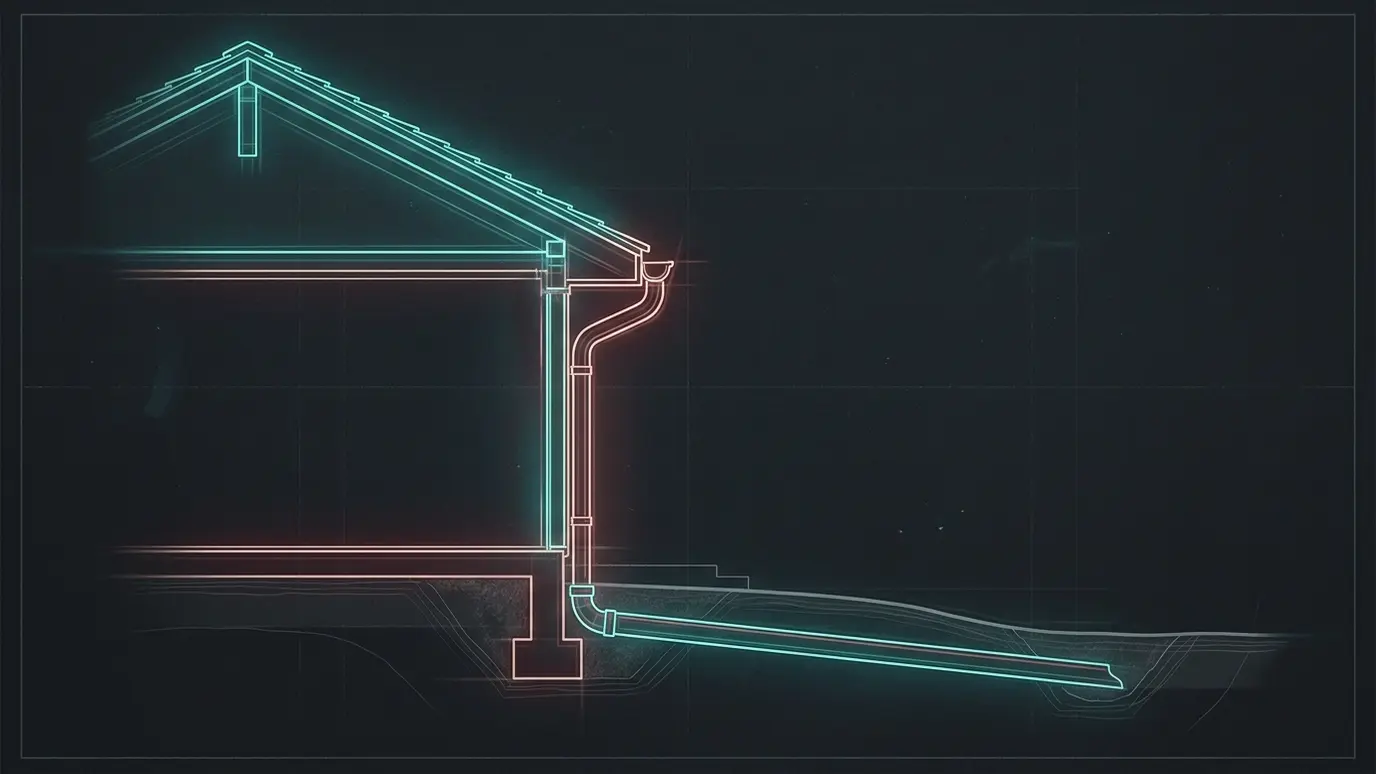
In the humid South, the old idea of venting a crawl space often lets moist summer air in, where it condenses on cool surfaces and feeds mold and rot. A sealed system avoids that. We start with the water, because a liner is not a drain: gutters, grading and, if needed, a drain and sump come first. Then we clean the space, level the floor, install the liner, seal the piers, posts and penetrations, insulate the walls where it makes sense and add the dehumidifier.
A heavy, reinforced liner covers the ground and climbs the walls, with seams overlapped and sealed for a continuous barrier.
Closing foundation vents stops humid air from moving through, and the space becomes part of the conditioned envelope.
A crawl-space dehumidifier holds humidity in a safe range, drains by gravity or pump and adds a final layer of control.
If water enters the space, we add drainage and a sump before the liner so the sealed system stays dry.
Drag the handle to compare.
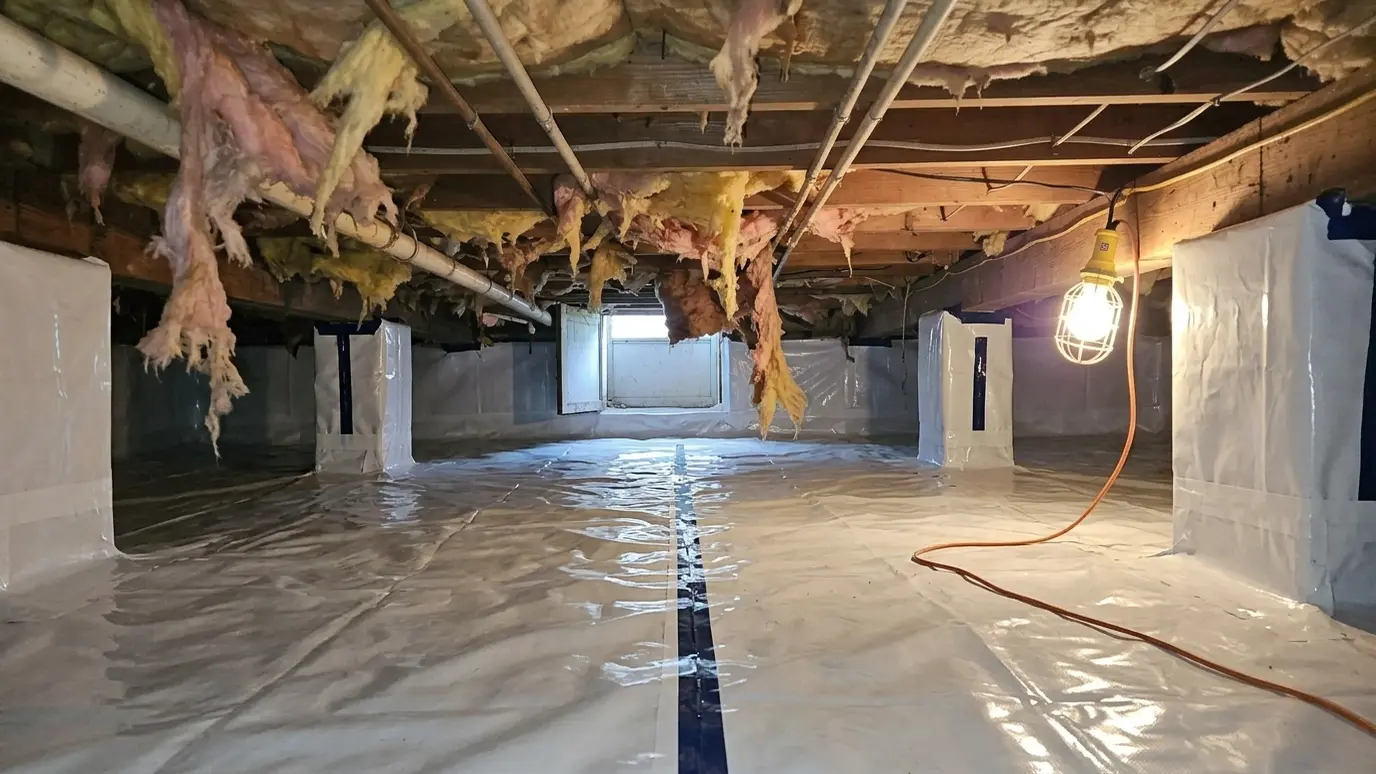
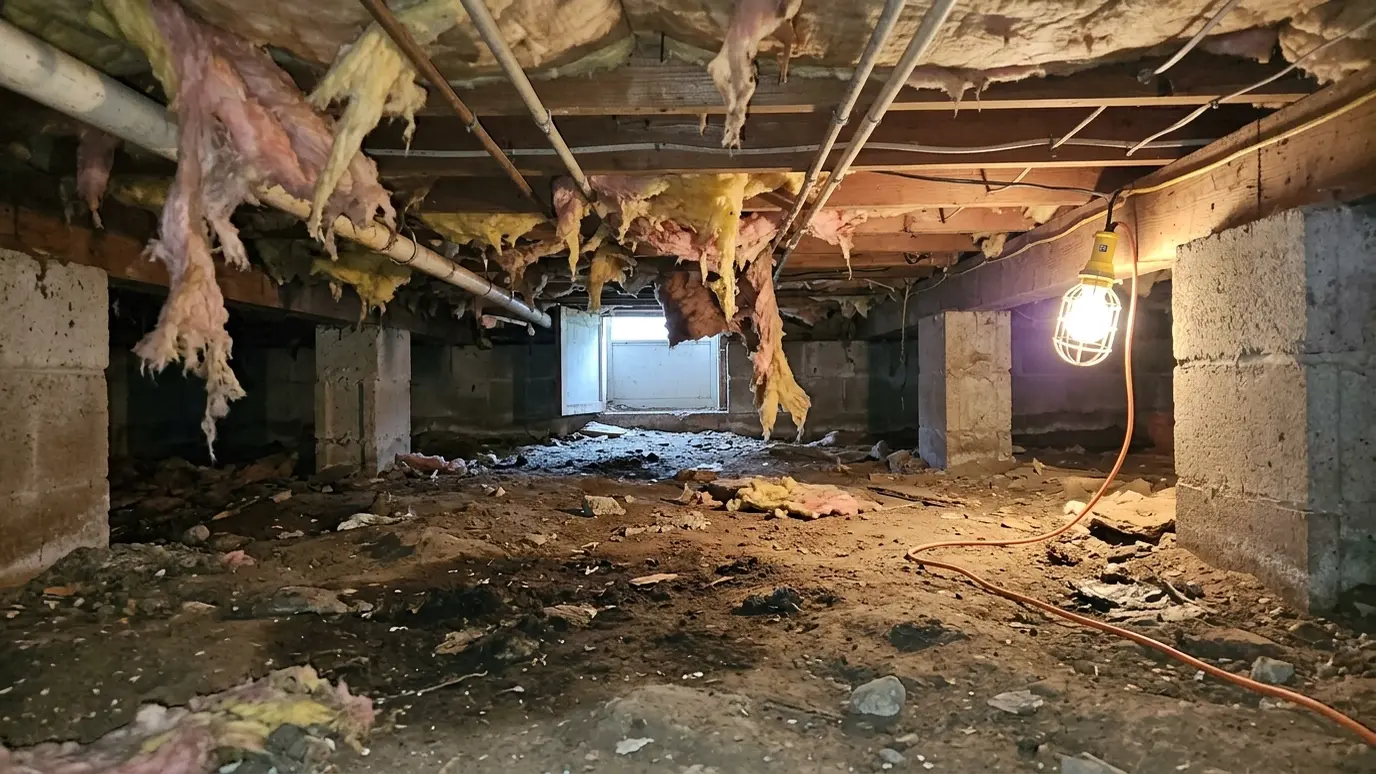 BeforeAfter
Moisture stays out.
Continuous barrier.
Dehumidifier included.
Liner is not a drain.
Less musty odor.
Easy to inspect.
Every topic has its own page with what to expect and how we approach it.
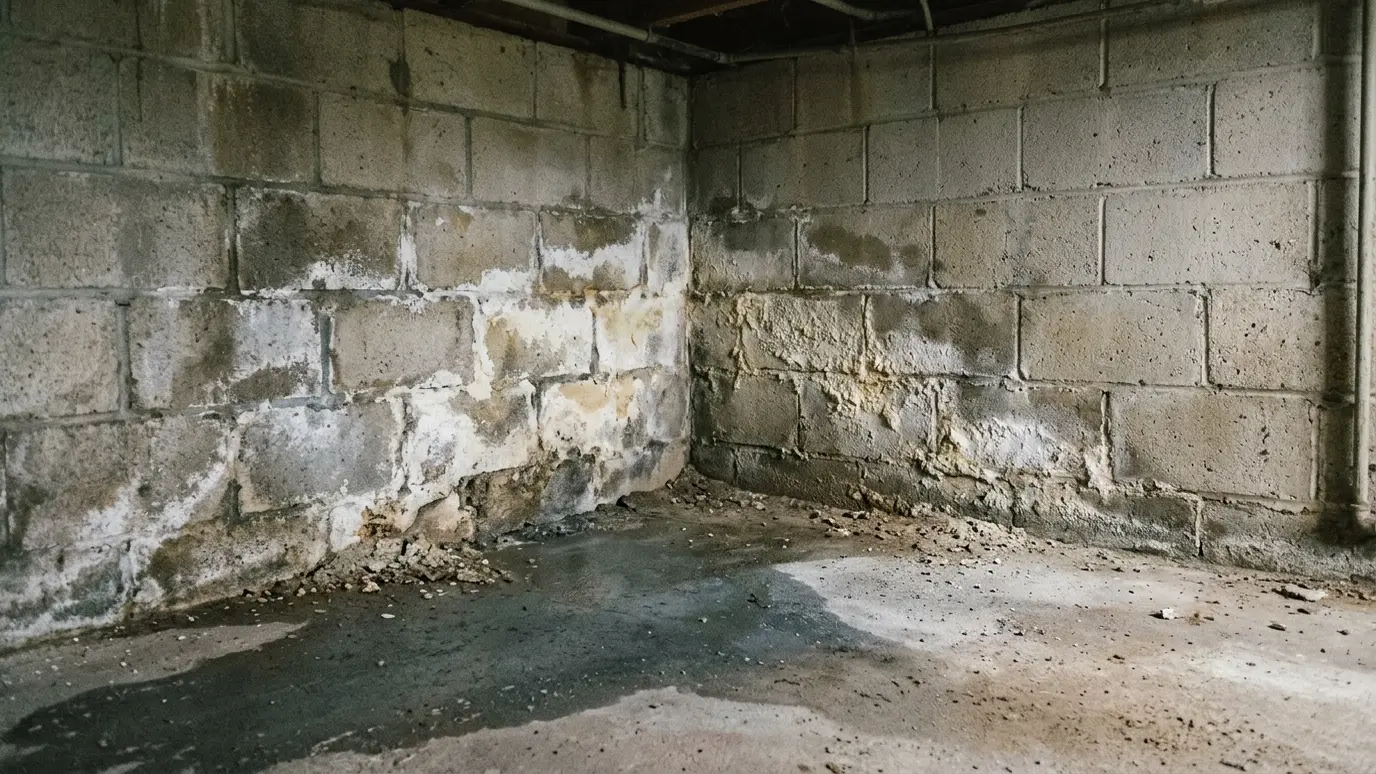 Project situationMusty Basements and Crawl SpacesA damp, earthy smell is a sign of moisture below. Fix the source and the whole house smells…Learn more
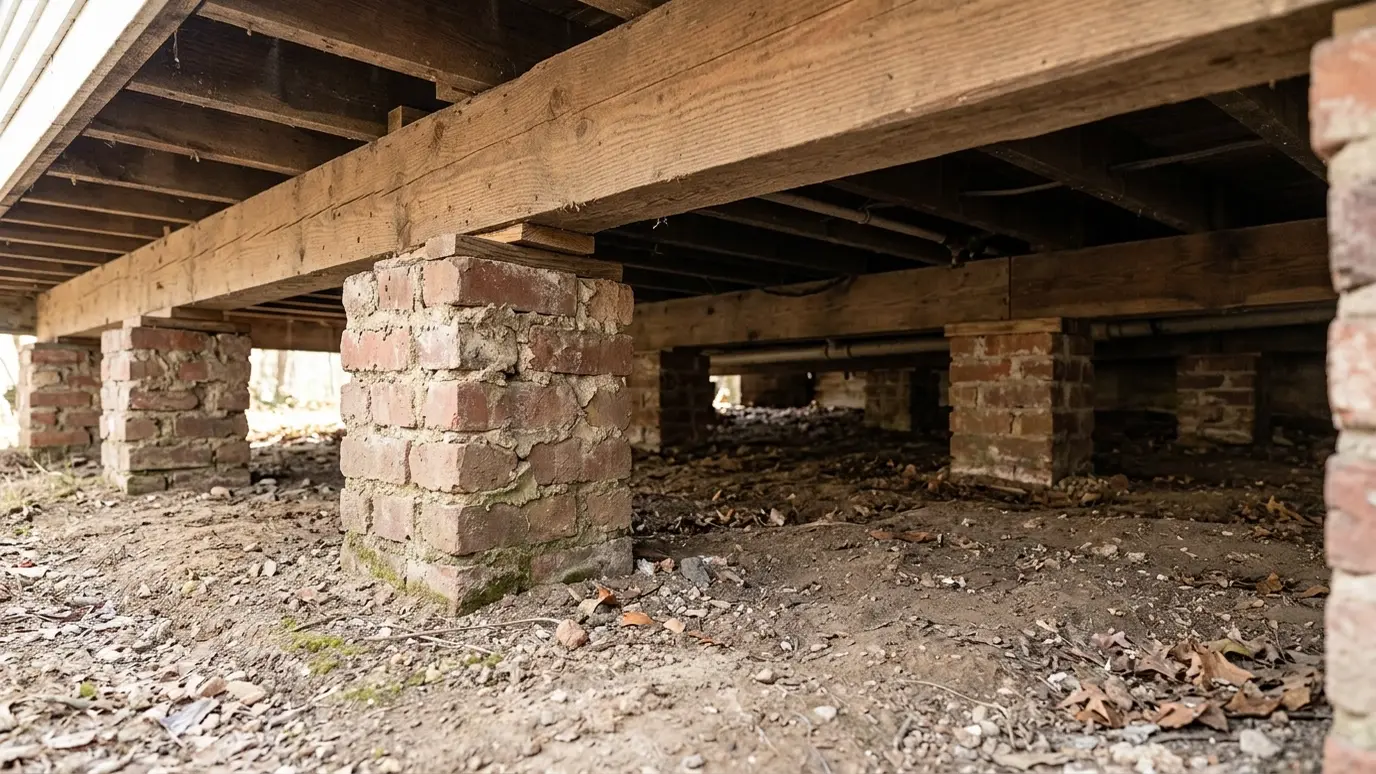 Material guidePier and Beam FoundationsA pier and beam foundation lifts the house above the ground on posts. Learn how they work and…Learn more
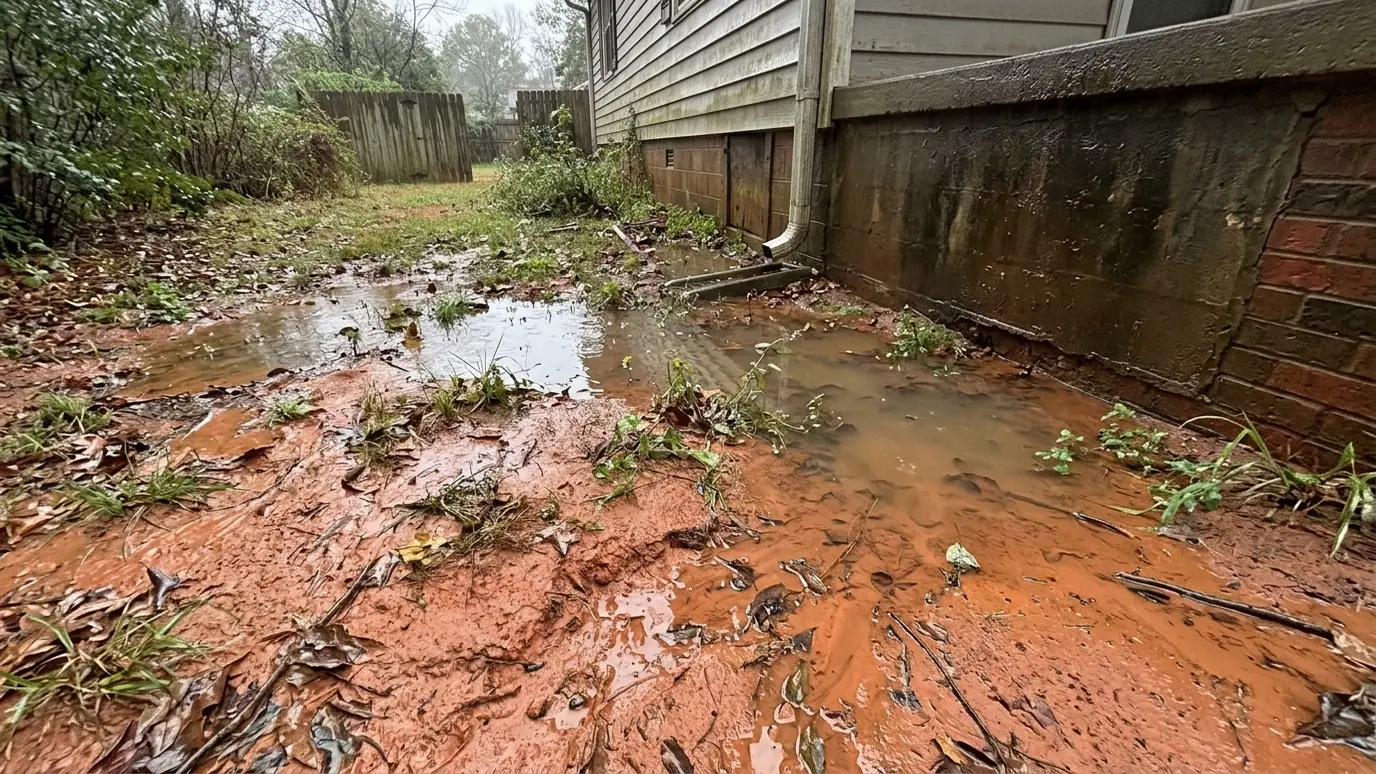 Project situationClay Soil and Wet YardsMiddle Tennessee clay swells when wet and shrinks when dry. That movement is behind many cracks, leaks and…Learn more
Enter the air temperature and humidity to see the dew point, the mold risk and the dehumidifier size to plan for.
You tell us what you have noticed, a crack, a damp smell, a sloping floor or standing water, and we set a visit that fits your day.
We look closely inside and out, measure floors and cracks, check moisture and drainage and take photos of anything of note.
We explain what is urgent, what can wait and what is optional, and give you a written scope and options.
We lay floor protection, mark utilities, protect landscaping and set up before any digging or drilling begins.
We install, seal, lift or repair with the right tools and materials, checking our work as we go.
We clean up, restore the surface, show you what we did, share care tips and set a reminder for your next check.
Sealing the floor and walls with a heavy liner and controlling humidity so moisture cannot reach the wood.
In a sealed system, yes. Open vents let humid air in and defeat the purpose.
Often yes, because a large share of household air comes up from the crawl space.
Most sealed spaces benefit from one to hold humidity steady.
Many homes take two to four days depending on size and condition.
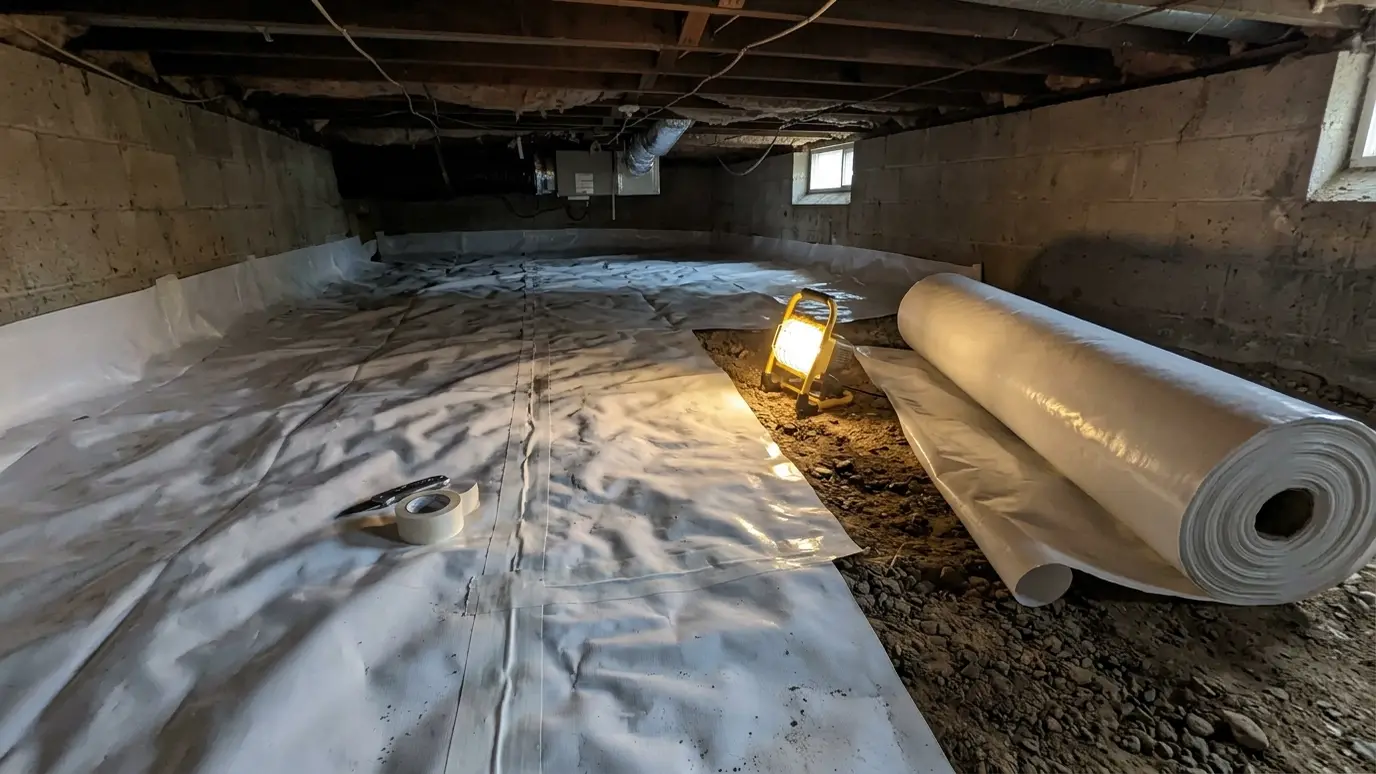 Vapor Barrier InstallationA thick plastic liner on the crawl space floor stops ground moisture from rising into the wood and…Explore
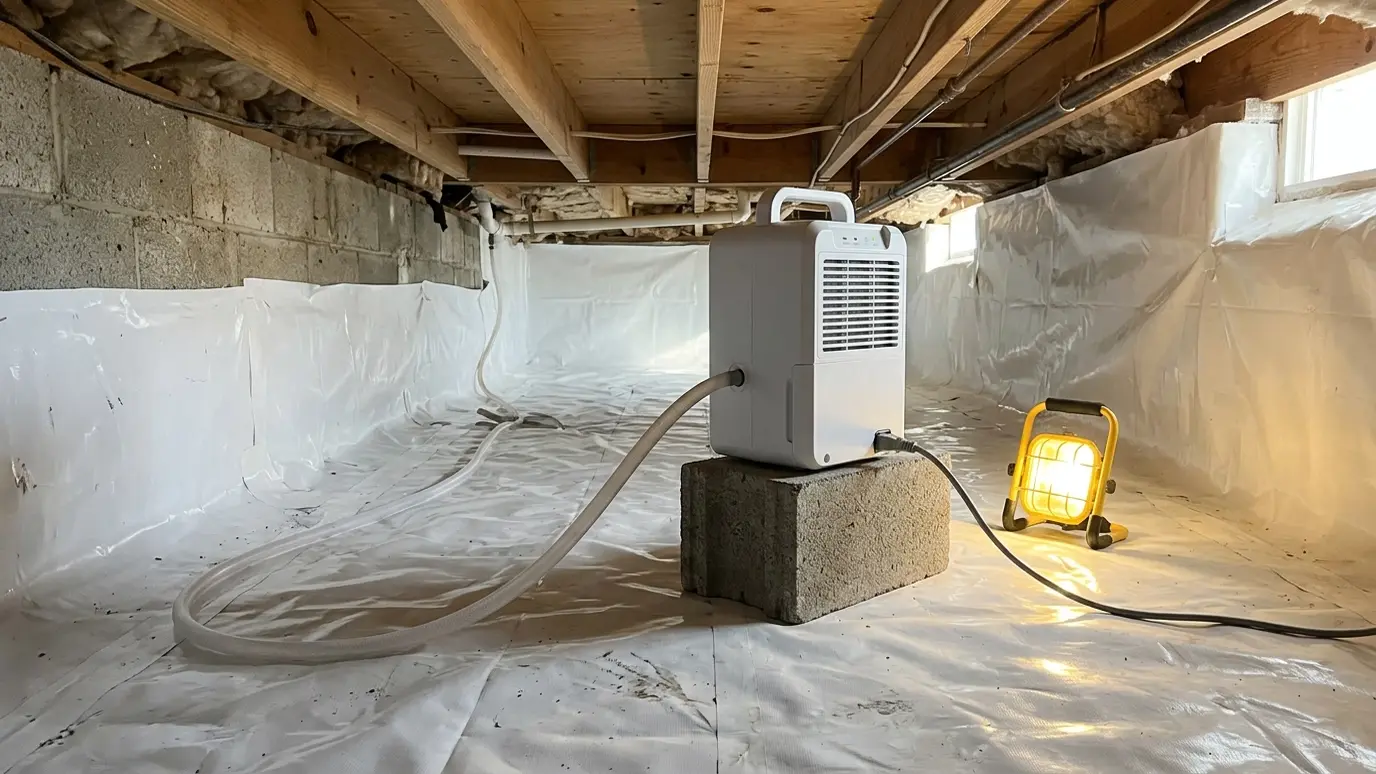 Crawl Space DehumidifiersA dehumidifier made for crawl spaces holds humidity at a safe level, protecting wood, insulation and the air…Explore
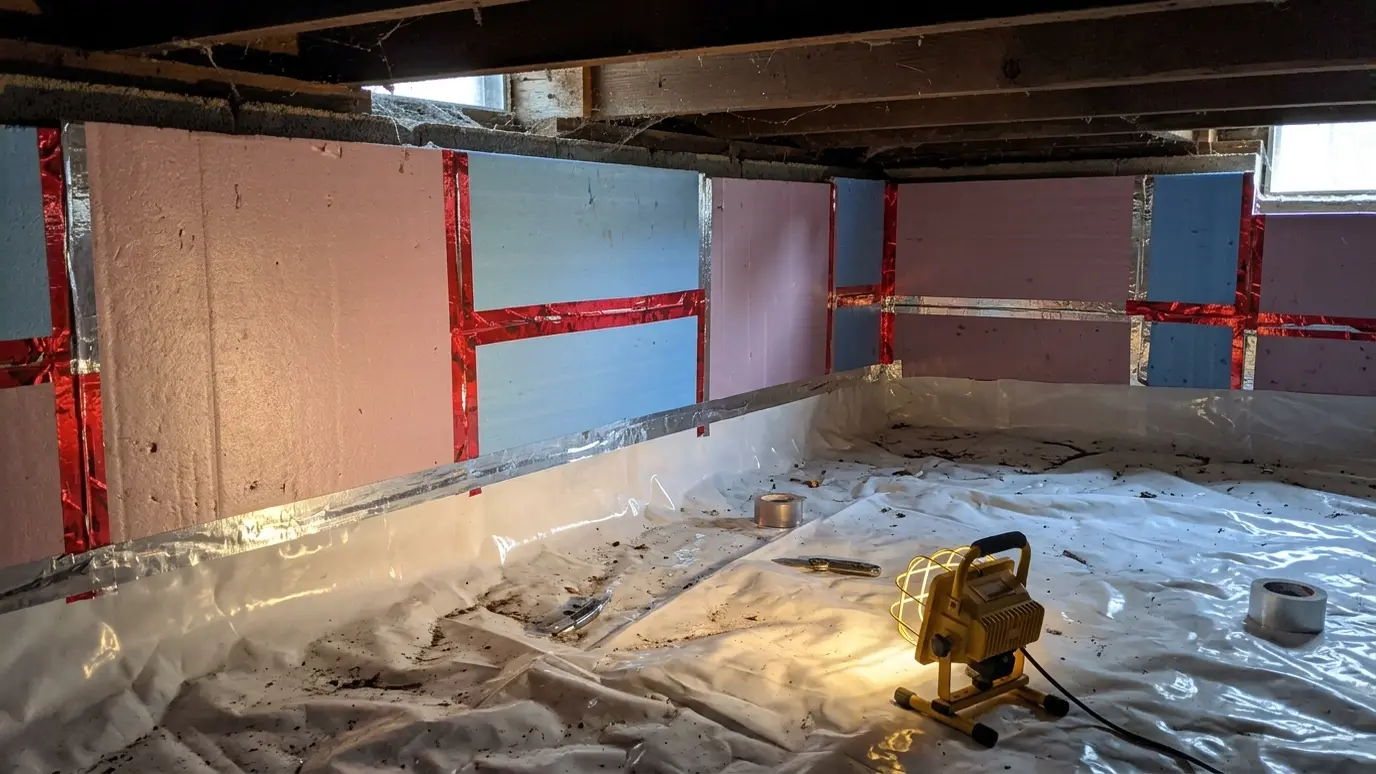 Crawl Space InsulationInsulating the walls or the floor above makes floors warmer and the whole house more comfortable and less…Explore
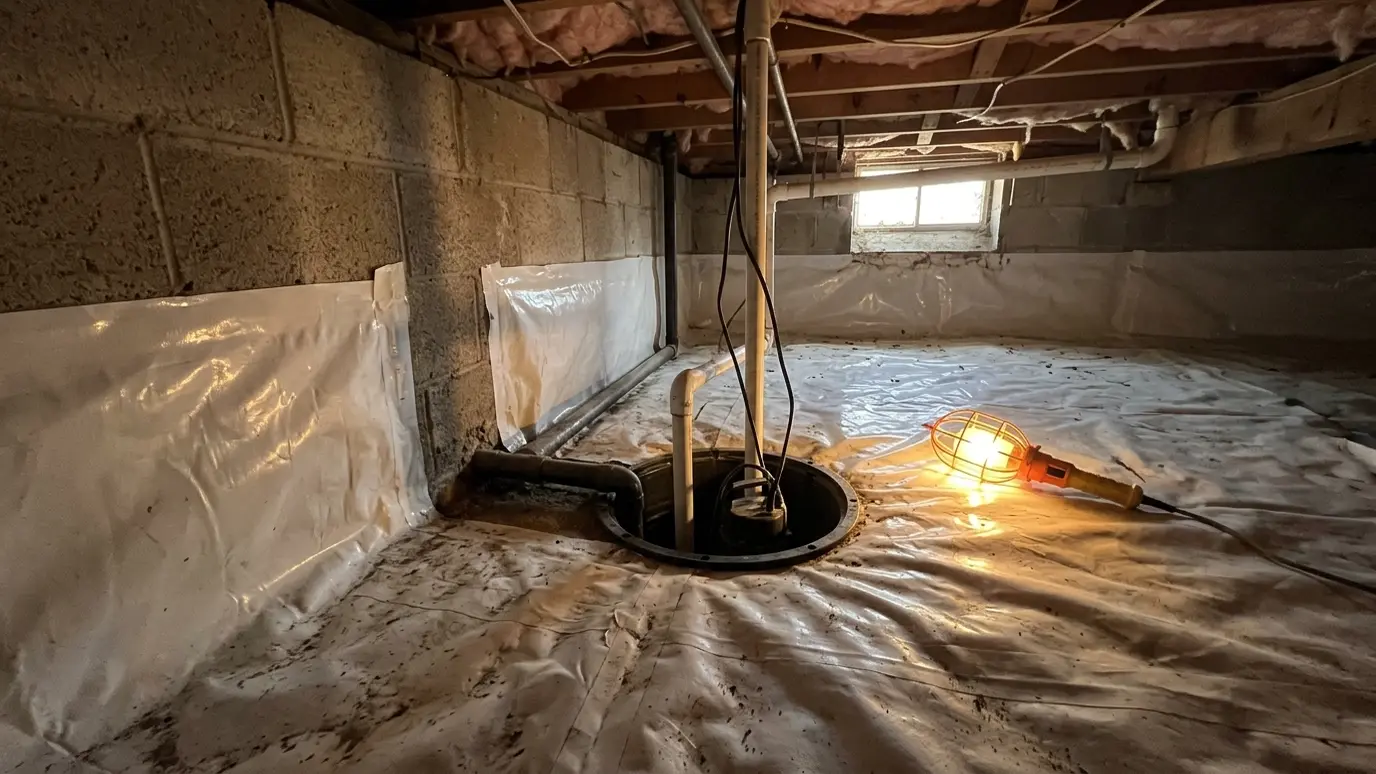 Crawl Space Drainage and SumpsWhen water reaches the crawl space, a drain, a sump pit and a pump carry it out so…Explore
Tell us about the project and we will call you back to talk it through.
Or call (615) 357-7797 to talk now.