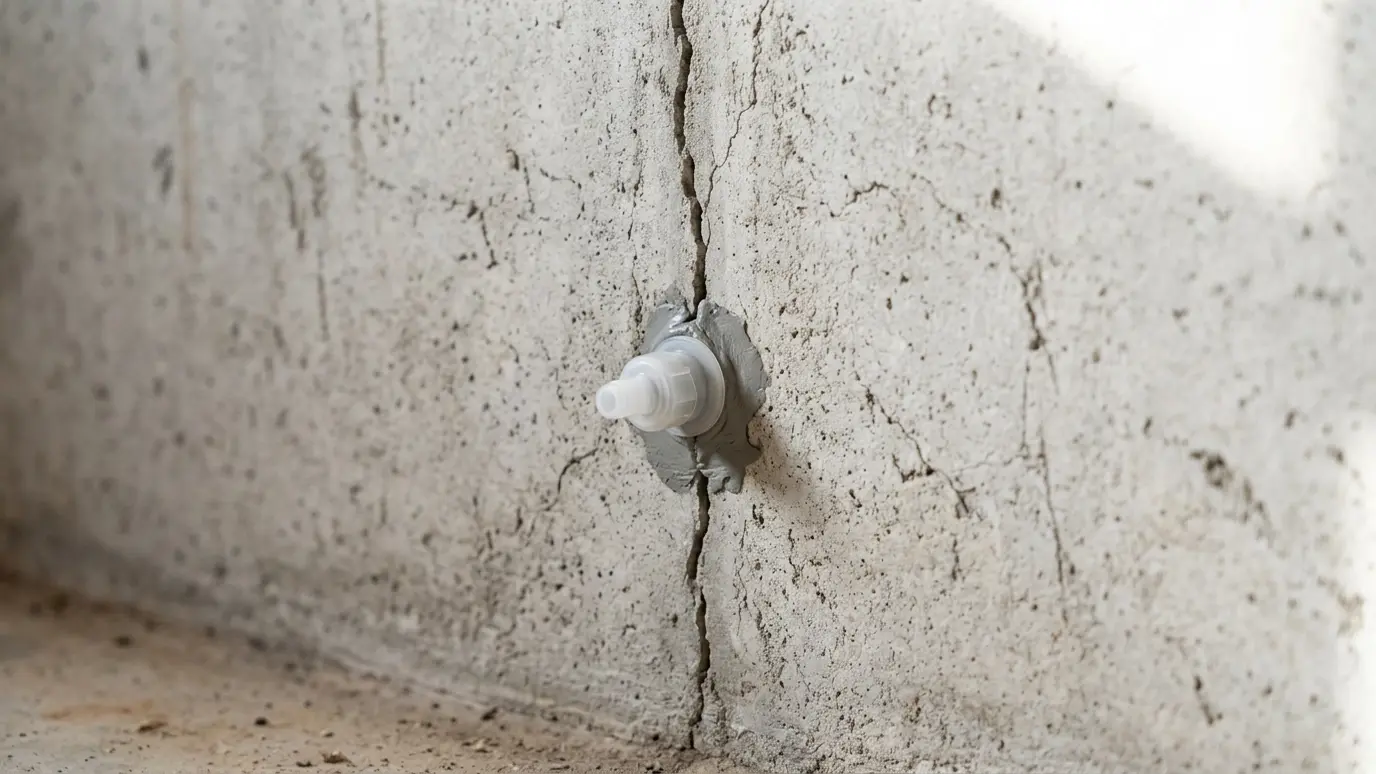
Hairline, vertical, diagonal or stair-step, every crack tells a story. We read it, stop the water and repair it so it stays sealed.
A crack in a foundation wall worries nearly every owner, and the worry is fair. Some cracks are only shrinkage that happened while the concrete cured. Others are the first sign that a wall is moving, that soil is pushing from outside or that one corner is sinking. The width, the direction and whether it is growing all matter, and a crack that looks small can still leak every time it rains.
Our job starts with reading the crack, not covering it. We measure it, mark it, look at the wall around it and check the ground outside. If it is a stable shrinkage crack, we seal it from the inside with injected epoxy or flexible polyurethane so water cannot enter. If it is moving, we explain what is causing it and recommend a fix for the cause, because sealing a moving crack alone only delays the next leak.
Thin vertical cracks near the middle of a poured wall are common and usually harmless. Injection seals them against water and moisture.
These often point to settlement or movement at one corner. We look for the cause and recommend support or drainage work as needed.
Epoxy bonds a stable crack tightly. Polyurethane stays flexible, which suits a crack that moves a little with the seasons.
When a crack is borderline, we mark it and measure it again, so the decision rests on what the crack actually does.
Drag the handle to compare.
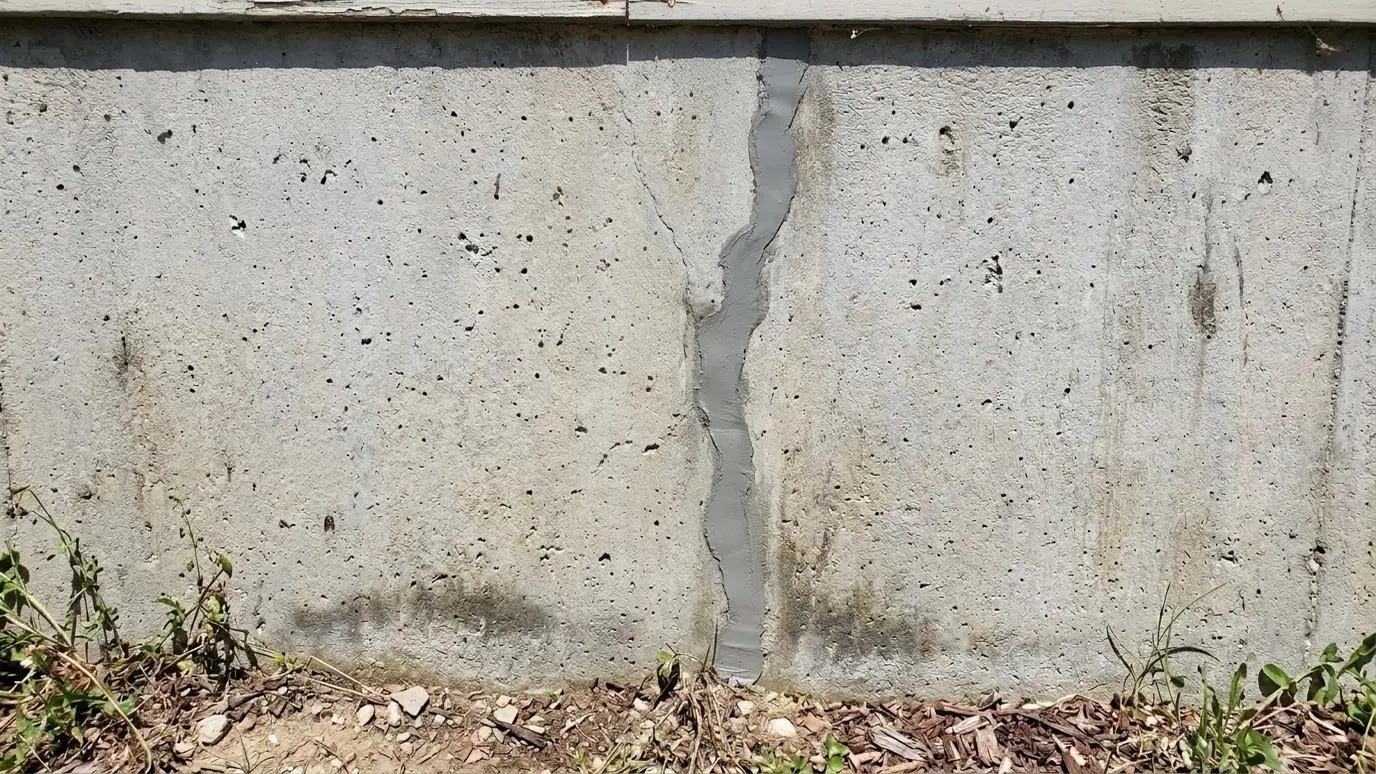
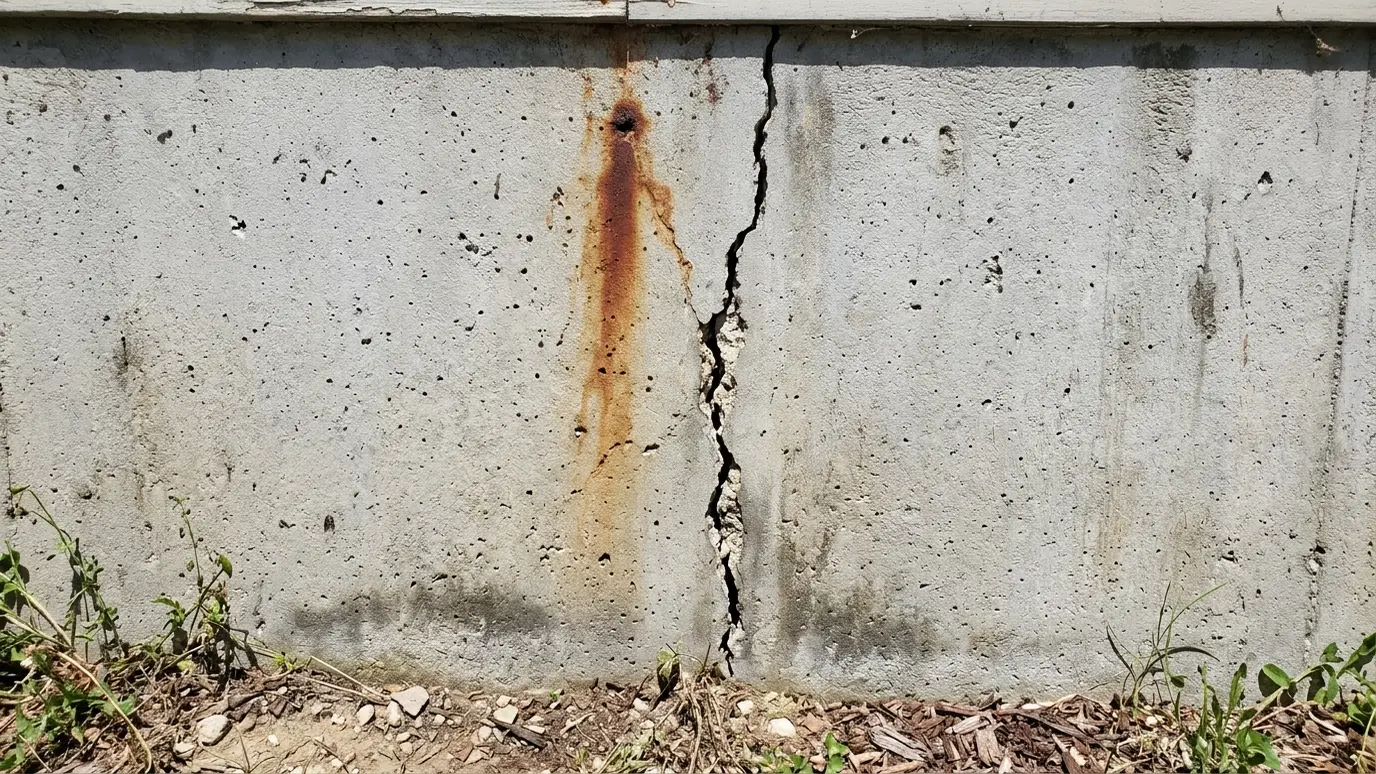 BeforeAfter
We find the cause.
Sealed from inside.
Facts about movement.
Epoxy or flexible foam.
A clear record.
Repair only what needs it.
Every topic has its own page with what to expect and how we approach it.
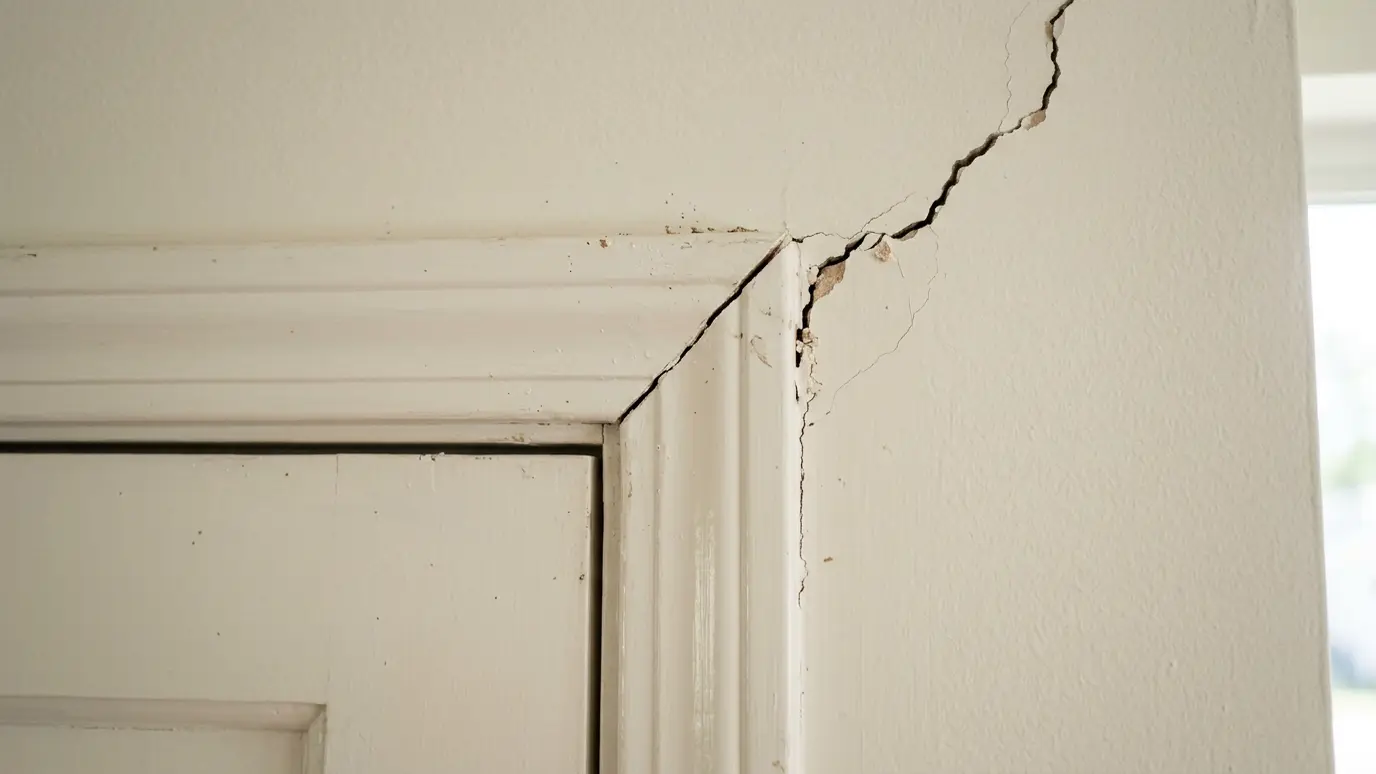 Project situationCracks and Sticking DoorsDoors that stick, cracks over windows and floors that slope are the signals foundations send. Learn what they…Learn more
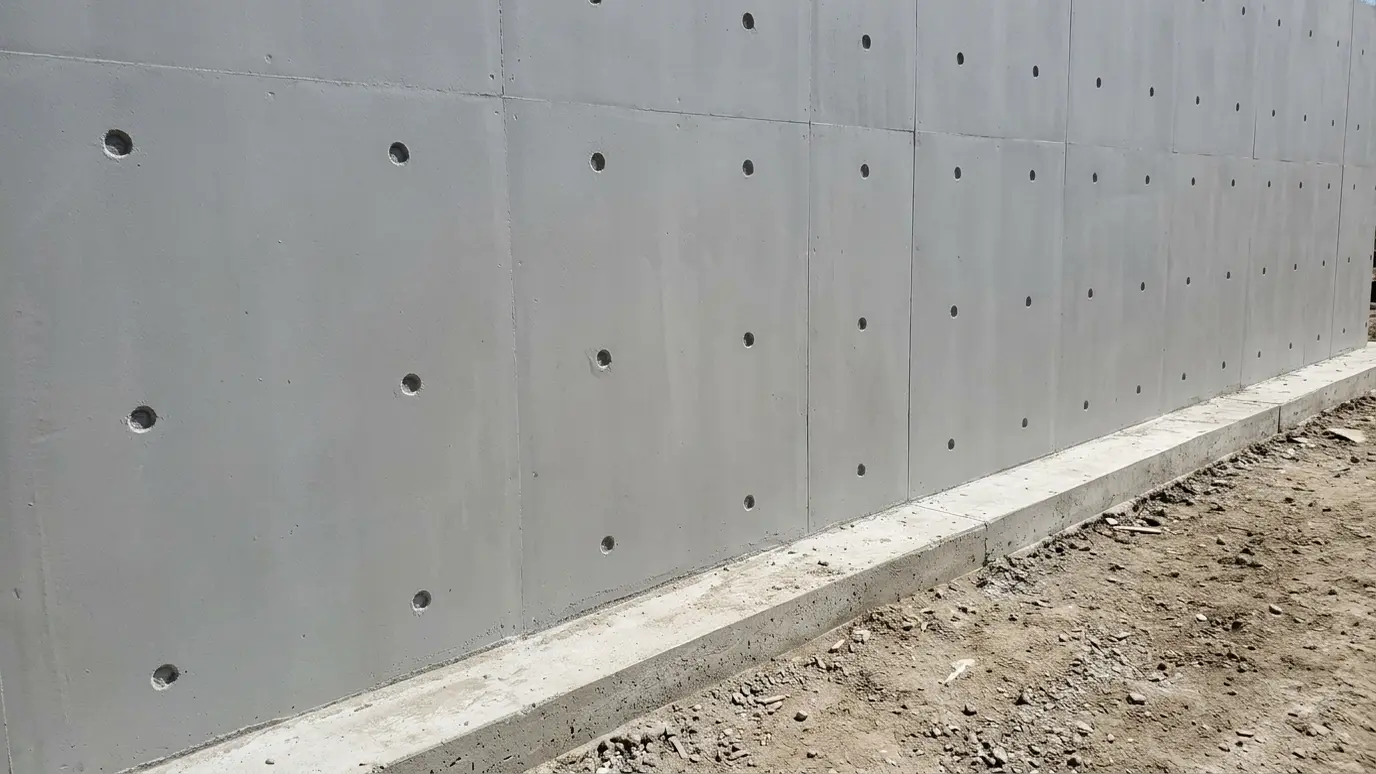 Material guidePoured Concrete FoundationsPoured concrete is strong, seamless and common in newer homes. Here is how it works, where it cracks…Learn more
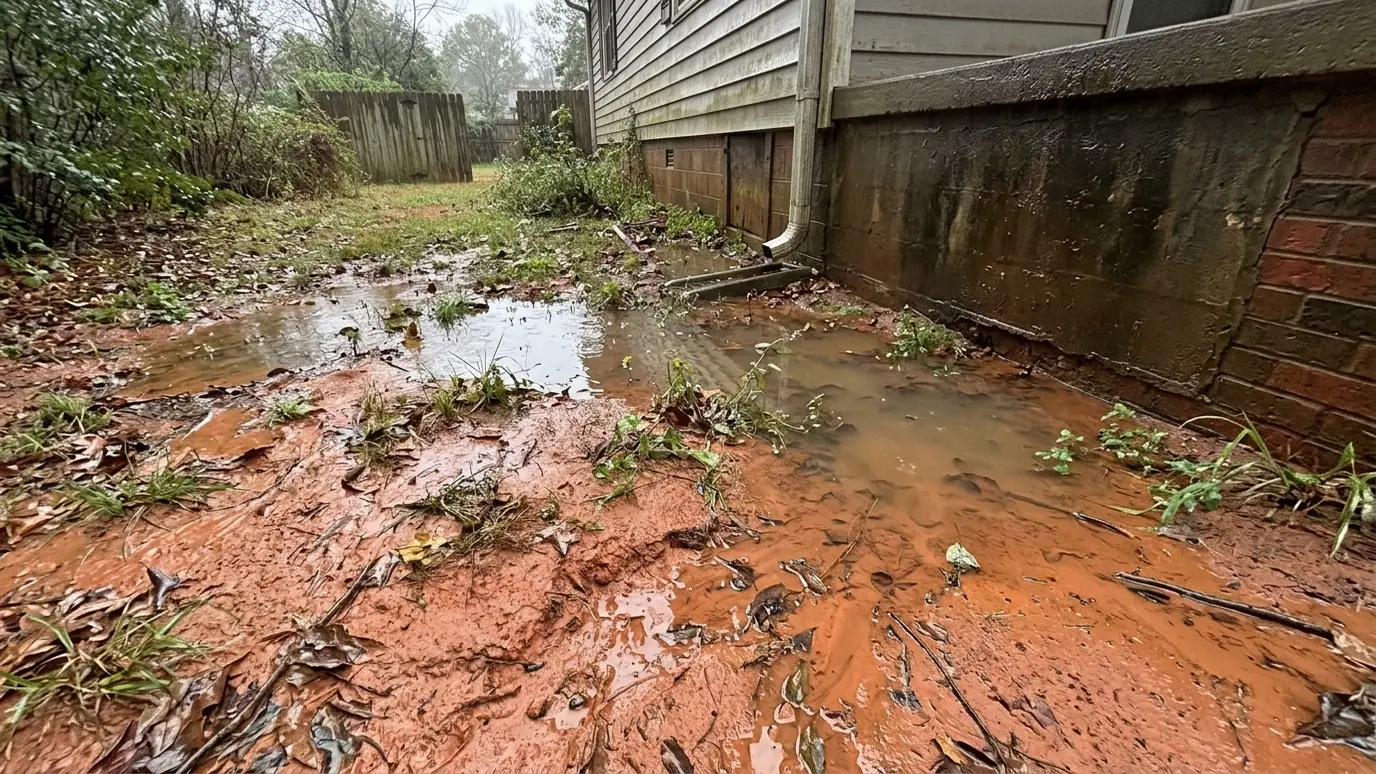 Project situationClay Soil and Wet YardsMiddle Tennessee clay swells when wet and shrinks when dry. That movement is behind many cracks, leaks and…Learn more
Pick the crack type, measure its width and tell us if it is changing to see how much attention it may need.
You tell us what you have noticed, a crack, a damp smell, a sloping floor or standing water, and we set a visit that fits your day.
We look closely inside and out, measure floors and cracks, check moisture and drainage and take photos of anything of note.
We explain what is urgent, what can wait and what is optional, and give you a written scope and options.
We lay floor protection, mark utilities, protect landscaping and set up before any digging or drilling begins.
We install, seal, lift or repair with the right tools and materials, checking our work as we go.
We clean up, restore the surface, show you what we did, share care tips and set a reminder for your next check.
No. Many hairline cracks are shrinkage. Width, direction and growth tell us which cracks need action.
Yes. Injection fills the crack through its full thickness, which stops water without digging.
A stable crack sealed well usually stays sealed. A moving crack needs the cause addressed too.
Most injections are finished in a few hours, and the material cures quickly.
We measure it and look for settlement or pressure, then recommend support or drainage as well.
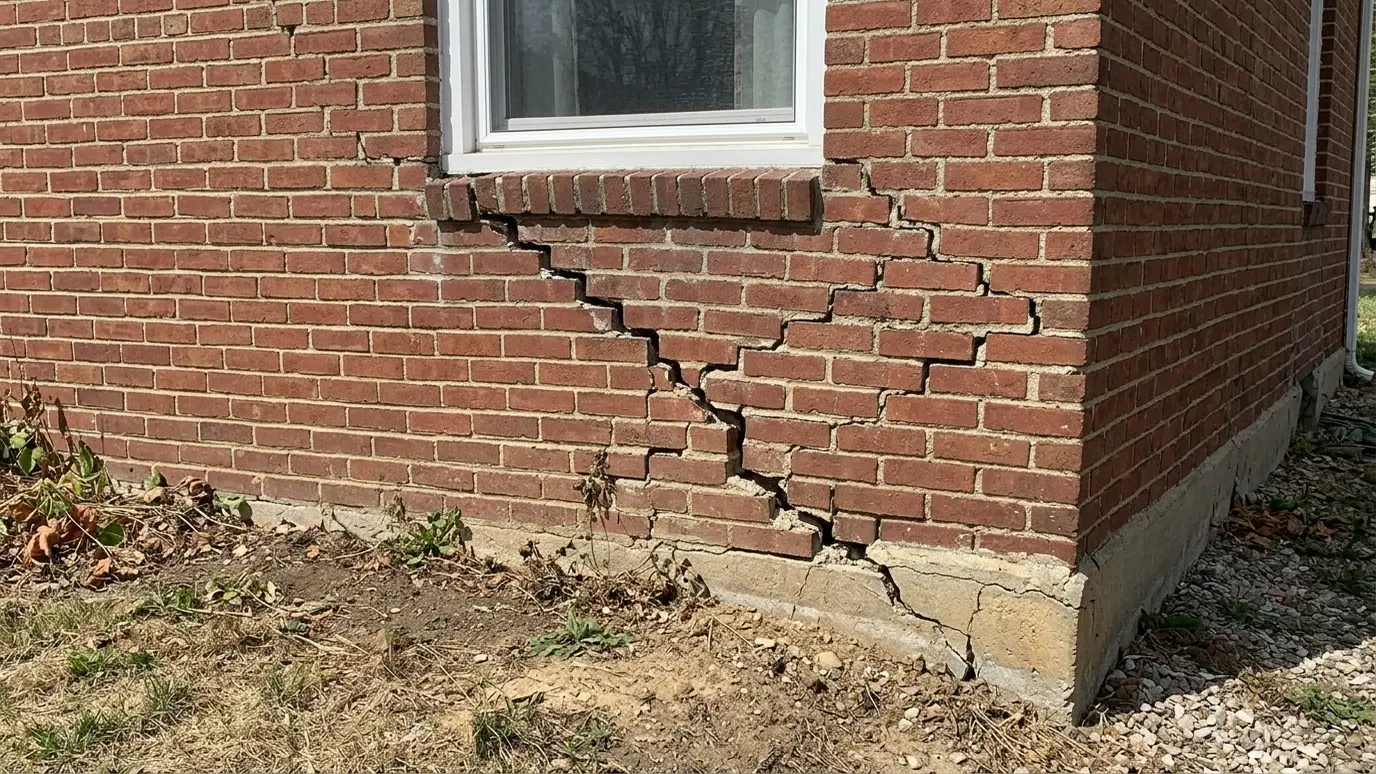 Foundation Settlement RepairSloping floors, sticking doors and cracks above windows can mean a corner is sinking. We find the cause…Explore
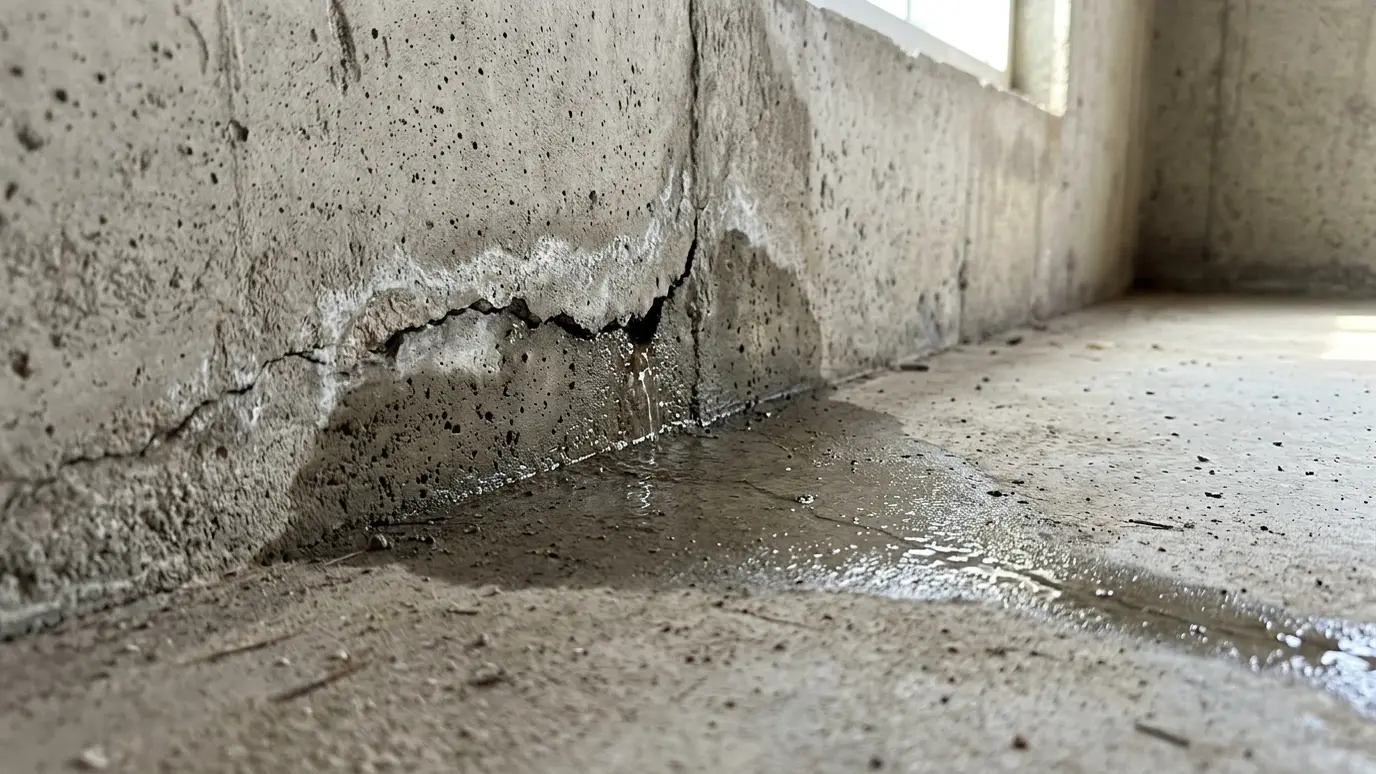 Basement Leak RepairA leaking crack, joint or wall gets traced to its source and repaired, so the next storm is…Explore
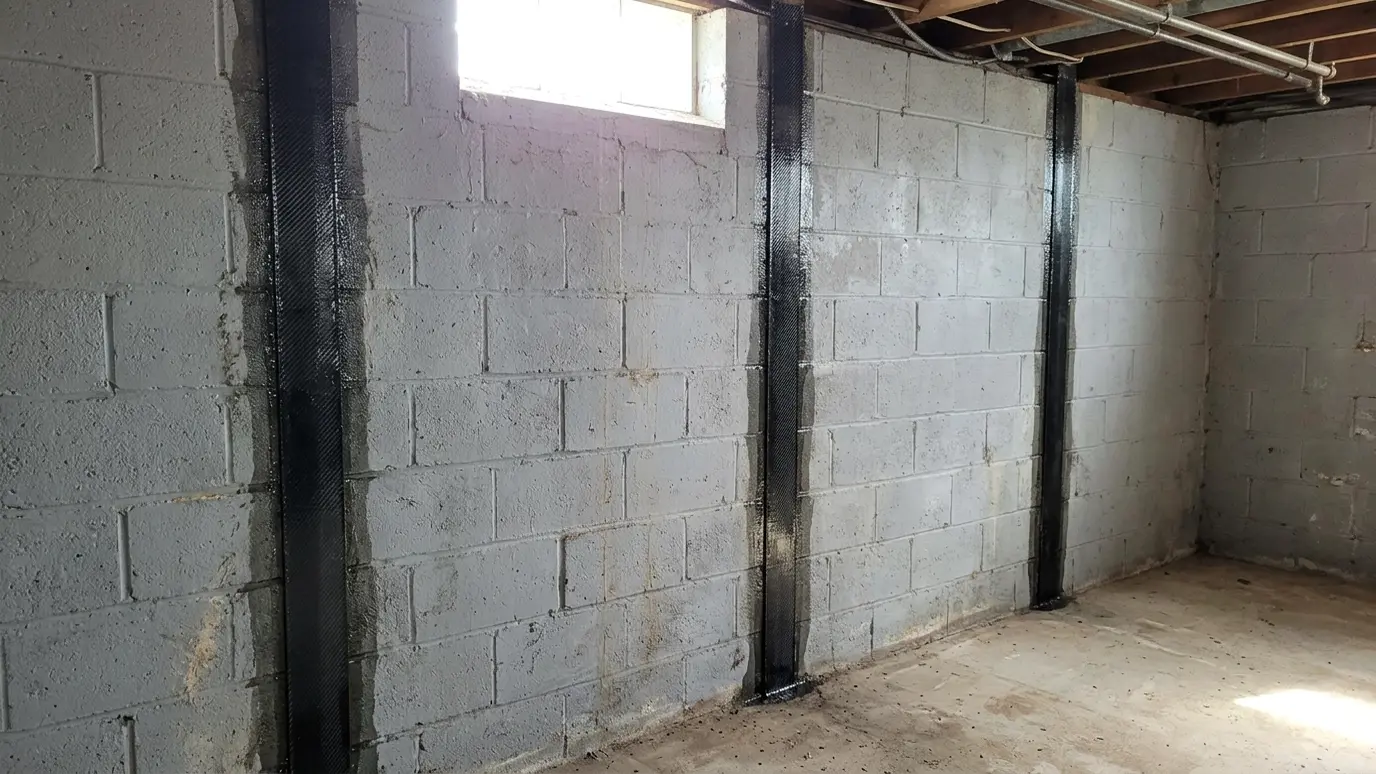 Wall Anchors and StrapsTwo ways to hold a basement wall in place: strong steel anchors tied to soil outside, or thin…Explore
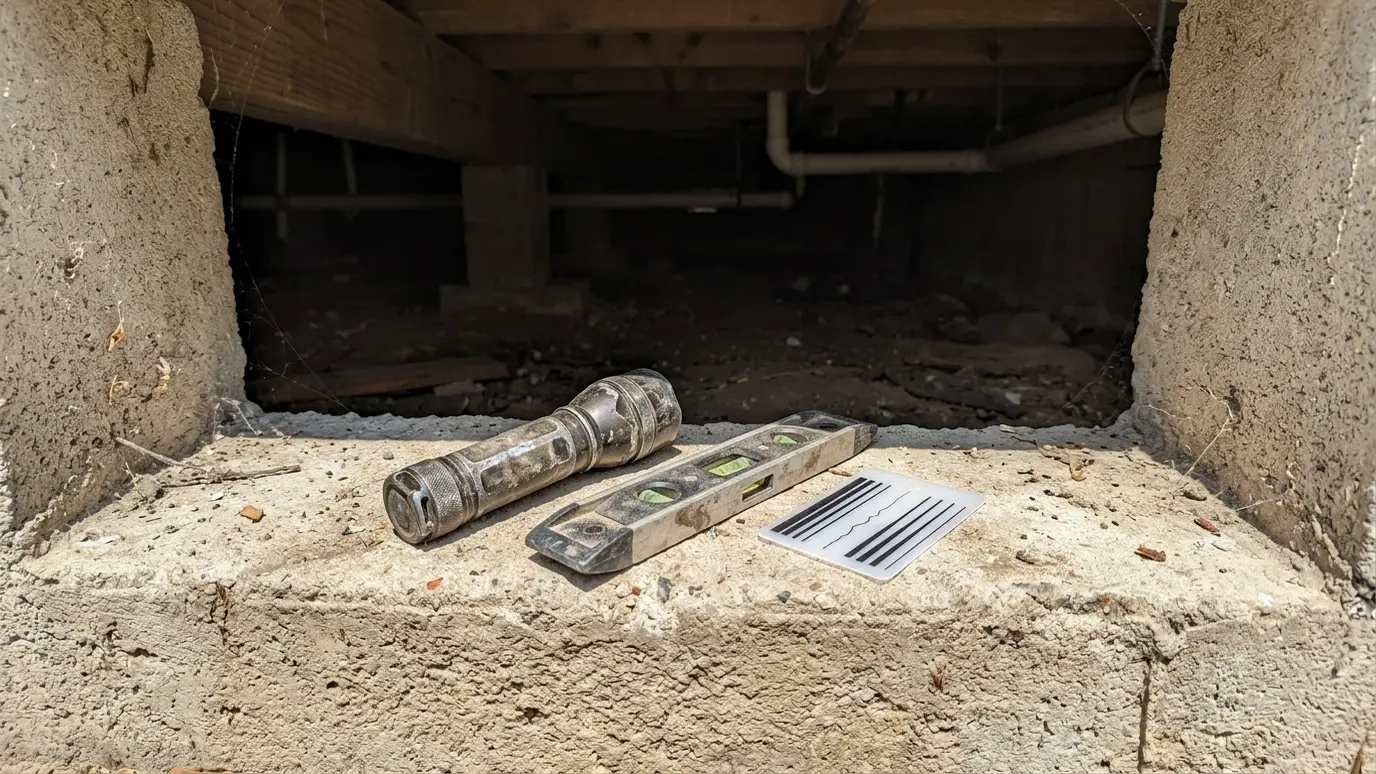 Foundation InspectionsA careful look at the foundation, inside and out, with measurements, photos and a written report in plain…Explore
Tell us about the project and we will call you back to talk it through.
Or call (615) 357-7797 to talk now.