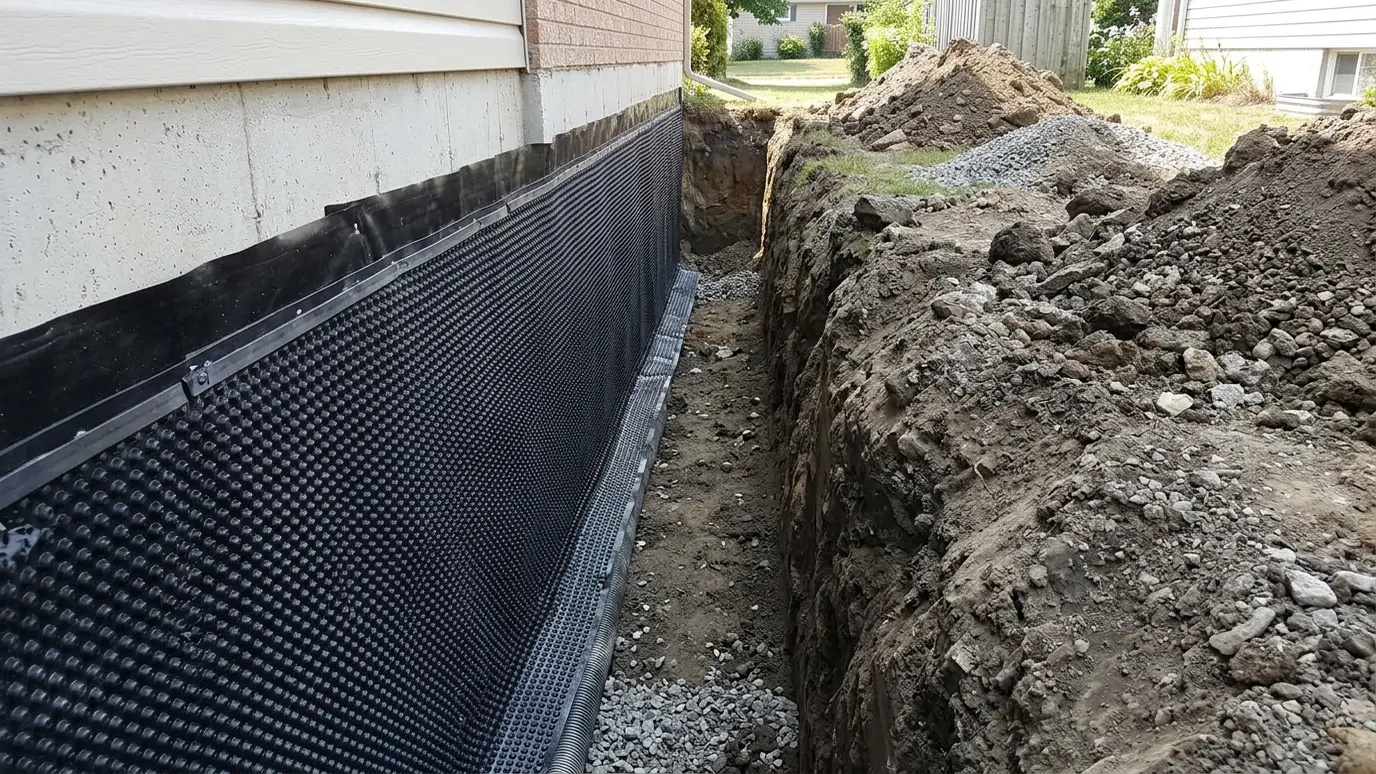
Stopping water before it reaches the wall: excavation, membrane, drain tile and grading that protect the foundation from the outside in.
The most direct way to keep a basement dry is to keep water from touching the wall at all. Exterior waterproofing does this by excavating along the foundation, cleaning and repairing the wall, applying a waterproof membrane, placing a protective drainage board and setting a perforated drain tile at the footing. Then the trench is backfilled with free-draining gravel and sloped soil.
Because it needs digging, it is a larger project than interior work, and it makes the most sense when a wall needs repair at the same time, when water pressure is strong or when the house is being renovated. We explain the tradeoffs honestly: exterior work addresses the cause, while interior systems manage the effect, and some homes benefit from both. We protect landscaping where we can and plan access around driveways, patios and utilities.
Digging exposes the wall, which lets us see cracks, tie holes and joints that cannot be seen from the inside.
A waterproof membrane seals the wall, and a drainage board directs water down to the drain tile.
A perforated pipe in clean gravel at the footing carries water to daylight or a sump.
Free-draining backfill and a slope away from the wall finish the system and reduce water pressure.
Drag the handle to compare.
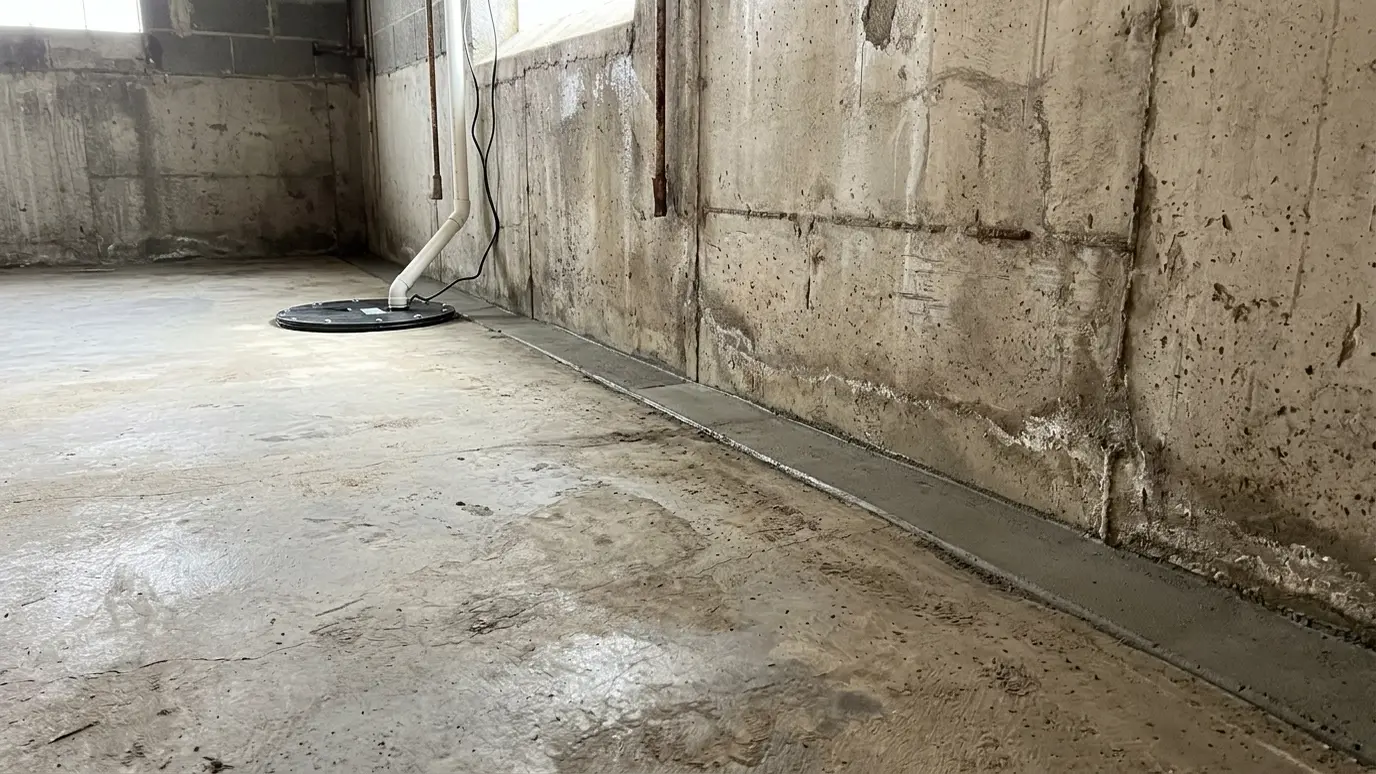
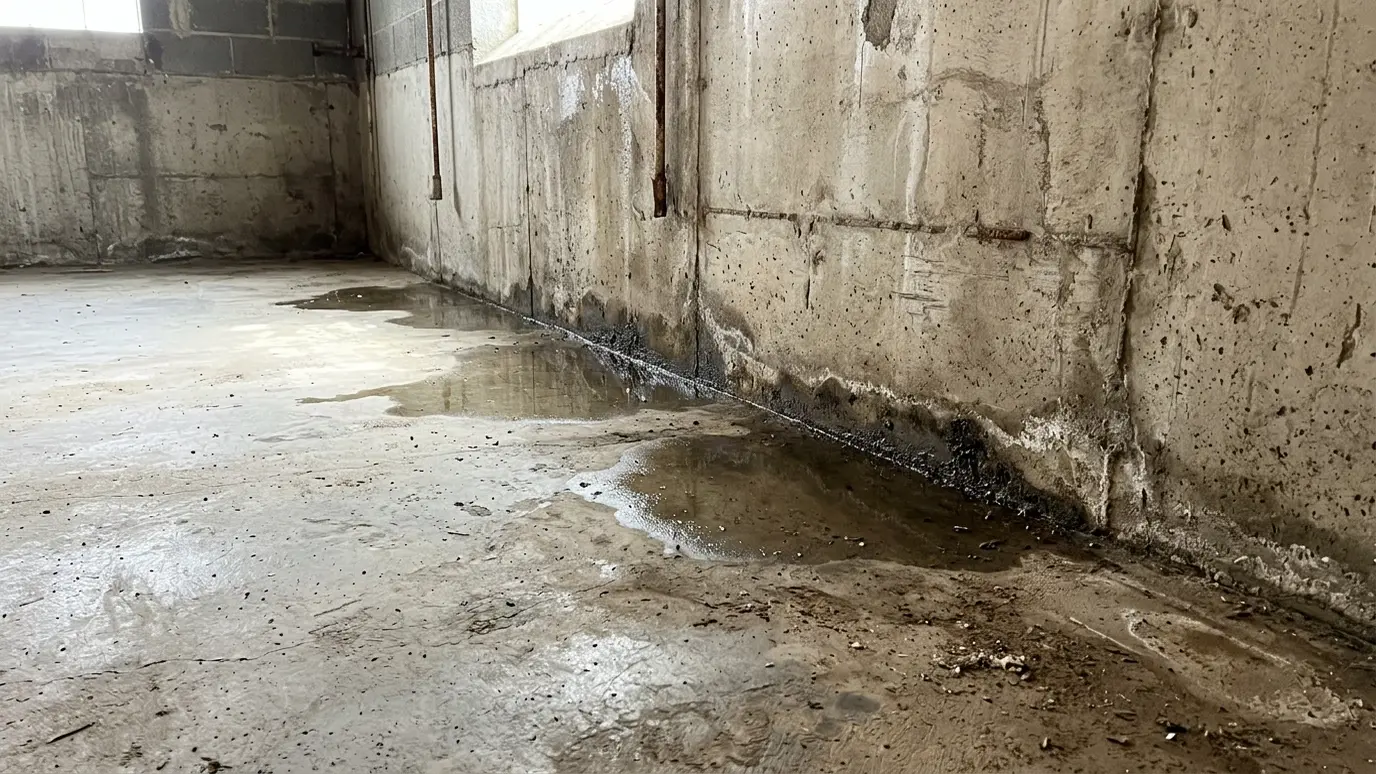 BeforeAfter
Cause, not symptom.
Repairs while open.
Water carried away.
Layers that work.
Landscape protected.
Complete protection.
Every topic has its own page with what to expect and how we approach it.
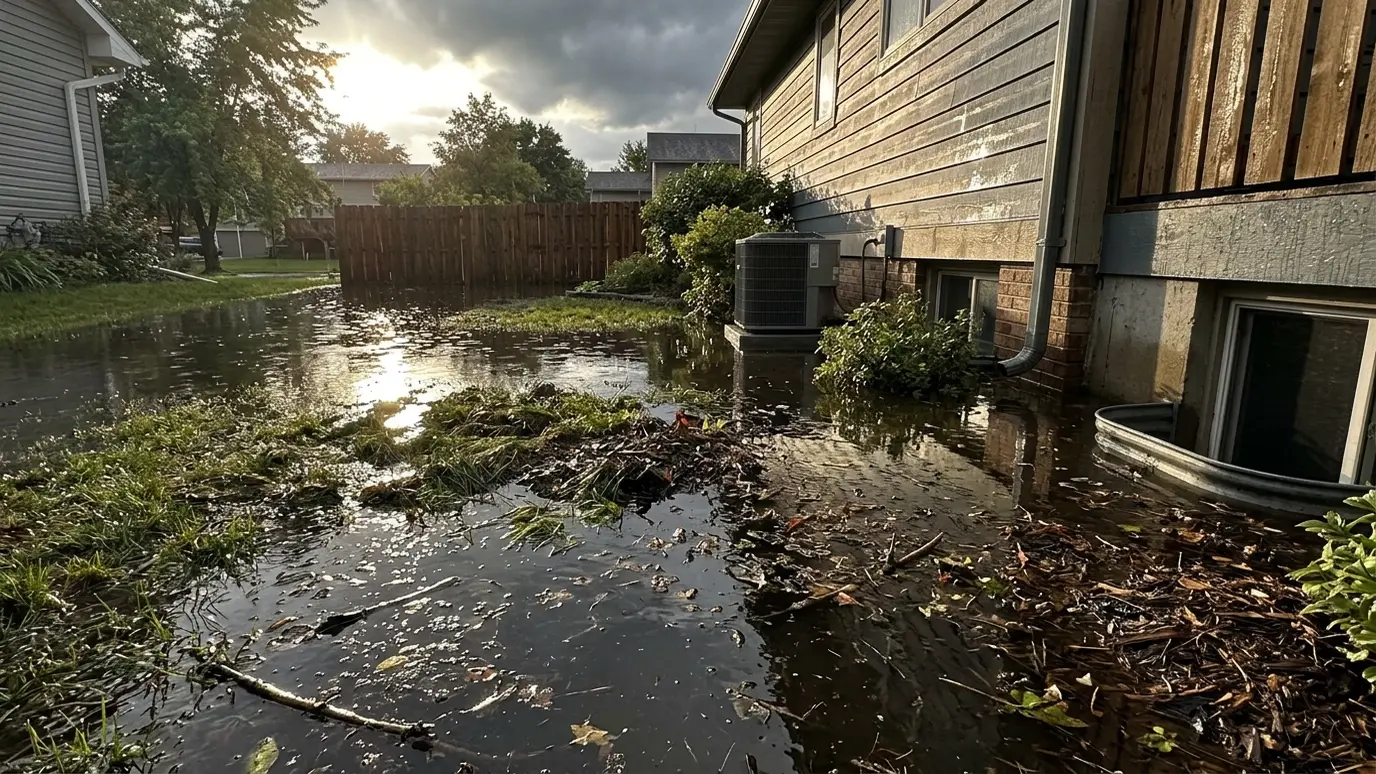 Project situationStorm and Flood DamageAfter heavy rain or flooding, foundations can shift and basements can fill. Here is how to protect your…Learn more
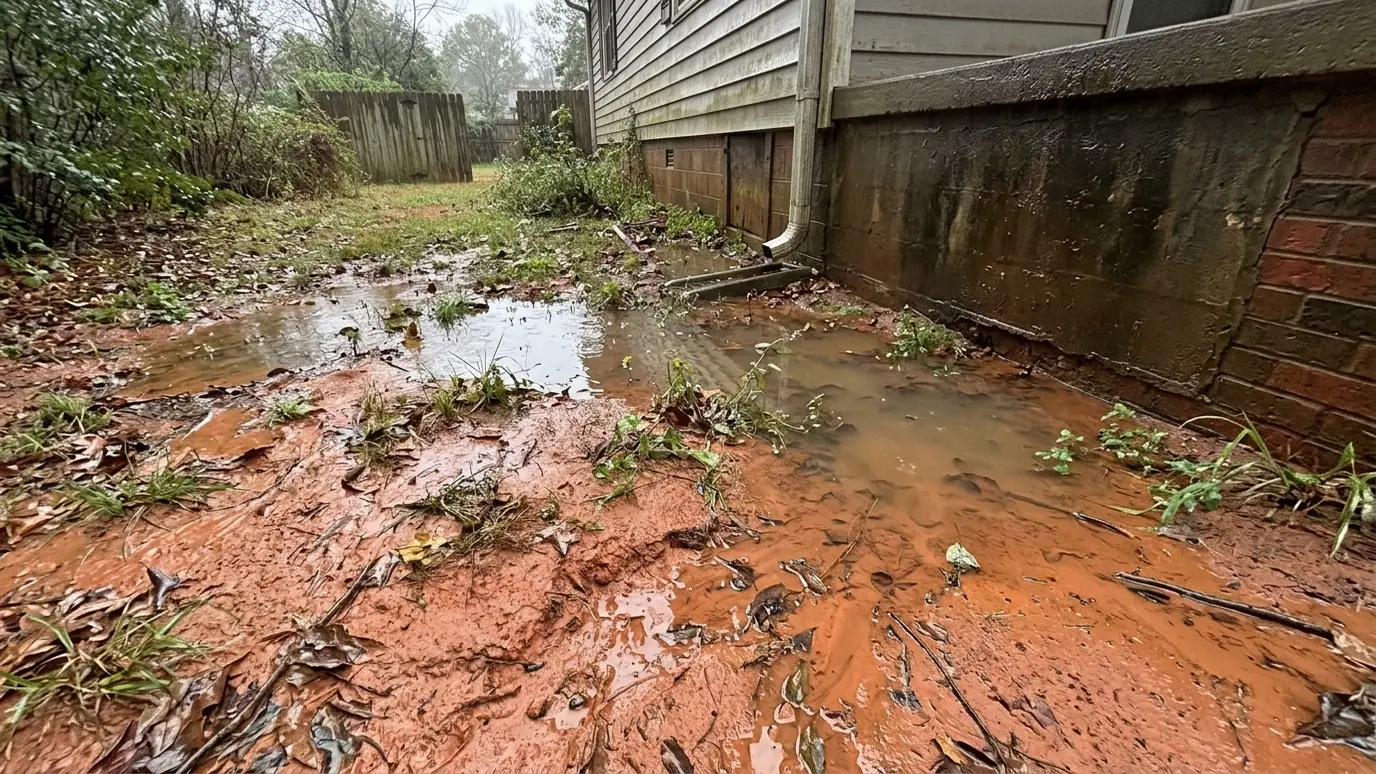 Project situationClay Soil and Wet YardsMiddle Tennessee clay swells when wet and shrinks when dry. That movement is behind many cracks, leaks and…Learn more
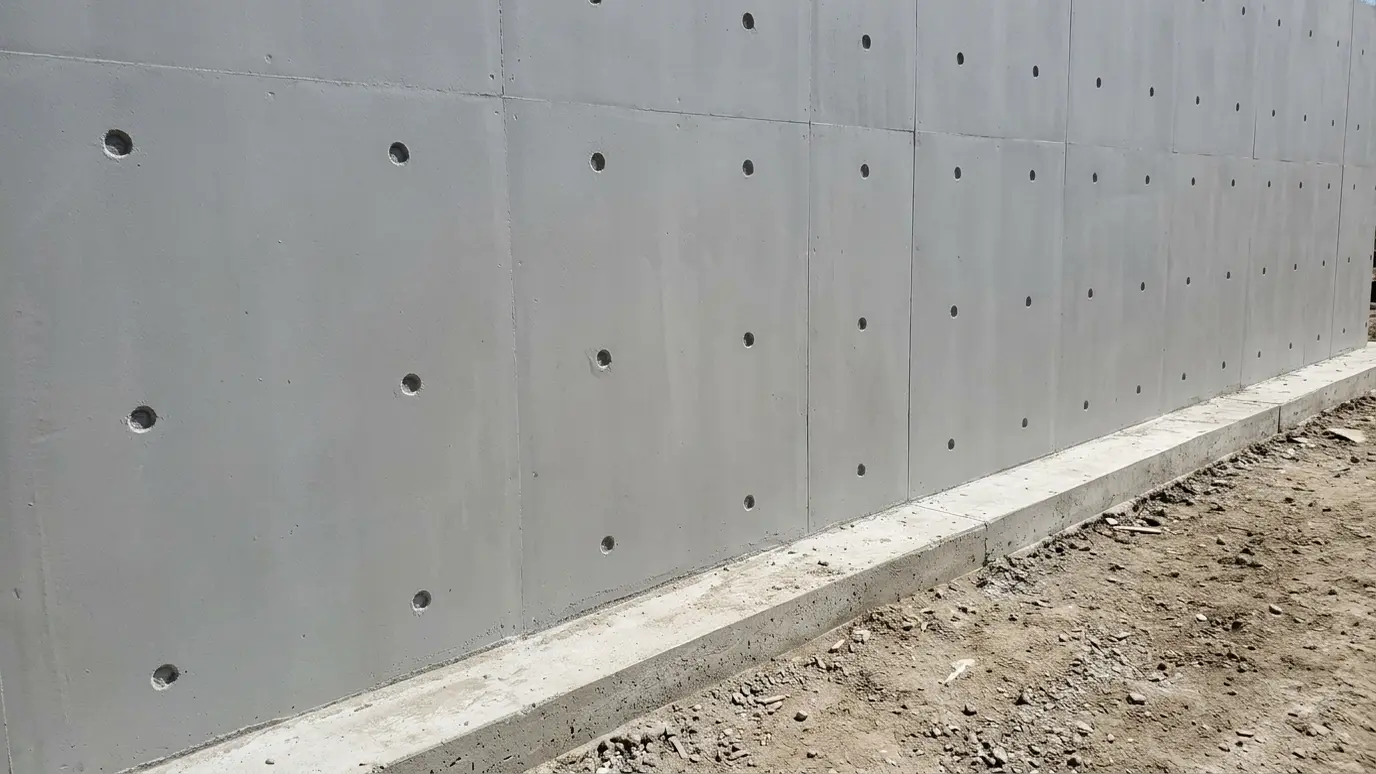 Material guidePoured Concrete FoundationsPoured concrete is strong, seamless and common in newer homes. Here is how it works, where it cracks…Learn more
Enter your roof size and downspouts to see how much water lands at your foundation in a heavy rain.
You tell us what you have noticed, a crack, a damp smell, a sloping floor or standing water, and we set a visit that fits your day.
We look closely inside and out, measure floors and cracks, check moisture and drainage and take photos of anything of note.
We explain what is urgent, what can wait and what is optional, and give you a written scope and options.
We lay floor protection, mark utilities, protect landscaping and set up before any digging or drilling begins.
We install, seal, lift or repair with the right tools and materials, checking our work as we go.
We clean up, restore the surface, show you what we did, share care tips and set a reminder for your next check.
When the wall needs repair, when pressure is strong or when you are renovating the house.
Yes, because it needs digging. We plan access and restore the area.
Not always. Some homes still use a sump as a safety net.
We work carefully, but some plants near the wall may need replacing.
Depending on wall length and access, a few days to a week or more.
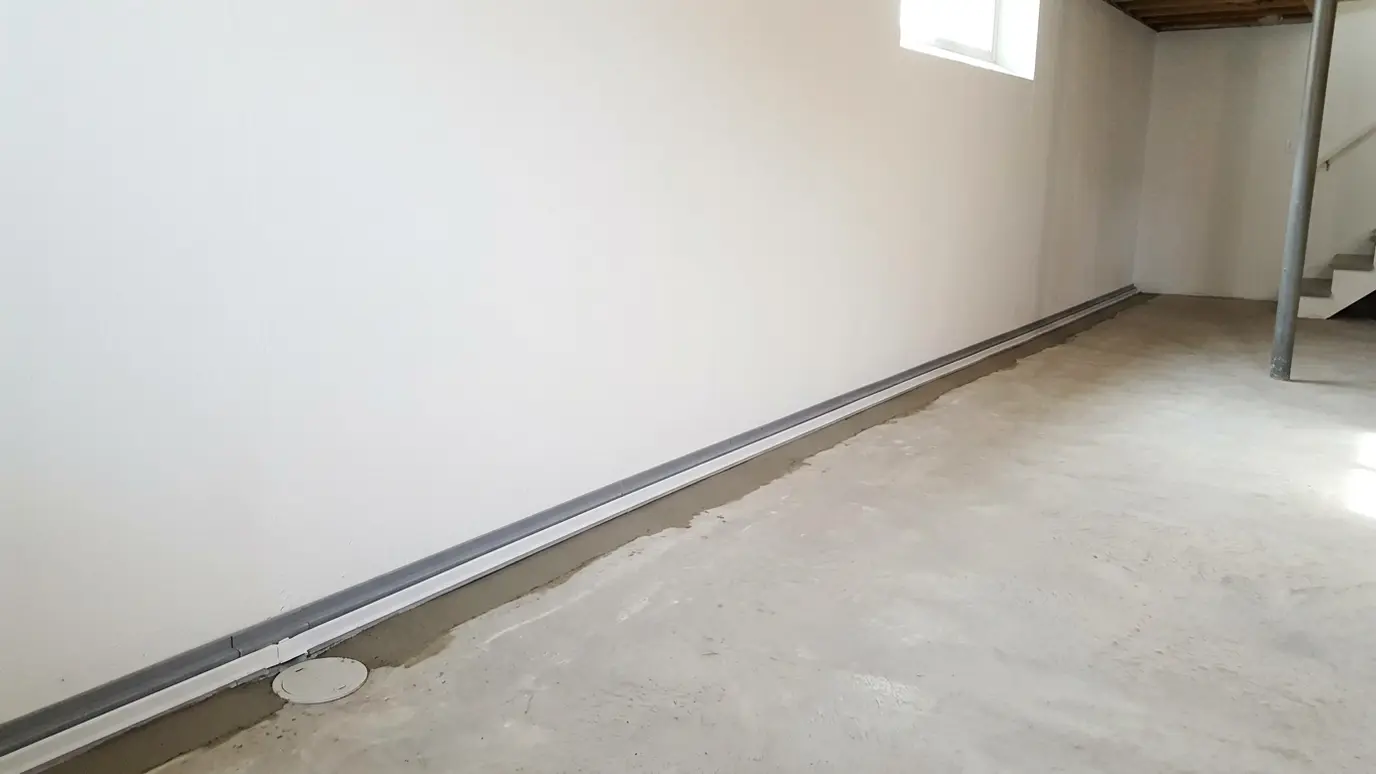 Basement WaterproofingA dry basement comes from a complete plan: manage the water outside, give it a path inside and…Explore
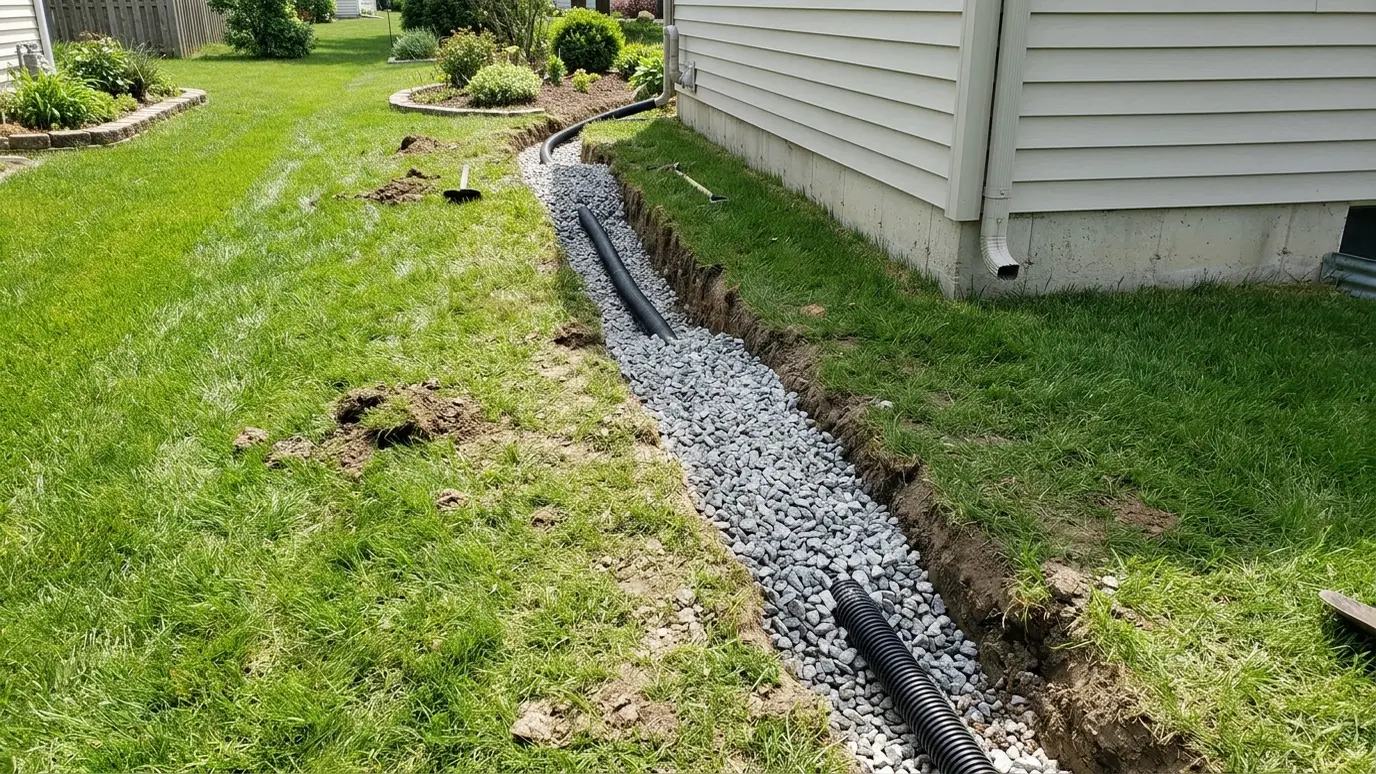 French DrainsA buried perforated pipe in a gravel trench collects ground water and carries it away from the house…Explore
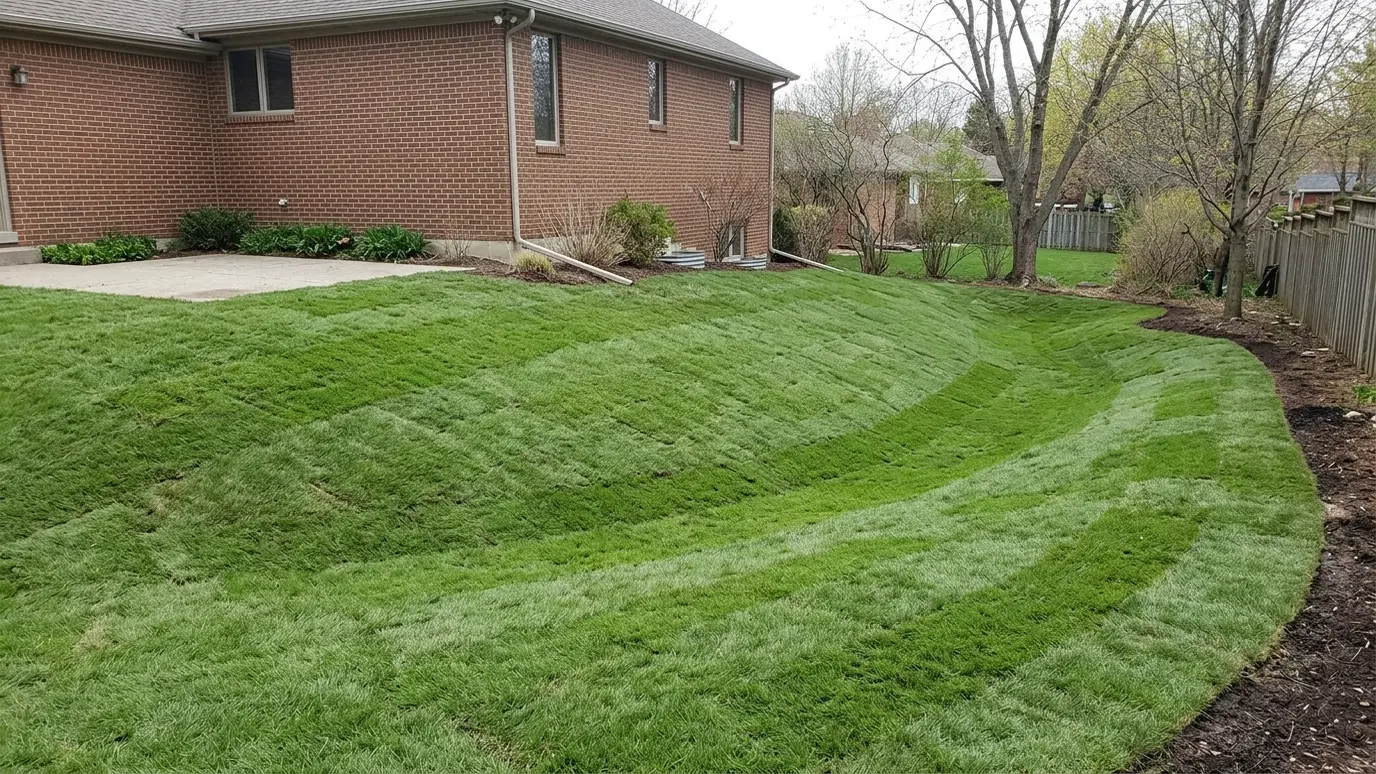 Yard Drainage and GradingSoil that slopes toward the house is the root of many foundation problems. We regrade, add swales and…Explore
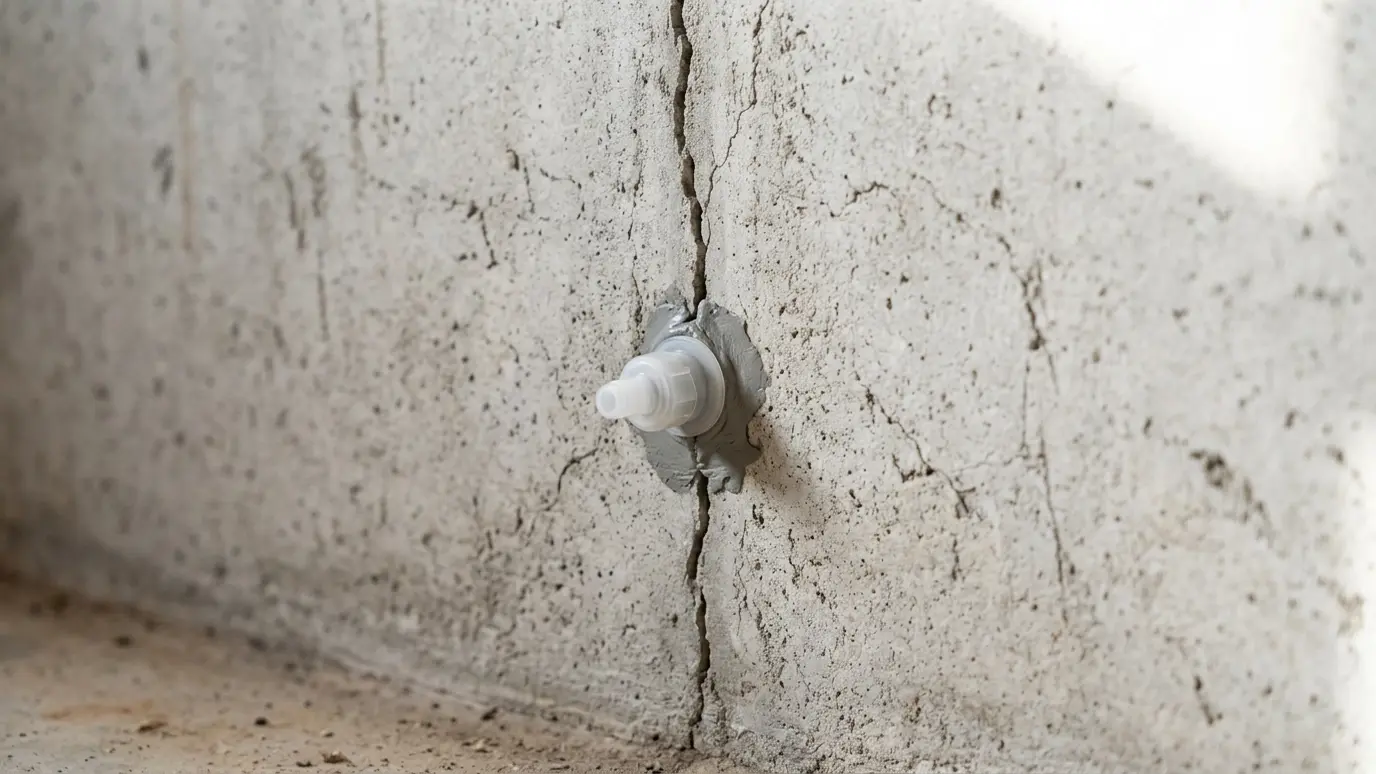 Foundation Crack RepairHairline, vertical, diagonal or stair-step, every crack tells a story. We read it, stop the water and repair…Explore
Tell us about the project and we will call you back to talk it through.
Or call (615) 357-7797 to talk now.