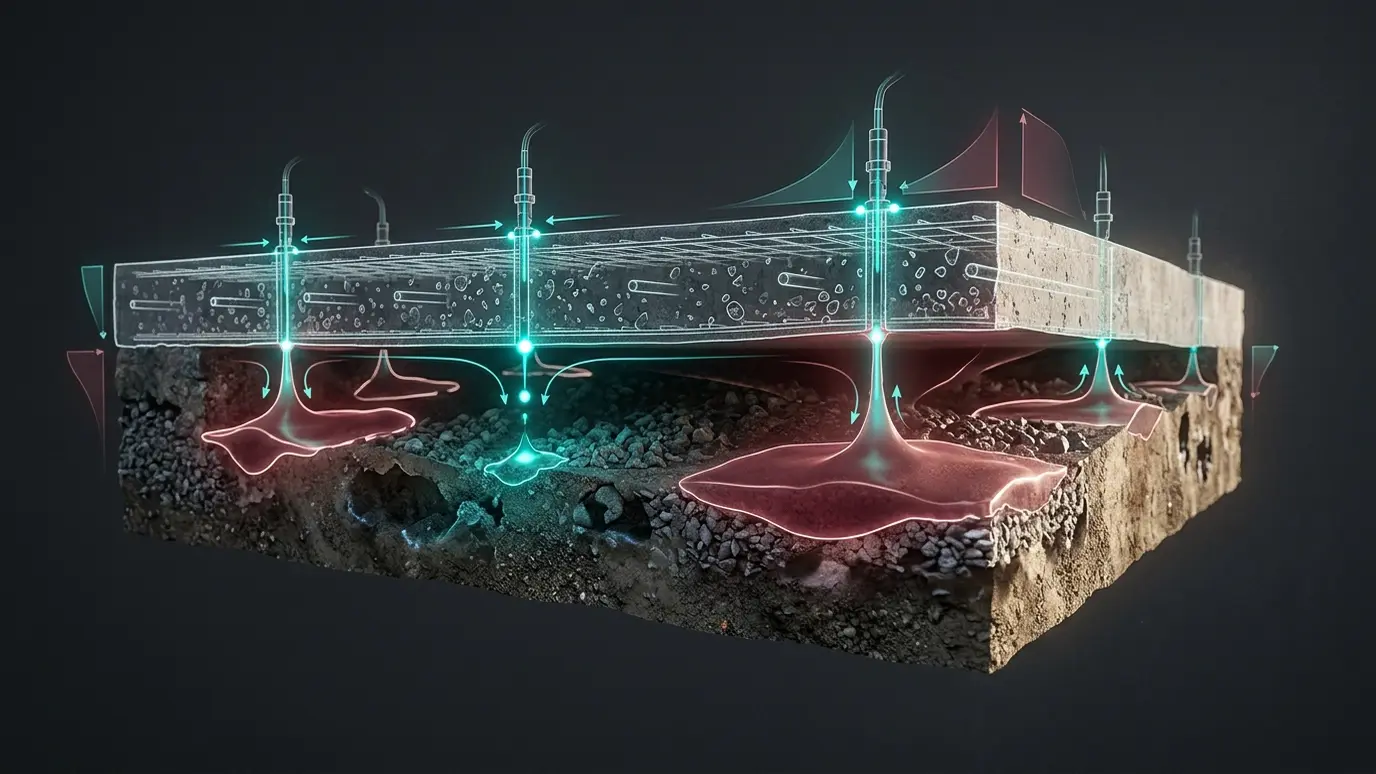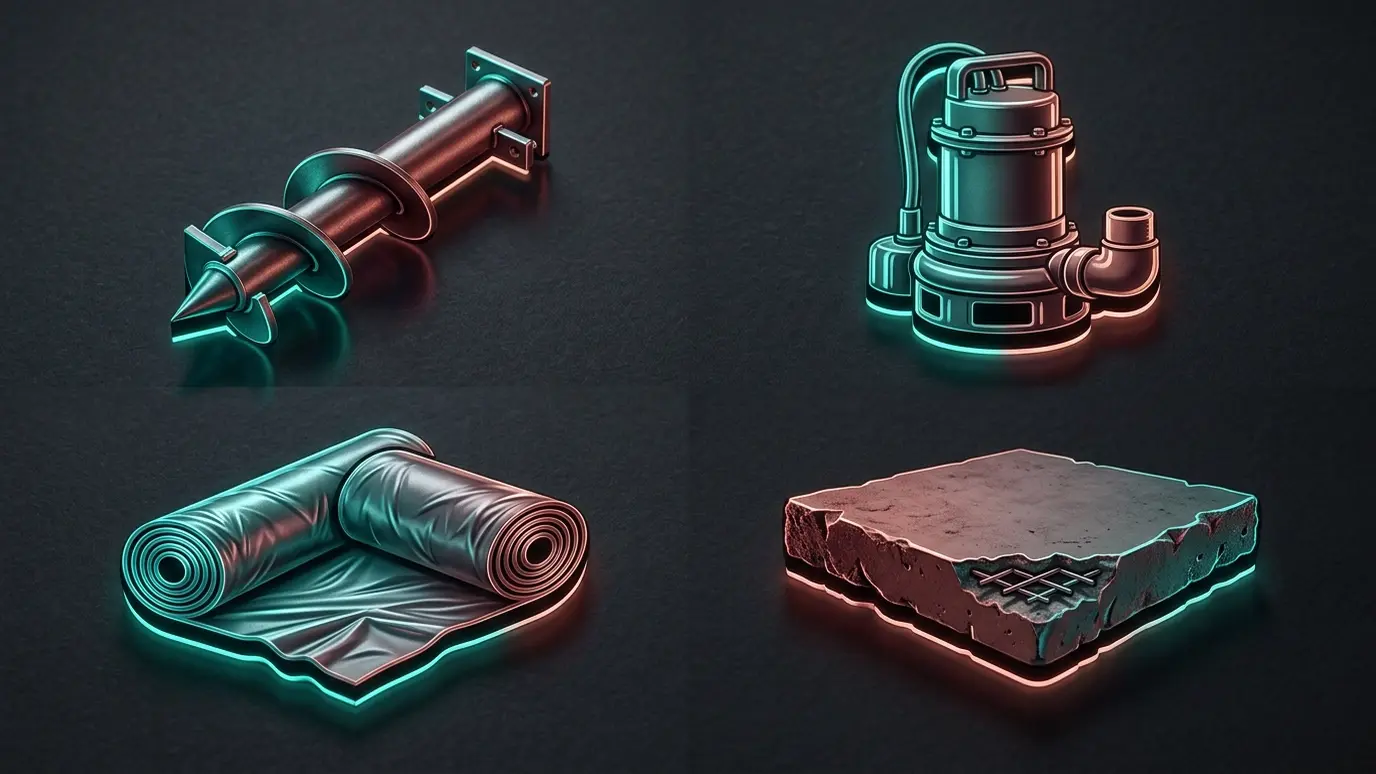
Steel shafts with screw plates are turned into the ground to stable soil, ideal for lighter structures, porches, additions and tight spaces.
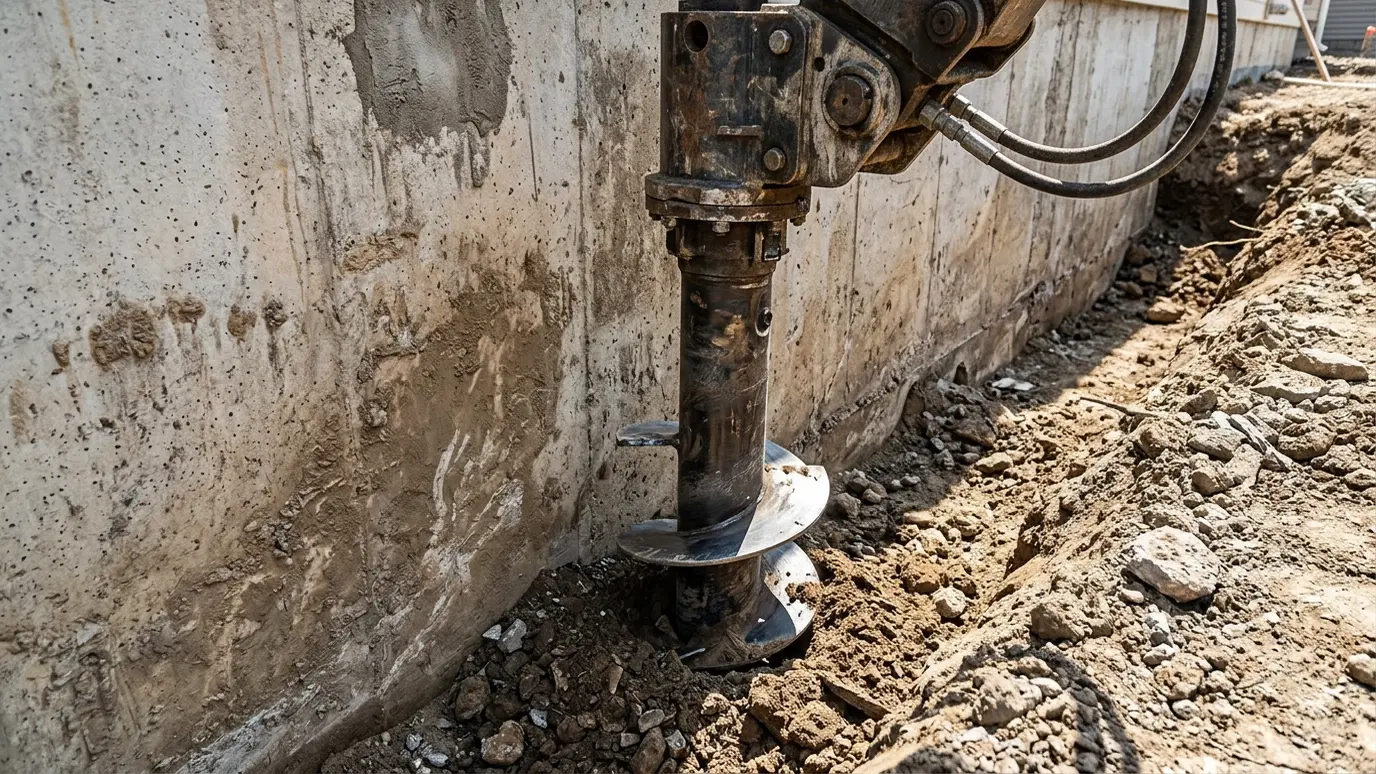
A helical pier looks like a large steel screw. A shaft with one or more helix plates is turned into the soil by a hydraulic motor, and the torque it takes to turn it tells us what the ground can carry. Once the pier reaches soil with enough capacity, a bracket connects it to the footing and the structure rests on steel instead of soft ground.
Helical piers are a favorite for lighter structures such as porches, additions, decks and stoops, and for houses where there is not enough weight to drive a push pier. They also install quickly with small equipment, which helps in tight side yards and crawl-space access. Because installation torque is measured, we have a number that shows each pier has reached good support. We choose the shaft size and plate layout to match the soil and the load.
The hydraulic motor reads how hard the pier is to turn. That reading shows whether it has reached soil that can carry the load.
Porches, additions and frame homes often suit helical piers better than push piers because they do not rely on house weight.
Compact machines or hand-held drives fit in narrow yards and crawl-space openings.
Helical piers can support existing footings and also serve as foundations for new porches, decks and additions.
Drag the handle to compare.
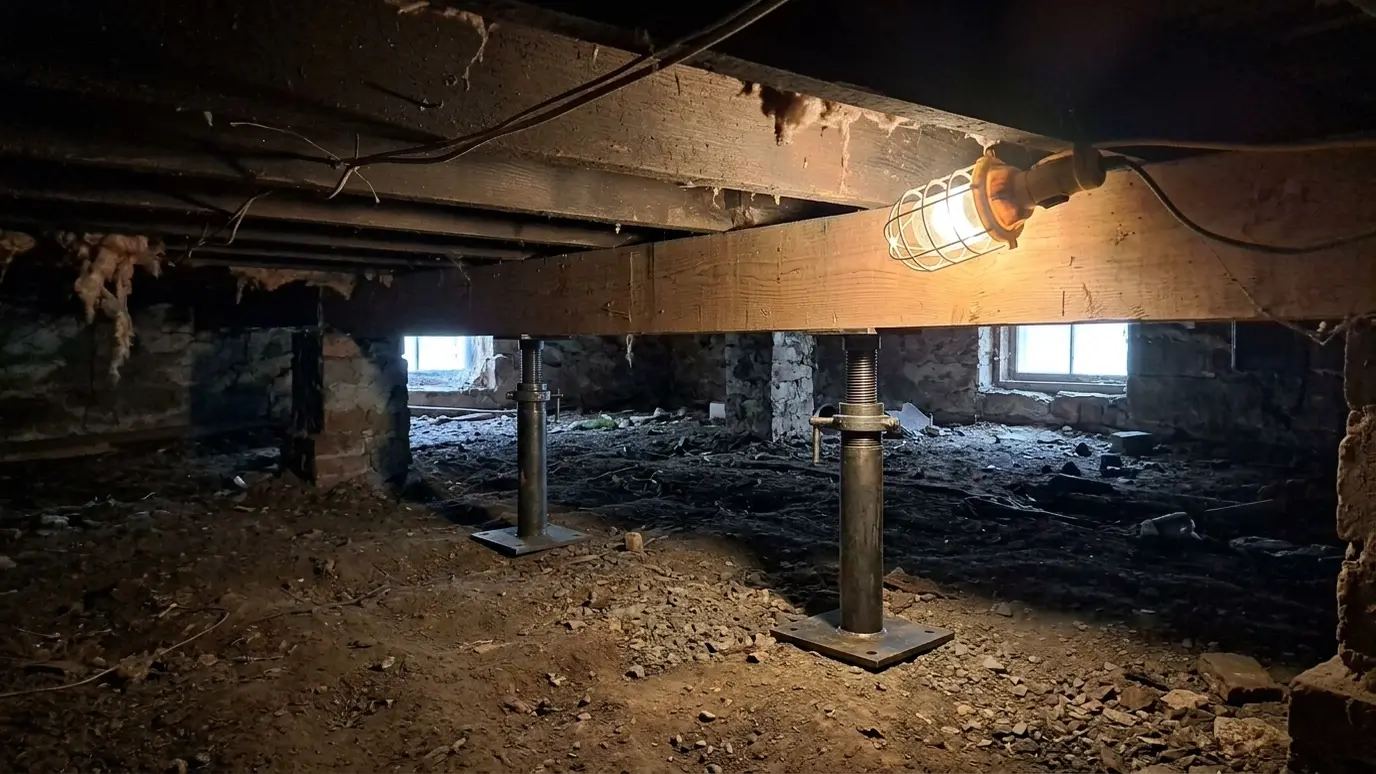
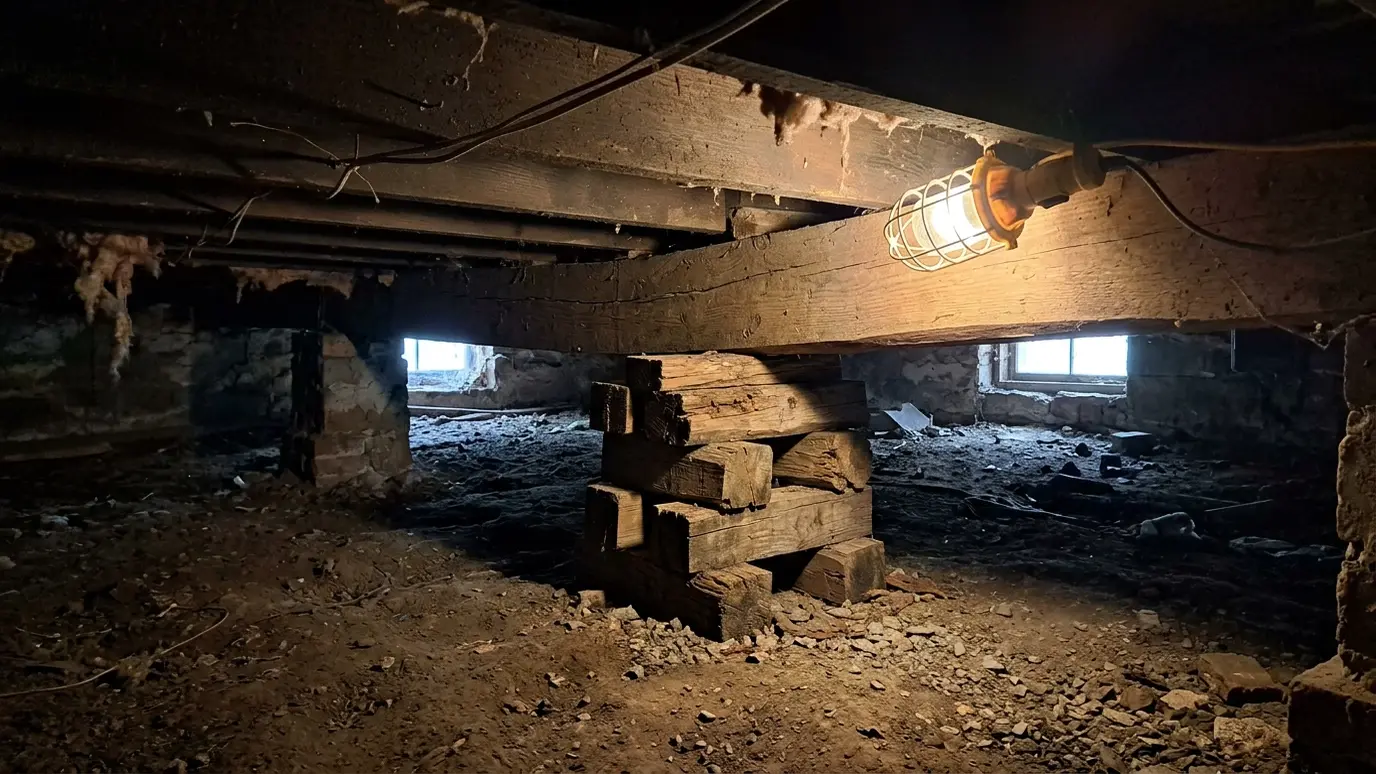 BeforeAfter
Fast and precise.
Proof of capacity.
Porches and additions.
Easy access.
Stable support.
Depth and torque.
Every topic has its own page with what to expect and how we approach it.
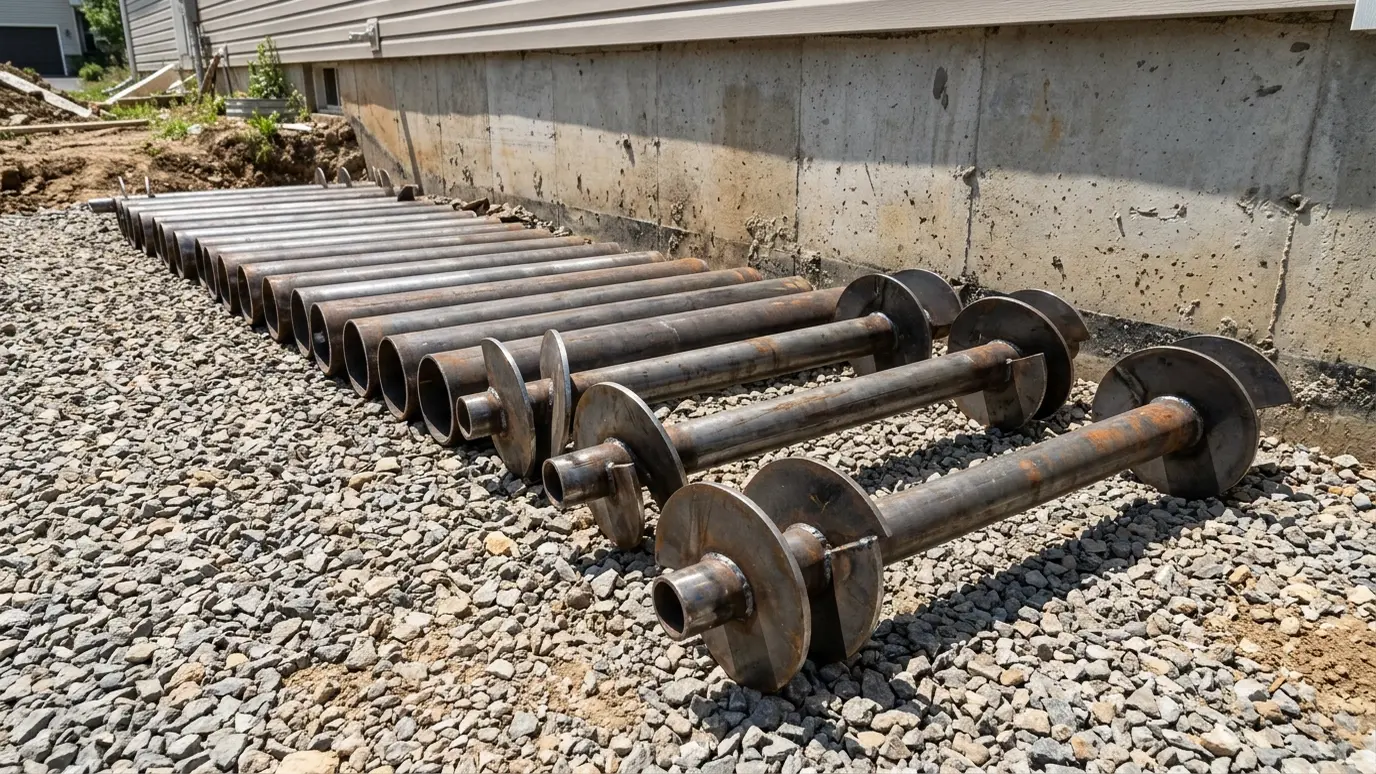 Material guideSteel and Helical PiersSteel piers carry sinking foundations to firm ground. Learn the differences between push piers and helical piers.Learn more
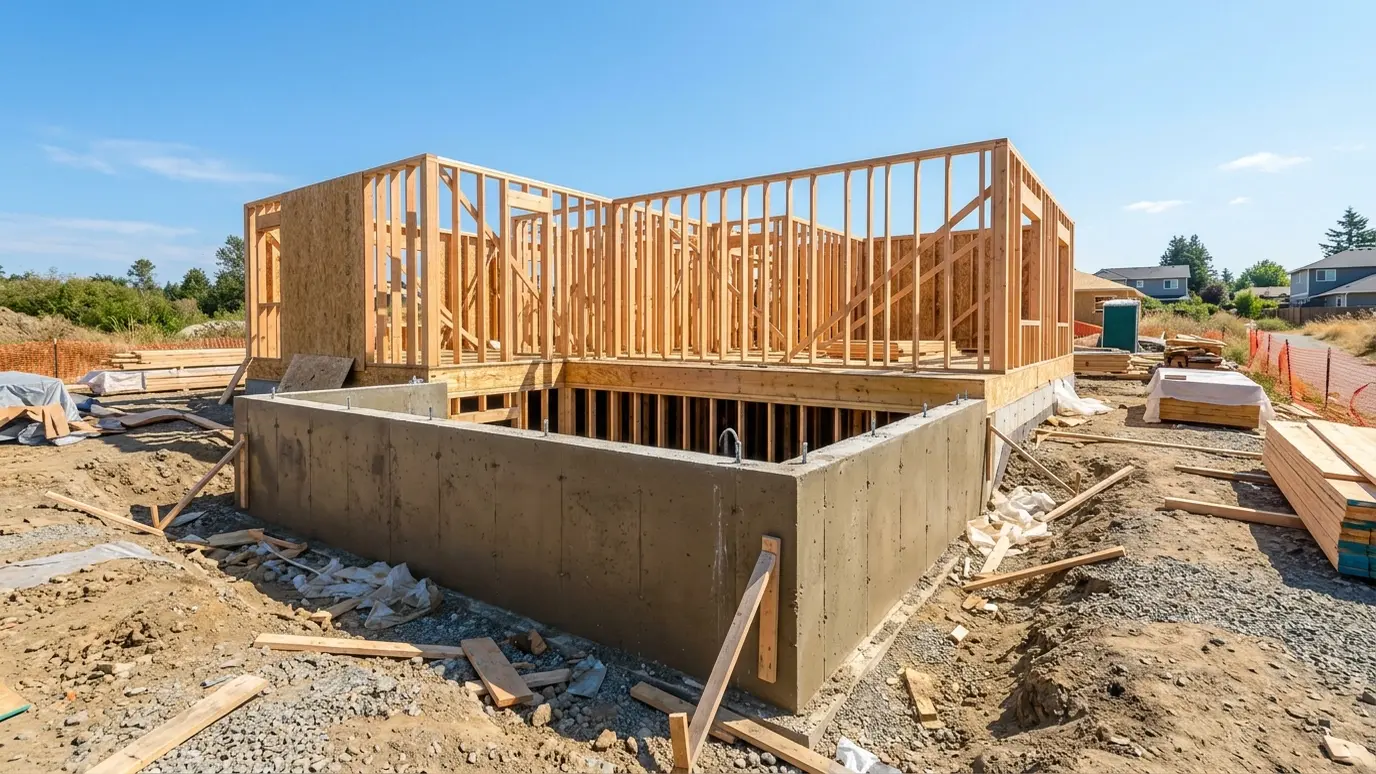 Project situationNew Construction and AdditionsNew homes and additions need footings that match the soil. Here is how we work with builders and…Learn more
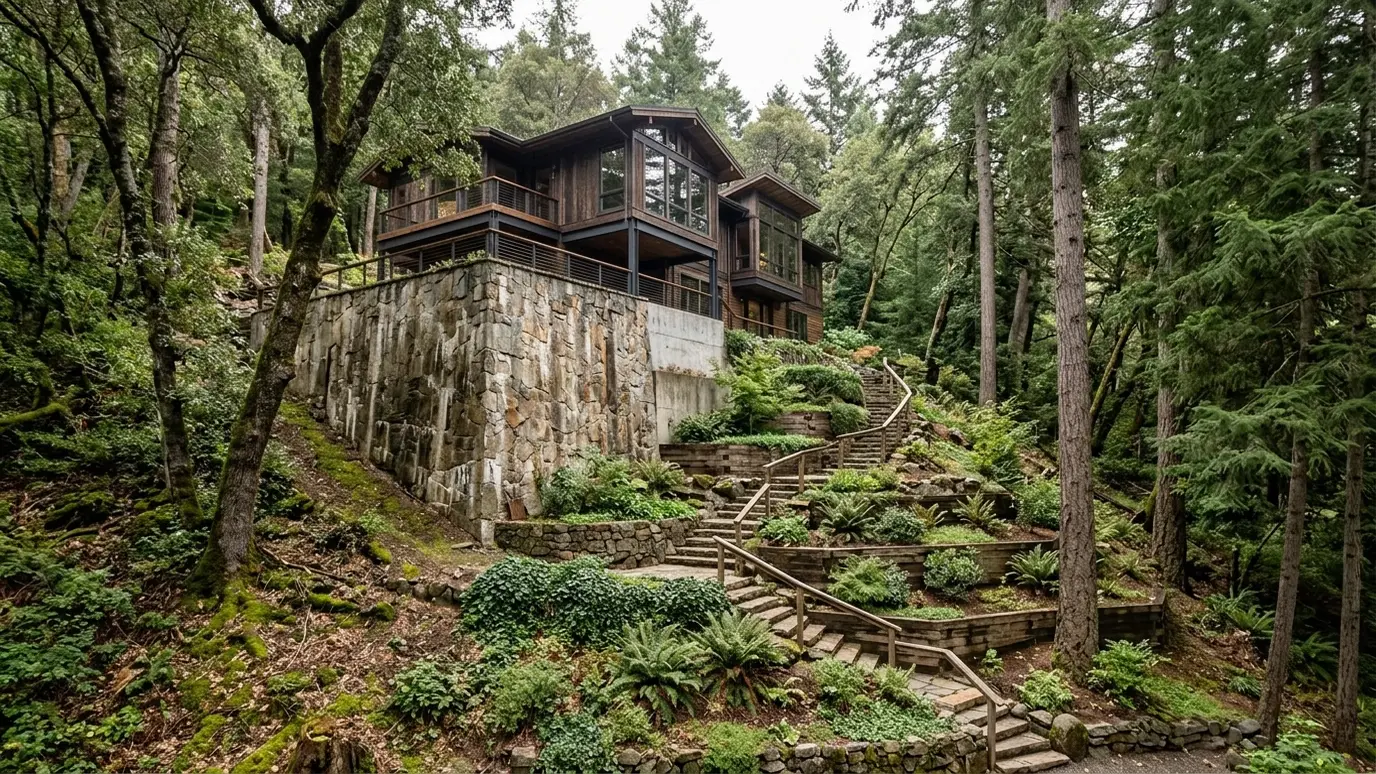 Project situationHillside and Sloped LotsHouses on slopes face soil creep, water runoff and tall walls. Here is how we support them and…Learn more
Pick the crack type, measure its width and tell us if it is changing to see how much attention it may need.
You tell us what you have noticed, a crack, a damp smell, a sloping floor or standing water, and we set a visit that fits your day.
We look closely inside and out, measure floors and cracks, check moisture and drainage and take photos of anything of note.
We explain what is urgent, what can wait and what is optional, and give you a written scope and options.
We lay floor protection, mark utilities, protect landscaping and set up before any digging or drilling begins.
We install, seal, lift or repair with the right tools and materials, checking our work as we go.
We clean up, restore the surface, show you what we did, share care tips and set a reminder for your next check.
They are screwed into the ground instead of pushed, and installation torque shows capacity.
Yes. Porches, decks and additions are classic uses.
No. Small machines fit tight spaces.
Often yes, with brackets that raise the structure where it is safe to do so.
Until the torque reading shows stable soil, which varies from site to site.
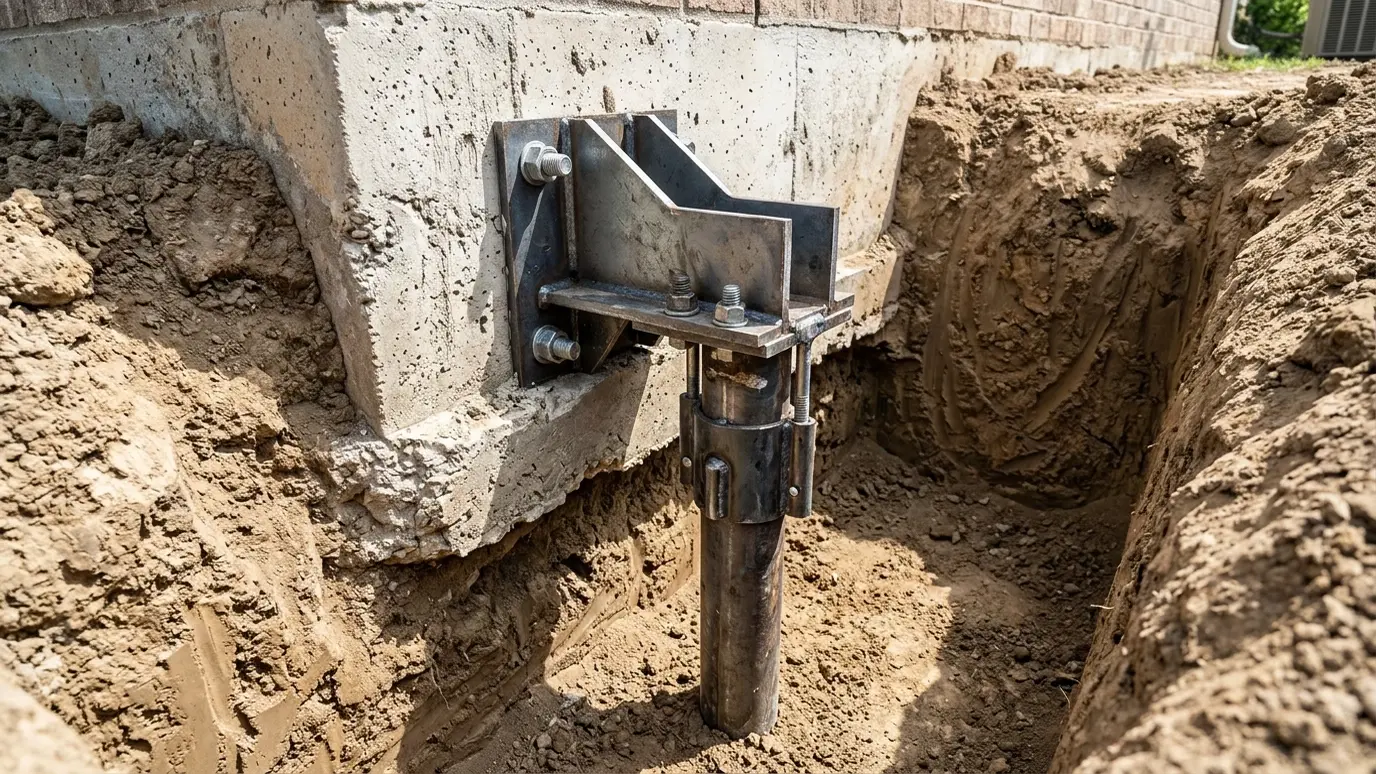 Steel Push PiersSteel piers driven through weak soil to firm ground carry the footing, stop a sinking foundation and can…Explore
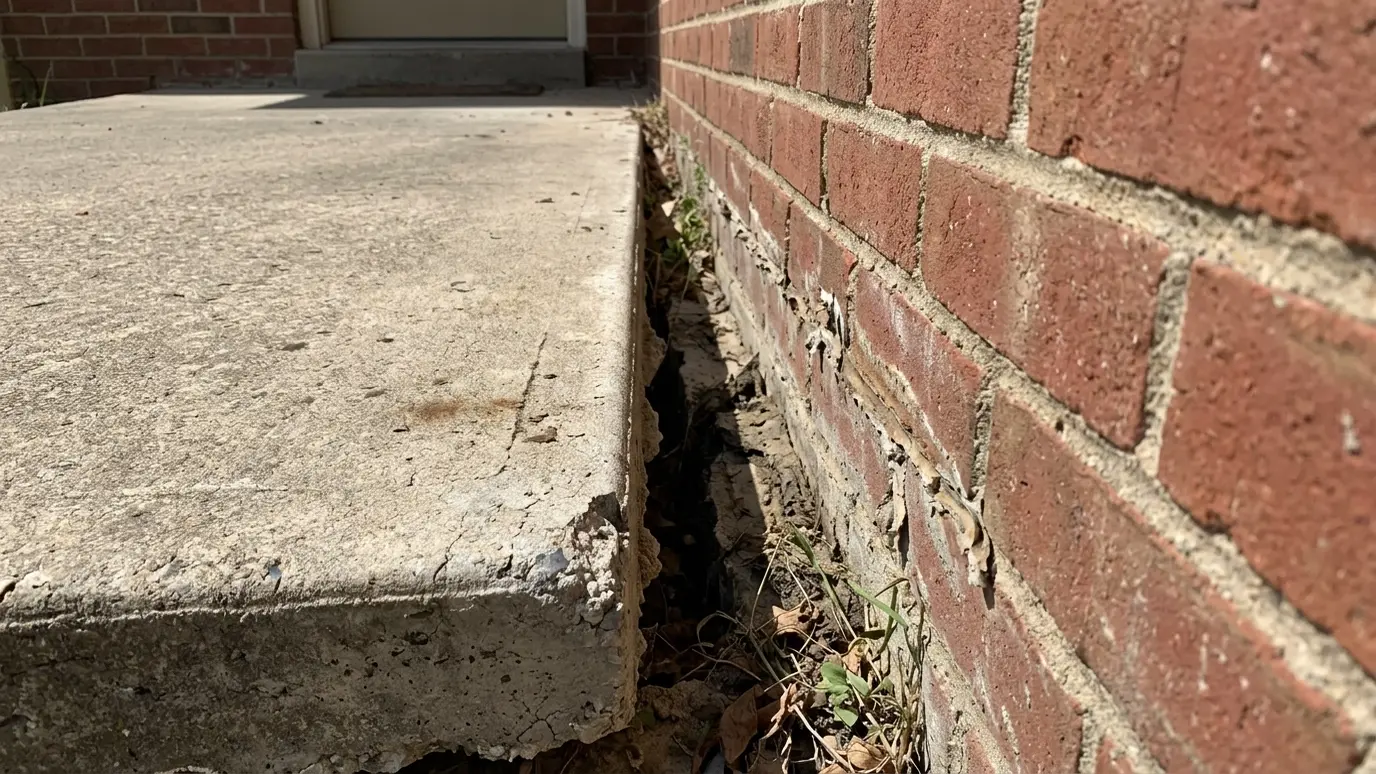 Porch and Garage FoundationsPorches, steps, stoops and garages often sink before the house does. We lift, support and rebuild them so…Explore
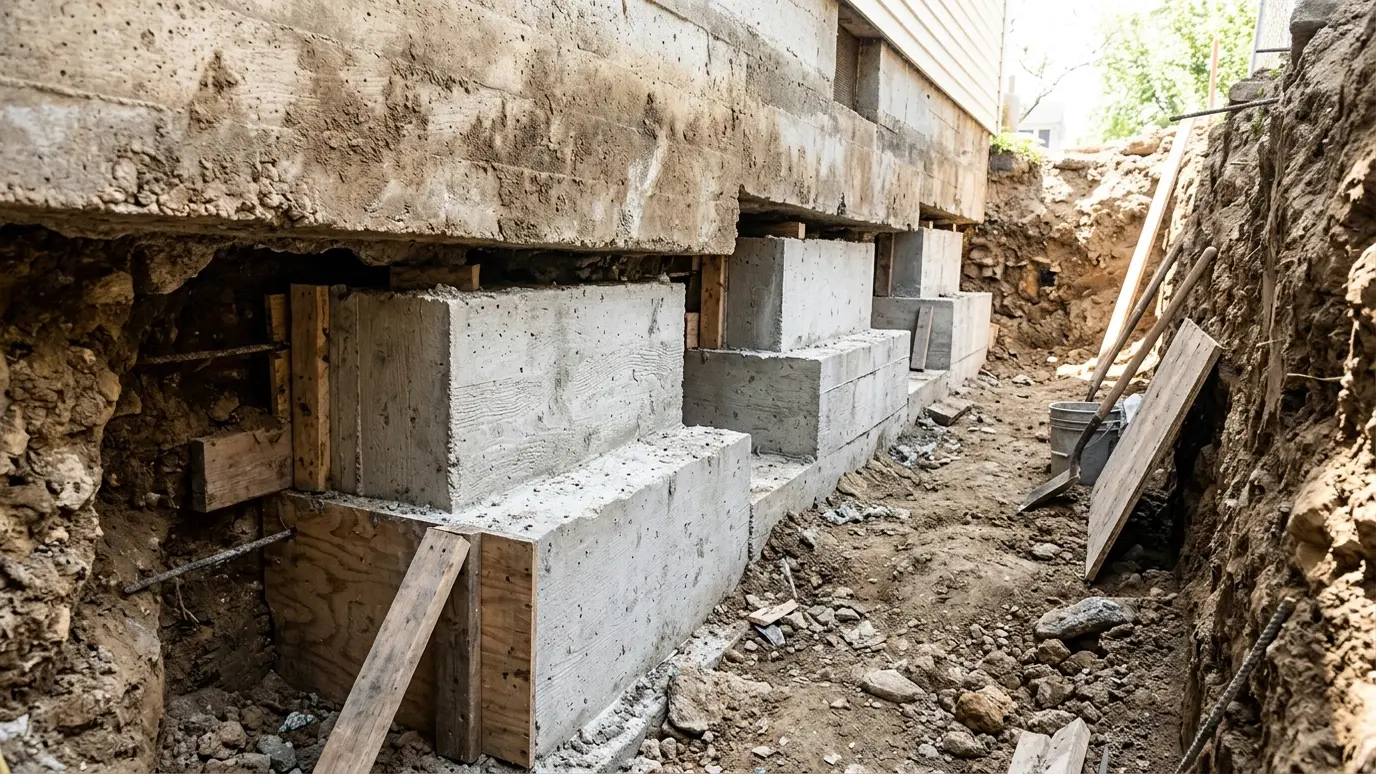 Foundation UnderpinningUnderpinning carries a footing down to stronger soil so a sinking or overloaded foundation can rest on something…Explore
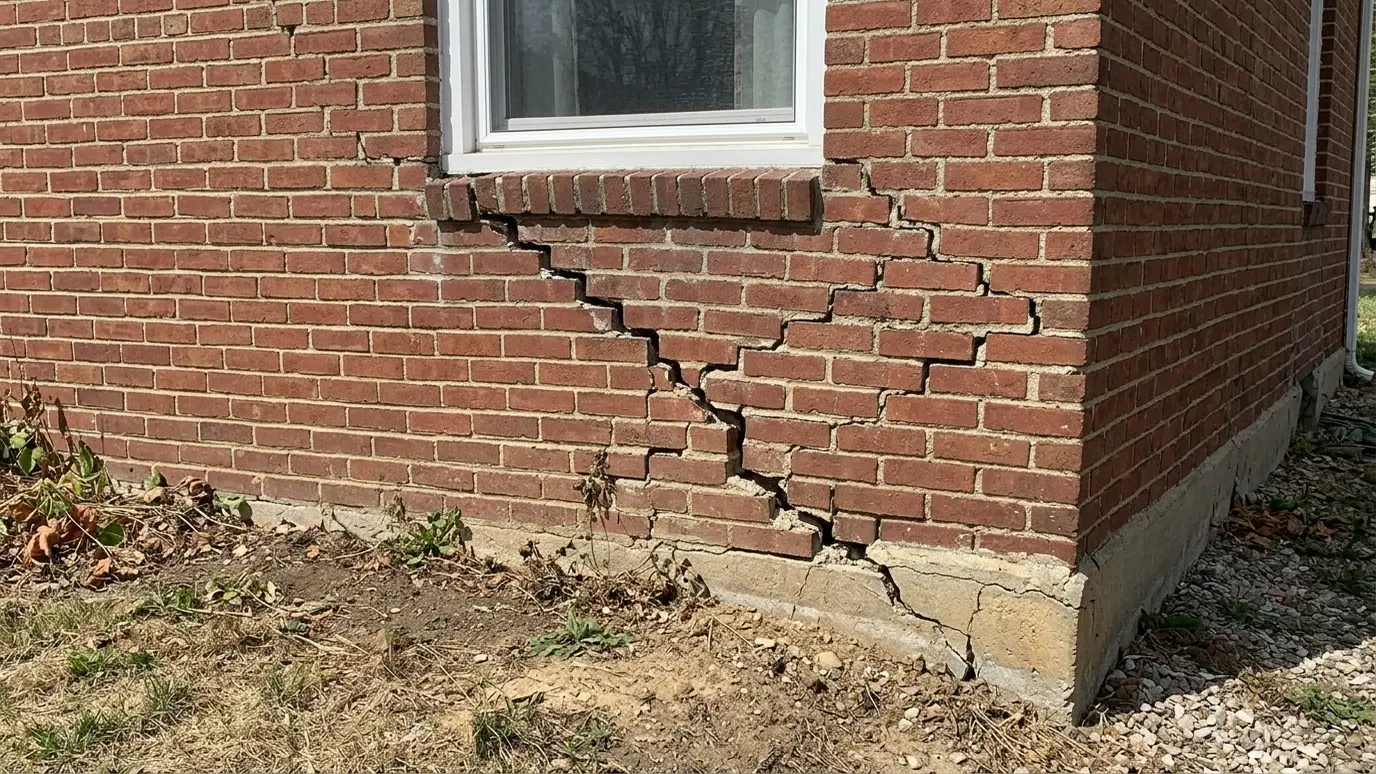 Foundation Settlement RepairSloping floors, sticking doors and cracks above windows can mean a corner is sinking. We find the cause…Explore
Tell us about the project and we will call you back to talk it through.
Or call (615) 357-7797 to talk now.