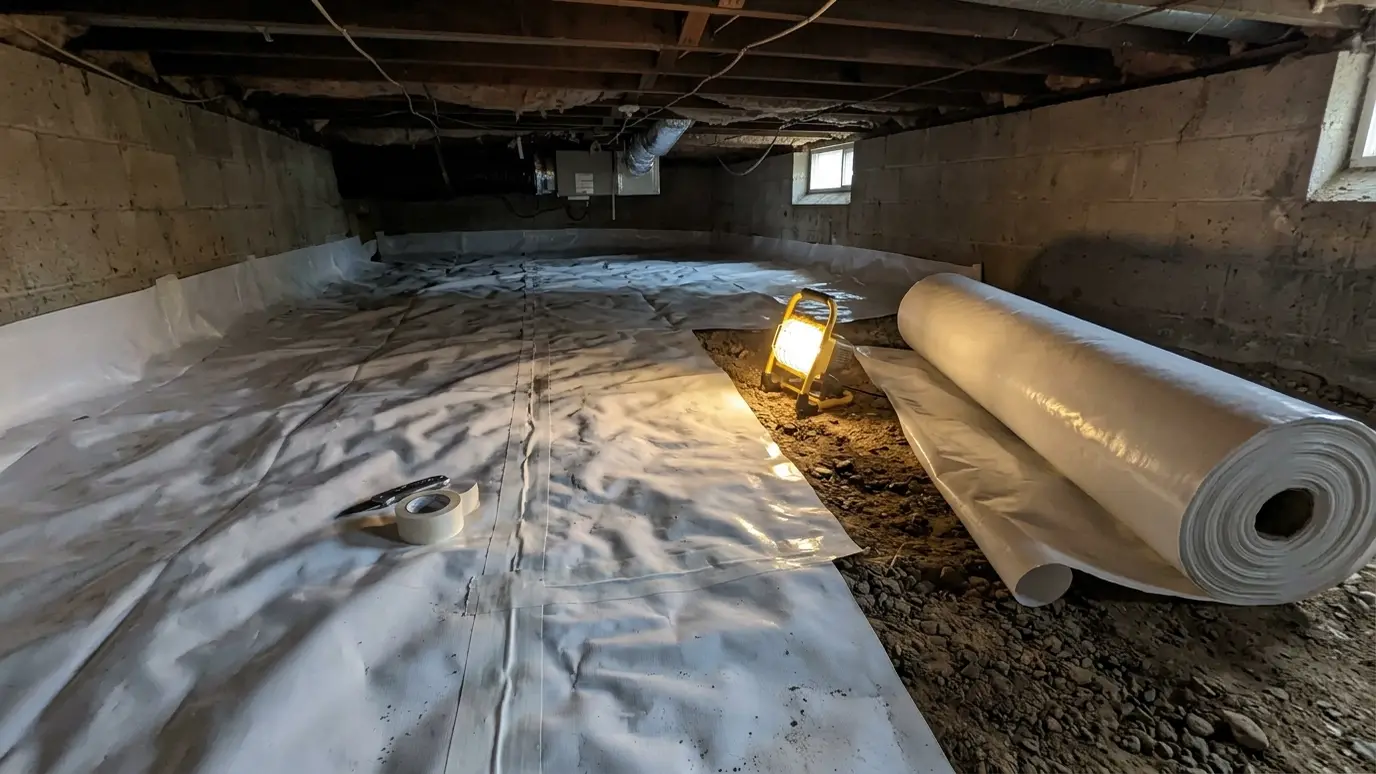
A thick plastic liner on the crawl space floor stops ground moisture from rising into the wood and the air above.
Even dry-looking soil gives off water vapor all year, and in a crawl space that vapor rises straight into the floor framing. A vapor barrier is a sheet of polyethylene that covers the ground and blocks the moisture. It is the simplest and one of the most effective crawl-space improvements, and it is often the first step toward a fully sealed space.
Not all liners are equal. Thin builder plastic tears and goes missing in a few years. We use thick, reinforced material, overlap the seams and seal them with tape, fasten the sheet to the walls and piers and cut it carefully around posts and pipes. We also prepare the ground first, removing debris and sharp stones so the liner does not puncture. A properly installed barrier can serve for many years.
Heavy material resists tears and foot traffic and holds up for years, unlike thin builder plastic.
Seams overlap and are taped so vapor has no path through, and the edges are fastened to the walls and piers.
We trim around posts, pipes and piers and seal those edges, so there are few gaps.
A vapor barrier pairs well with drainage, sealed vents and a dehumidifier for complete moisture control.
Drag the handle to compare.
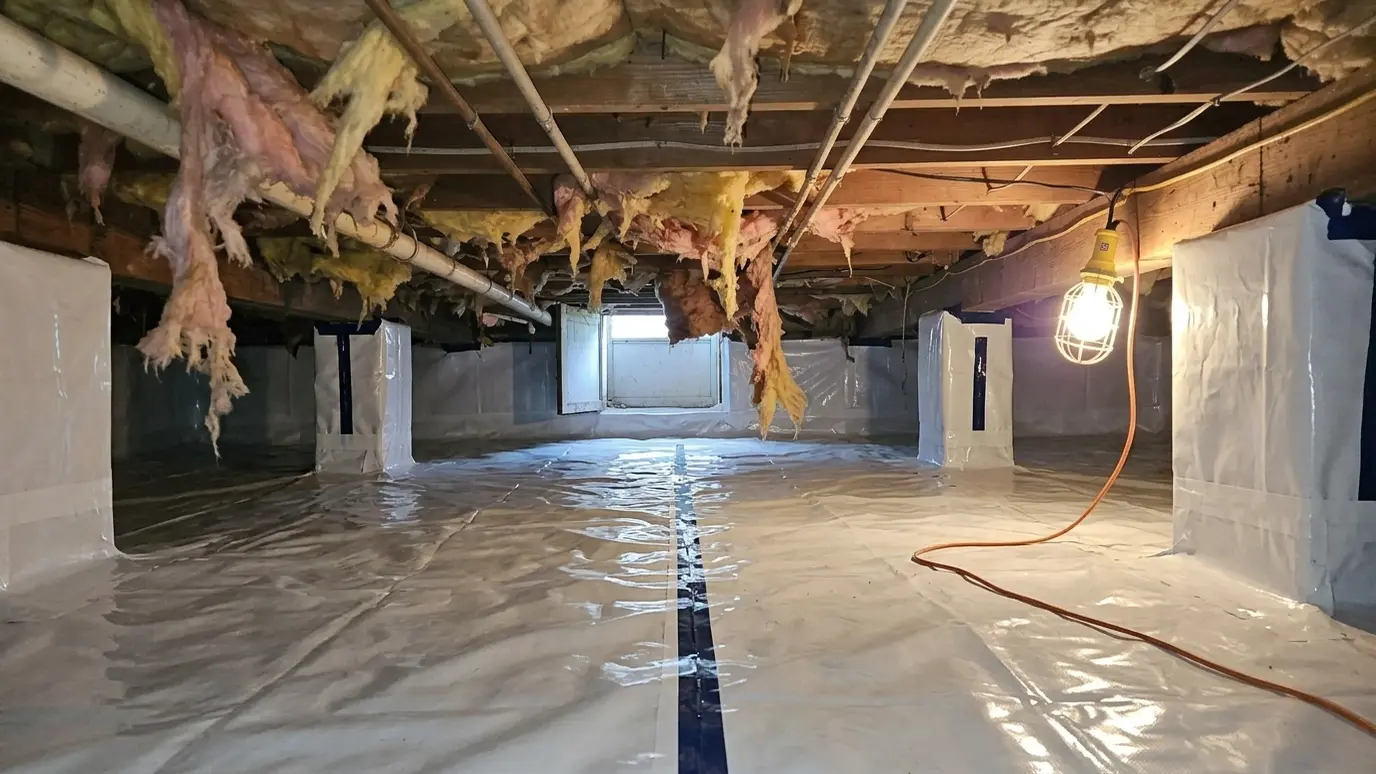
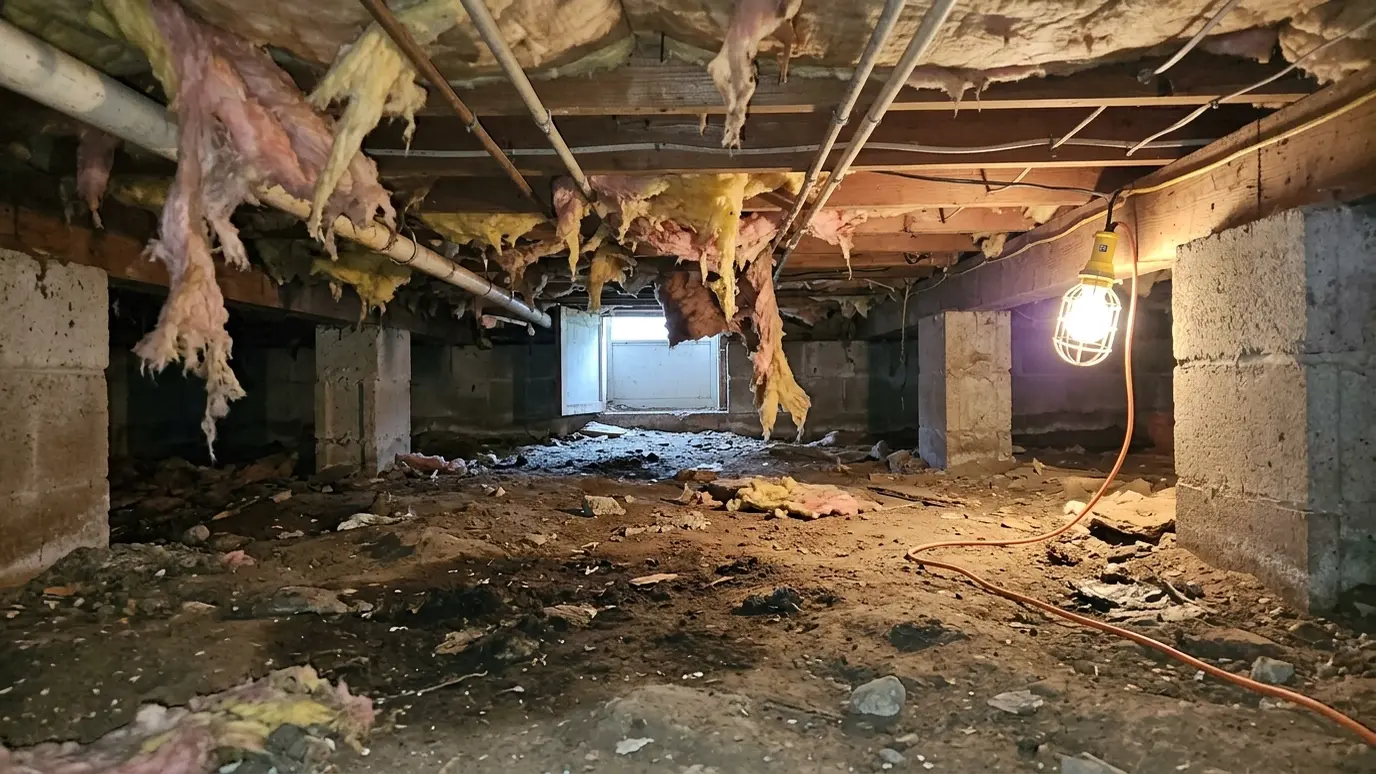 BeforeAfter
Resists tears.
Protects wood.
Continuous barrier.
Around posts and pipes.
Often one day.
Upgrade later.
Every topic has its own page with what to expect and how we approach it.
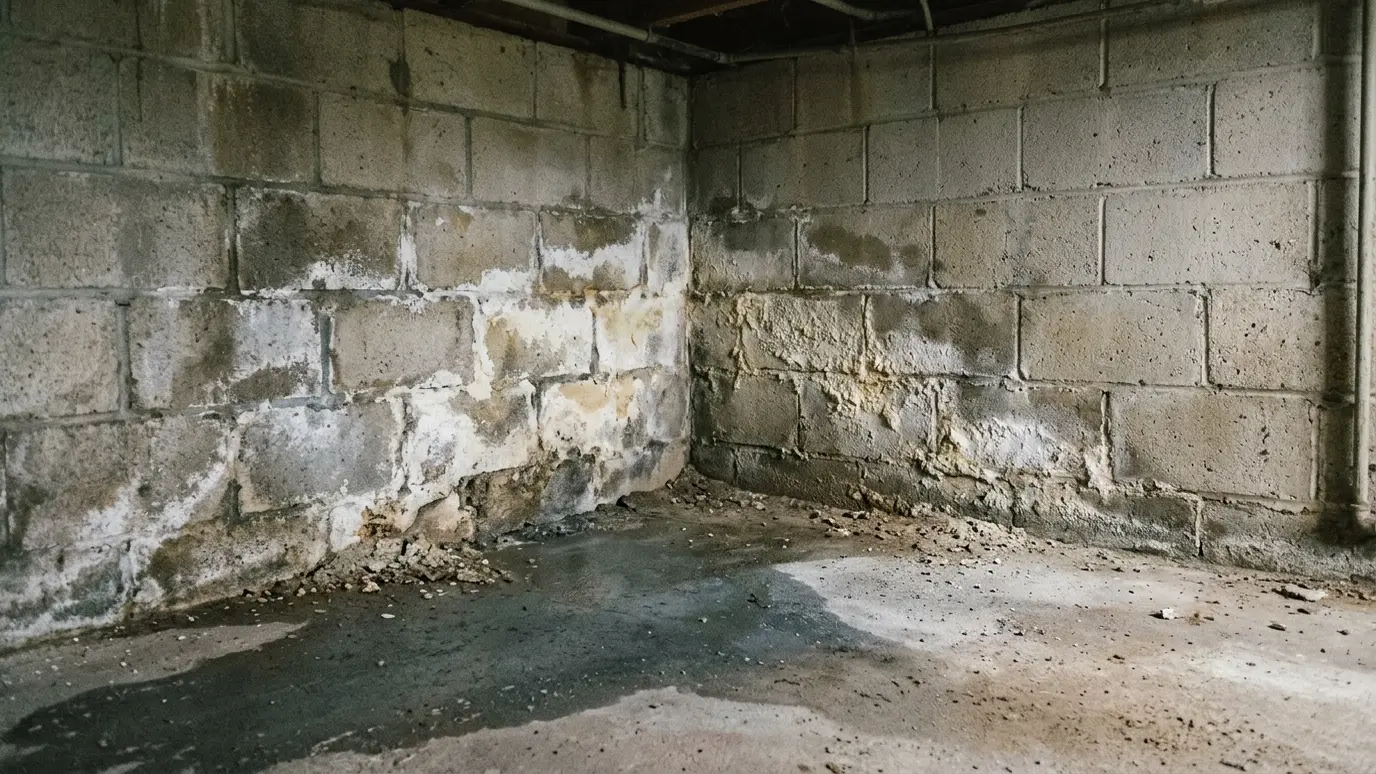 Project situationMusty Basements and Crawl SpacesA damp, earthy smell is a sign of moisture below. Fix the source and the whole house smells…Learn more
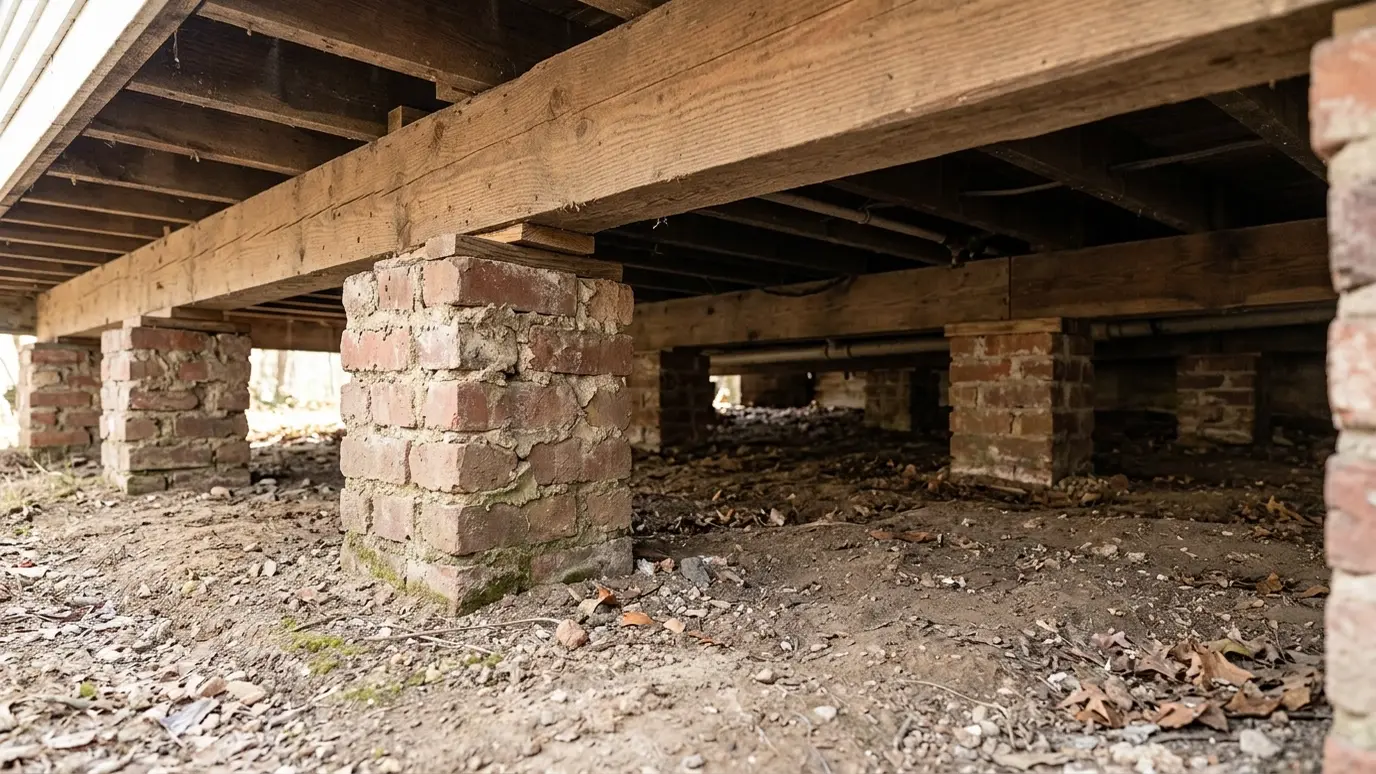 Material guidePier and Beam FoundationsA pier and beam foundation lifts the house above the ground on posts. Learn how they work and…Learn more
 Project situationOlder and Historic HomesCentury-old foundations have stone, soft brick and lime mortar. They need a gentle hand and the right repairs.Learn more
Enter the air temperature and humidity to see the dew point, the mold risk and the dehumidifier size to plan for.
You tell us what you have noticed, a crack, a damp smell, a sloping floor or standing water, and we set a visit that fits your day.
We look closely inside and out, measure floors and cracks, check moisture and drainage and take photos of anything of note.
We explain what is urgent, what can wait and what is optional, and give you a written scope and options.
We lay floor protection, mark utilities, protect landscaping and set up before any digging or drilling begins.
We install, seal, lift or repair with the right tools and materials, checking our work as we go.
We clean up, restore the surface, show you what we did, share care tips and set a reminder for your next check.
It blocks water vapor from the ground so it cannot rise into the floor framing and air.
Usually not. Thin sheets tear and shift. Thick reinforced liner lasts much longer.
A vapor barrier covers the floor. Encapsulation seals floor, walls and vents and controls humidity.
Light foot traffic is fine, and heavy traffic areas can get extra protection.
A typical crawl space is done in a day.
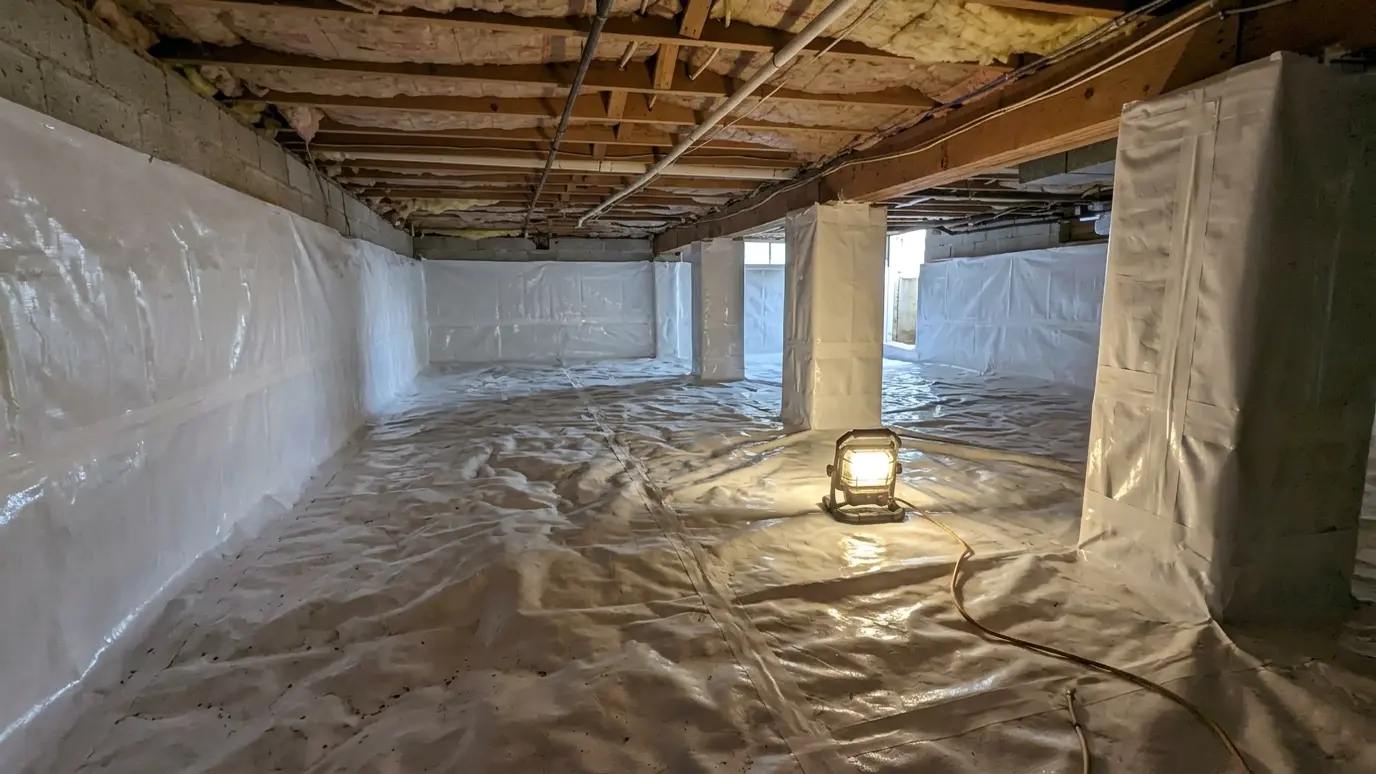 Crawl Space EncapsulationA sealed, conditioned crawl space with a heavy liner on the floor and walls keeps moisture out of…Explore
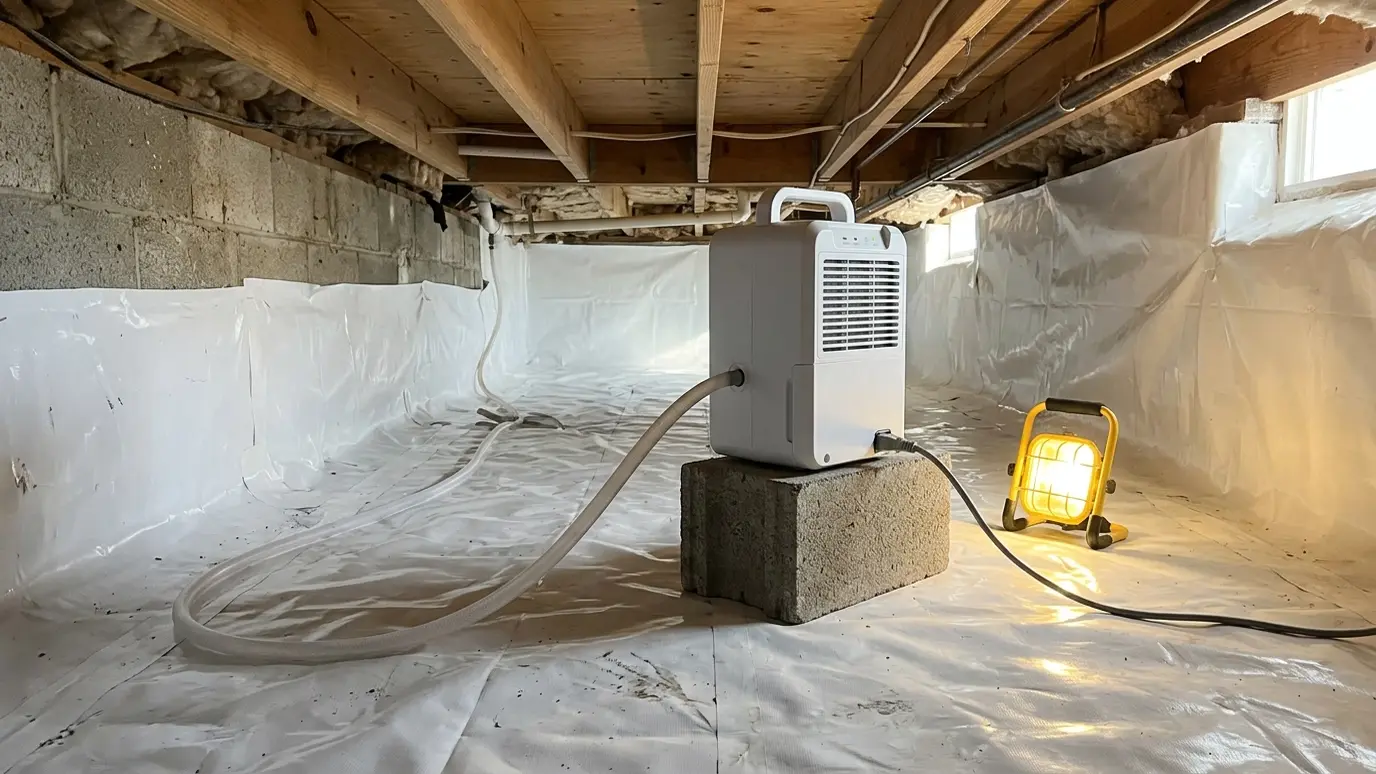 Crawl Space DehumidifiersA dehumidifier made for crawl spaces holds humidity at a safe level, protecting wood, insulation and the air…Explore
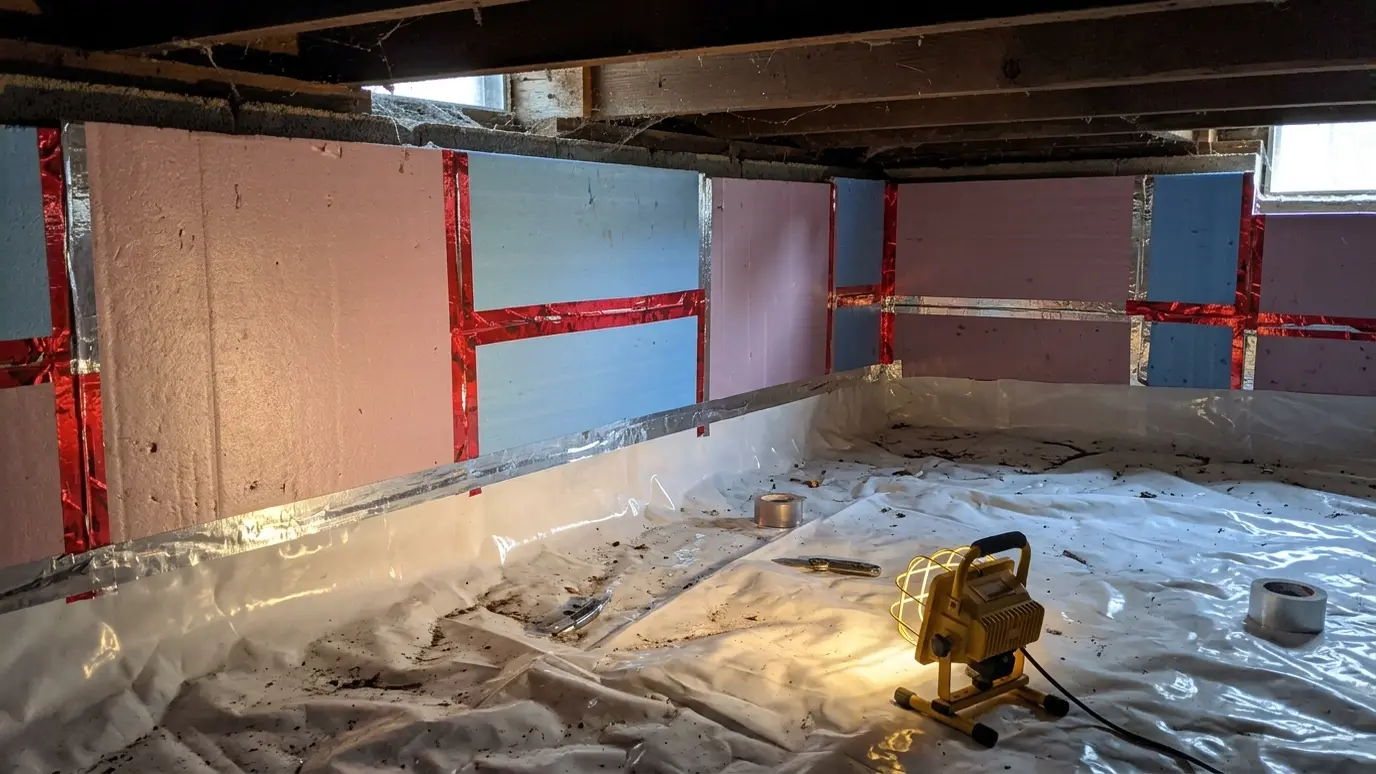 Crawl Space InsulationInsulating the walls or the floor above makes floors warmer and the whole house more comfortable and less…Explore
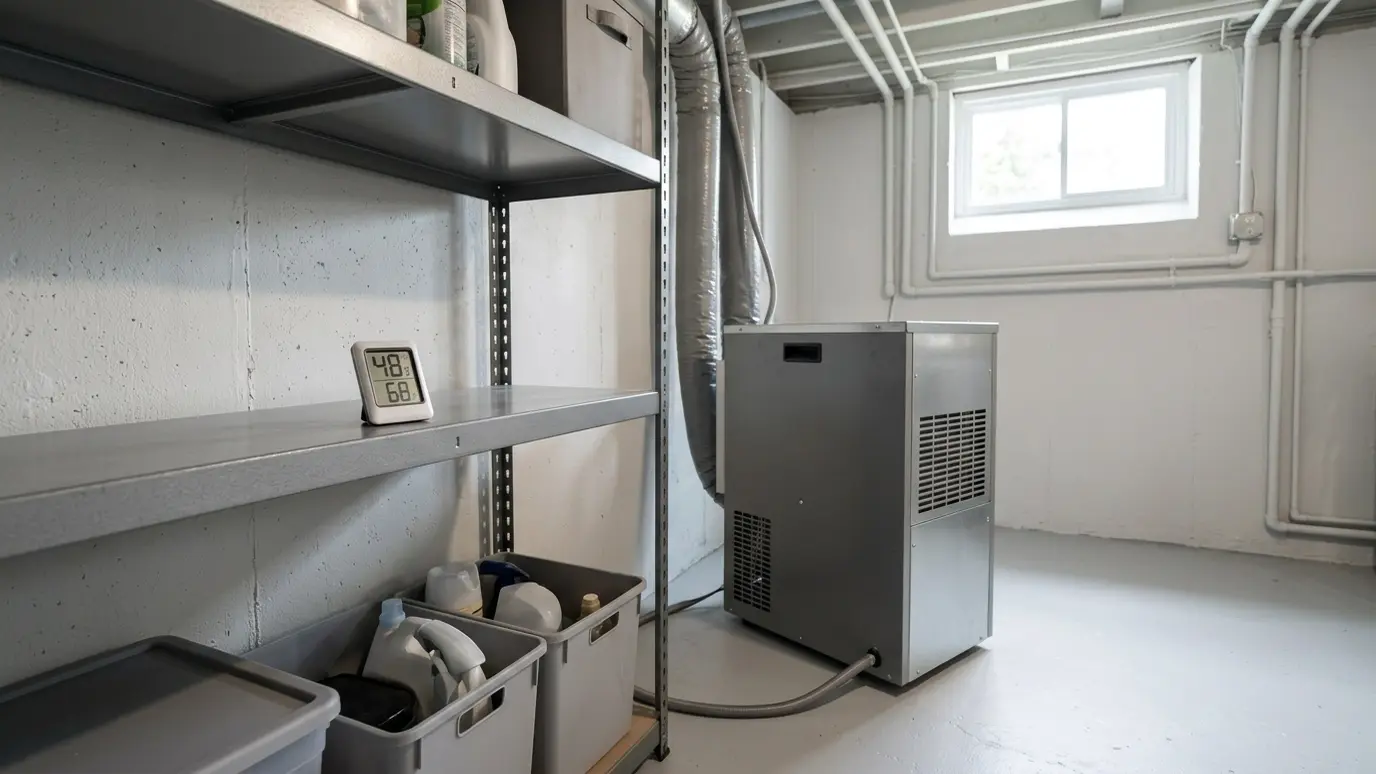 Humidity and Moisture ControlDry air, dry wood and a dry foundation: the systems that keep humidity in a safe range in…Explore
Tell us about the project and we will call you back to talk it through.
Or call (615) 357-7797 to talk now.