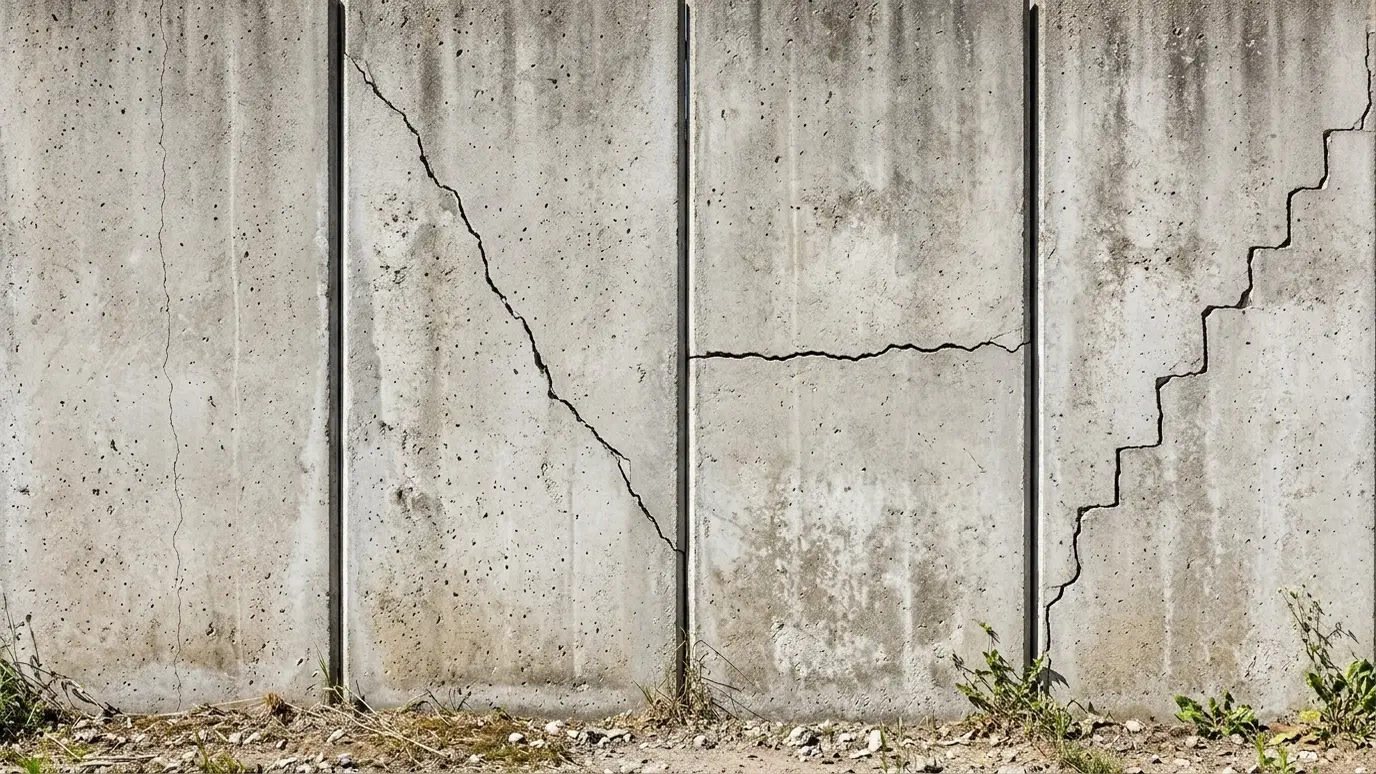
Hairline cracks
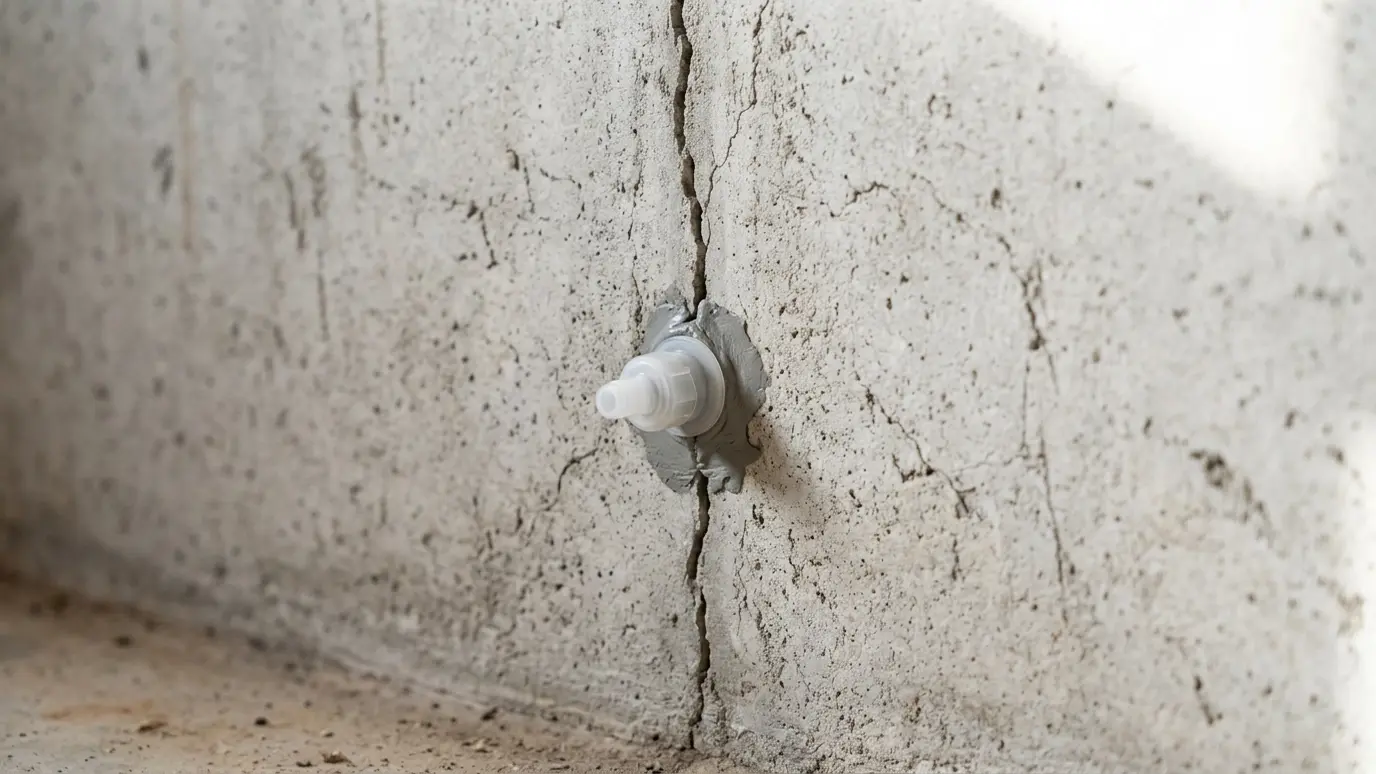
Very thin cracks, often vertical, appear as concrete cures and shrinks. They are common and rarely structural.
They can still leak, and a simple injection seals them.
Vertical cracks
Cracks that run straight up and down are often shrinkage or minor settlement. Look at whether the two sides are level with each other.
If one side has shifted outward, the crack is more than shrinkage.
Diagonal cracks
Cracks that run at an angle, often from a corner, can mean differential settlement, where one part of the foundation sinks more than another.
They deserve measurement and a look at the soil and drainage.
Horizontal cracks
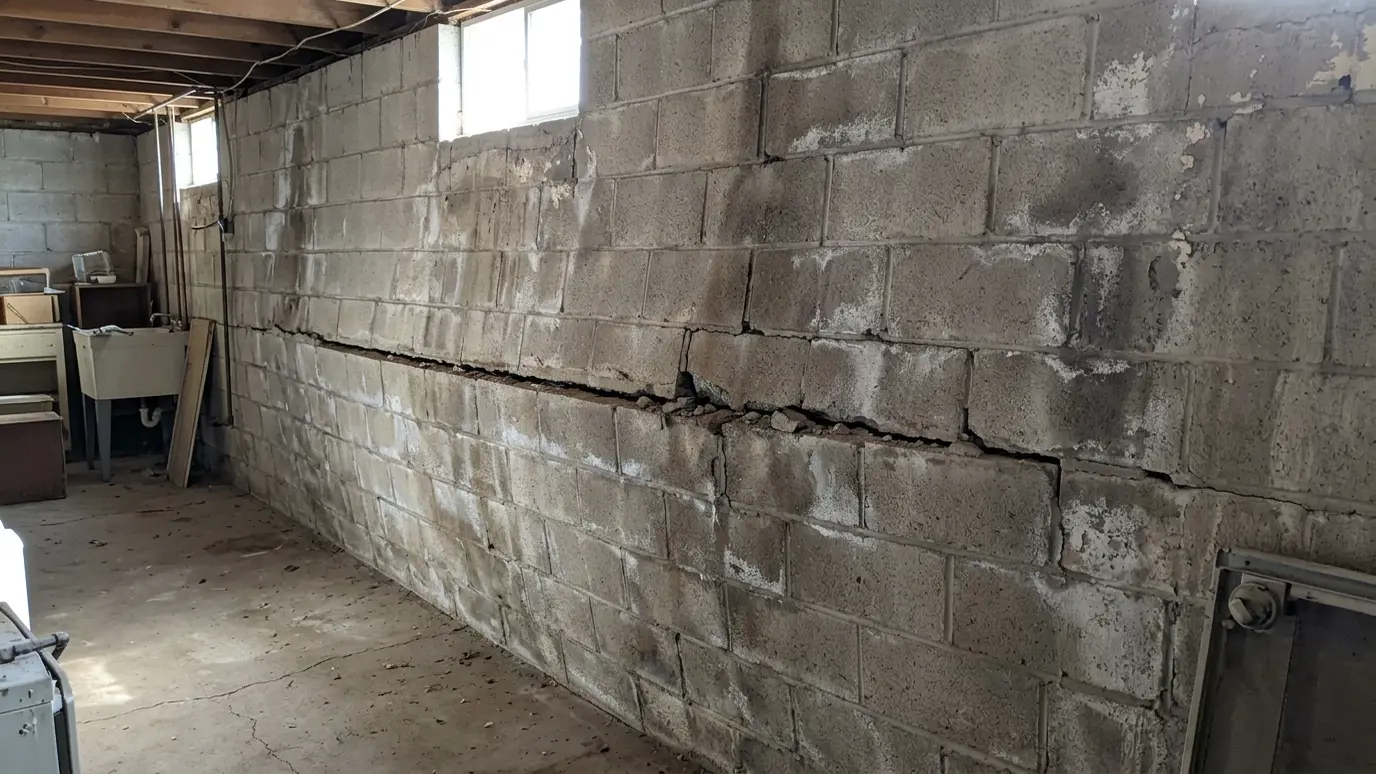
Horizontal cracks, especially near the middle of a basement wall, are a sign of soil pressure pushing inward.
They are among the more serious types and usually need bracing.
Stair-step cracks
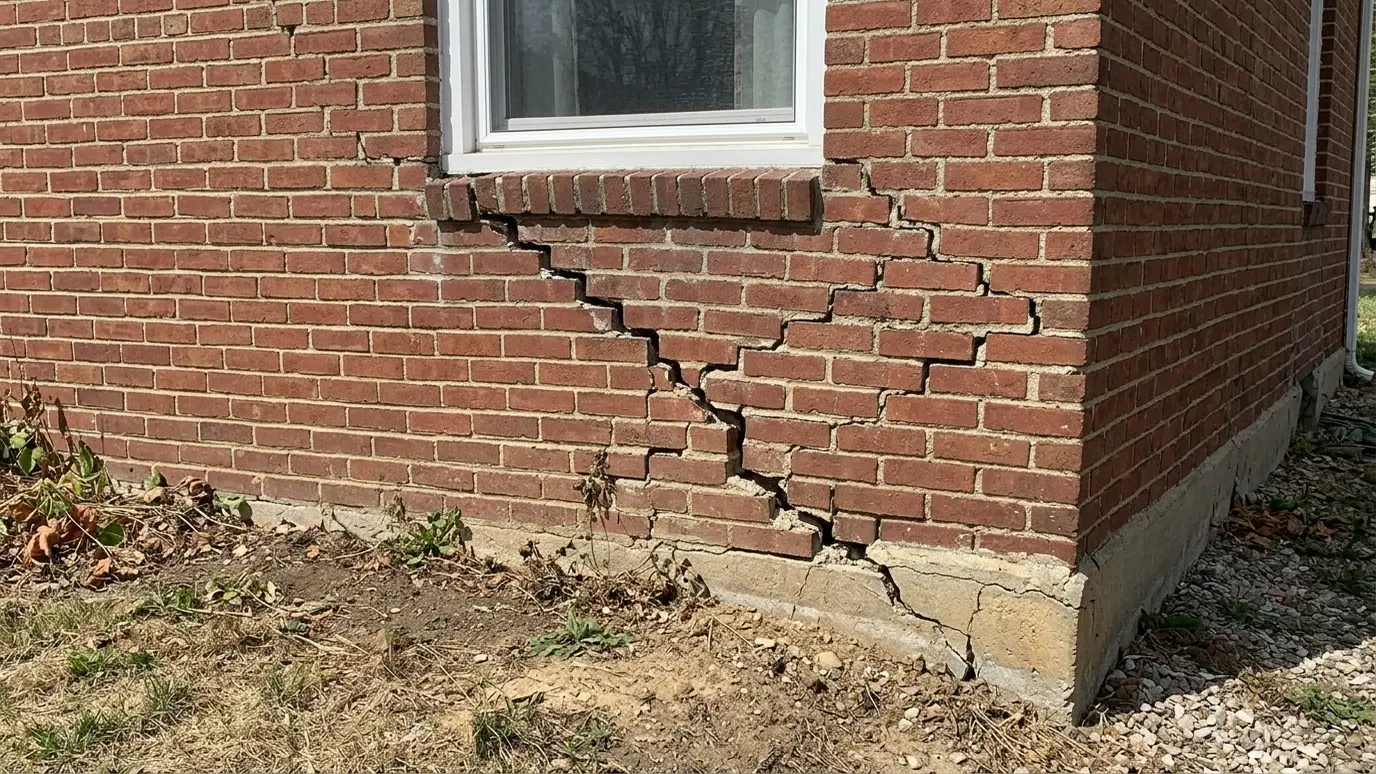
In block or brick, cracks that follow the mortar joints in a stair-step pattern often show settlement or movement.
The direction of the steps tells us which side has dropped.
Tracking a crack
A pencil mark at each end, a date and a width measurement let you see whether a crack is growing. A crack gauge makes it exact.
Repeat the measurement every few weeks through a wet and a dry period.
Do not judge a crack by its looks alone: measure it, mark it, watch it and ask what is pushing or sinking the wall.