Concrete block and stem walls can crack, bow and crumble. We repair the wall, rebuild failed sections and support it against the soil.
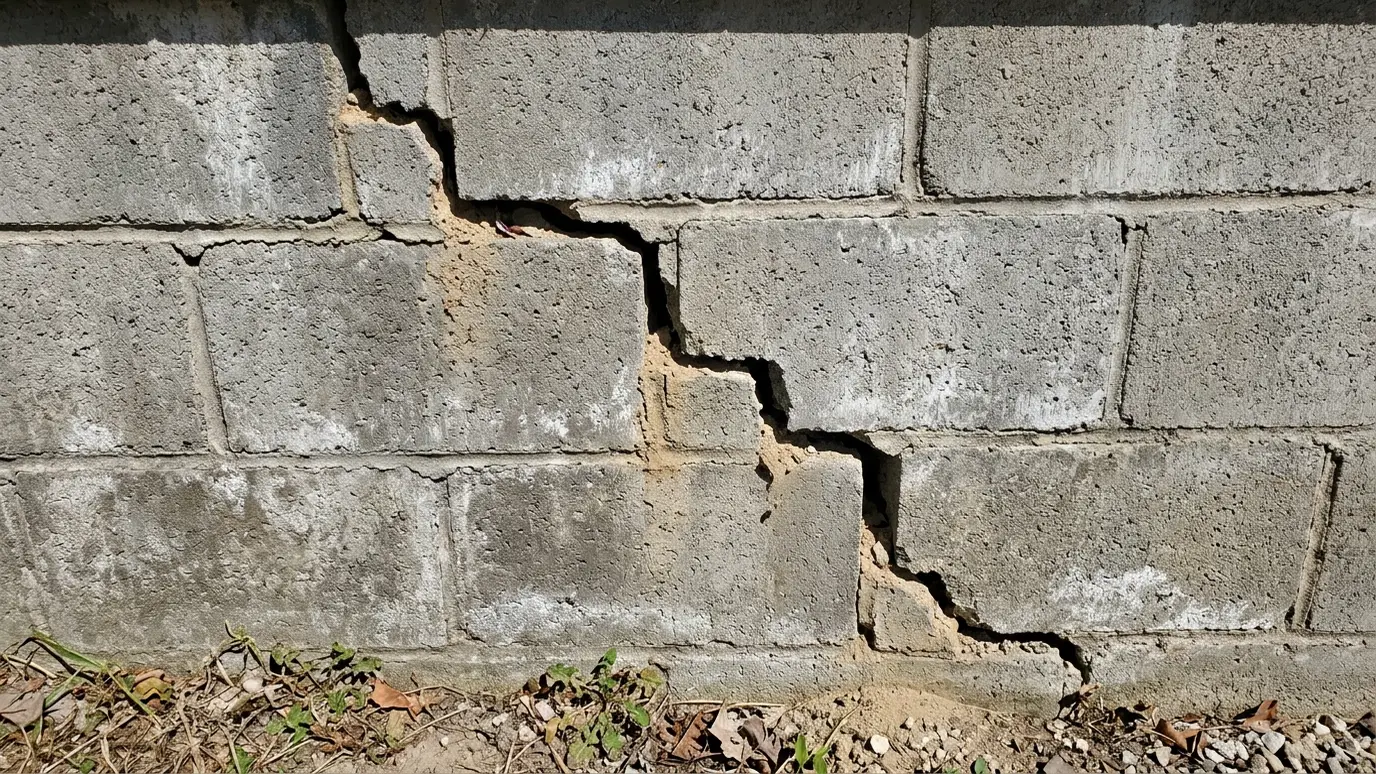
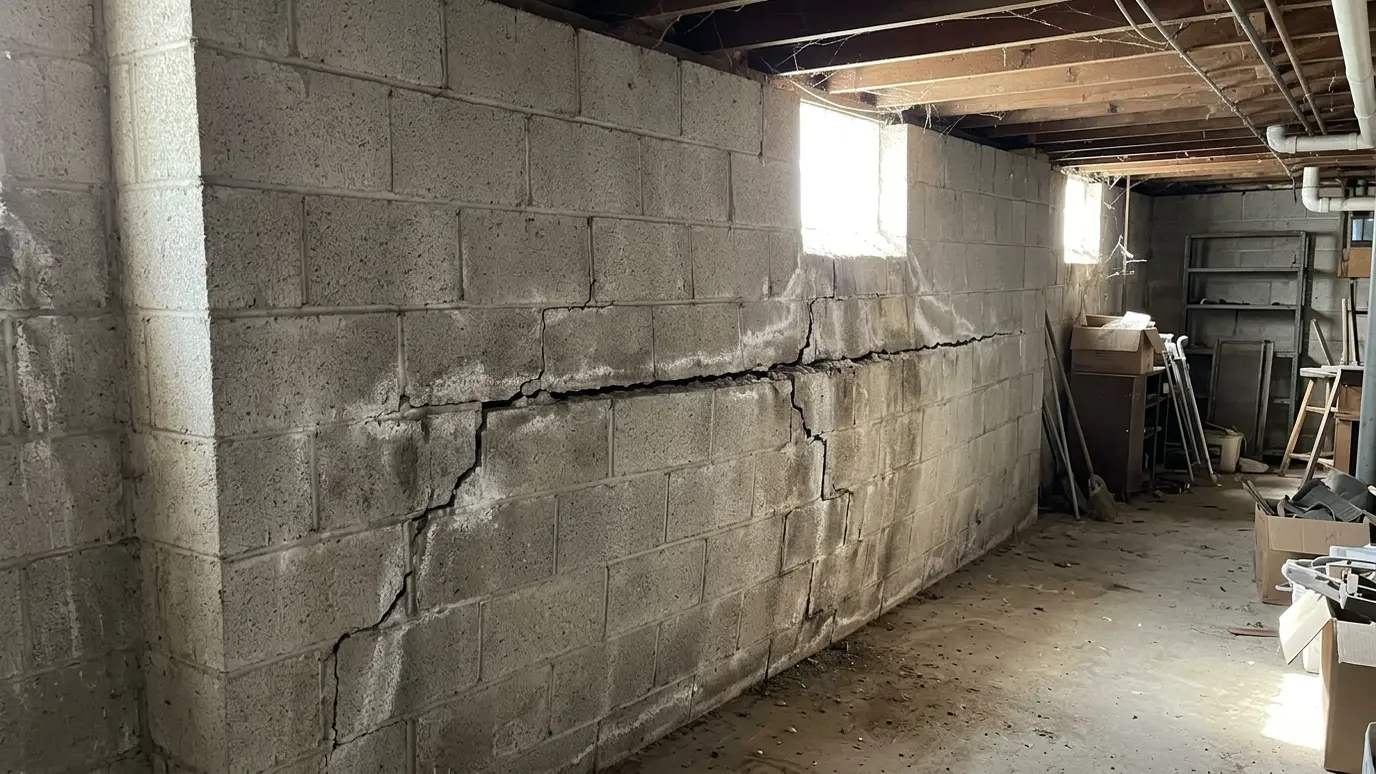
Concrete block walls are common under Nashville homes built in the middle of the last century, and stem walls carry many crawl-space homes. Block is strong in compression but weak when pushed sideways, and mortar joints are the first thing that fails. Stair-step cracks, horizontal cracks, loose block and white mineral crust on the surface are the typical signs.
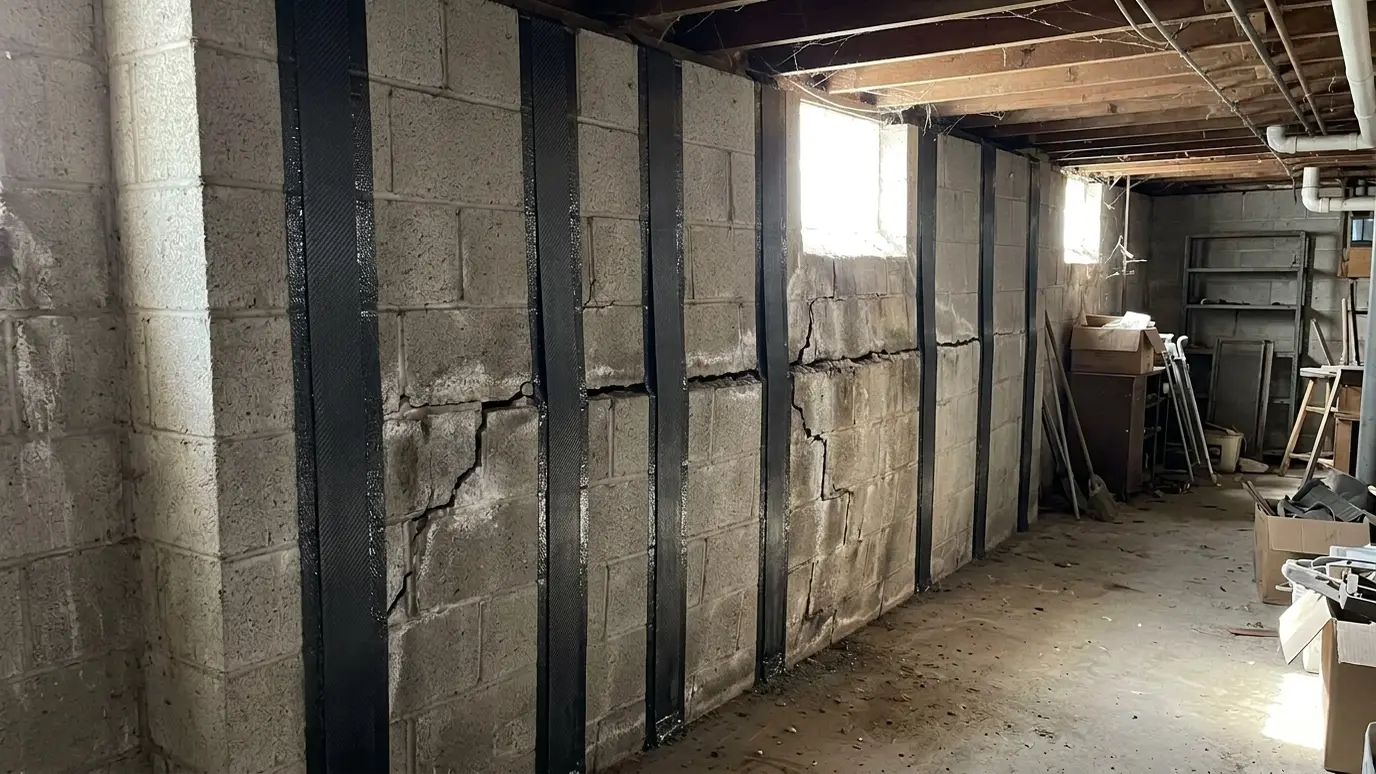
We inspect every course we can reach, tap for hollow spots, check the mortar and look for cracks, movement and water entry. Repairs range from repointing joints and sealing cracks to replacing damaged block and filling cores with grout for added strength. If a wall is bowing, we add straps or anchors. If water is entering, we address that too, because water is behind most block wall failures.
Failed mortar is cut out and replaced so joints are tight again and water cannot soak in.
Crumbling or cracked units are removed and replaced, with the wall supported while we work.
Filling selected cores with grout and rebar can add strength to a wall that has to carry more or resist more soil pressure.
In crawl-space homes, stem walls get the same attention, with extra care for the connection to footings and sill plates.
Drag the handle to compare.
 BeforeAfter
Nothing missed.
Back to sound.
Extra strength.
Root cause.
For bowing walls.
Looks right.
Every topic has its own page with what to expect and how we approach it.
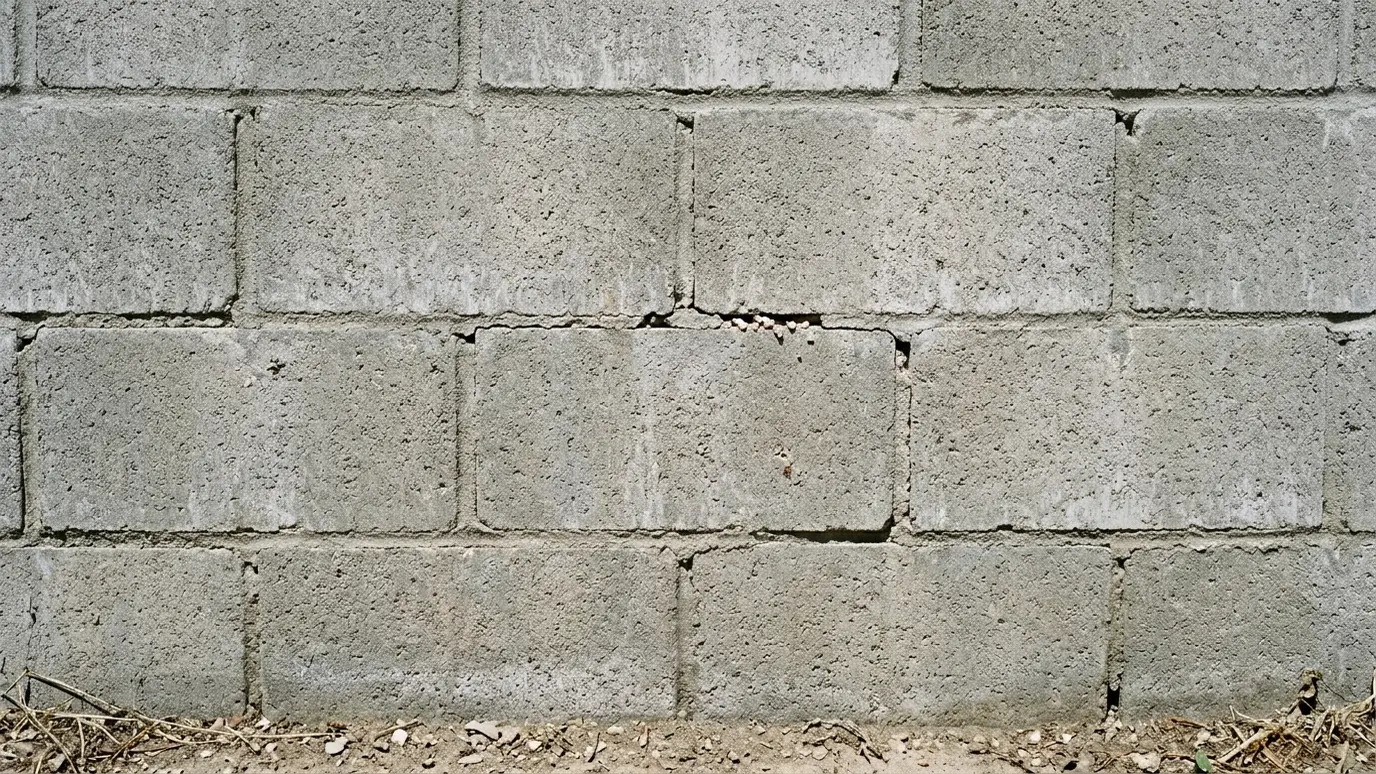 Material guideConcrete Block FoundationsBlock foundations are common in mid-century homes. They are strong in compression and weak sideways. Learn the signs…Learn more
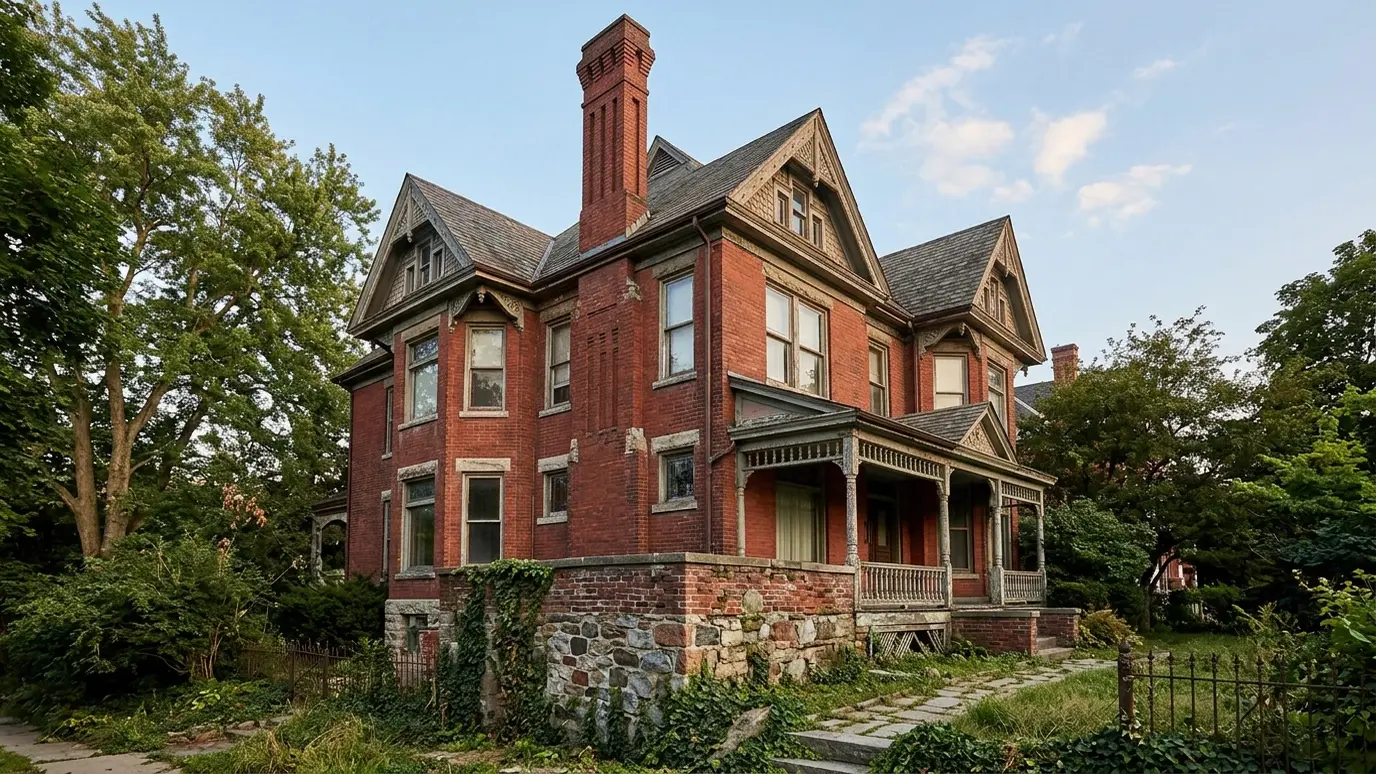 Project situationOlder and Historic HomesCentury-old foundations have stone, soft brick and lime mortar. They need a gentle hand and the right repairs.Learn more
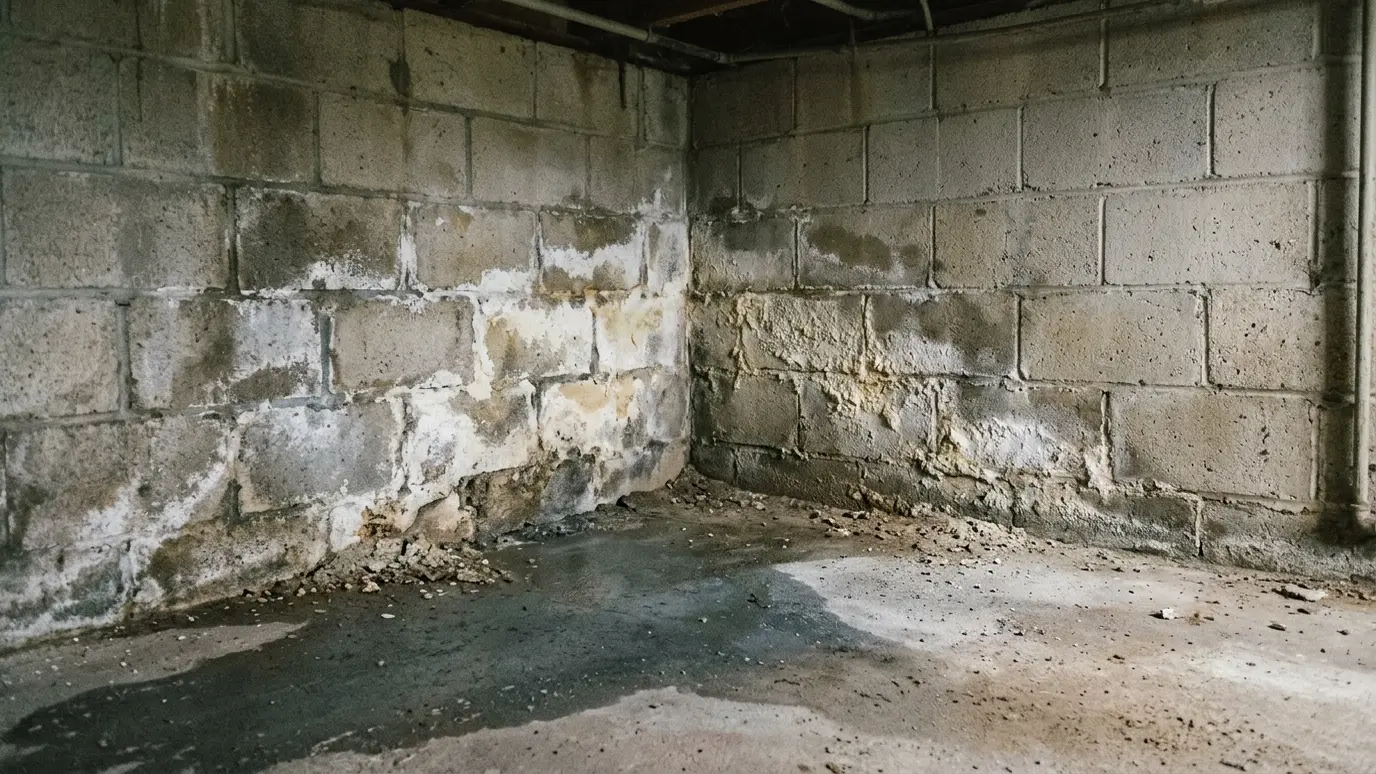 Project situationMusty Basements and Crawl SpacesA damp, earthy smell is a sign of moisture below. Fix the source and the whole house smells…Learn more
Pick the crack type, measure its width and tell us if it is changing to see how much attention it may need.
You tell us what you have noticed, a crack, a damp smell, a sloping floor or standing water, and we set a visit that fits your day.
We look closely inside and out, measure floors and cracks, check moisture and drainage and take photos of anything of note.
We explain what is urgent, what can wait and what is optional, and give you a written scope and options.
We lay floor protection, mark utilities, protect landscaping and set up before any digging or drilling begins.
We install, seal, lift or repair with the right tools and materials, checking our work as we go.
We clean up, restore the surface, show you what we did, share care tips and set a reminder for your next check.
They follow mortar joints and often show settlement or soil pressure. We look at the whole wall to find the cause.
Yes. Damaged block is removed and replaced while the wall is supported.
It is efflorescence, left when water moves through the wall. It points to moisture that needs managing.
Yes, with grout fill, rebar, straps or anchors depending on the problem.
Yes. Crawl-space stem walls are repaired with the same care as basement walls.
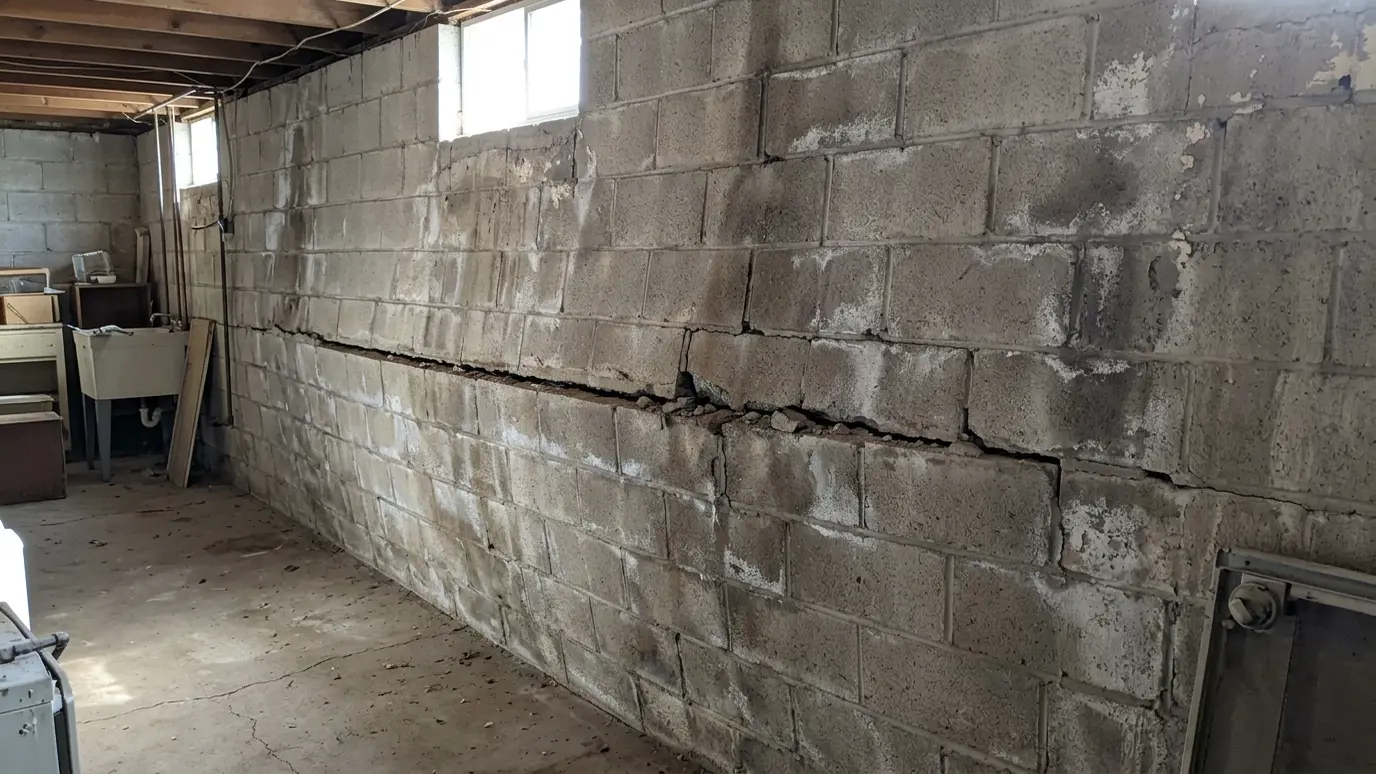 Bowing Wall RepairA basement wall that curves inward or tilts needs support before it moves further. We measure it and…Explore
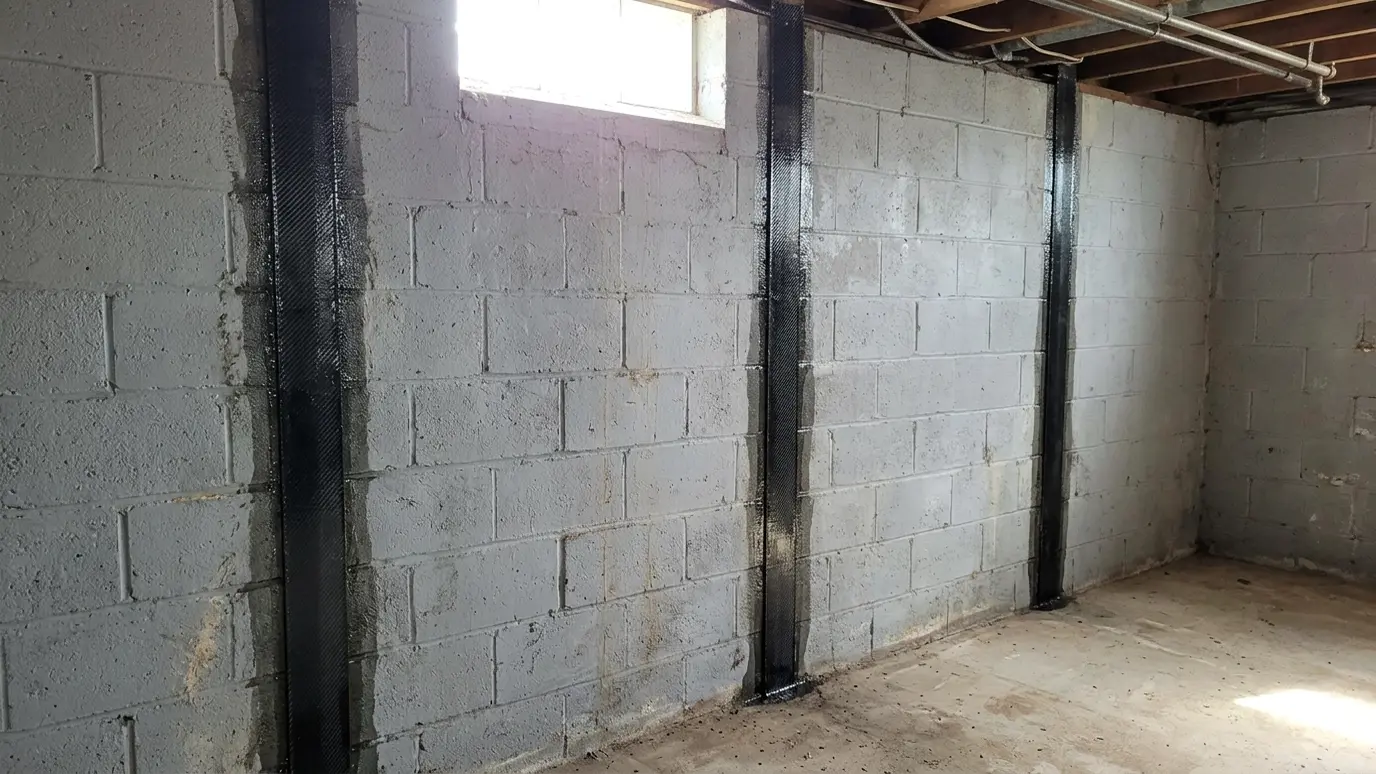 Wall Anchors and StrapsTwo ways to hold a basement wall in place: strong steel anchors tied to soil outside, or thin…Explore
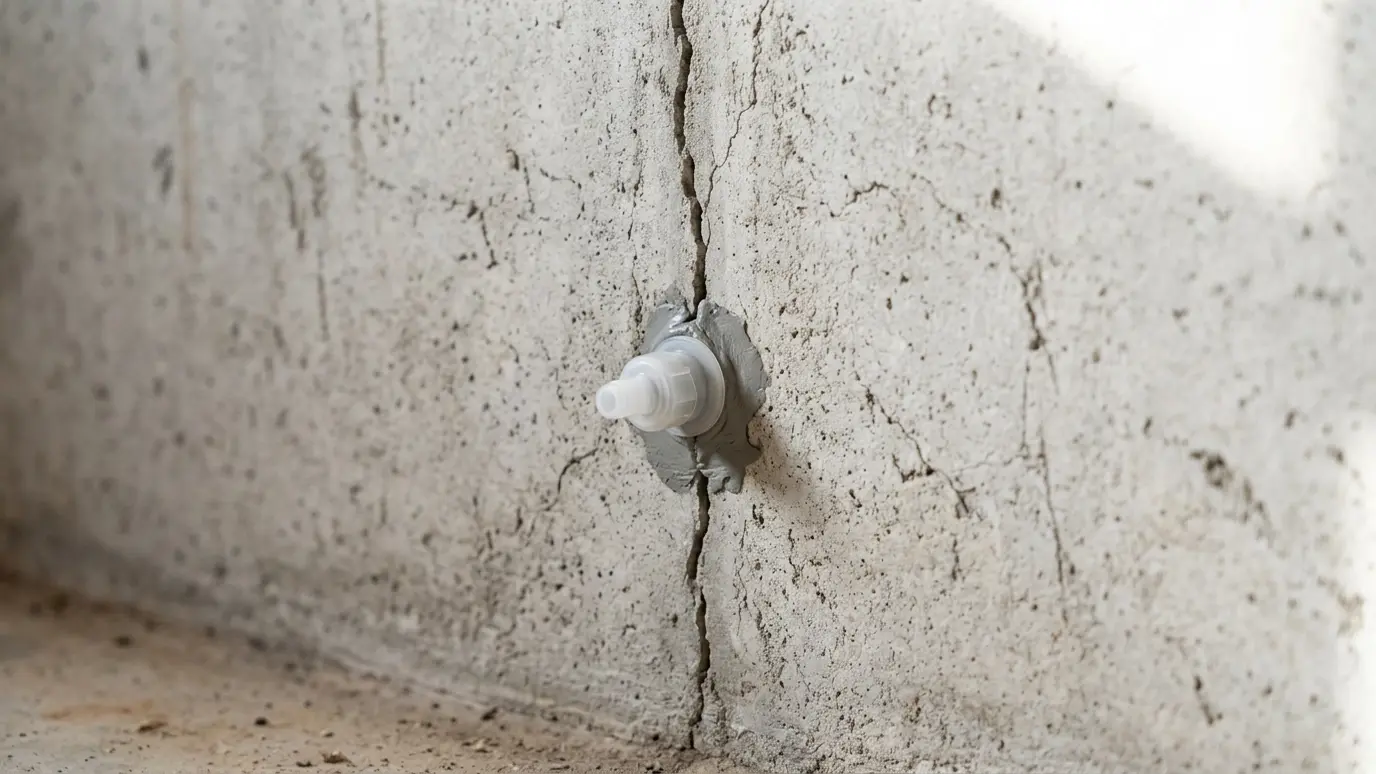 Foundation Crack RepairHairline, vertical, diagonal or stair-step, every crack tells a story. We read it, stop the water and repair…Explore
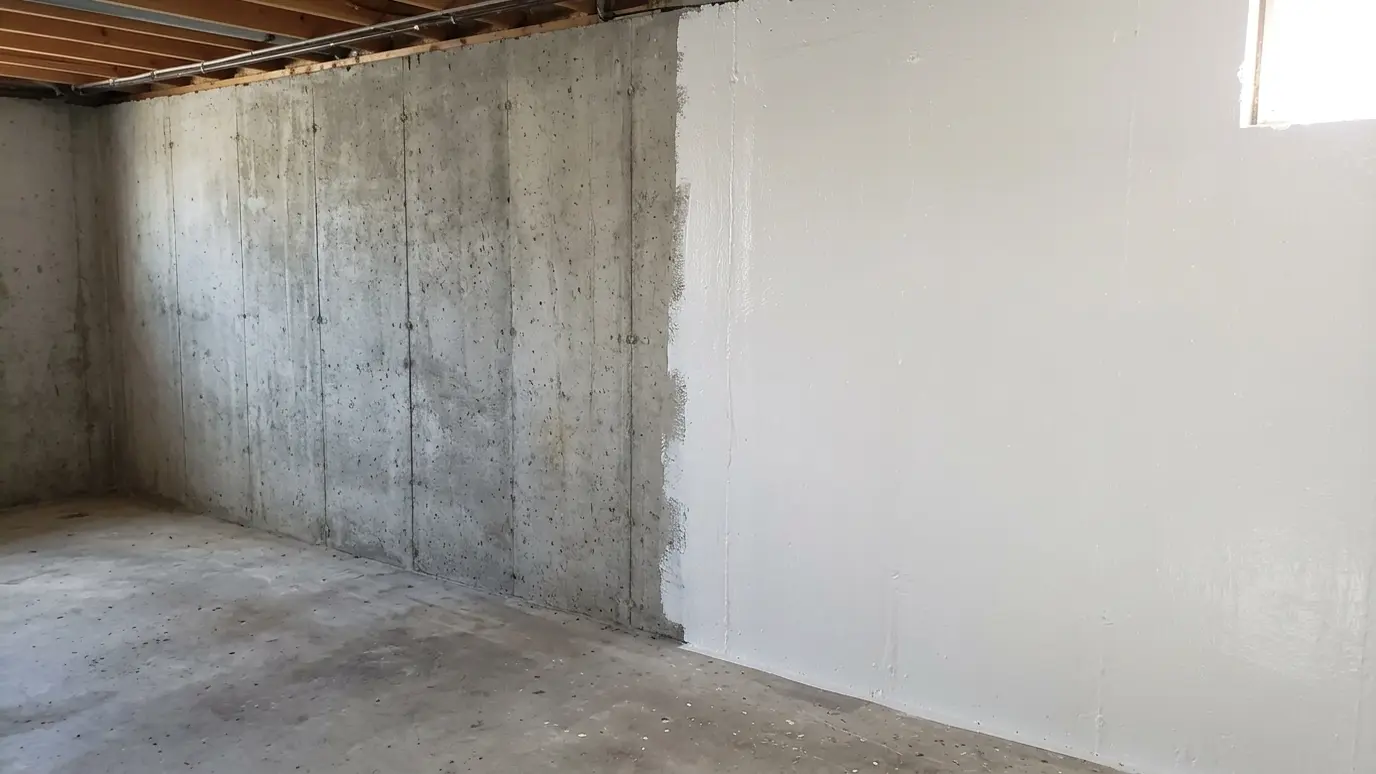 Wall Sealing and CoatingsMasonry sealers and waterproof coatings reduce dampness through basement walls and make a brighter, healthier space.Explore
Tell us about the project and we will call you back to talk it through.
Or call (615) 357-7797 to talk now.