A dry basement comes from a complete plan: manage the water outside, give it a path inside and keep it moving out of the house.
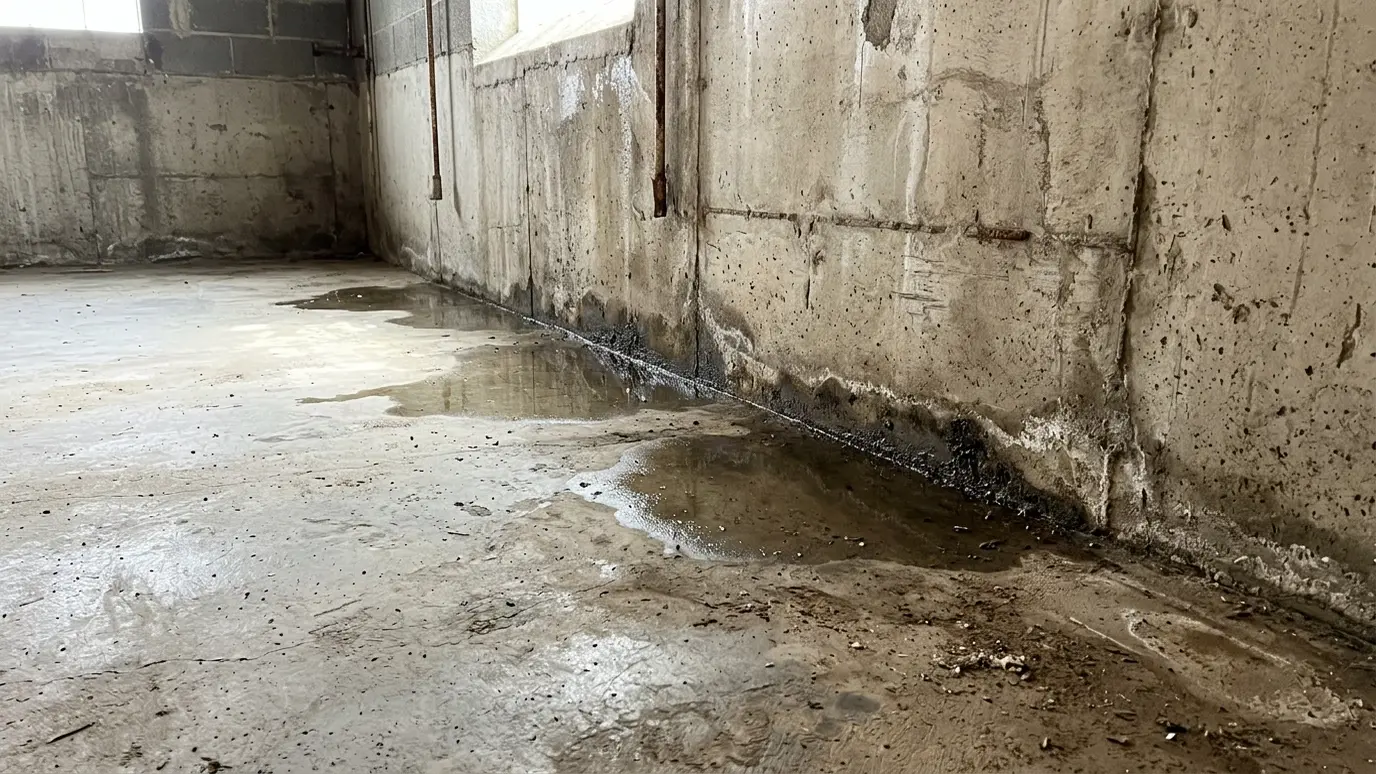
Water finds a basement the way it finds anything low: through the floor joint, through cracks in the wall, through the pores of block and through window wells. In Middle Tennessee, heavy rains, clay soil that drains slowly and houses built on slopes give the water plenty of reasons to push against a foundation. A damp floor, a musty smell, white mineral crust on the wall or standing water after a storm are the usual signs.
A real waterproofing plan starts by finding where the water comes from. We follow gutters and downspouts, check the grade, look at cracks, joints and window wells and note when the water appears. Then we choose the combination that fits, often an interior drain with a sump pump for water that gets in, exterior fixes for water that should never reach the wall and sealing for the surfaces in between. Each step has a job, and none does everything alone.
We look at the roof water, the soil slope, the walls and the floor joint, so the plan treats causes and not only symptoms.
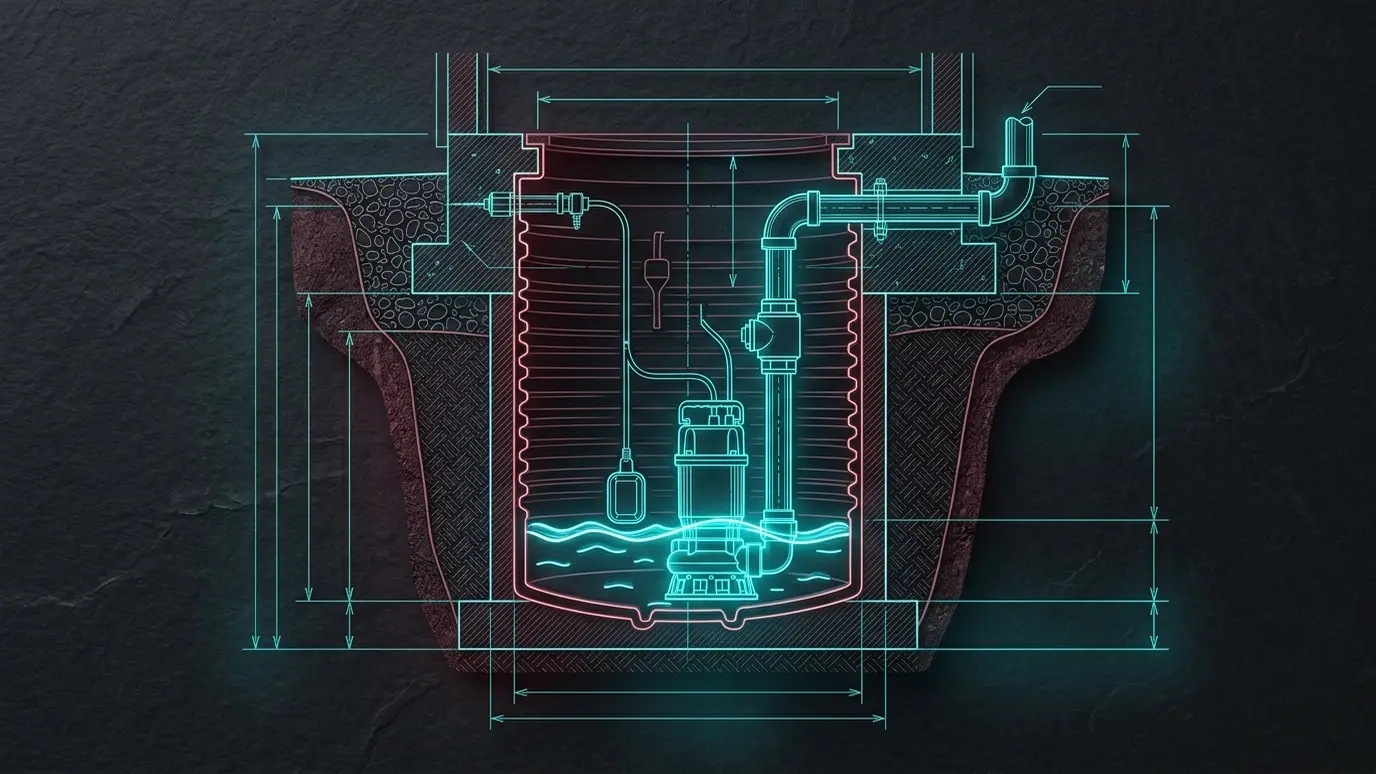
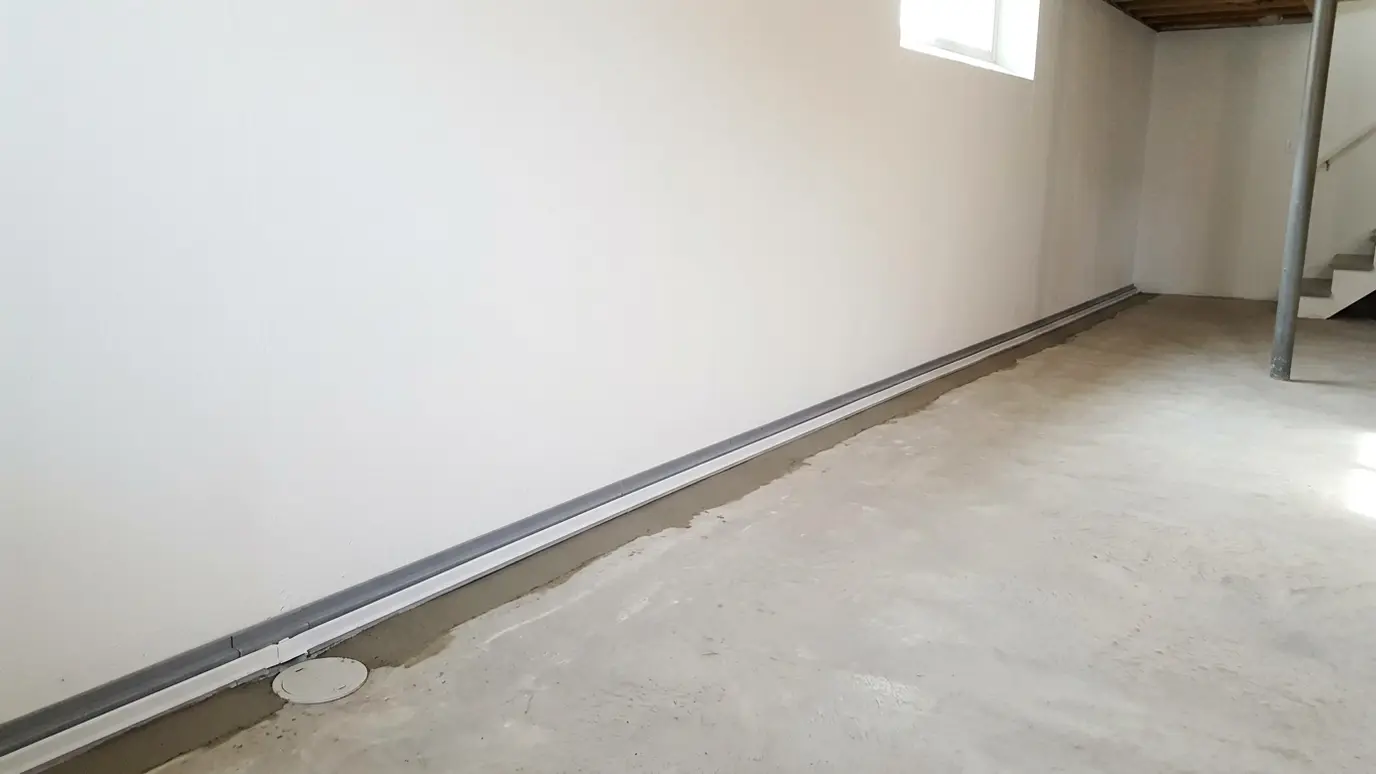
An interior drain along the footing and a sump pump collect water that reaches the basement and carry it away.
Downspouts, grading and exterior drainage keep bulk water away from the wall in the first place.
Cracks and joints are injected or sealed, and wall coatings handle dampness from the pores of the masonry.
Drag the handle to compare.
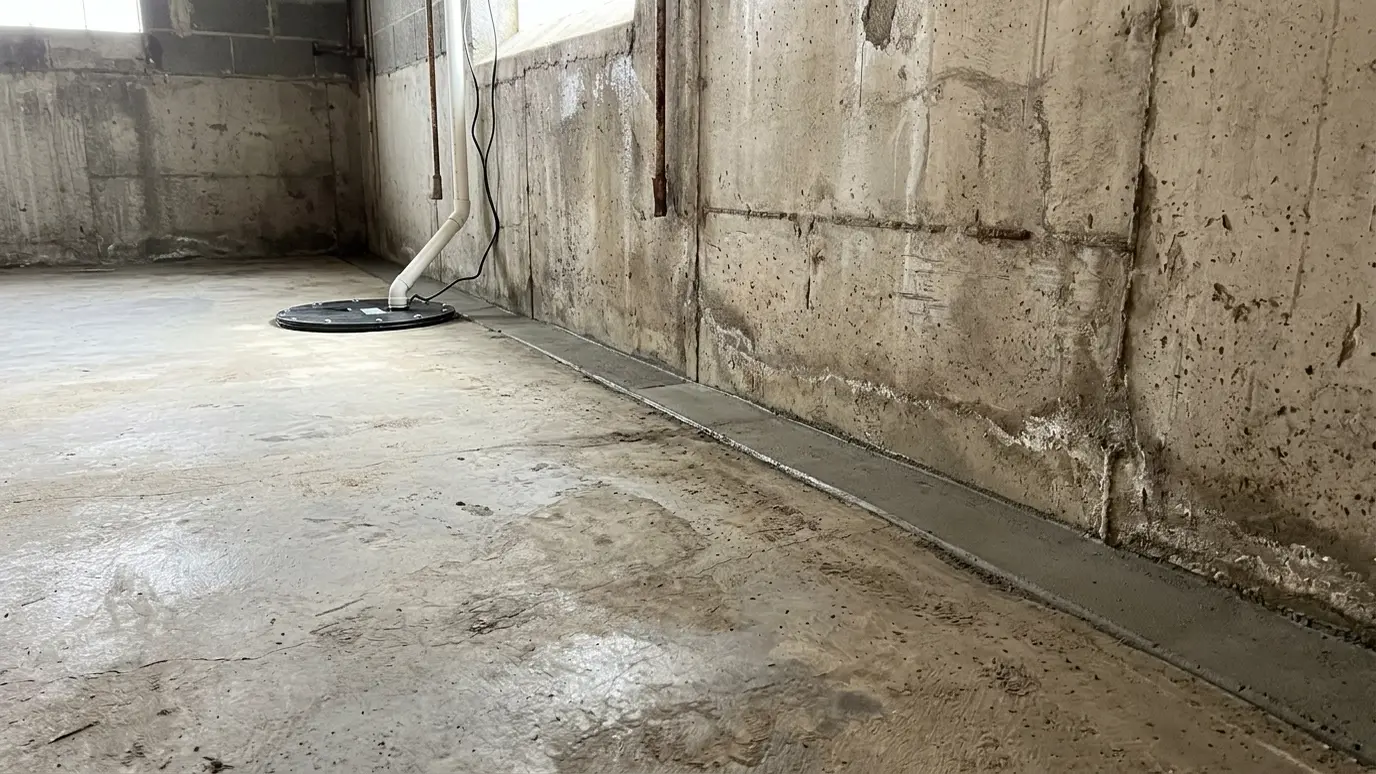
 BeforeAfter
Treat the cause.
Water has a path.
Keep water away.
No easy entry.
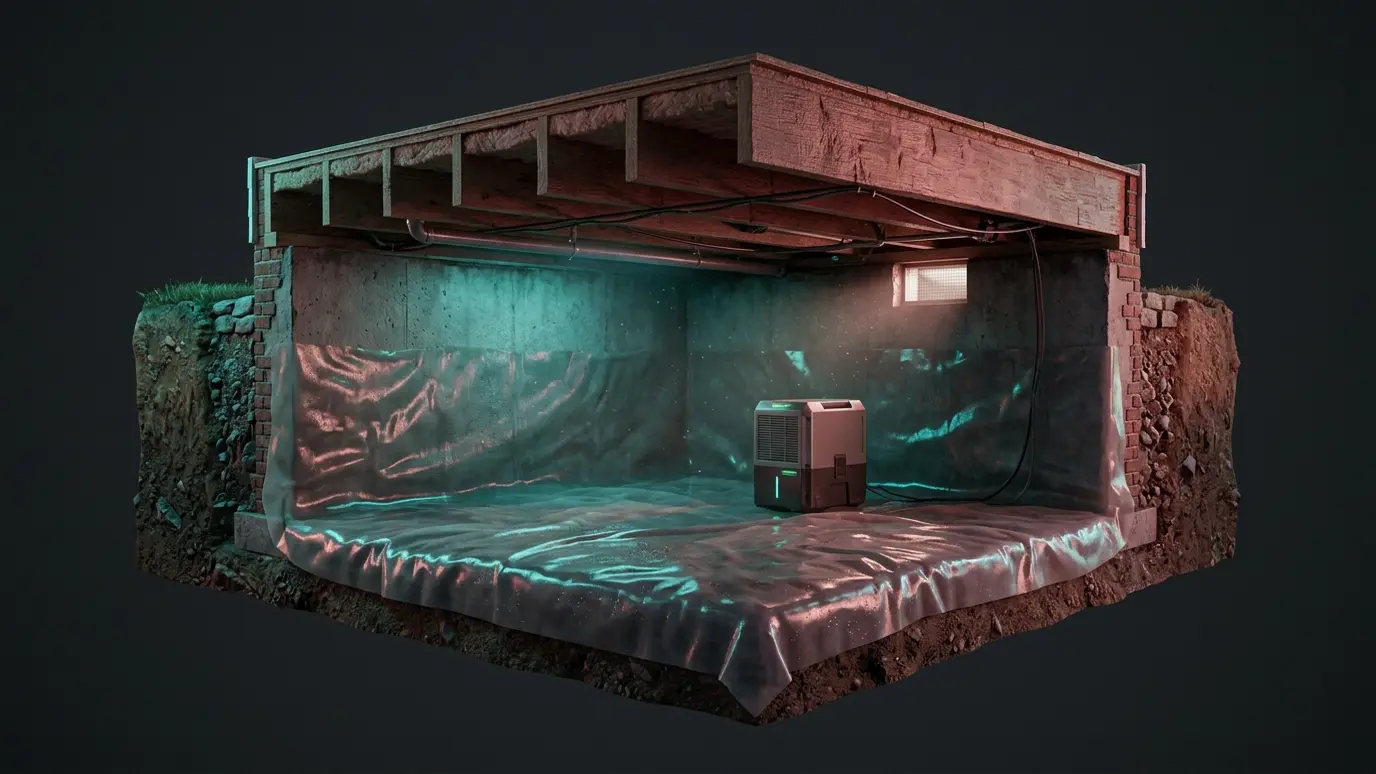
Dry air, too.
Know the plan.
Every topic has its own page with what to expect and how we approach it.
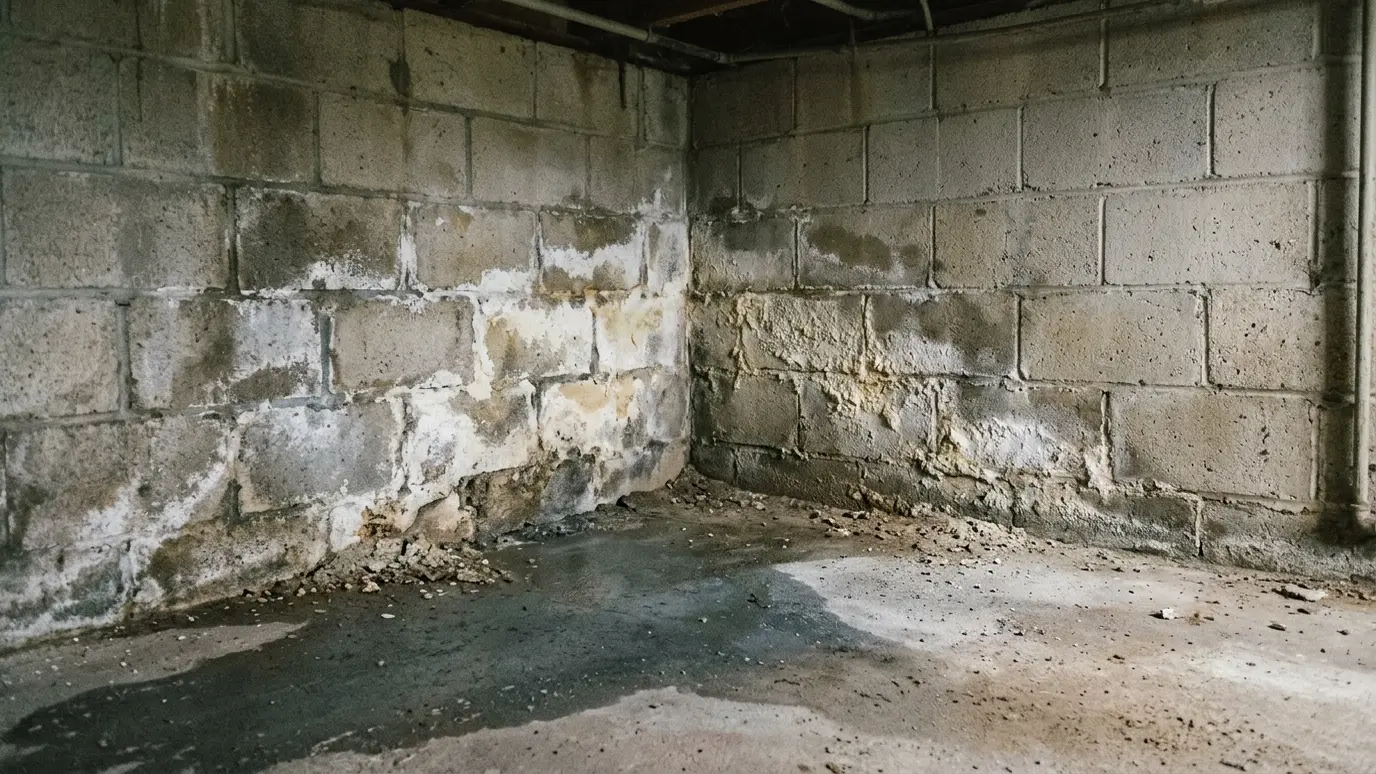 Project situationMusty Basements and Crawl SpacesA damp, earthy smell is a sign of moisture below. Fix the source and the whole house smells…Learn more
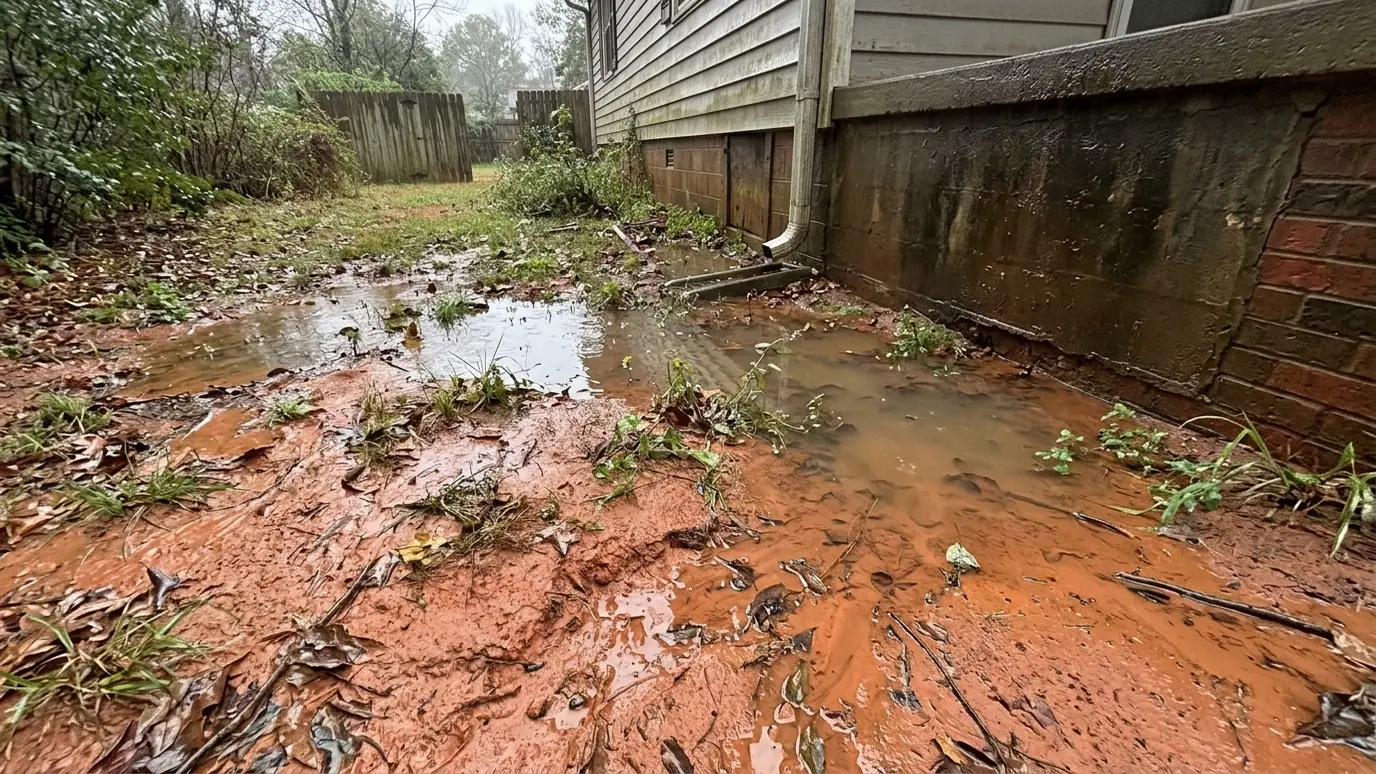 Project situationClay Soil and Wet YardsMiddle Tennessee clay swells when wet and shrinks when dry. That movement is behind many cracks, leaks and…Learn more
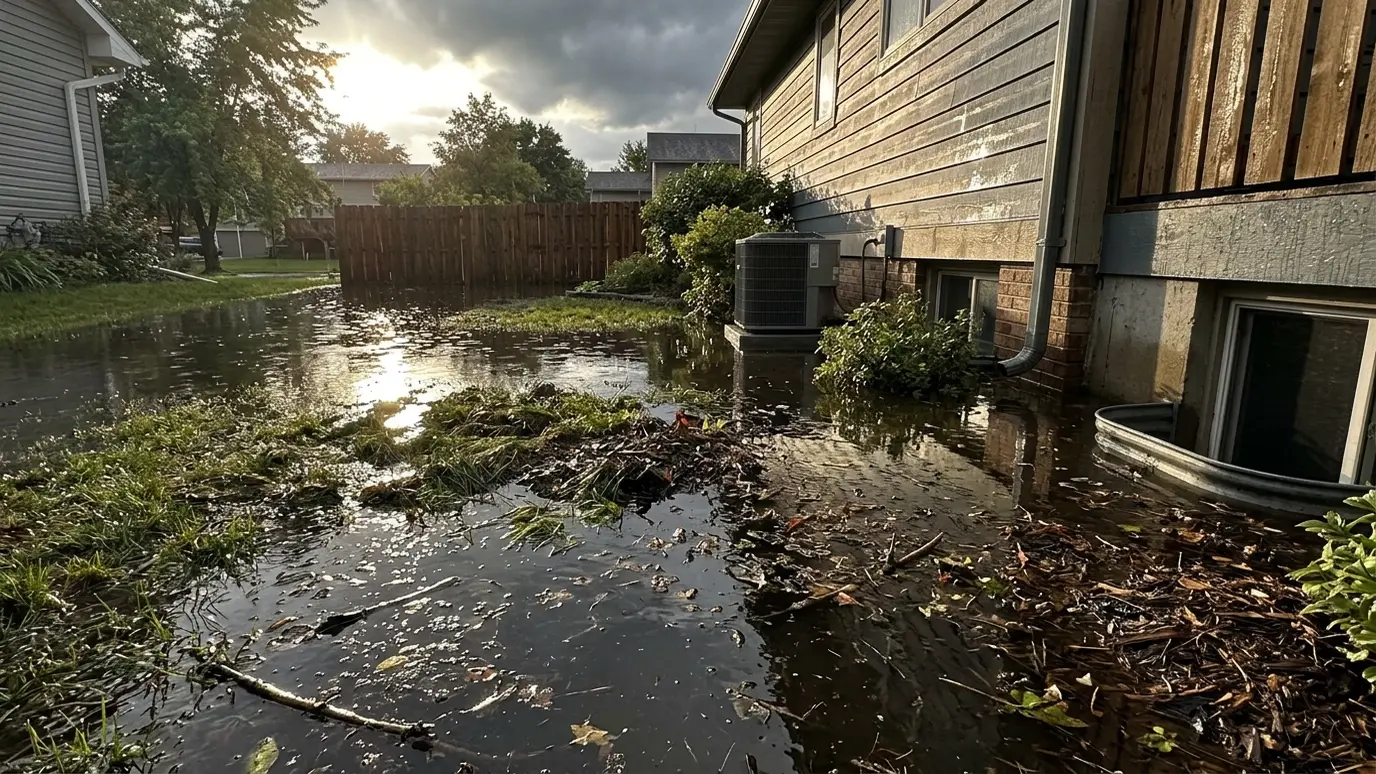 Project situationStorm and Flood DamageAfter heavy rain or flooding, foundations can shift and basements can fill. Here is how to protect your…Learn more
Enter your roof size and downspouts to see how much water lands at your foundation in a heavy rain.
You tell us what you have noticed, a crack, a damp smell, a sloping floor or standing water, and we set a visit that fits your day.
We look closely inside and out, measure floors and cracks, check moisture and drainage and take photos of anything of note.
We explain what is urgent, what can wait and what is optional, and give you a written scope and options.
We lay floor protection, mark utilities, protect landscaping and set up before any digging or drilling begins.
We install, seal, lift or repair with the right tools and materials, checking our work as we go.
We clean up, restore the surface, show you what we did, share care tips and set a reminder for your next check.
A combination: manage roof and surface water outside, seal entry points and add an interior drain and sump for water that gets in.
Soil around the house fills with water and pushes it through cracks and joints. Drainage and sealing reduce it.
Paint and coatings help dampness but do not stop liquid water. They work best as one part of a plan.
If water collects at the floor, a sump pump gives it a place to go. We size it to the situation.
Many systems install in a few days, depending on the length of wall and the type of work.
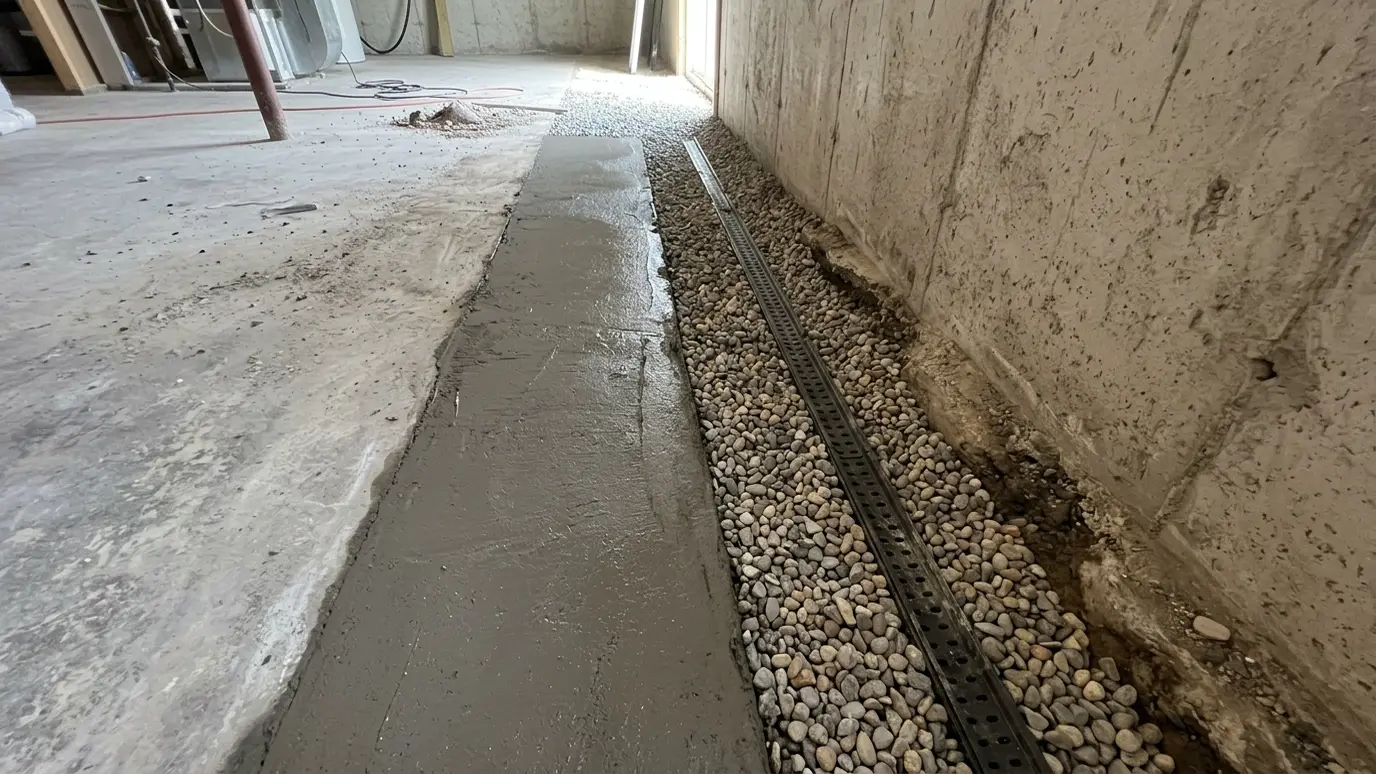 Interior Drain SystemsA drain along the inside of the footing catches water at the floor joint and carries it to…Explore
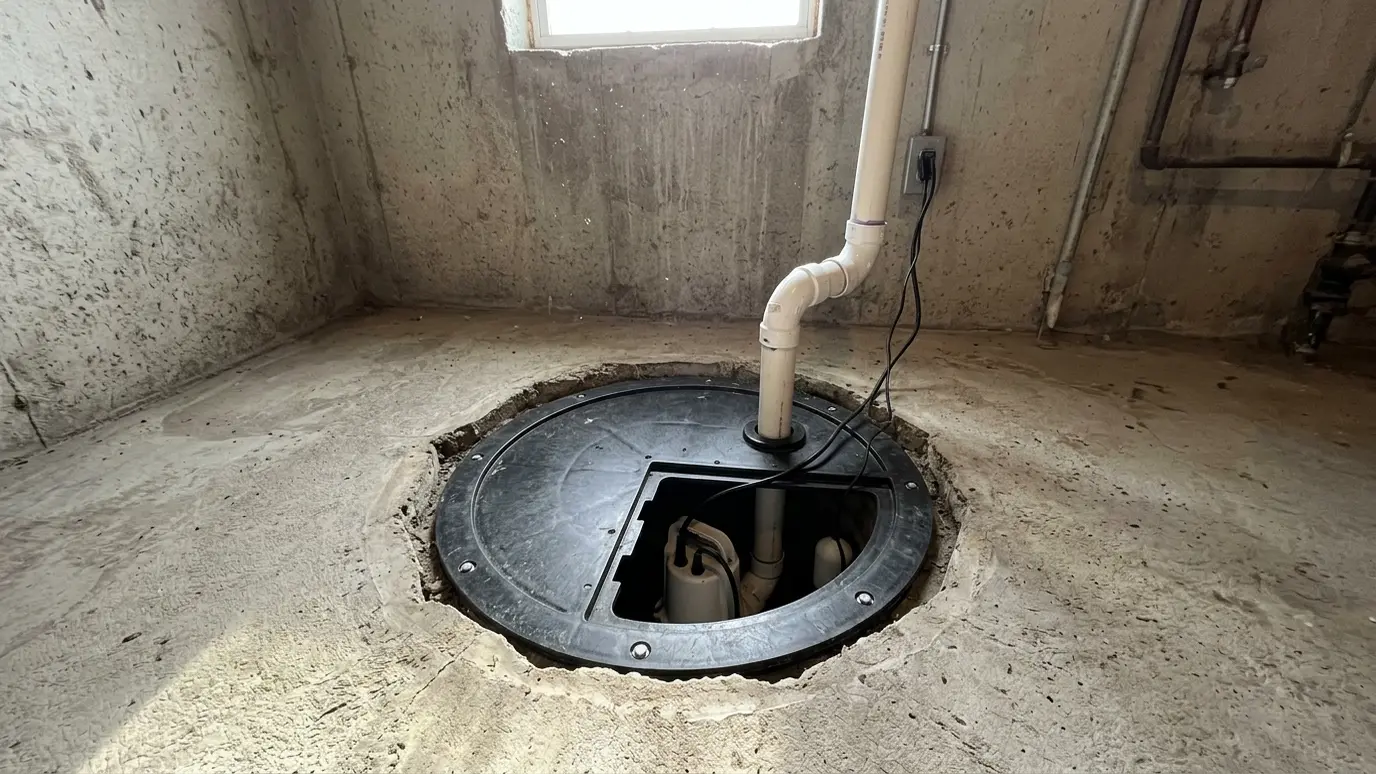 Sump Pump InstallationA sump pump moves water out of the house automatically. We size the pit, pump, discharge and backup…Explore
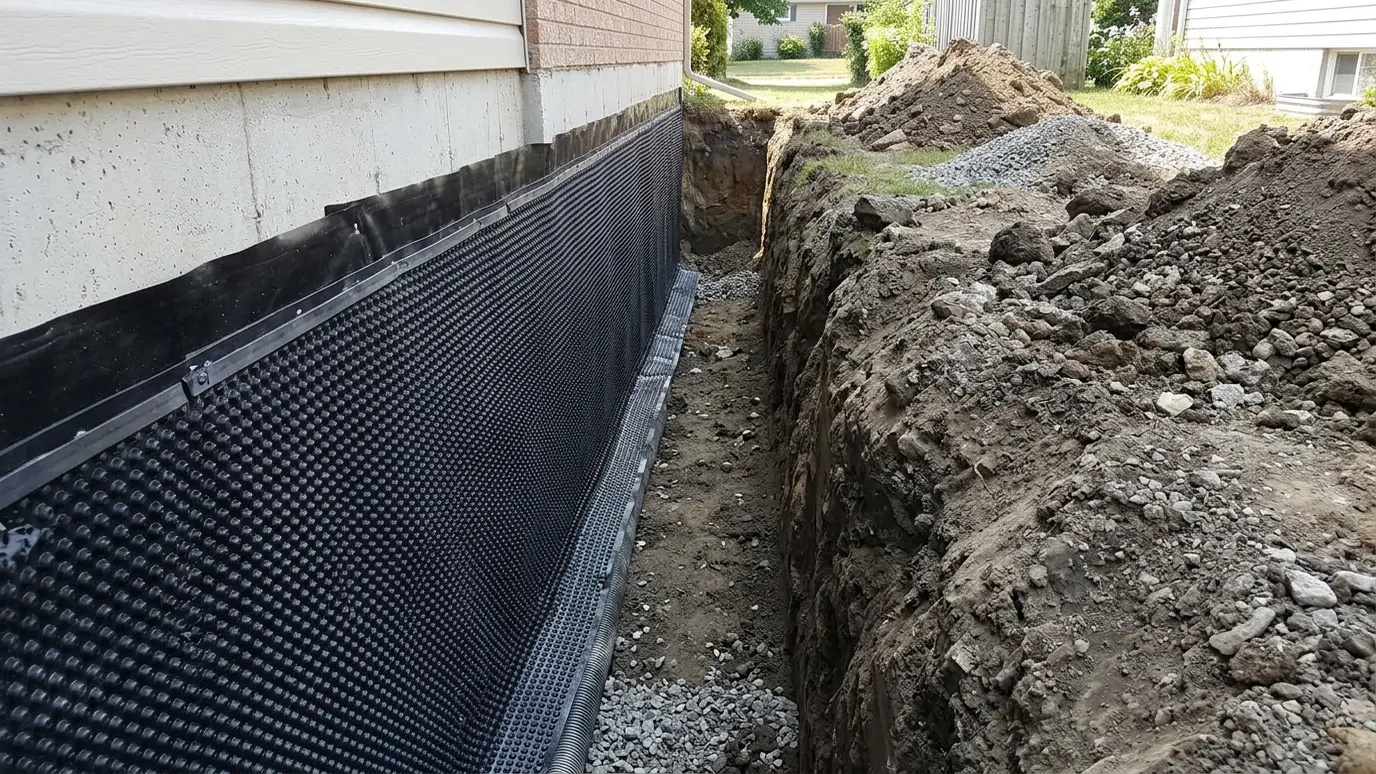 Exterior WaterproofingStopping water before it reaches the wall: excavation, membrane, drain tile and grading that protect the foundation from…Explore
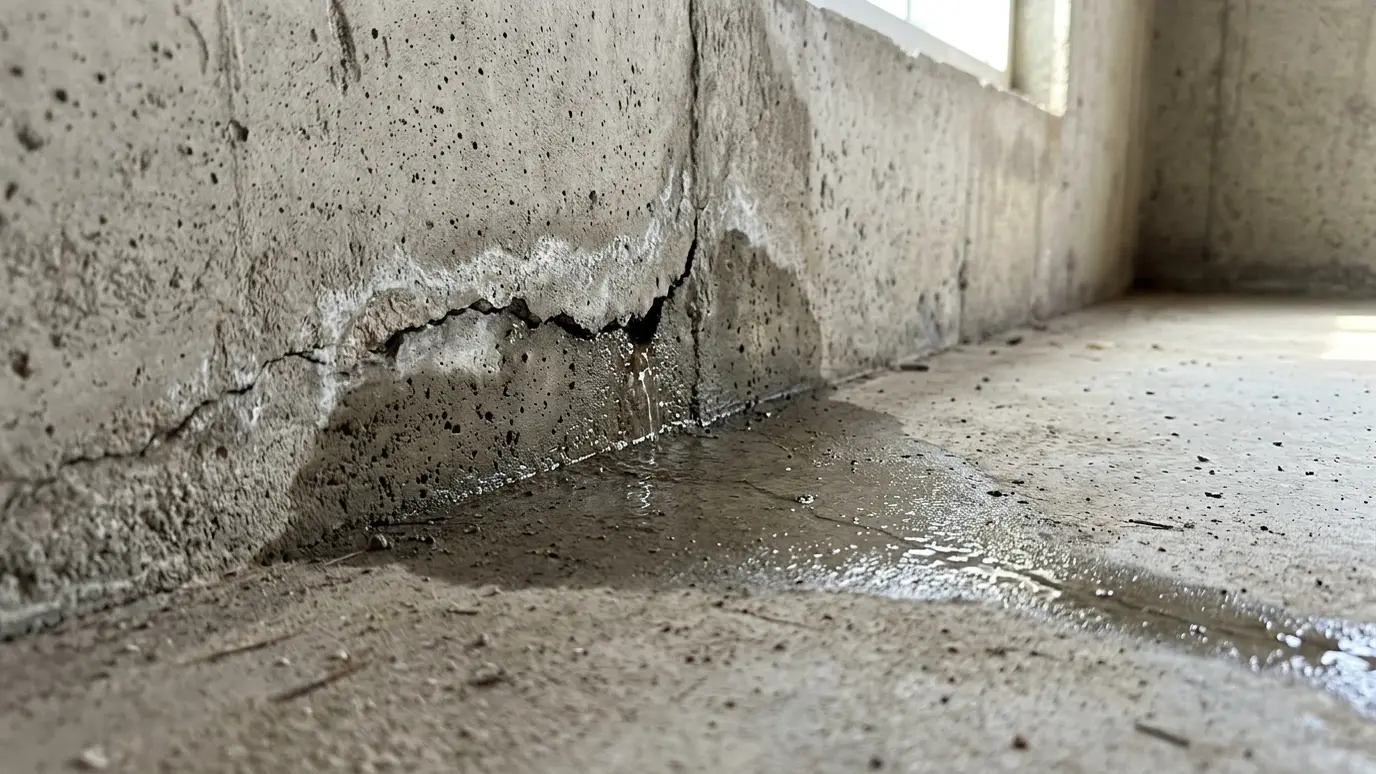 Basement Leak RepairA leaking crack, joint or wall gets traced to its source and repaired, so the next storm is…Explore
Tell us about the project and we will call you back to talk it through.
Or call (615) 357-7797 to talk now.