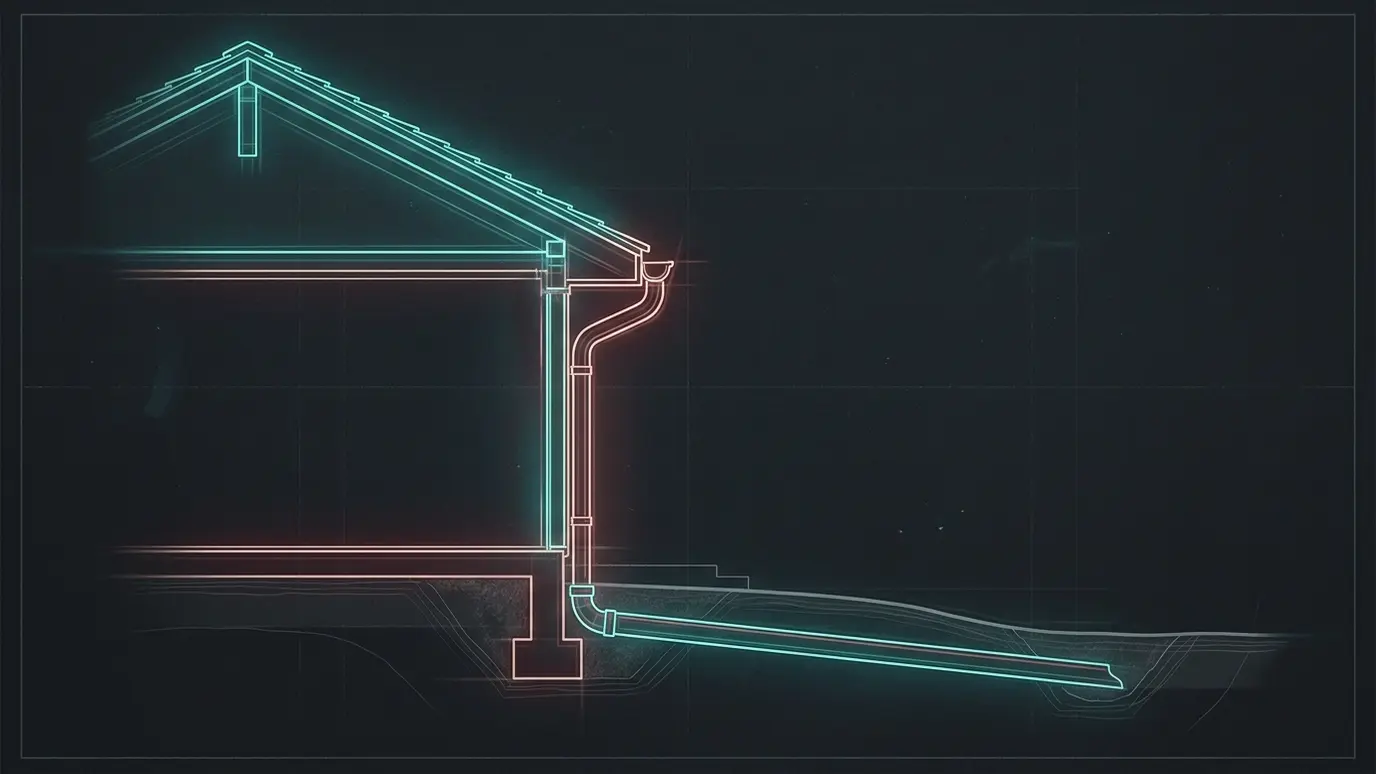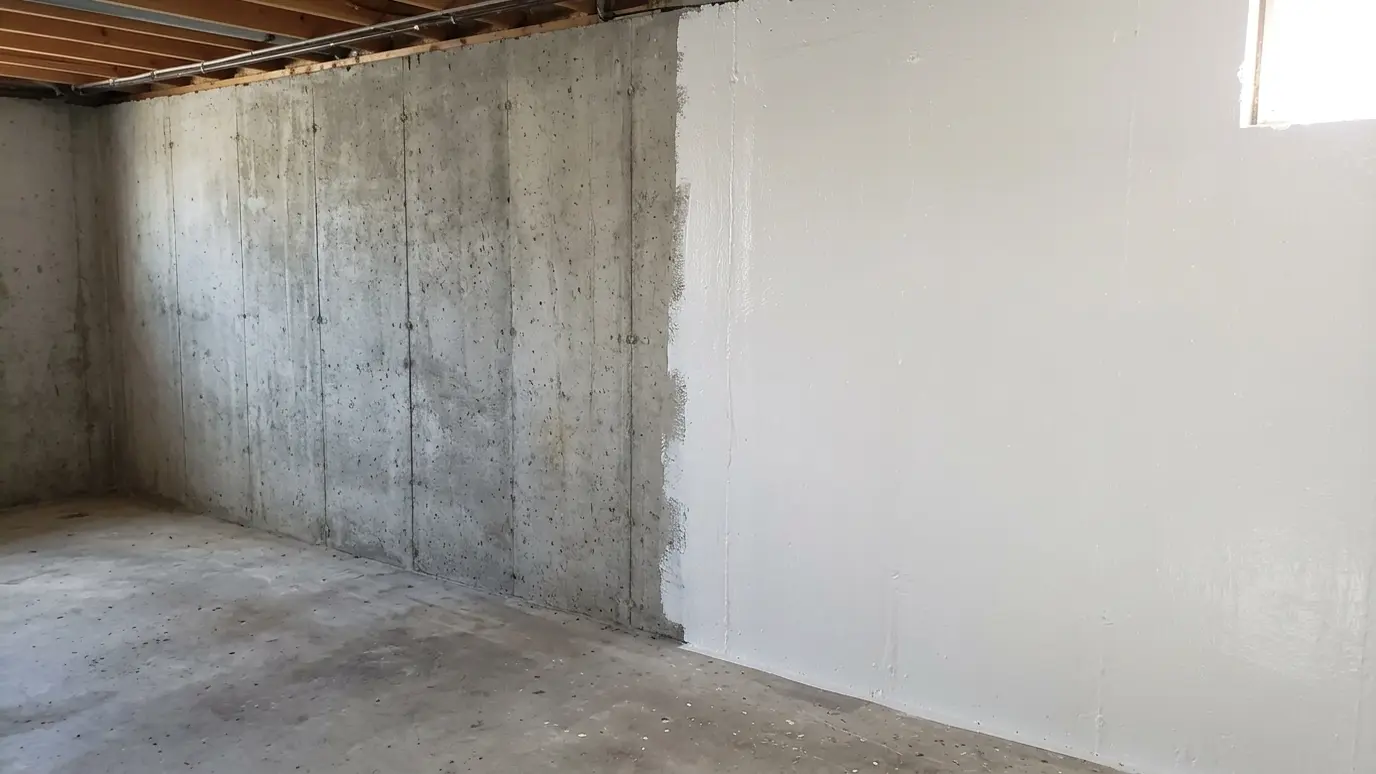
Masonry sealers and waterproof coatings reduce dampness through basement walls and make a brighter, healthier space.
Concrete and block are not solid like glass. They are porous, and in a damp basement water vapor and a little liquid water can pass slowly through the wall. The result is a cool, clammy feel, white mineral crust, flaking paint and a musty odor. Coatings and sealers are designed for this kind of dampness, and they make a basement look and feel better.
Coatings are not a cure for water under pressure, so we are careful about when to use them. After we clean and prepare the wall, we apply a masonry sealer or a waterproof coating where the problem is dampness and not flowing water. For walls that also leak, we pair the coating with crack injection and drains. Many owners choose a bright white finish, which turns a dark basement into a clean, usable room.
The wall is cleaned, loose material is removed and cracks and holes are patched so the coating bonds well.
Penetrating sealers reduce moisture from within. Thick waterproof coatings build a barrier on the surface.
Coatings handle dampness, not running water. We combine them with crack repair and drains when a wall leaks.
A white or light finish brightens the space and shows any new moisture quickly, which helps you keep an eye on it.
Drag the handle to compare.
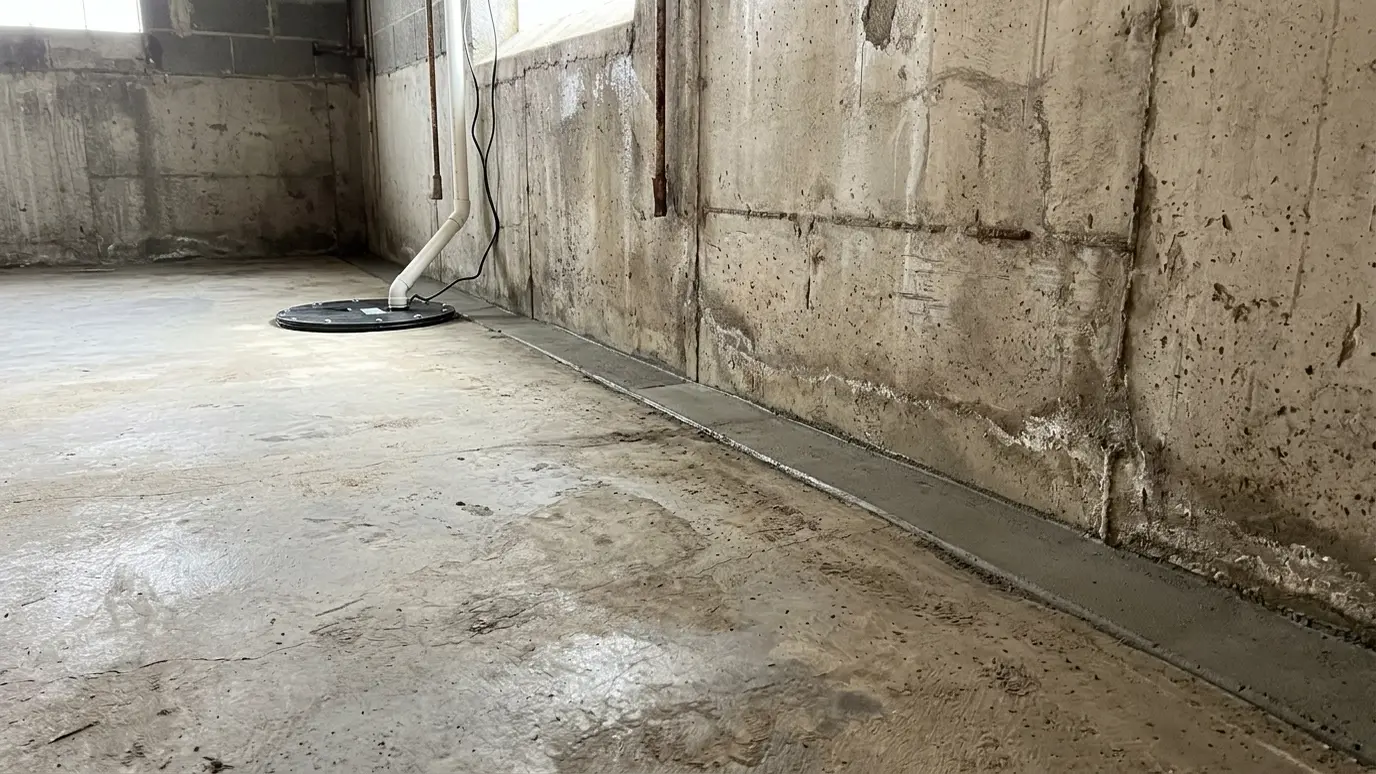
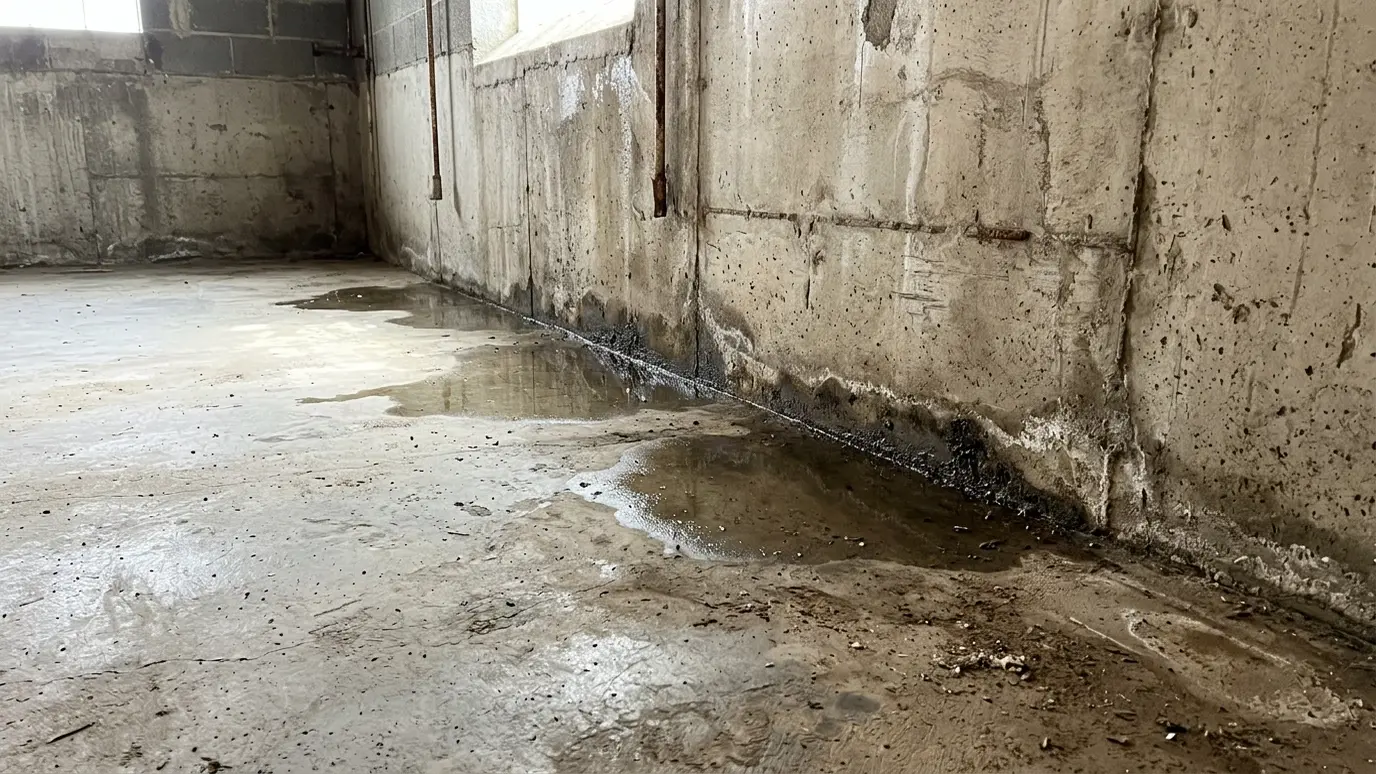 BeforeAfter
Coating bonds.
Cooler, drier feel.
Easier to use.
Complete plan.
Less musty.
Right tool for the job.
Every topic has its own page with what to expect and how we approach it.
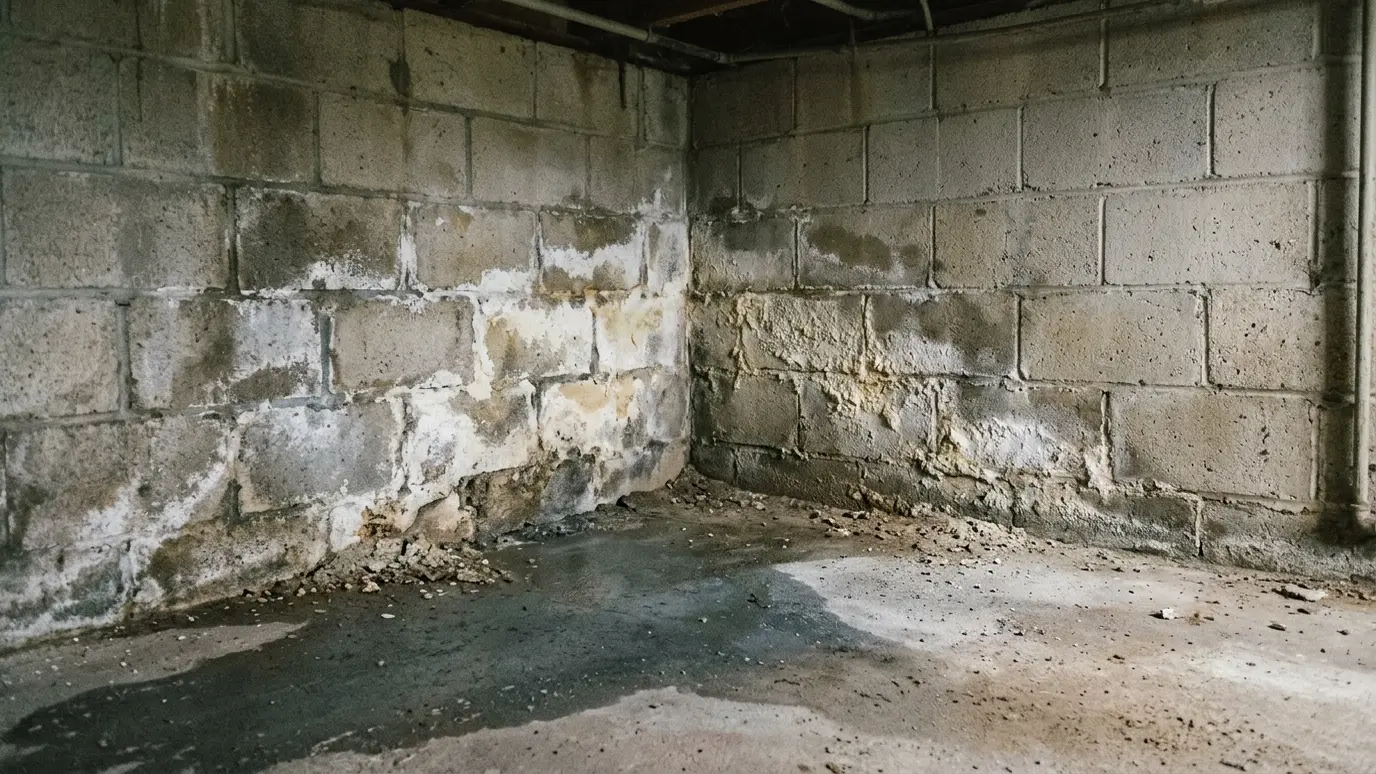 Project situationMusty Basements and Crawl SpacesA damp, earthy smell is a sign of moisture below. Fix the source and the whole house smells…Learn more
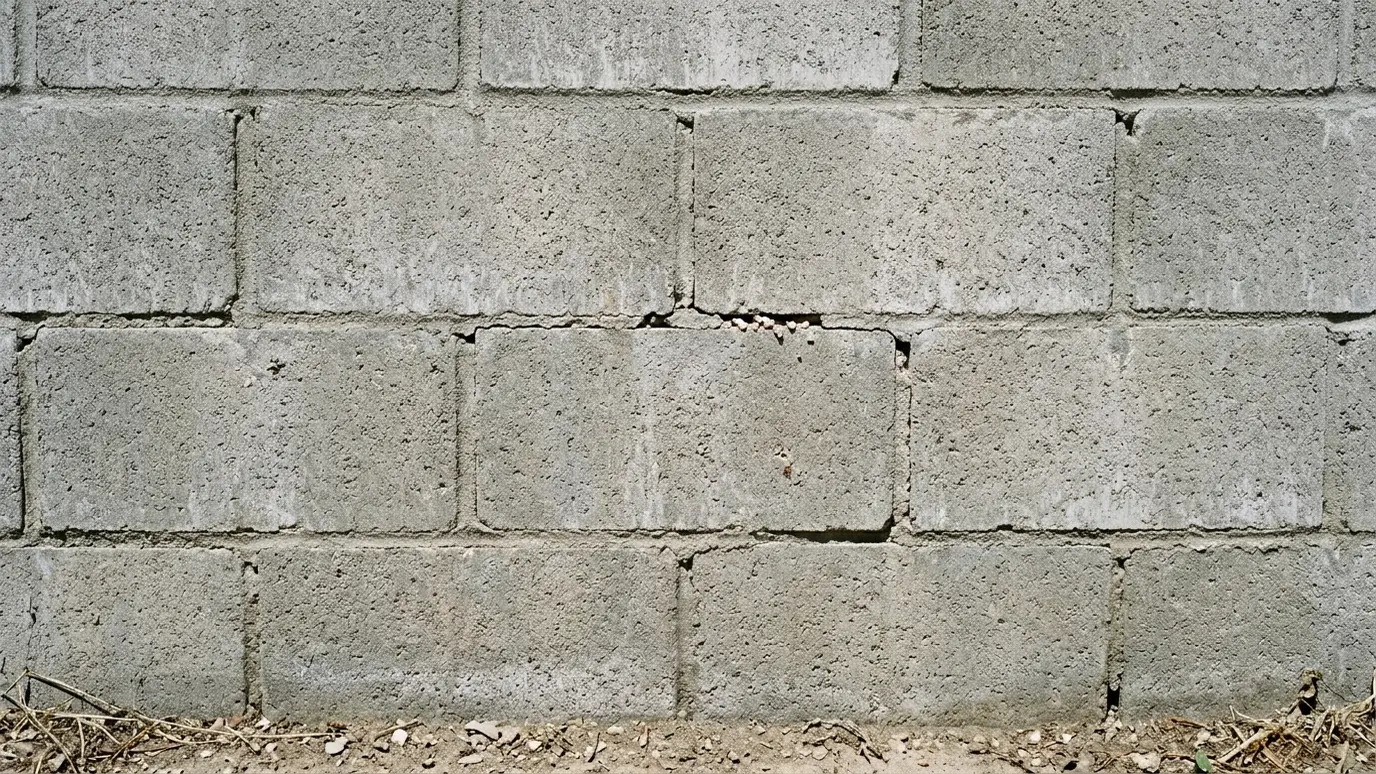 Material guideConcrete Block FoundationsBlock foundations are common in mid-century homes. They are strong in compression and weak sideways. Learn the signs…Learn more
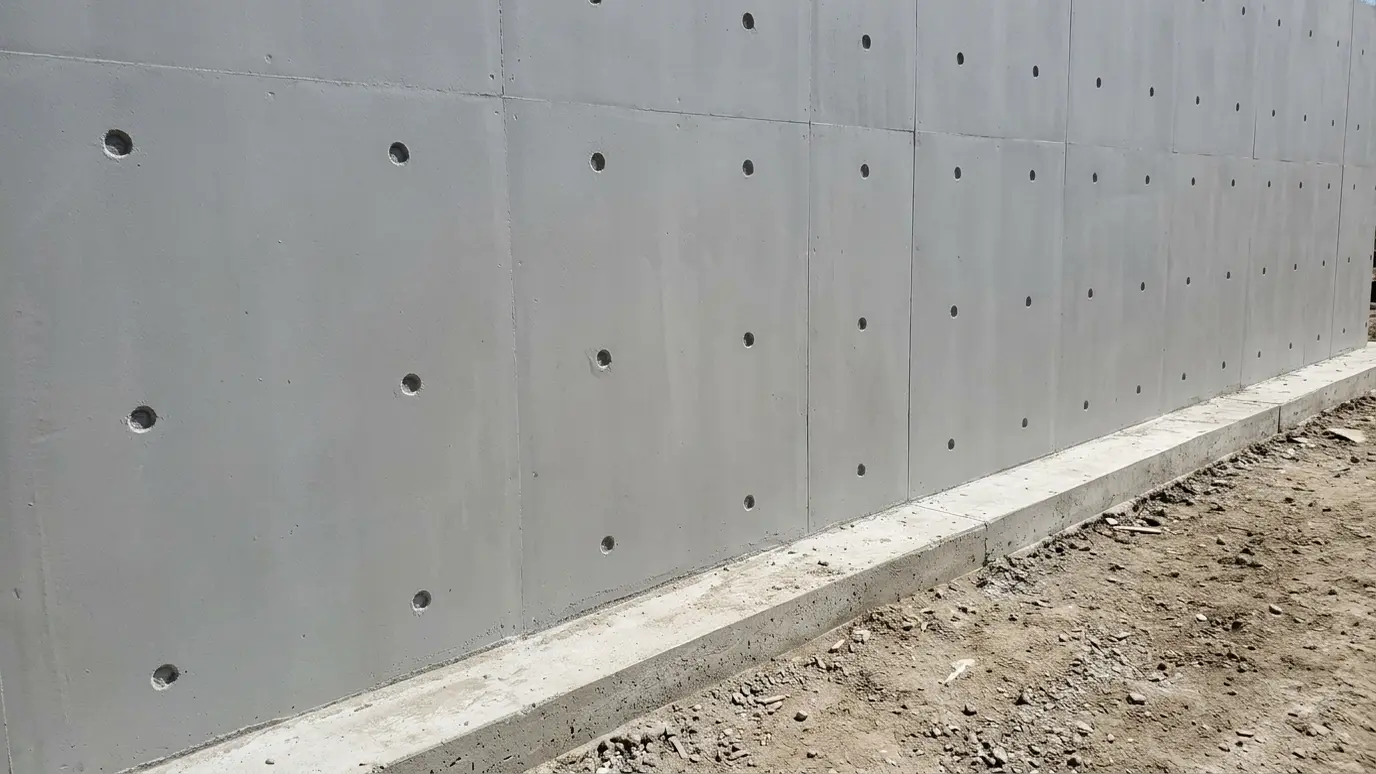 Material guidePoured Concrete FoundationsPoured concrete is strong, seamless and common in newer homes. Here is how it works, where it cracks…Learn more
Enter the air temperature and humidity to see the dew point, the mold risk and the dehumidifier size to plan for.
You tell us what you have noticed, a crack, a damp smell, a sloping floor or standing water, and we set a visit that fits your day.
We look closely inside and out, measure floors and cracks, check moisture and drainage and take photos of anything of note.
We explain what is urgent, what can wait and what is optional, and give you a written scope and options.
We lay floor protection, mark utilities, protect landscaping and set up before any digging or drilling begins.
We install, seal, lift or repair with the right tools and materials, checking our work as we go.
We clean up, restore the surface, show you what we did, share care tips and set a reminder for your next check.
It reduces dampness. Water that flows in needs crack repair or drains as well.
Not directly. The wall is cleaned and the moisture source is addressed first.
With a dry wall and good prep, it lasts many years. A damp wall shortens it.
Often yes, since they cut moisture that feeds musty smells.
Small areas can be. Large or leaking walls benefit from proper prep and the right products.
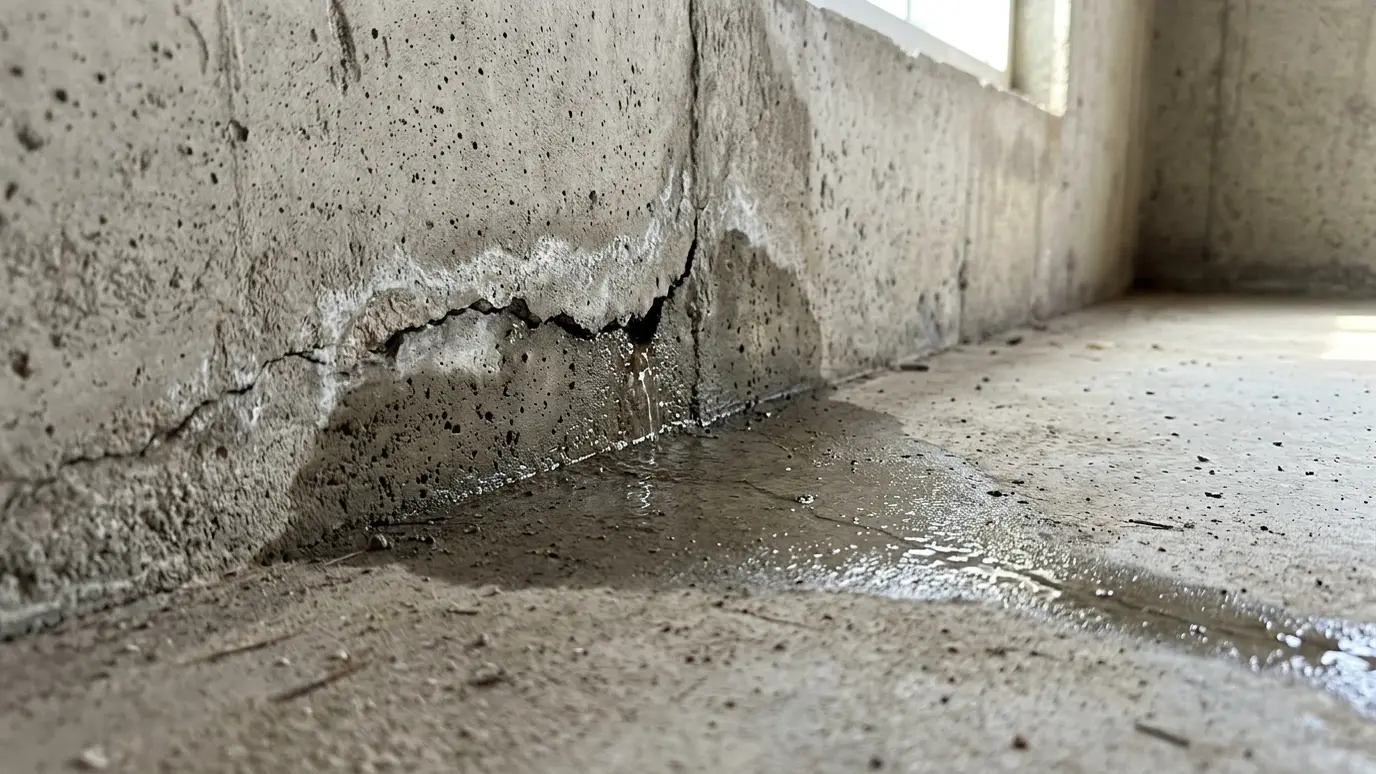 Basement Leak RepairA leaking crack, joint or wall gets traced to its source and repaired, so the next storm is…Explore
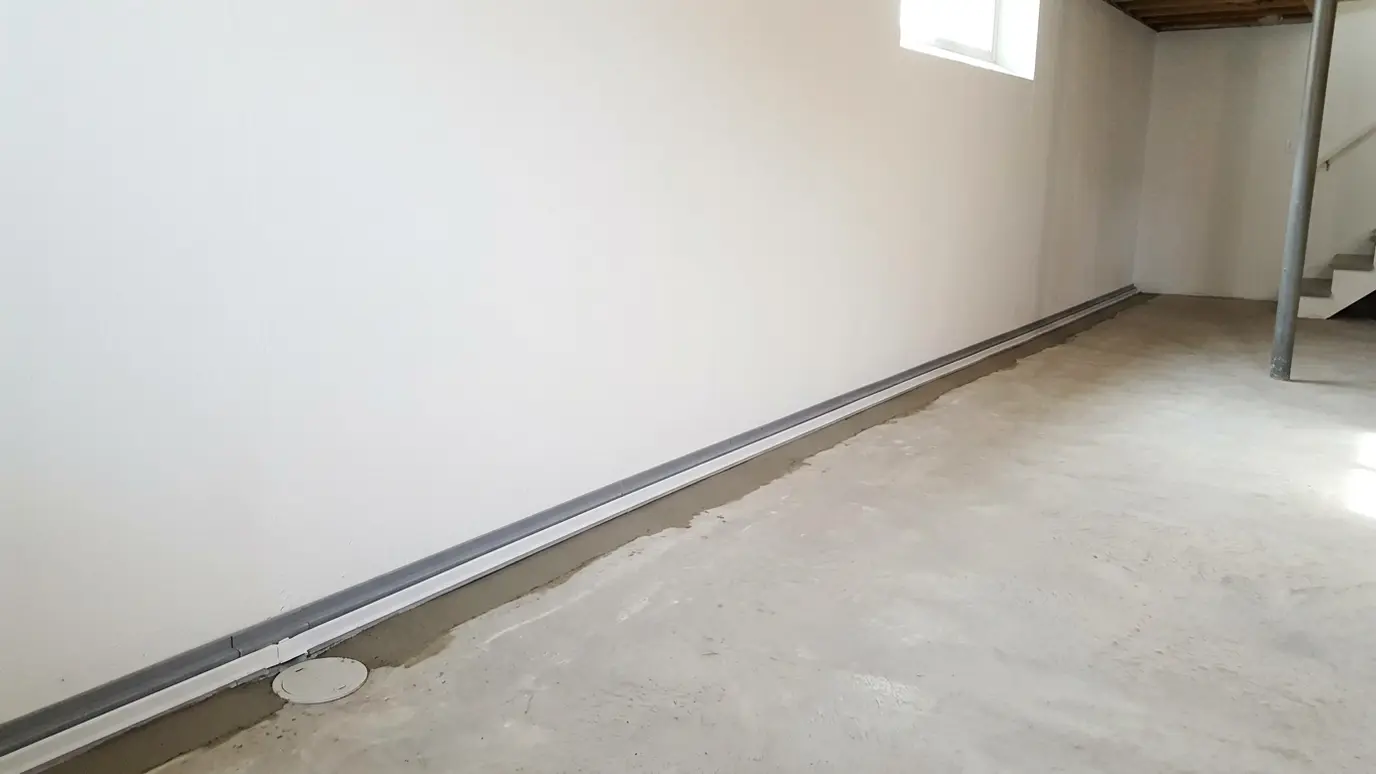 Basement WaterproofingA dry basement comes from a complete plan: manage the water outside, give it a path inside and…Explore
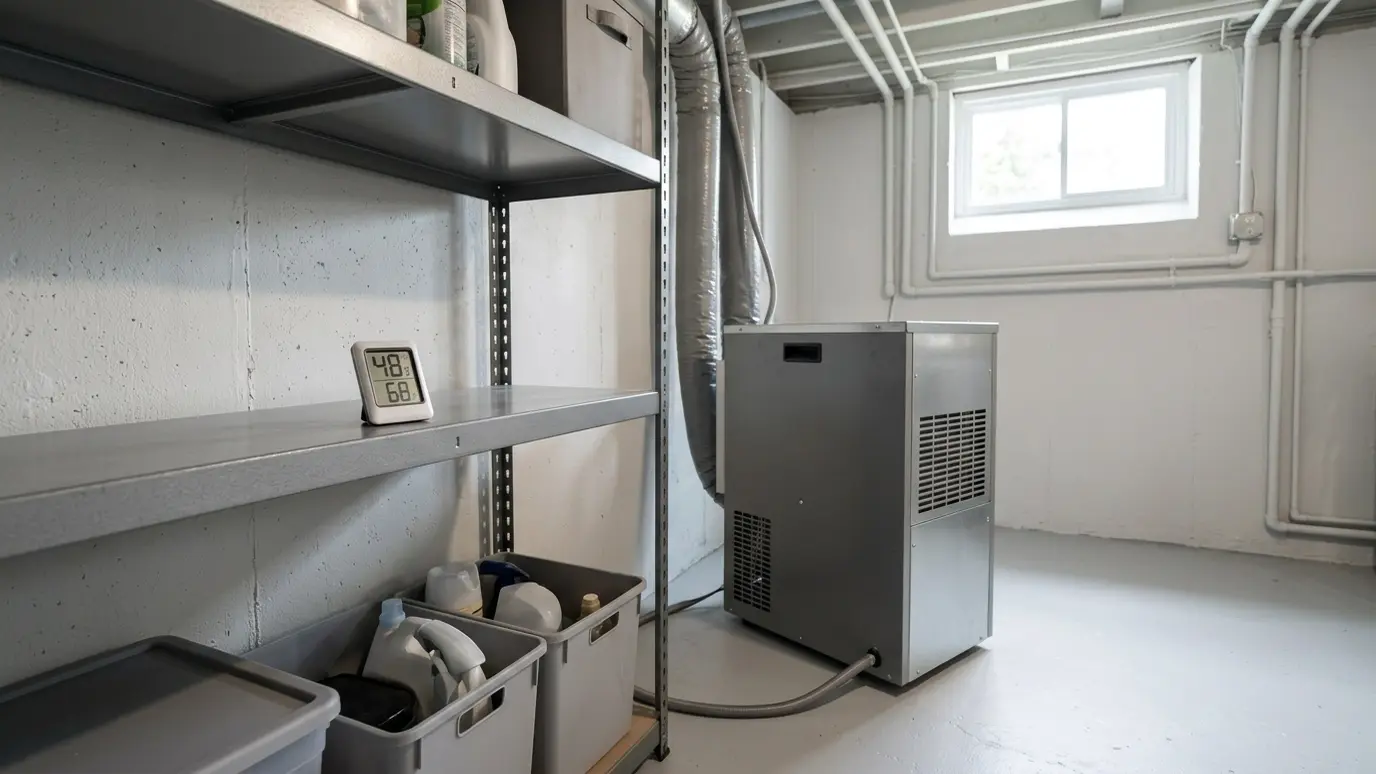 Humidity and Moisture ControlDry air, dry wood and a dry foundation: the systems that keep humidity in a safe range in…Explore
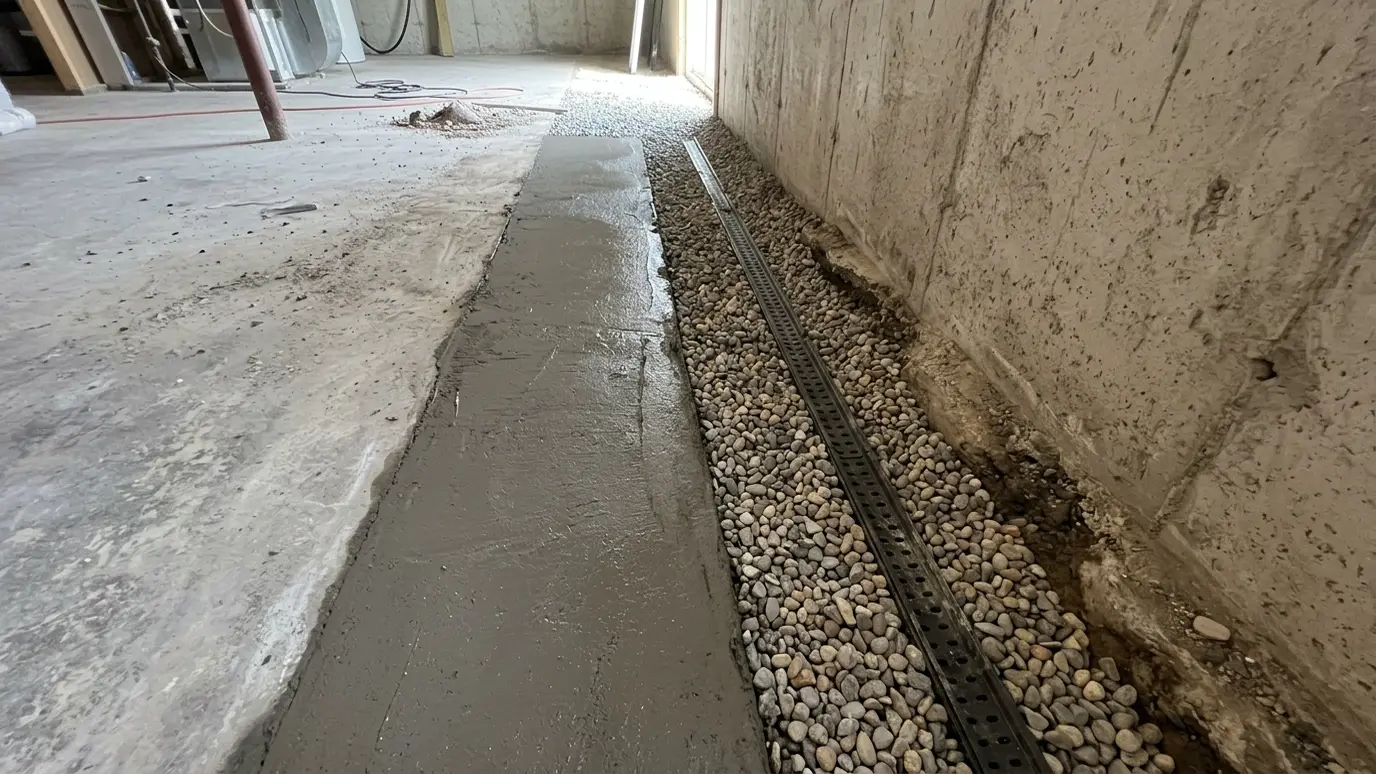 Interior Drain SystemsA drain along the inside of the footing catches water at the floor joint and carries it to…Explore
Tell us about the project and we will call you back to talk it through.
Or call (615) 357-7797 to talk now.