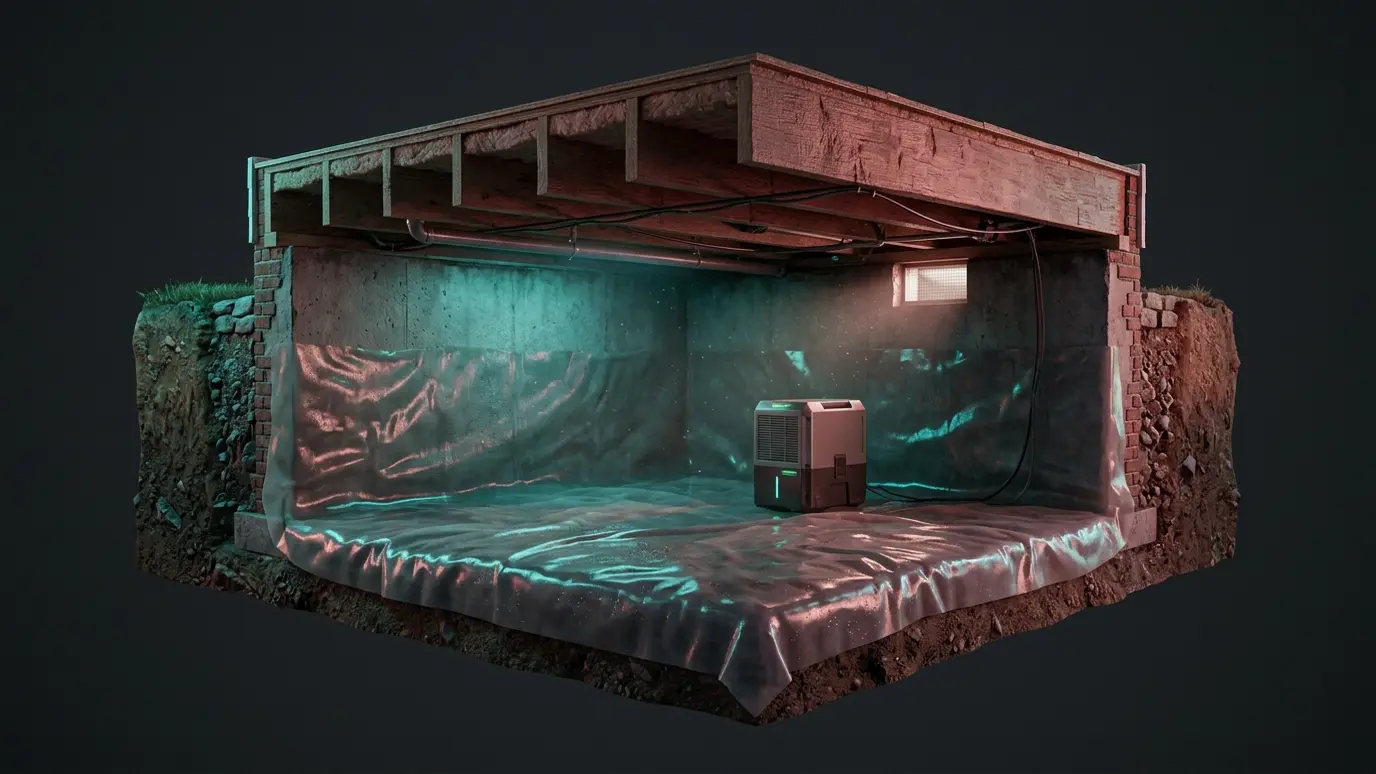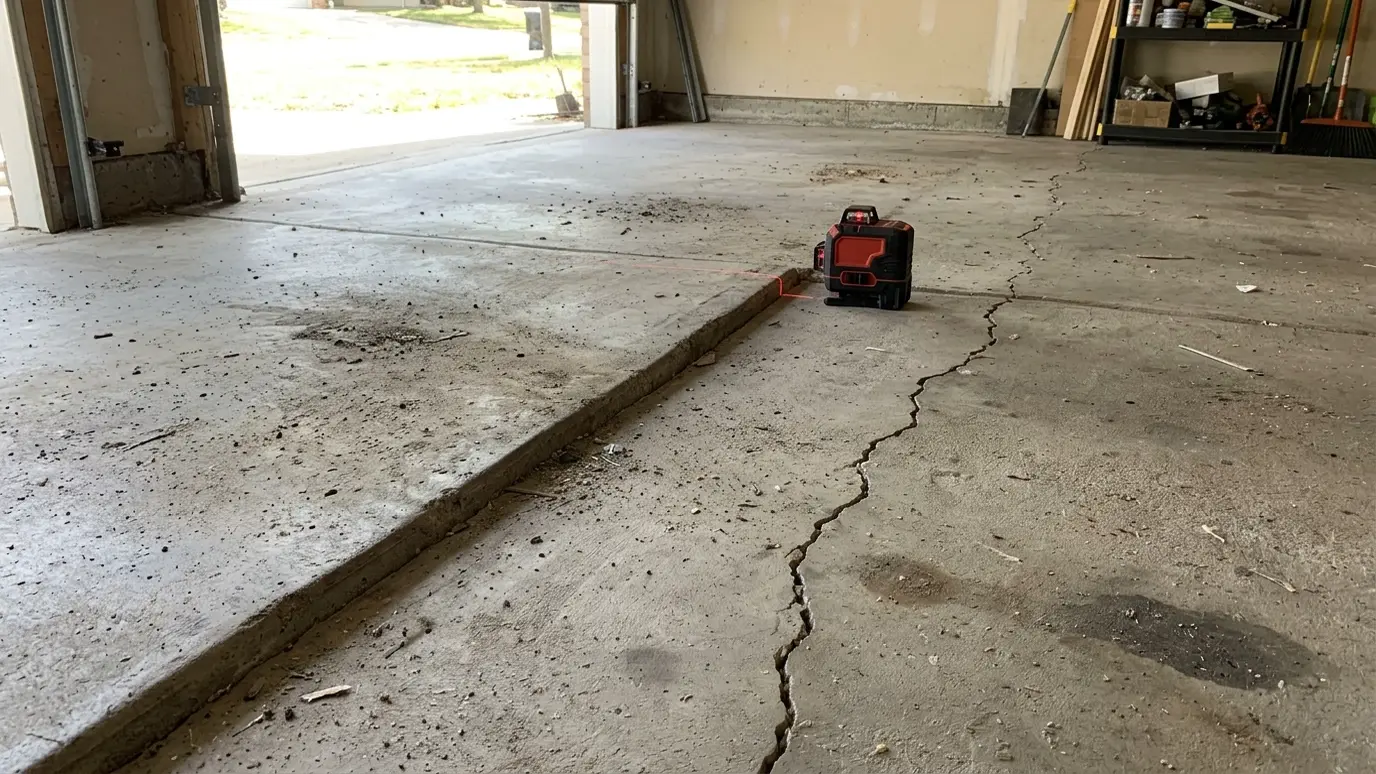
Sunken garage floors and uneven basement slabs are lifted and sealed, so water drains and equipment sits level.
Garage floors and basement slabs sink for the same reasons outdoor slabs do: soil settles, water washes it away or the original fill was never packed well. Inside, the effects are felt in different ways: puddles that will not drain toward the floor drain, a car that rolls toward one corner, a workbench that rocks and a basement floor that cracks and shifts.
We map the floor with a level, locate the voids and lift the slab from small holes. Because the work is inside, we protect finished areas and keep dust to a minimum. Cracks are sealed after lifting to stop moisture and radon from entering through them, and slopes are corrected so water goes to the drain. In a basement we also look at the source of any water, since lifting a floor does not stop leaks that come from the wall. Inside work calls for a little extra care, so we cover finished areas, keep the dust down and leave the space as clean as we found it. We also tell you what to expect during the cure, which is usually only a short wait before the floor can carry its normal load again.
A floor that slopes the wrong way holds water. Lifting restores a fall toward the drain or door.
Sunken basement floors are lifted and sealed, so finishing materials can go down flat.
Crack sealing blocks moisture and soil gases from entering through the slab.
We use small holes, small equipment and protective covers to keep the space clean.
Drag the handle to compare.
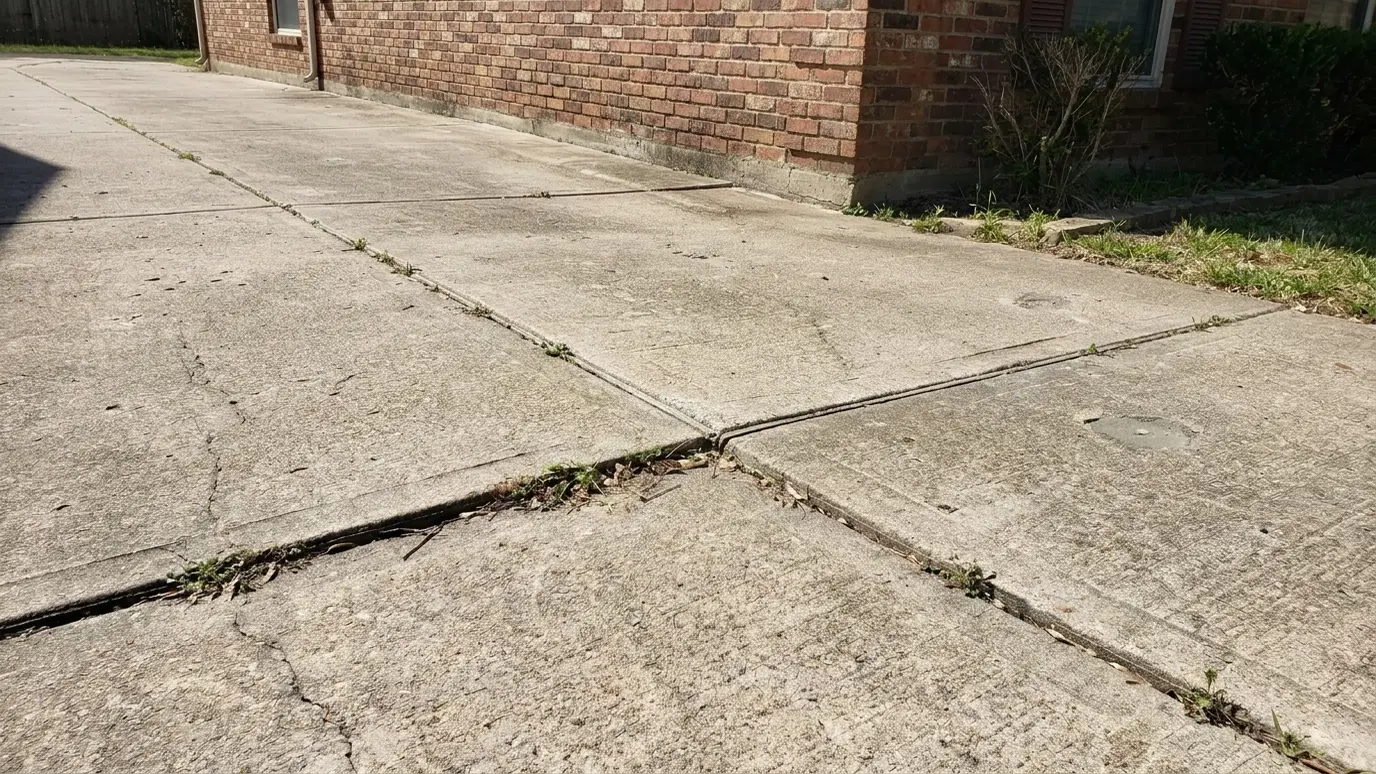
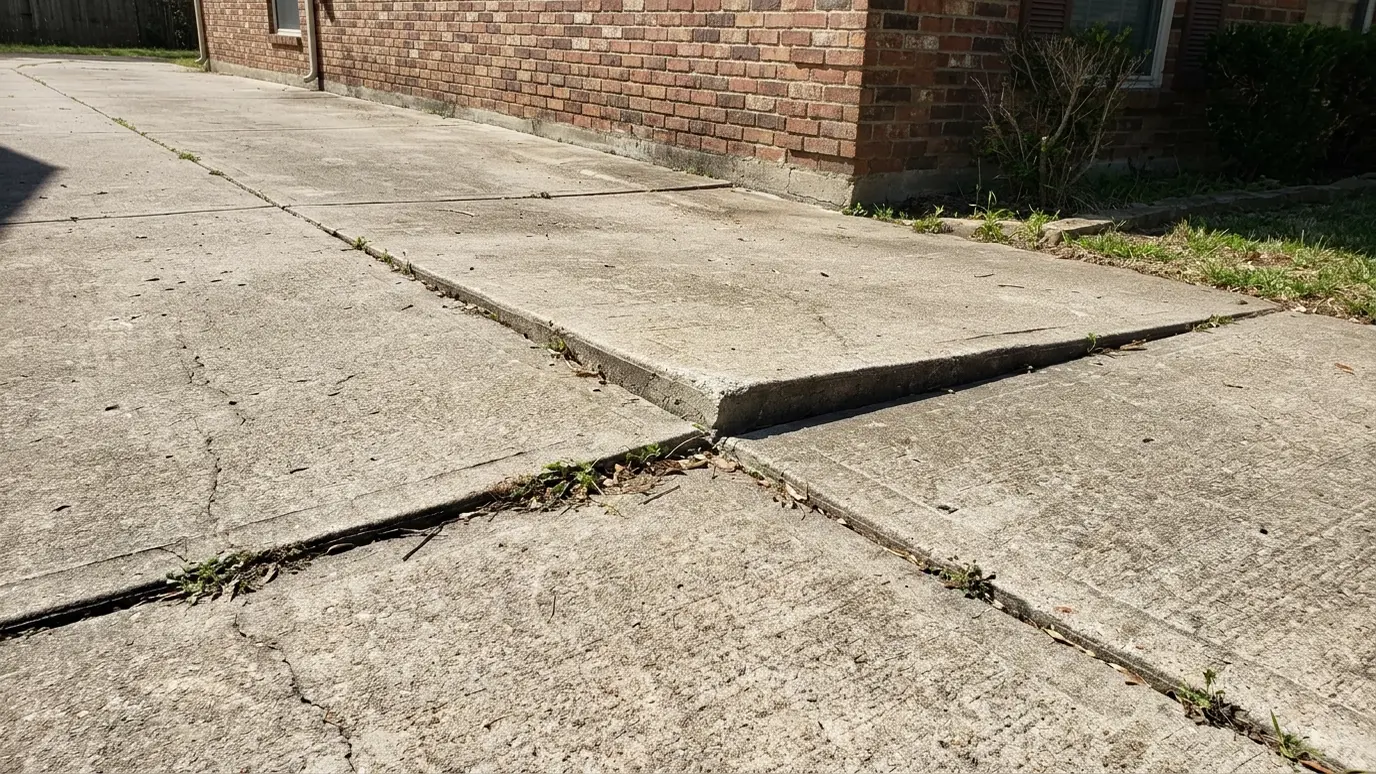 BeforeAfter
Water drains right.
Quick cure.
Moisture and gas blocked.
Flat for flooring.
Protected spaces.
Not only the symptom.
Every topic has its own page with what to expect and how we approach it.
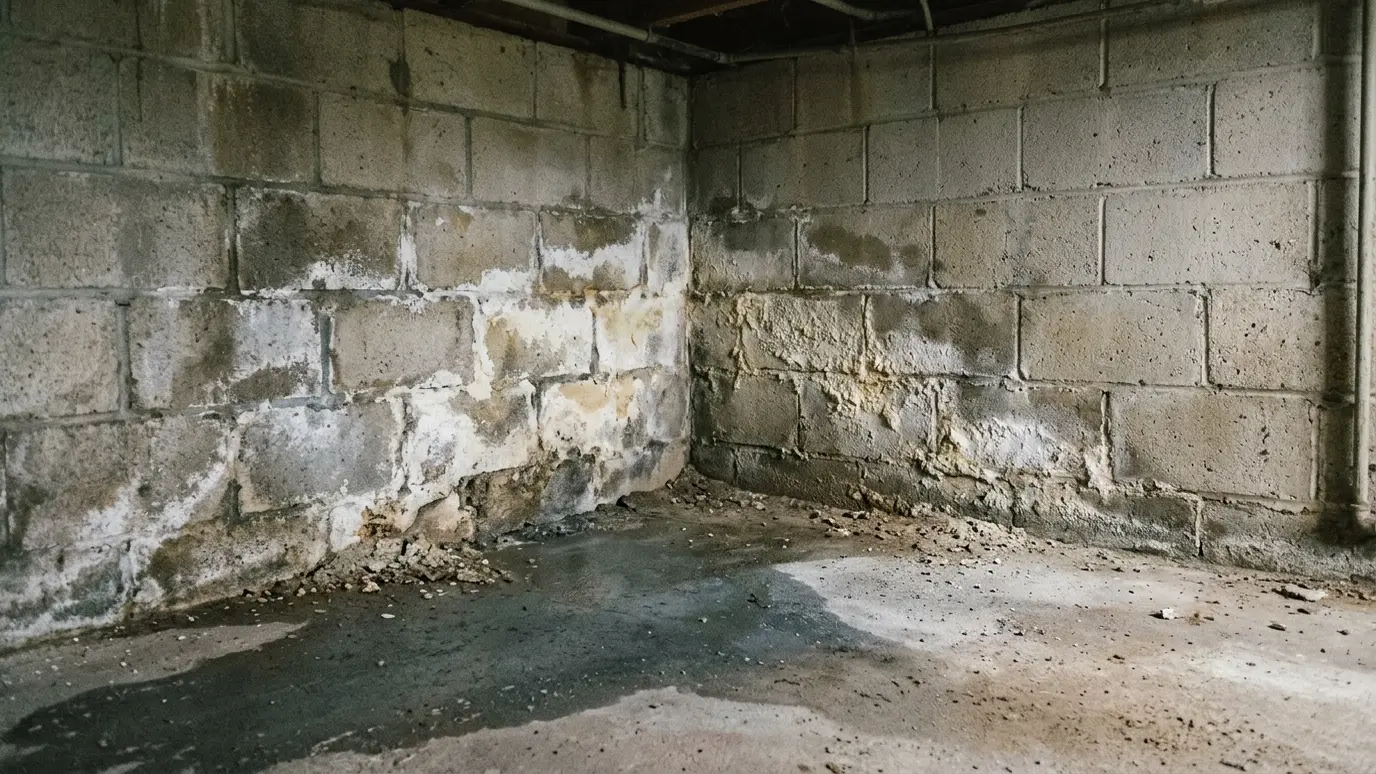 Project situationMusty Basements and Crawl SpacesA damp, earthy smell is a sign of moisture below. Fix the source and the whole house smells…Learn more
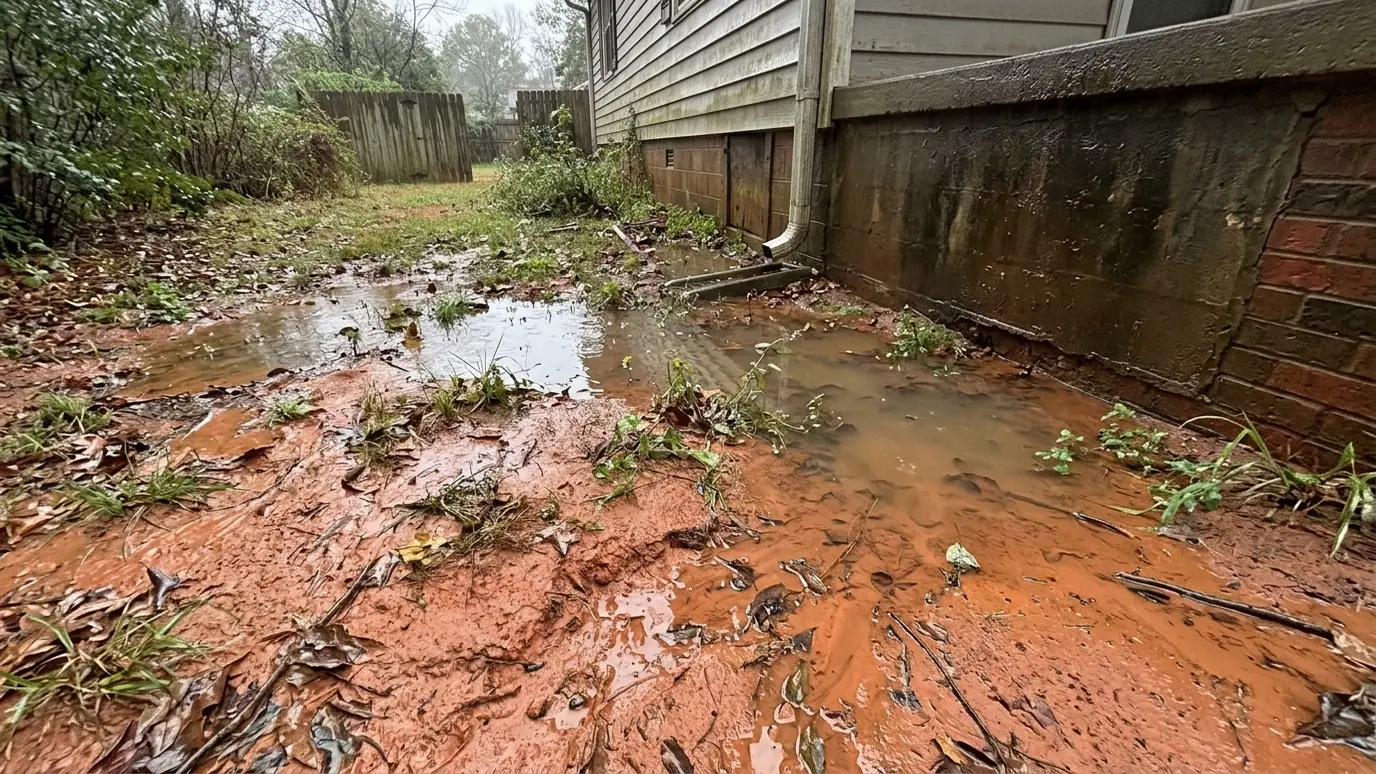 Project situationClay Soil and Wet YardsMiddle Tennessee clay swells when wet and shrinks when dry. That movement is behind many cracks, leaks and…Learn more
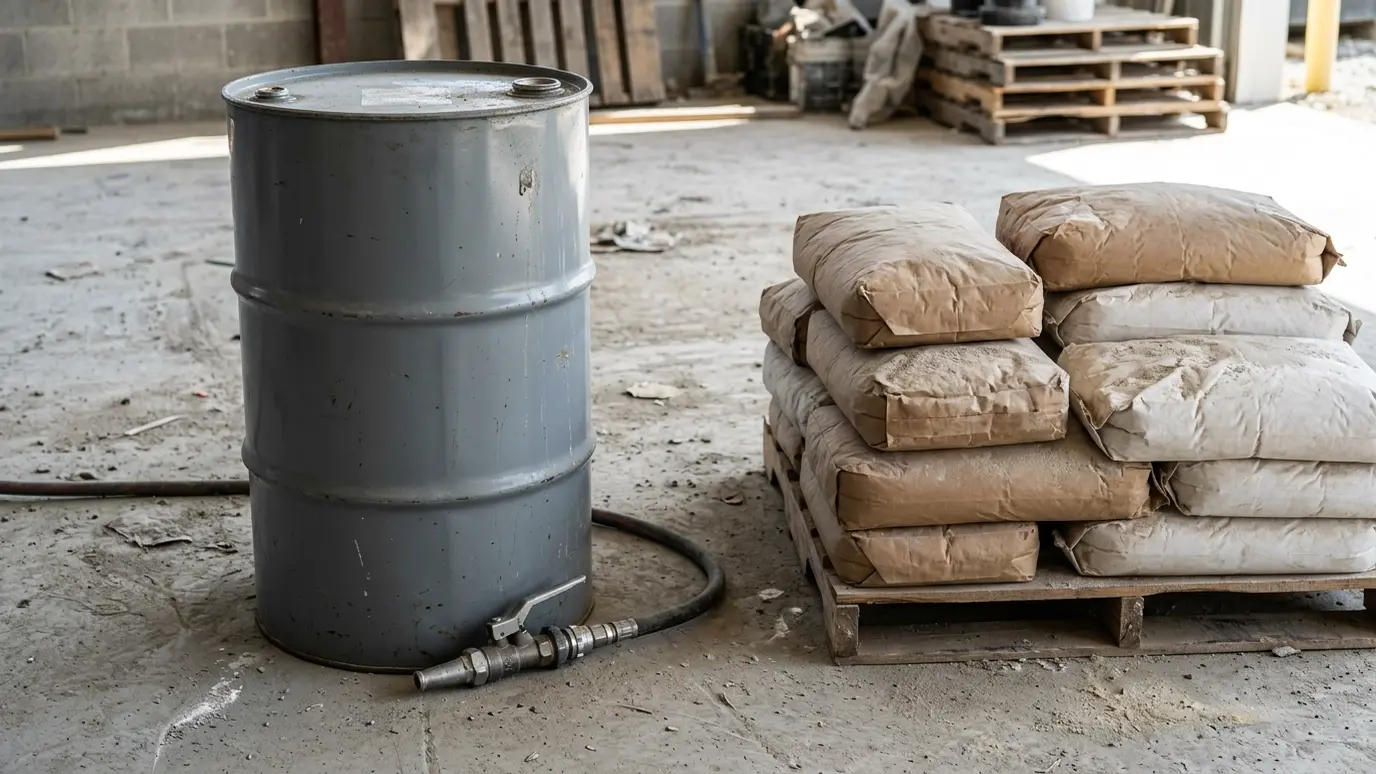 Material guideLifting Foam and GroutFoam and grout both raise sunken concrete. Here is how they differ and how we choose between them.Learn more
Enter a floor reading, door gap and crack notes to see how your floor compares and what to do next.
You tell us what you have noticed, a crack, a damp smell, a sloping floor or standing water, and we set a visit that fits your day.
We look closely inside and out, measure floors and cracks, check moisture and drainage and take photos of anything of note.
We explain what is urgent, what can wait and what is optional, and give you a written scope and options.
We lay floor protection, mark utilities, protect landscaping and set up before any digging or drilling begins.
We install, seal, lift or repair with the right tools and materials, checking our work as we go.
We clean up, restore the surface, show you what we did, share care tips and set a reminder for your next check.
The slab may have sunk or tilted away from the drain. Lifting can restore the slope.
Yes, from small holes, with minimal dust.
No. Wall and joint leaks need their own repair. We check both.
Yes. A flat, sealed slab is a good base for flooring.
Small holes and protective covers keep it tidy.
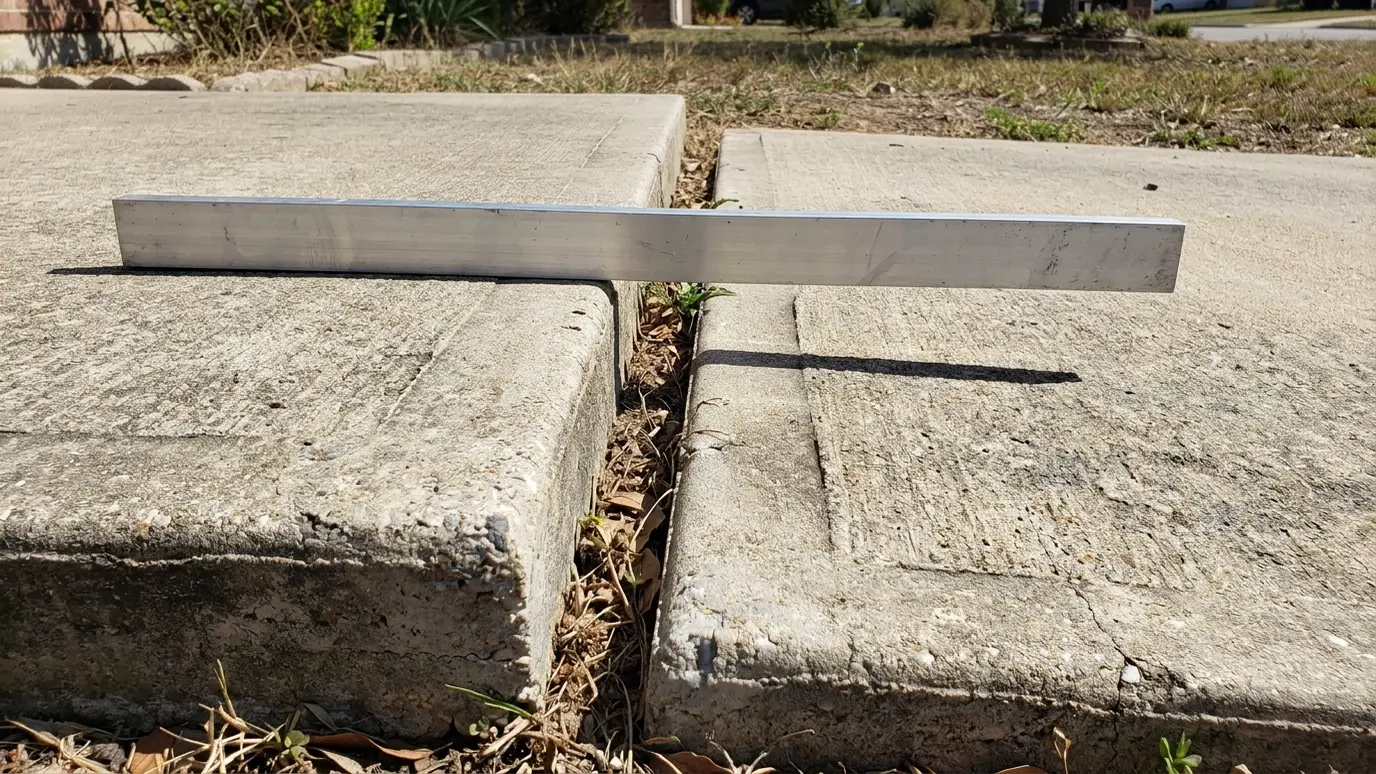 Concrete LevelingSunken driveways, sidewalks, patios and floors are lifted back to level without tearing out the concrete.Explore
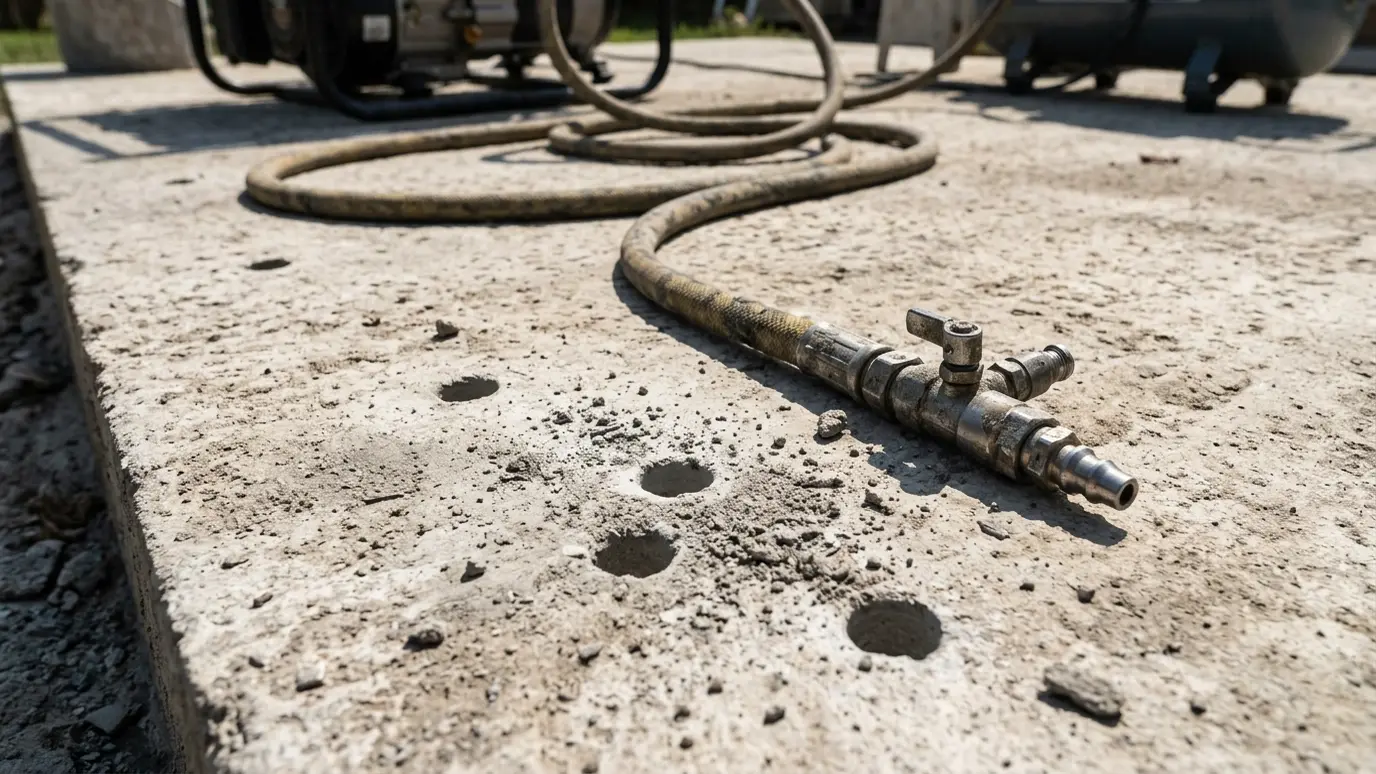 Foam LiftingLightweight foam injected under a slab expands, fills voids and lifts concrete quickly, from small holes, with a…Explore
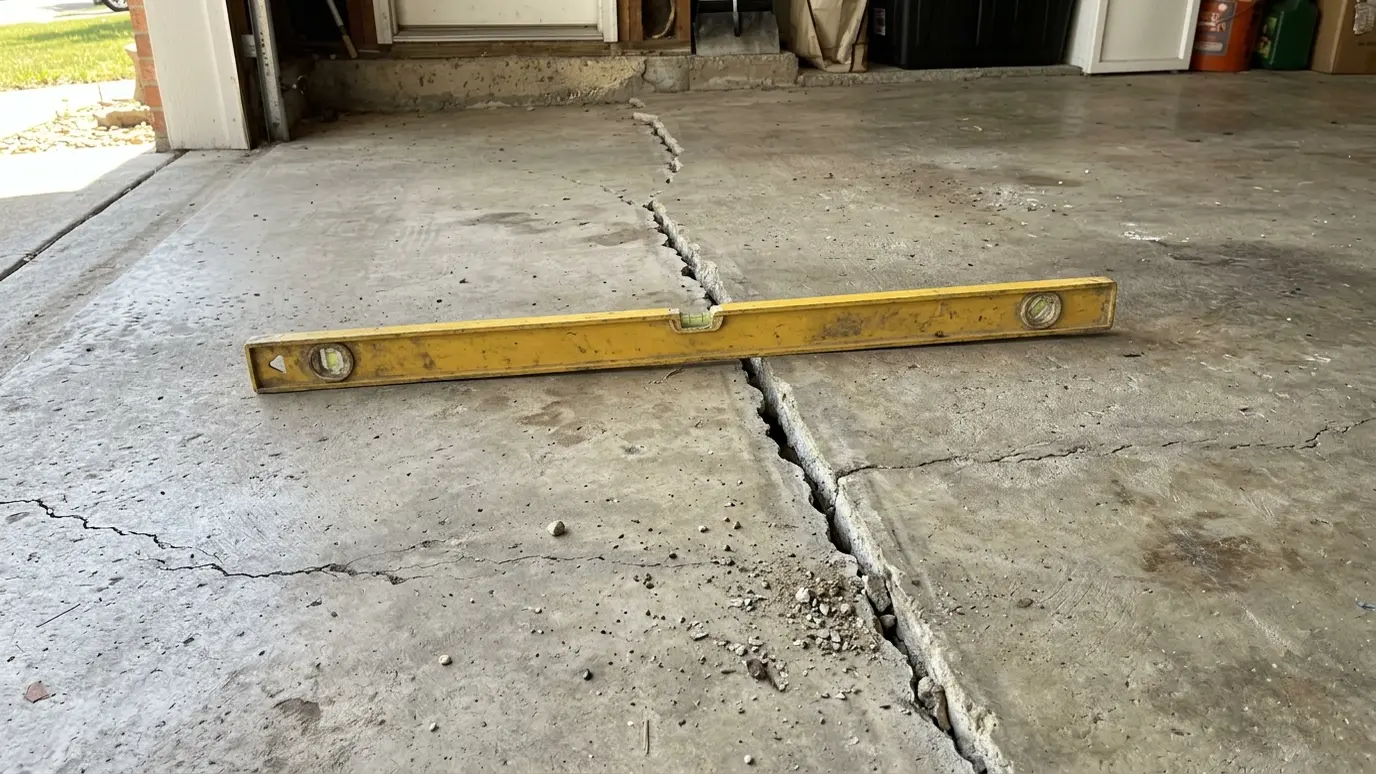 Slab Foundation RepairSlab foundations crack, settle and heave. We repair the slab, stabilize what is under it and fix the…Explore
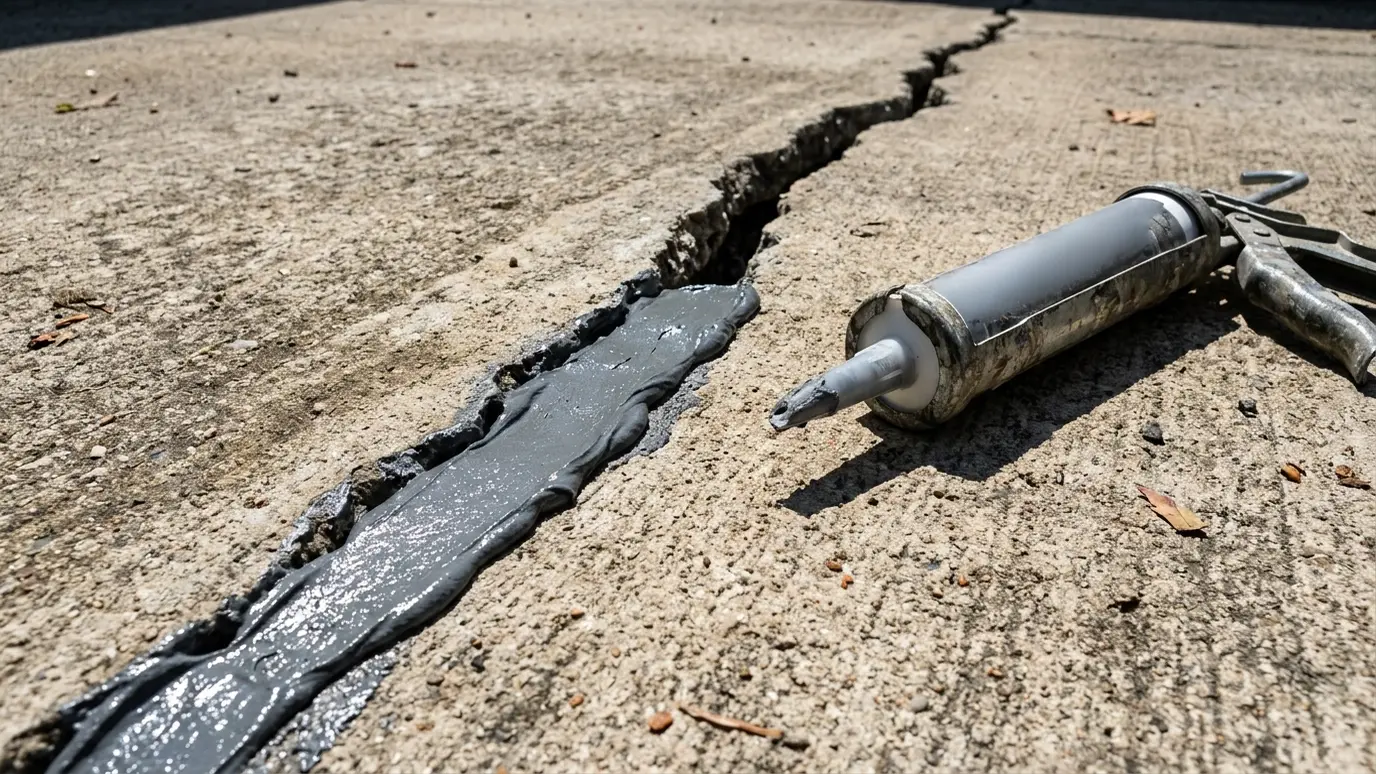 Concrete Crack SealingCracks in driveways, patios, walks and floors are cleaned and filled with flexible sealant, so water cannot get…Explore
Tell us about the project and we will call you back to talk it through.
Or call (615) 357-7797 to talk now.