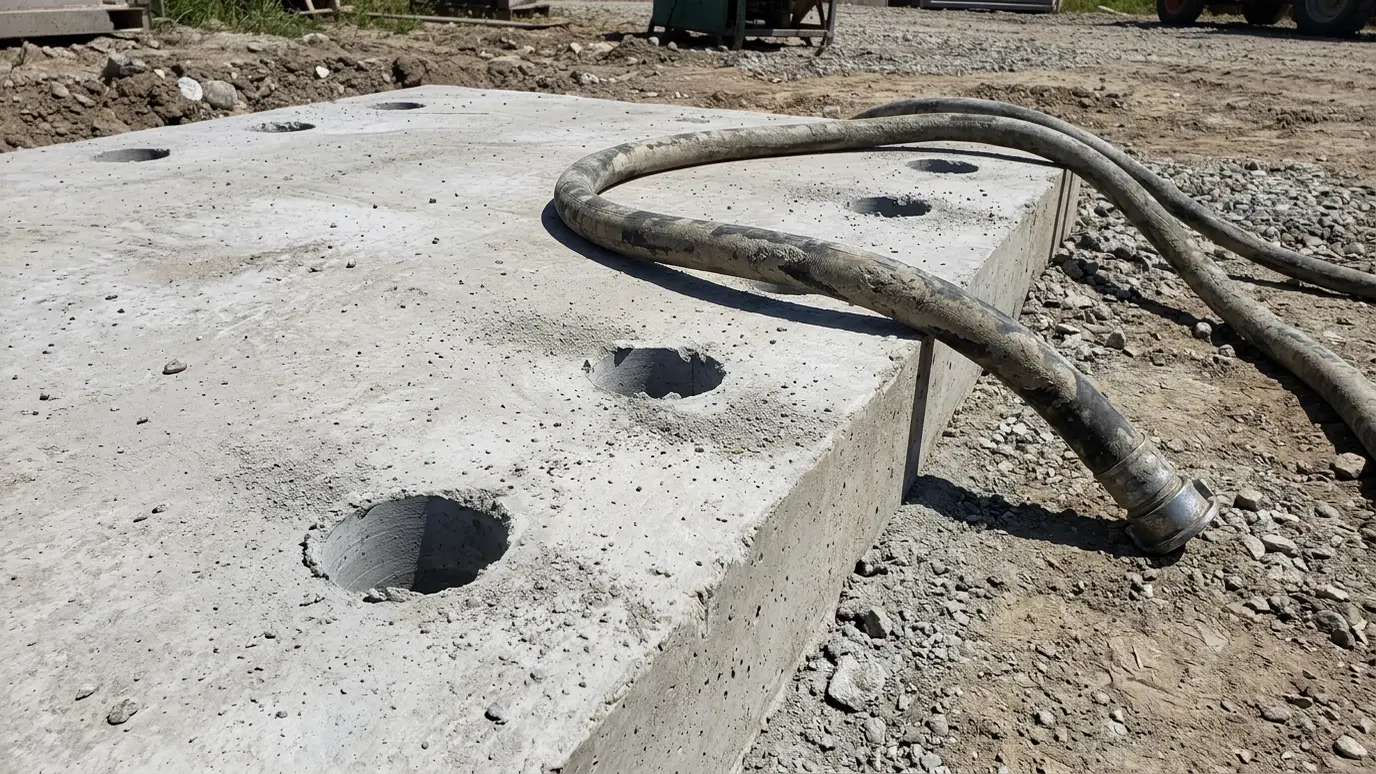
A cement-based slurry pumped under a slab raises it back to level, a time-tested method for heavy, thick concrete.
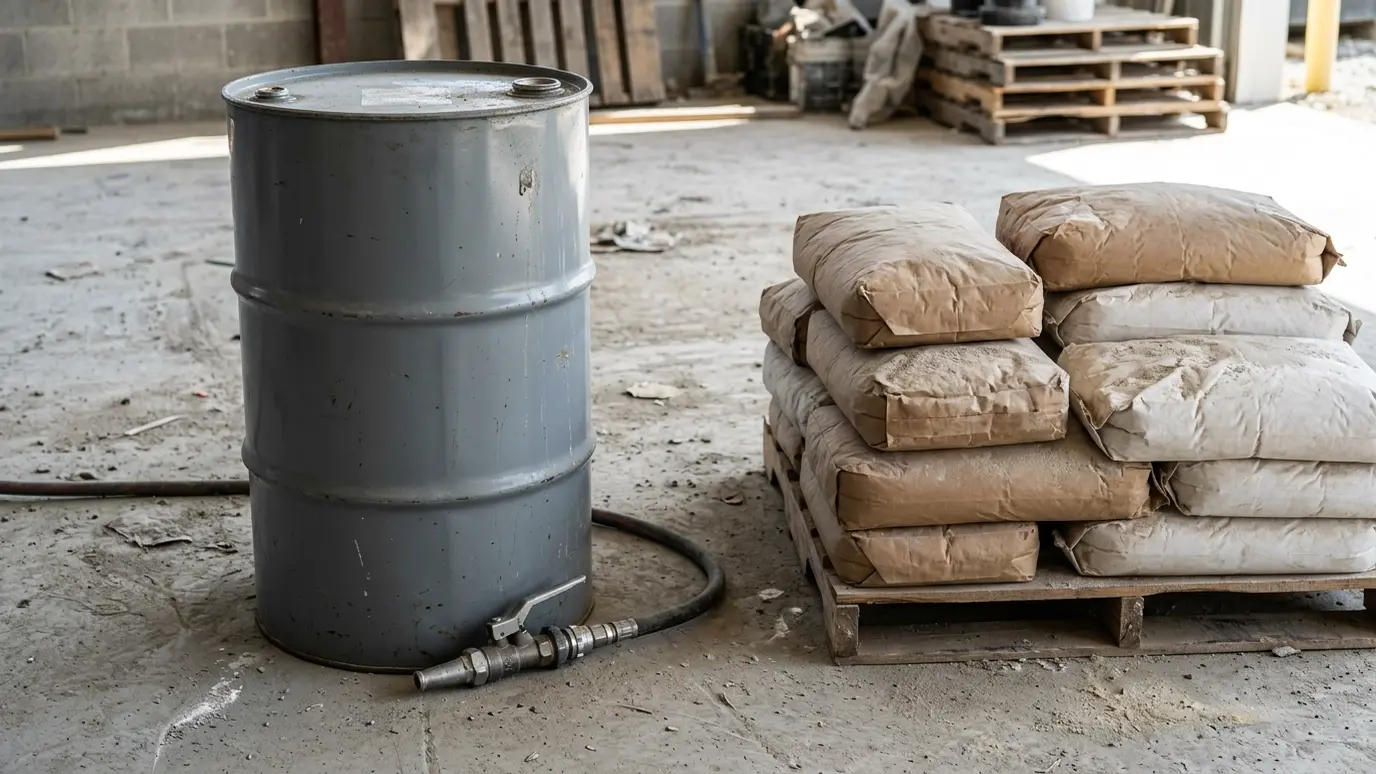
Mudjacking, also called slabjacking, has been used for decades to raise sunken concrete. A slurry of cement, sand and water is pumped under the slab through holes drilled in the surface. As the slurry fills the void and builds pressure, the slab rises. When it reaches the right height, the holes are patched and the grout hardens to a stable base.
Because the slurry is heavy, mudjacking suits thick slabs, large voids and projects where the added weight is not a concern. It is also a strong fit when the budget needs to stretch across a large area. We explain the tradeoffs in plain language, since foam is lighter and cures faster while grout costs less per cubic foot of void. We pick the method that suits the soil, the slab and your priorities. Many owners ask which is better, and the honest answer is that both work. The choice depends on the thickness of the slab, the softness of the soil and how soon you want to use the surface again.
We drill holes about the size of a golf ball in a planned grid and pump the mix in under controlled pressure.
The cement-based mix suits large voids and thick slabs, and it hardens to a solid base.
Grout takes longer to cure than foam, so we give instructions on how soon you can drive or walk on the surface.
On very soft soil or where speed is crucial, foam is often the better choice. We help you compare.
Drag the handle to compare.
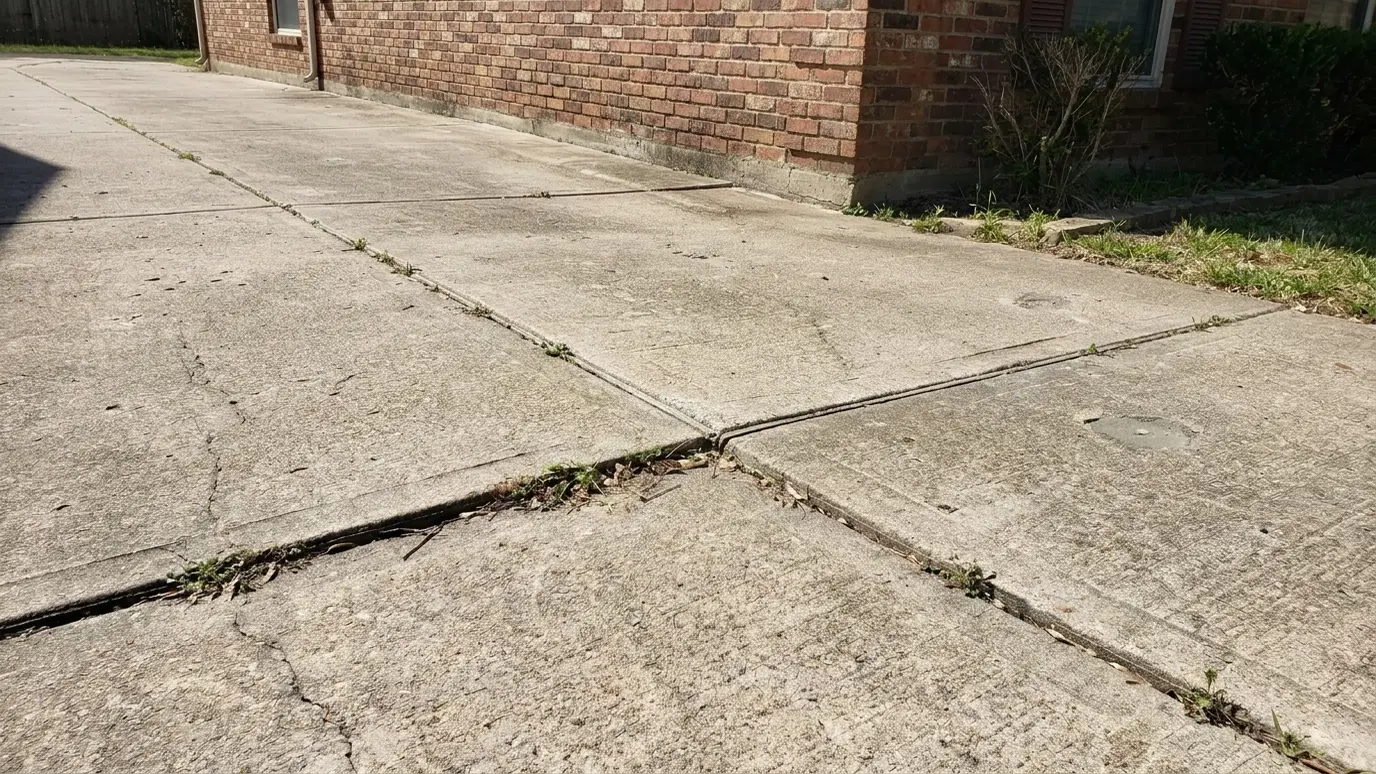
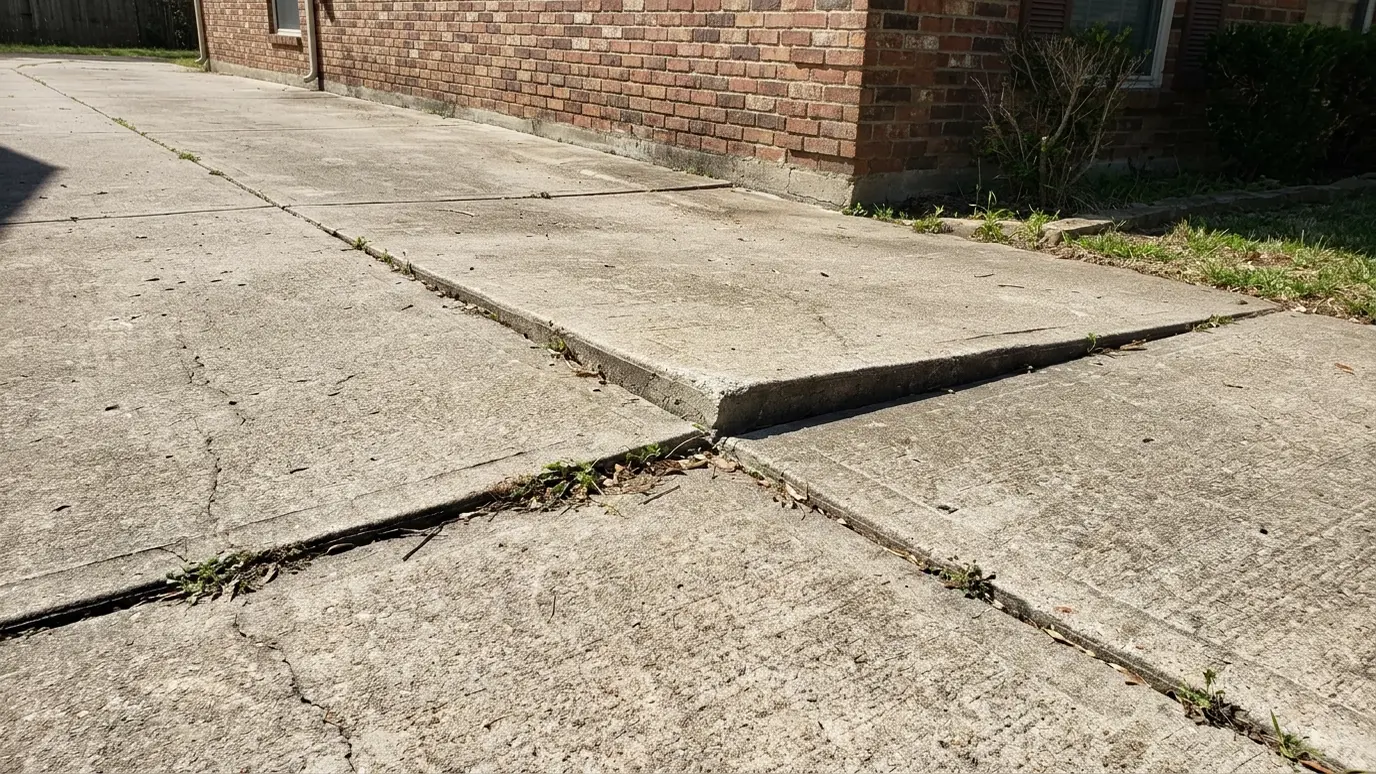 BeforeAfter
Decades of use.
Efficient.
Heavy, solid fill.
Measured results.
Know when to use it.
Tidy finish.
Every topic has its own page with what to expect and how we approach it.
 Material guideLifting Foam and GroutFoam and grout both raise sunken concrete. Here is how they differ and how we choose between them.Learn more
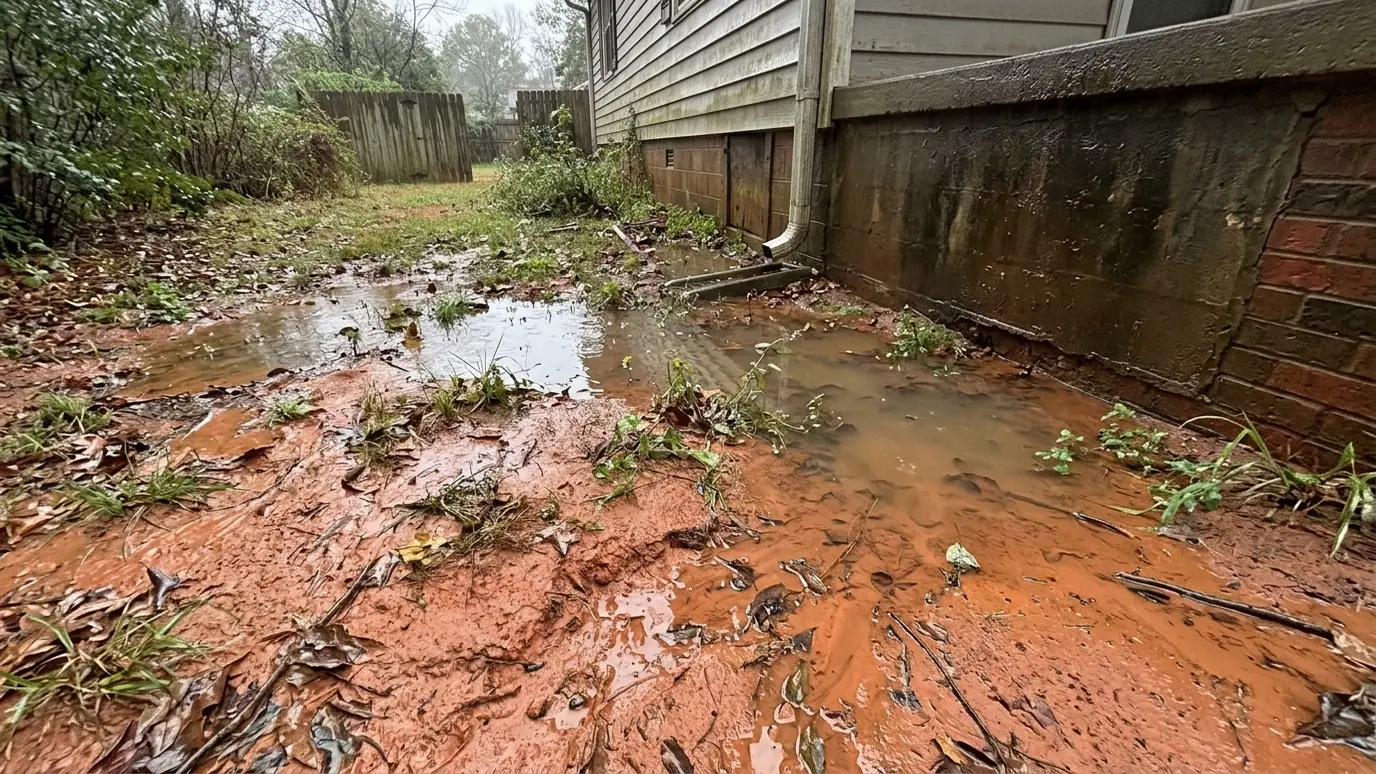 Project situationClay Soil and Wet YardsMiddle Tennessee clay swells when wet and shrinks when dry. That movement is behind many cracks, leaks and…Learn more
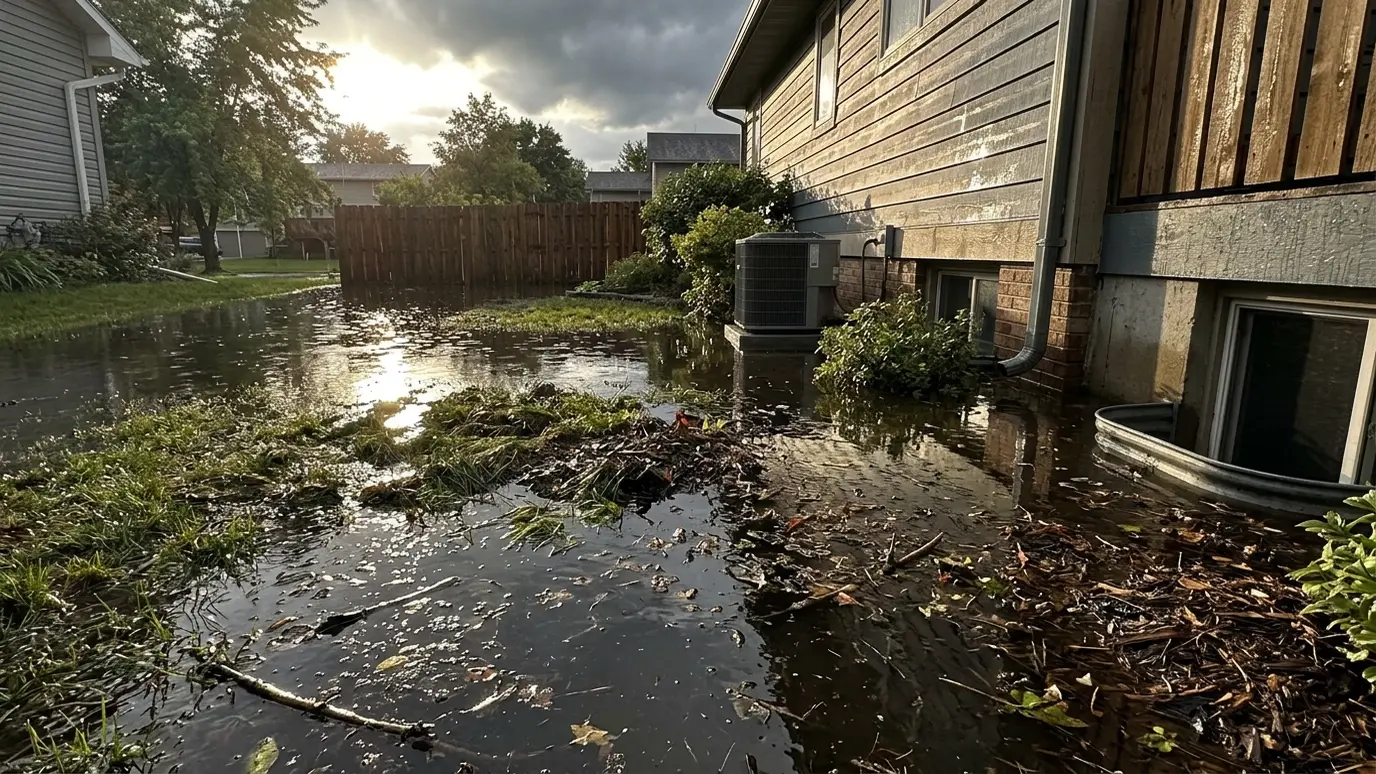 Project situationStorm and Flood DamageAfter heavy rain or flooding, foundations can shift and basements can fill. Here is how to protect your…Learn more
Enter a floor reading, door gap and crack notes to see how your floor compares and what to do next.
You tell us what you have noticed, a crack, a damp smell, a sloping floor or standing water, and we set a visit that fits your day.
We look closely inside and out, measure floors and cracks, check moisture and drainage and take photos of anything of note.
We explain what is urgent, what can wait and what is optional, and give you a written scope and options.
We lay floor protection, mark utilities, protect landscaping and set up before any digging or drilling begins.
We install, seal, lift or repair with the right tools and materials, checking our work as we go.
We clean up, restore the surface, show you what we did, share care tips and set a reminder for your next check.
Pumping a cement-based slurry under a slab to fill voids and raise the concrete.
The goal is the same. The material, weight, hole size and cure time differ.
Longer than foam. We give specific instructions for your job.
Yes, especially thick ones with large voids.
If the soil and drainage are sound, it should.
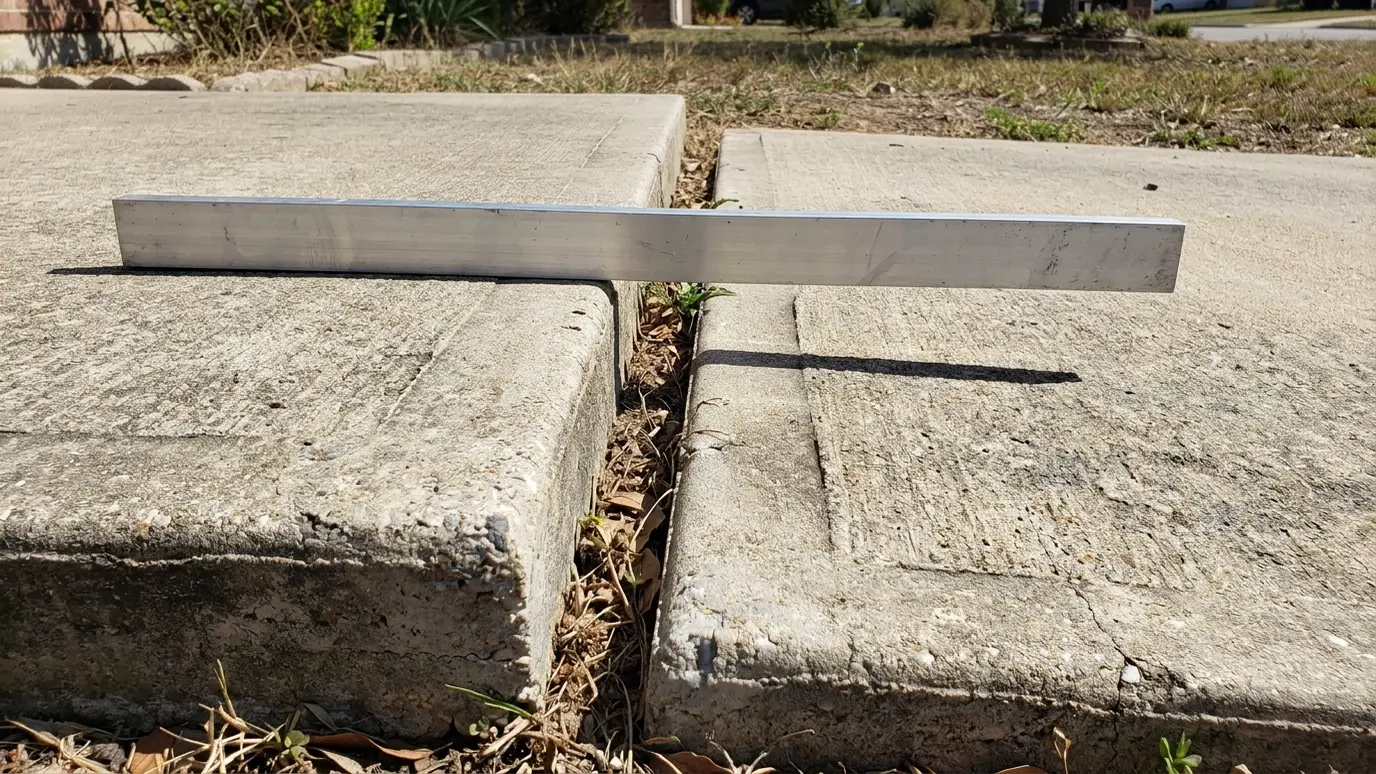 Concrete LevelingSunken driveways, sidewalks, patios and floors are lifted back to level without tearing out the concrete.Explore
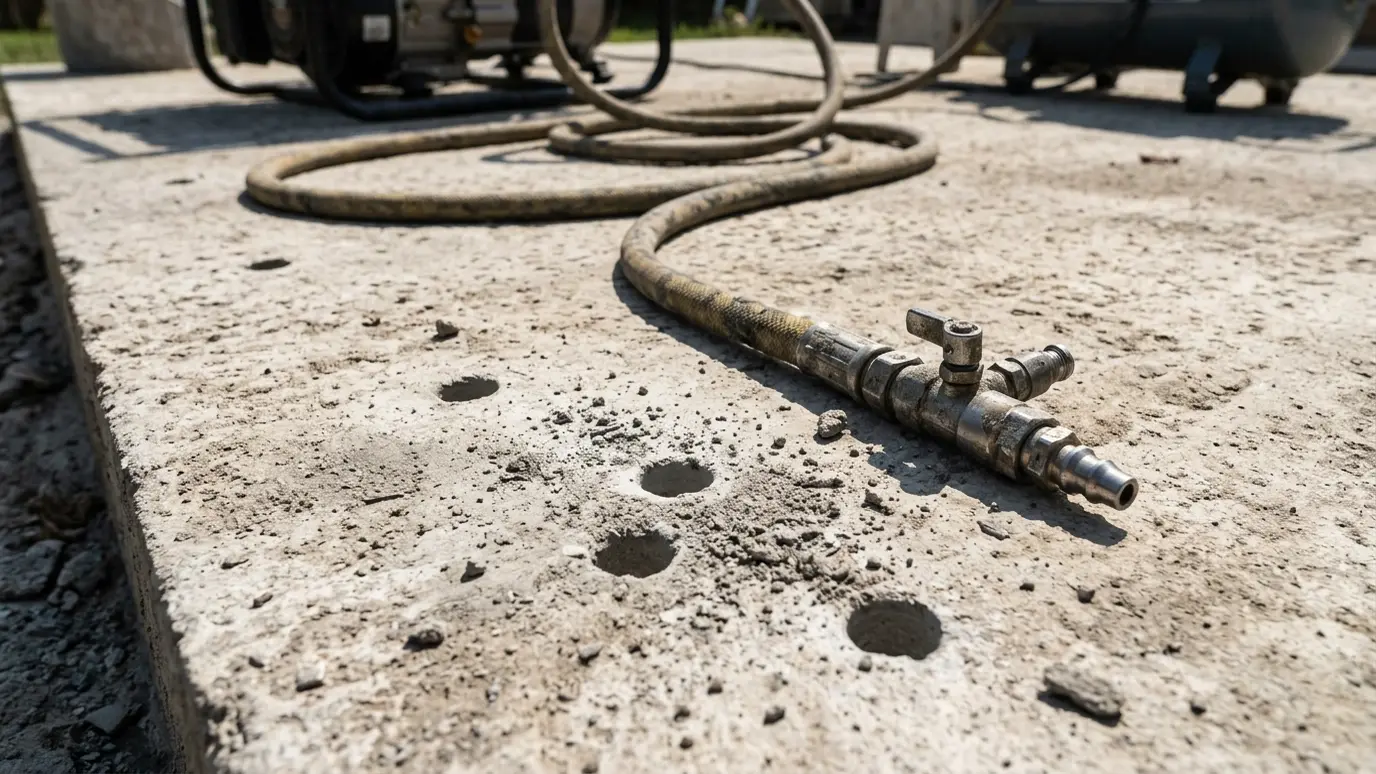 Foam LiftingLightweight foam injected under a slab expands, fills voids and lifts concrete quickly, from small holes, with a…Explore
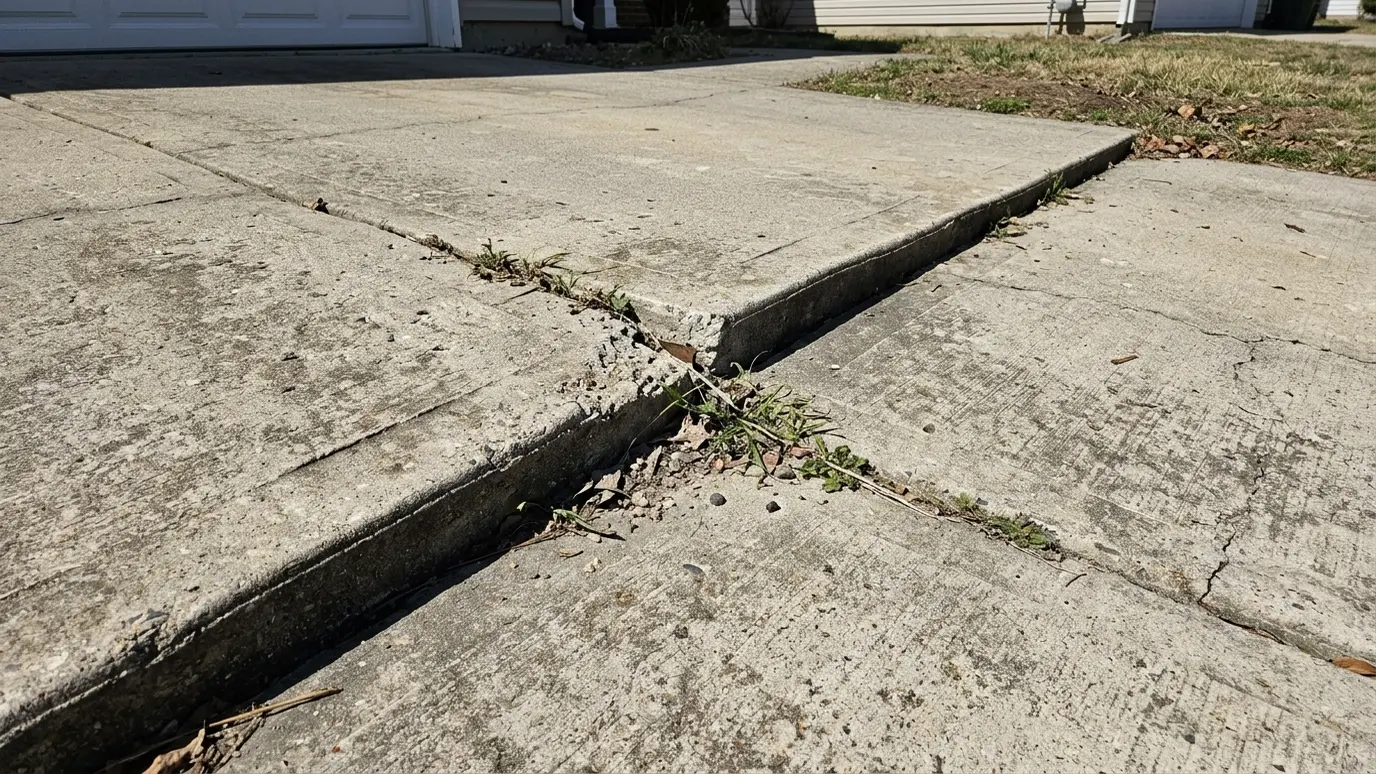 Driveway LevelingA driveway with a sunken slab, a step at the joint or a tilt toward the house can…Explore
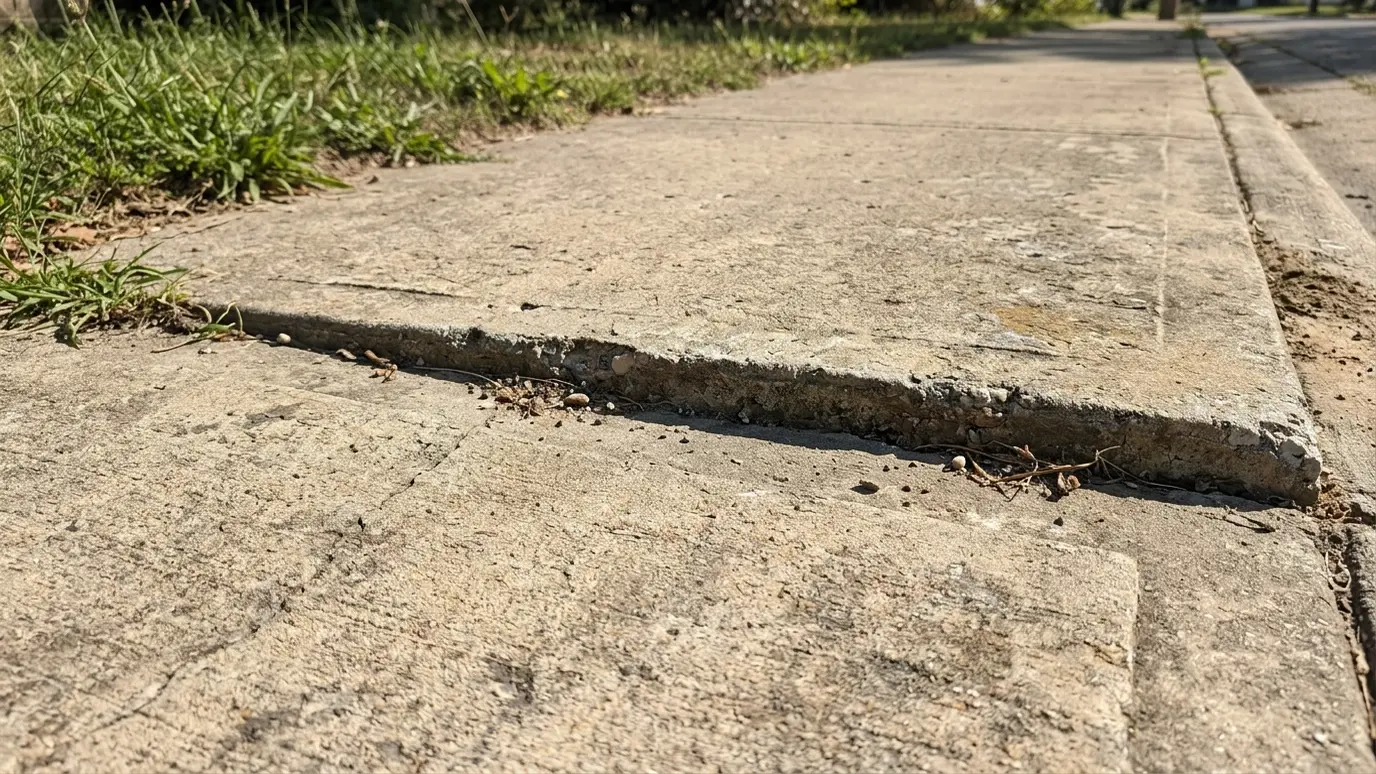 Sidewalk and Walkway LevelingA raised edge on a sidewalk is a trip hazard. We lift sunken slabs flush with their neighbors…Explore
Tell us about the project and we will call you back to talk it through.
Or call (615) 357-7797 to talk now.