What radon is
Radon is a natural radioactive gas produced as uranium in soil and rock breaks down. It moves up through the ground and can enter homes.
You cannot see or smell it.
Why test
Levels vary from house to house, so the only way to know is to test. Public health agencies recommend testing every home.
Tests are inexpensive and easy to do.
How to test
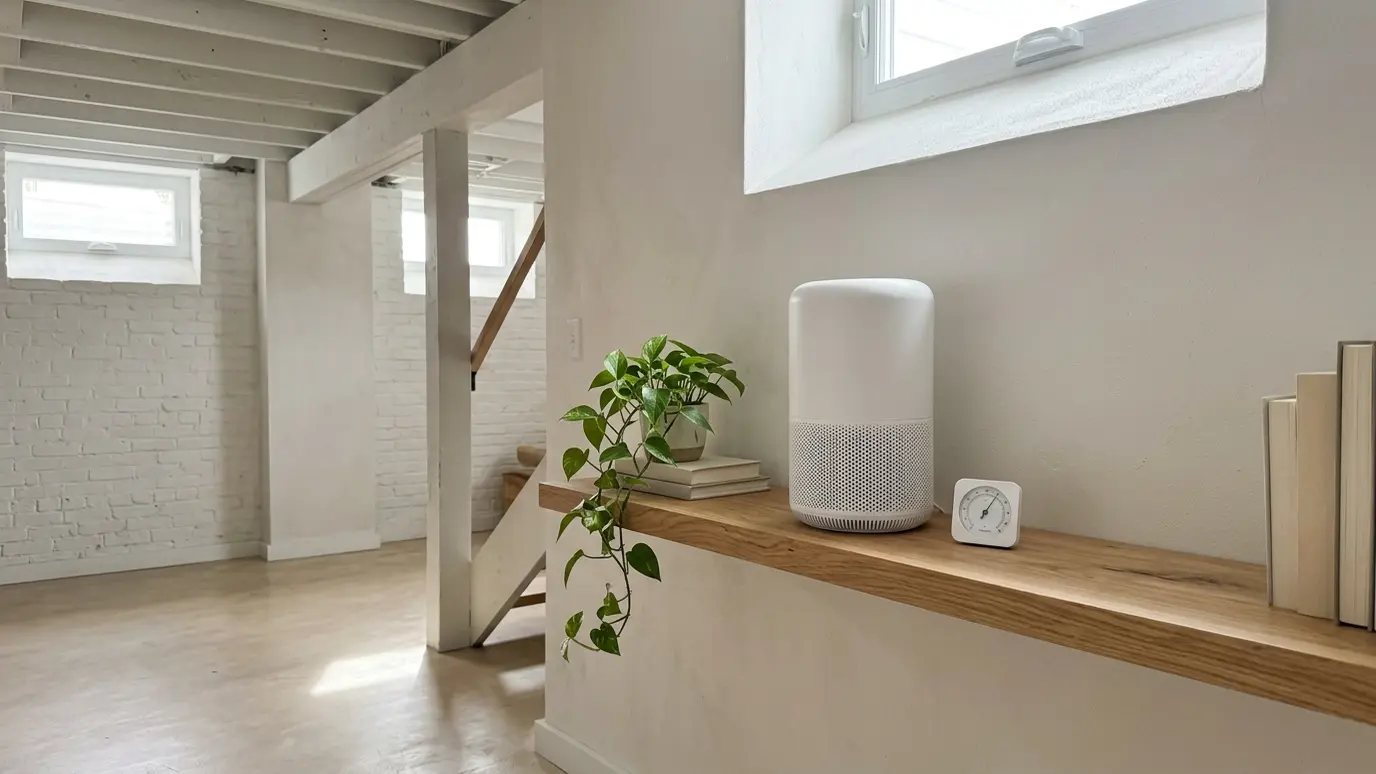
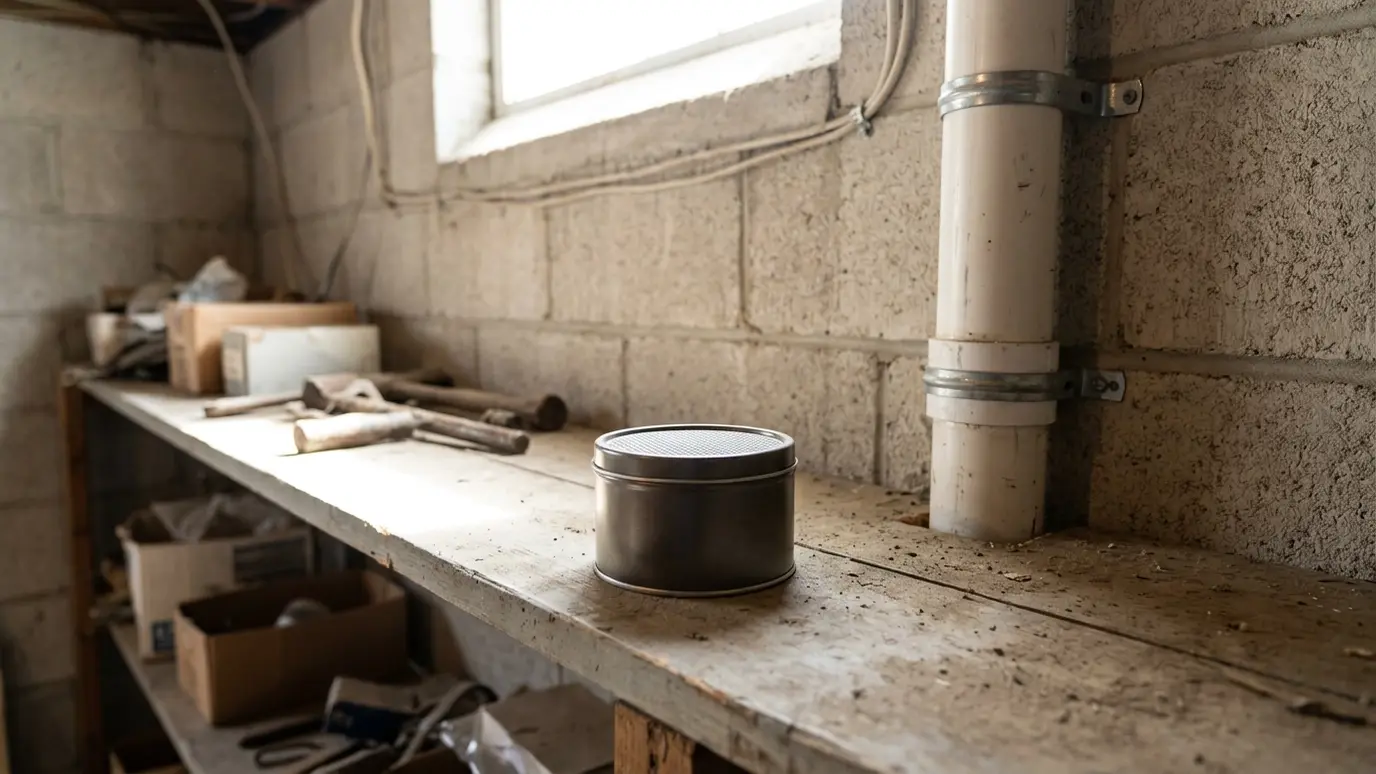
A short-term test takes a few days and a long-term test takes months. Place it in the lowest lived-in level, away from drafts, and follow the instructions.
Send it to the lab as directed.
Reading the result
Results are given in picocuries per liter. Agencies publish an action level, and lower is always better.
If the result is above the action level, repeat or follow up.
How mitigation works
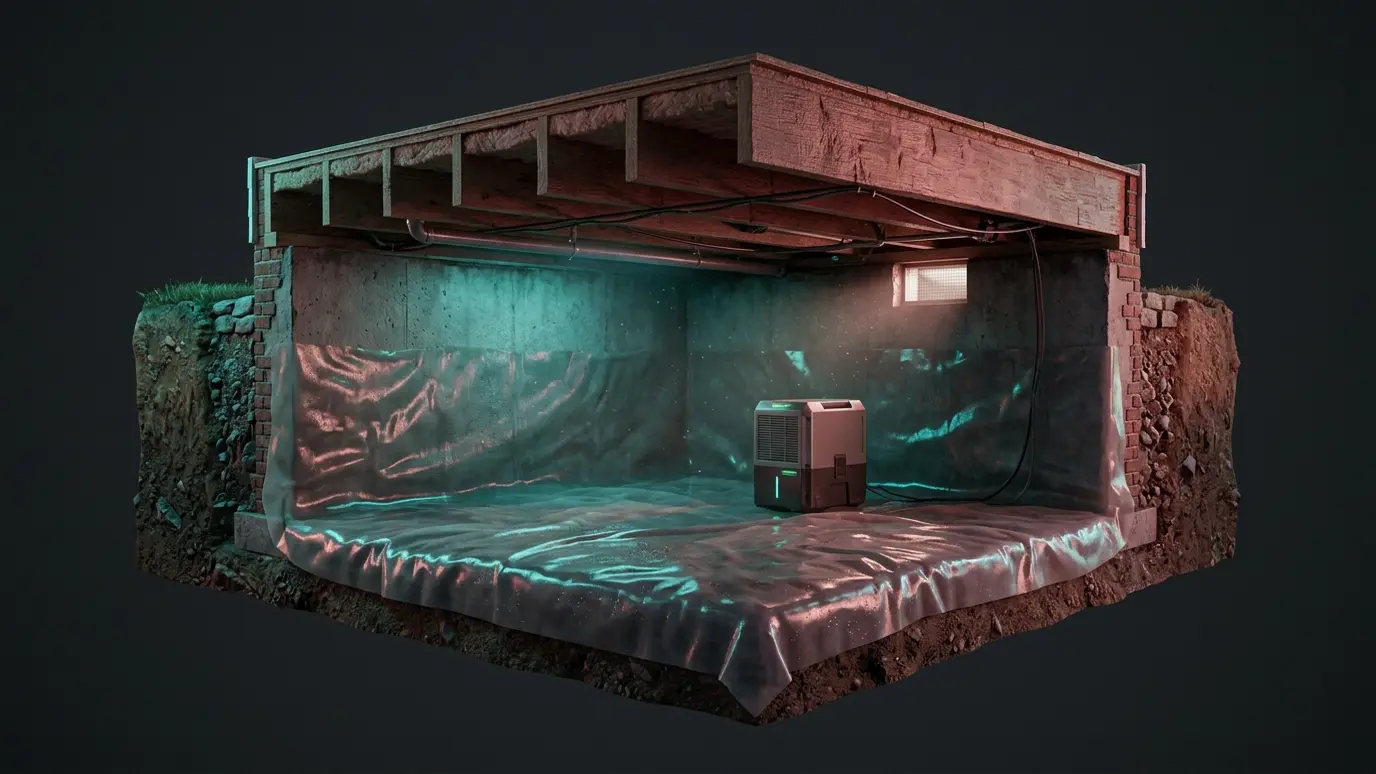
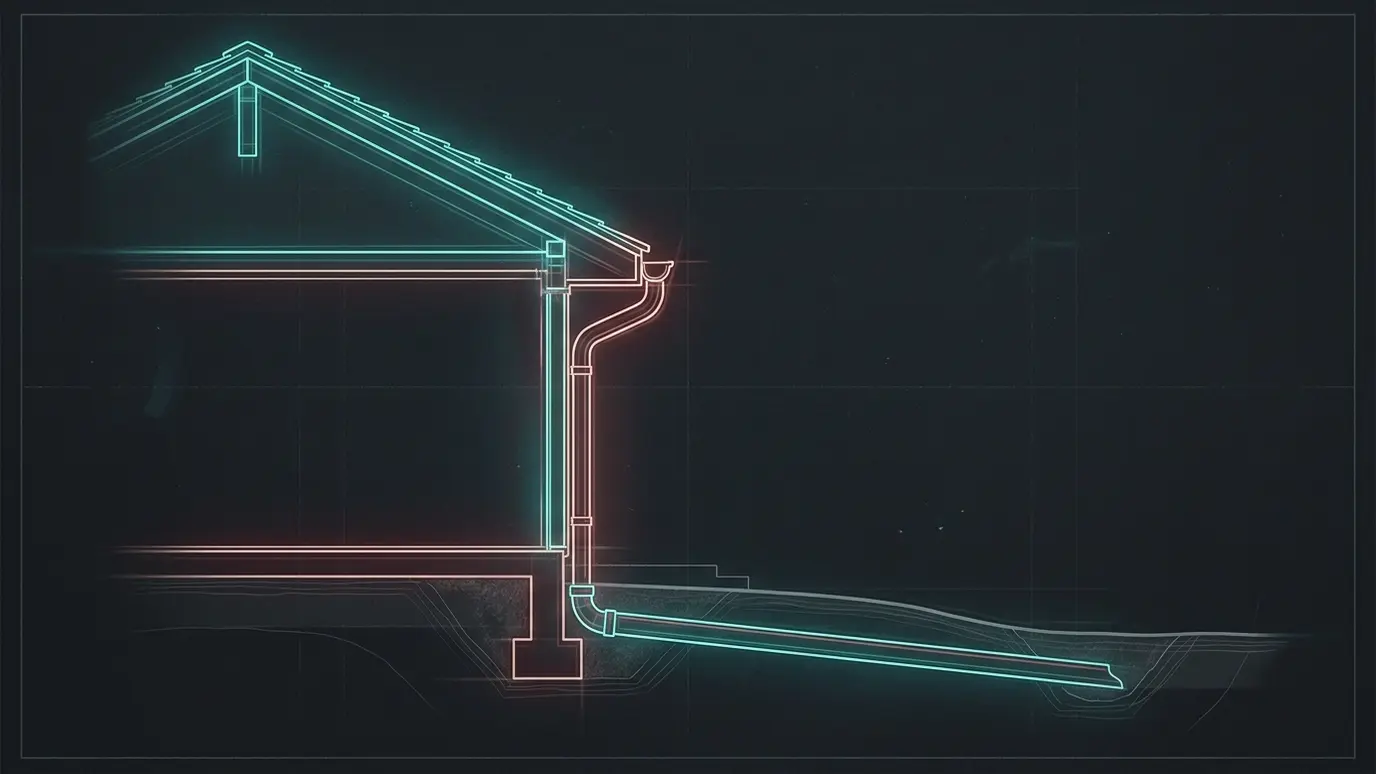
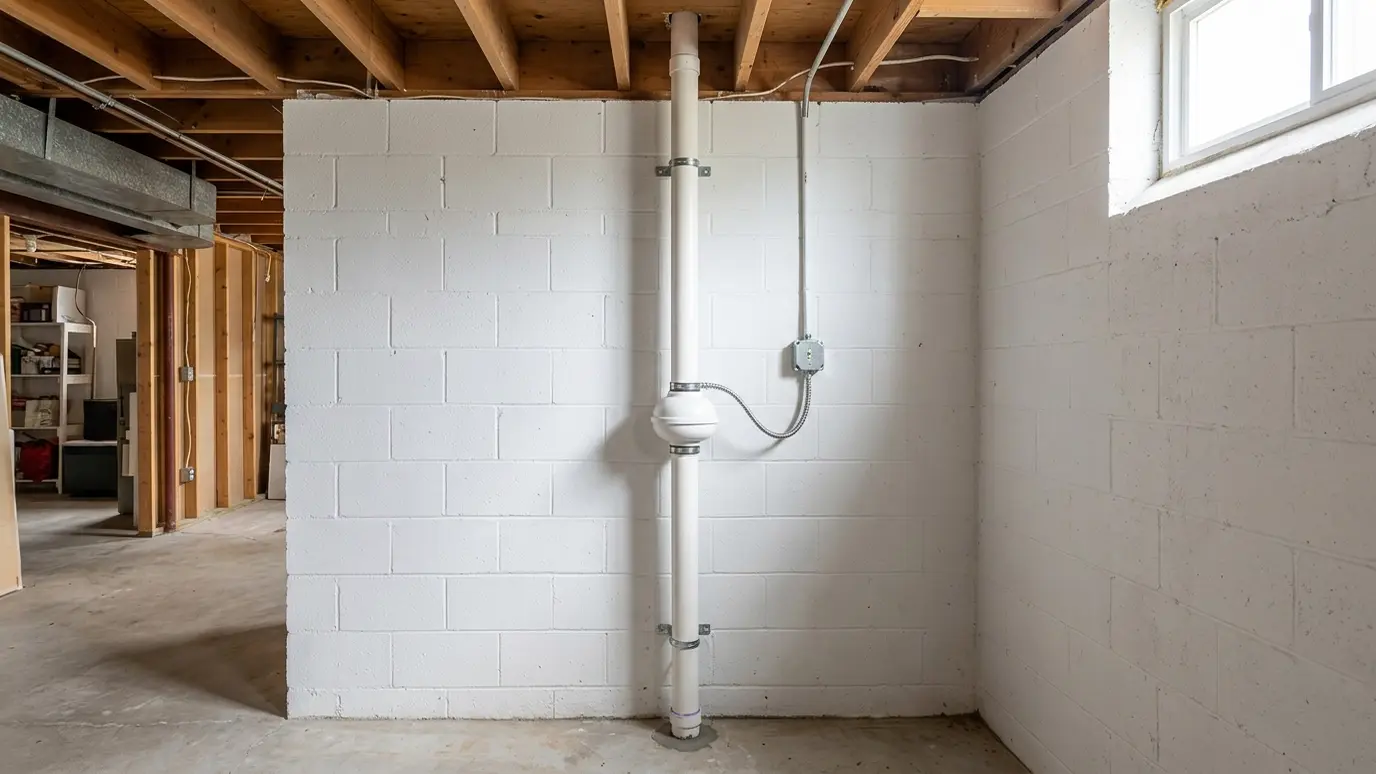
A pipe through the slab or a crawl-space liner connects to a quiet fan that draws soil gas from below the house and releases it above the roof.
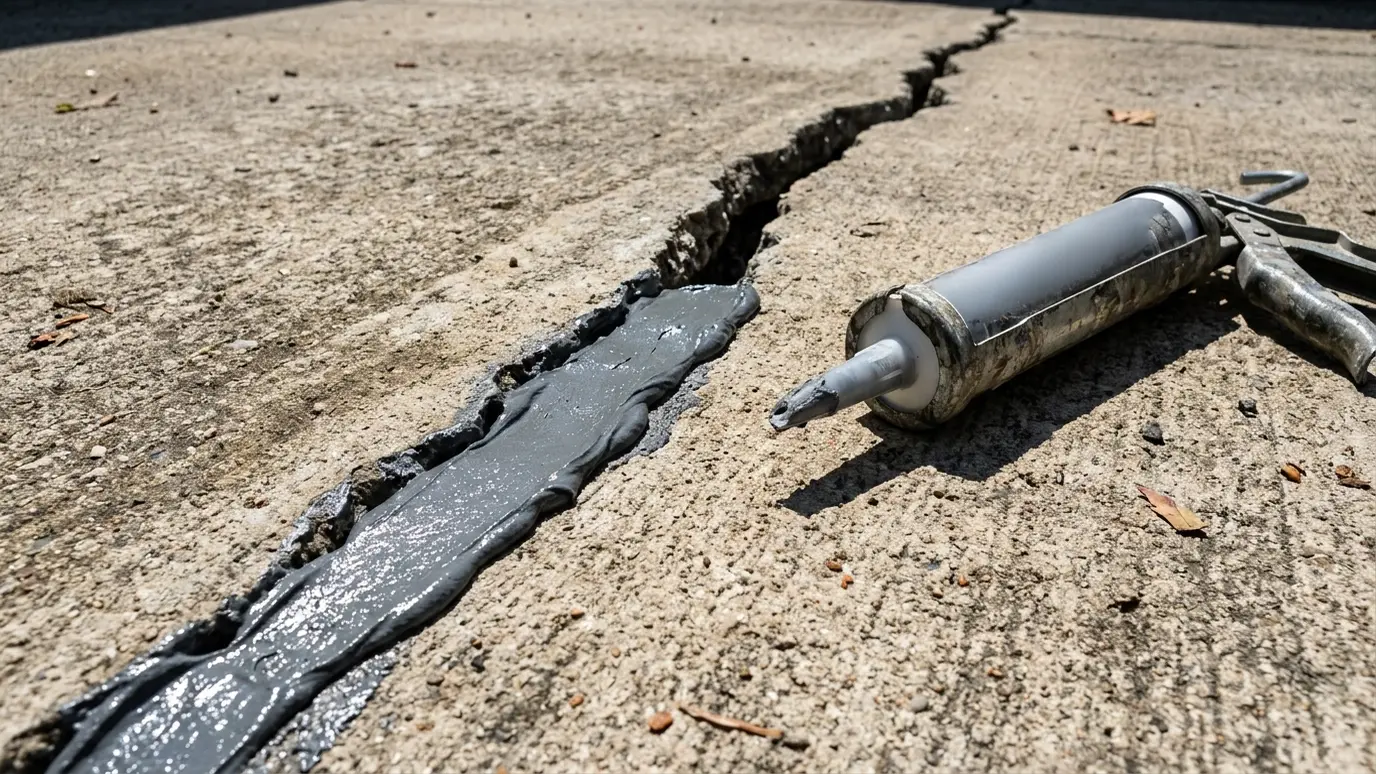
Sealing cracks and sump lids helps the system work.
After mitigation
Retest to confirm the level is lower, and retest every couple of years or after major changes.
Keep the fan running and check the gauge on the pipe.
Test every home, act if the result is above the action level and retest after mitigation.