Steel piers carry sinking foundations to firm ground. Learn the differences between push piers and helical piers.
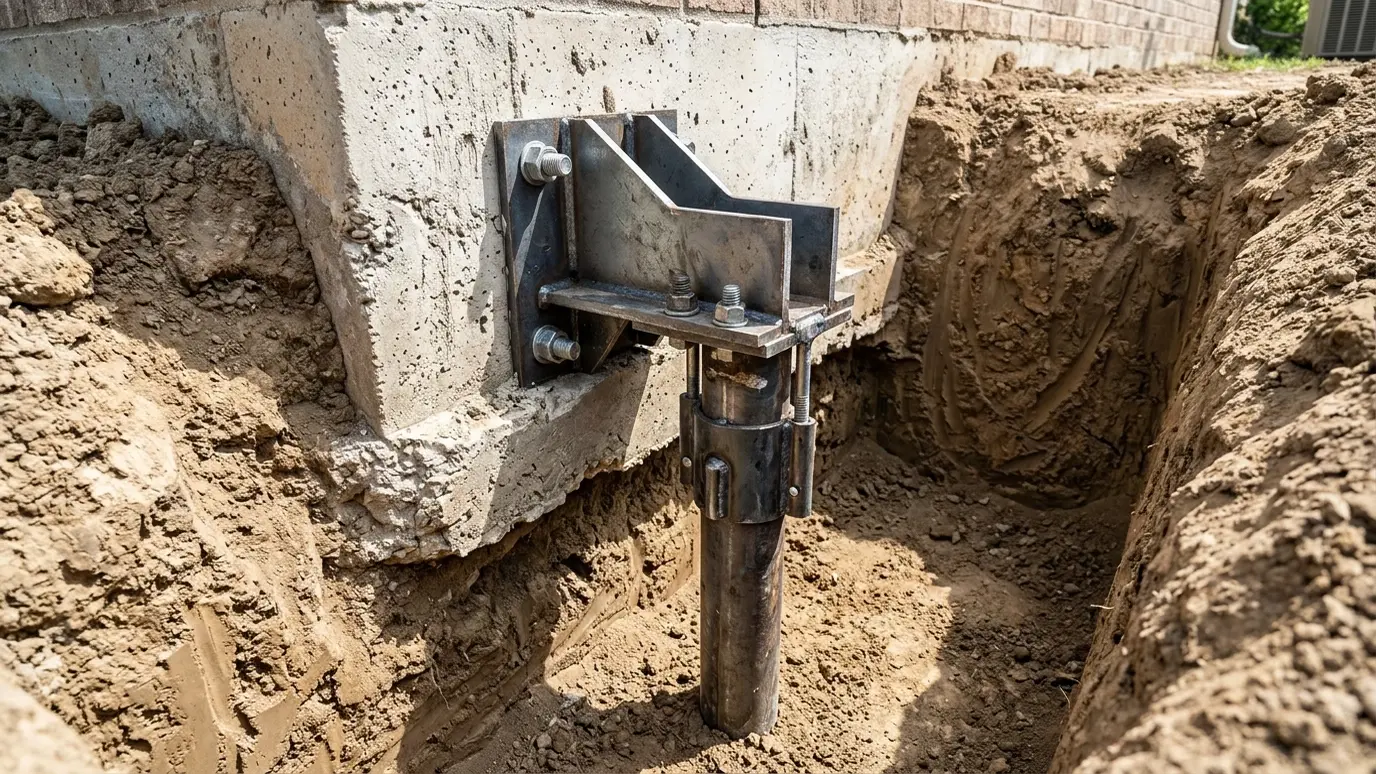
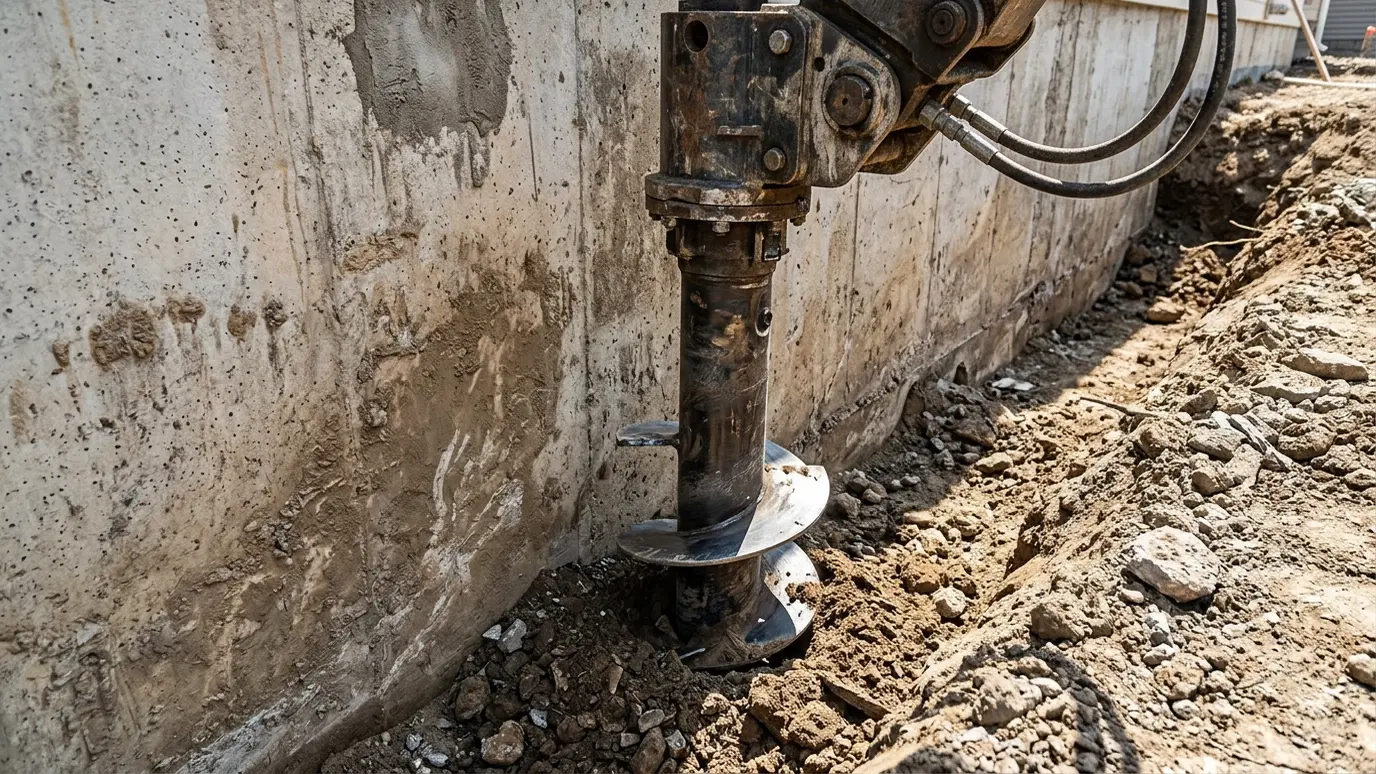
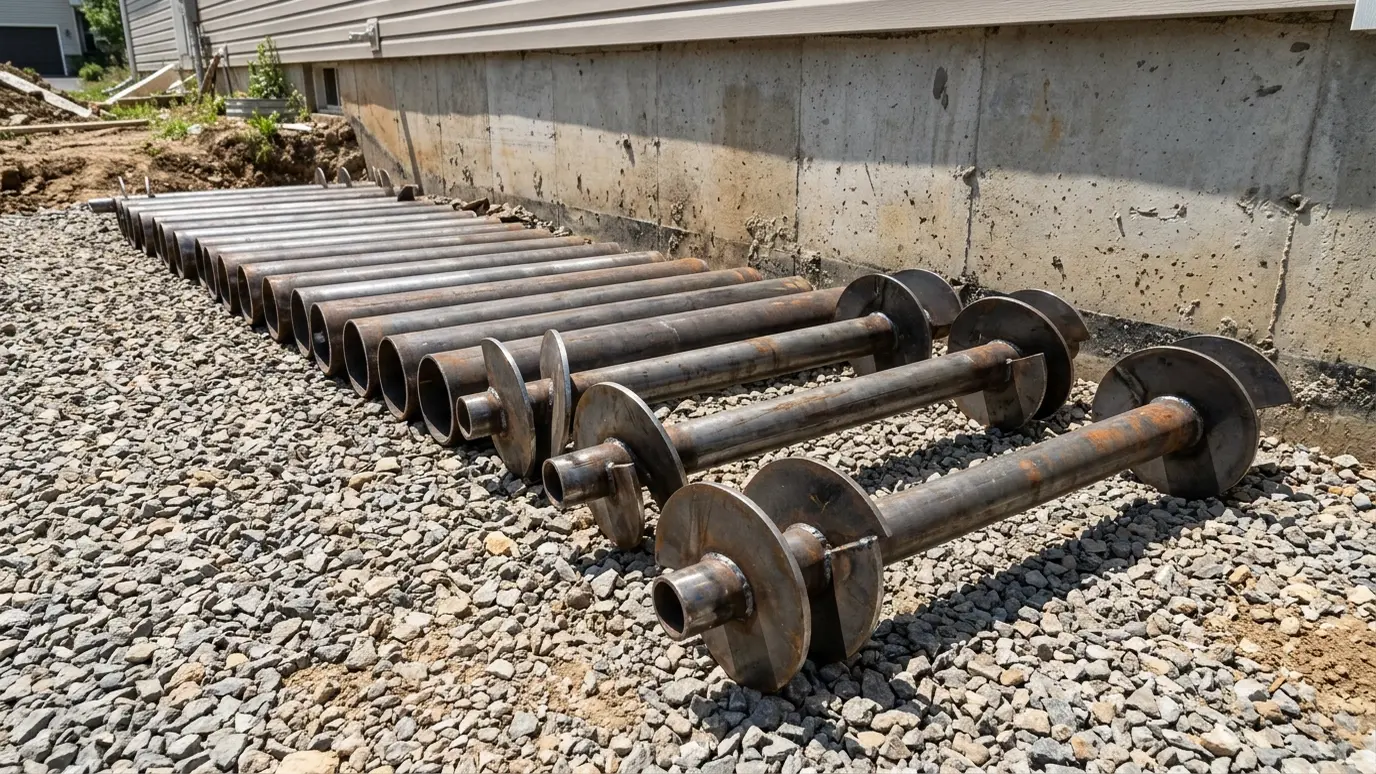
Steel piers are the modern answer to sinking foundations. They work by passing through weak or moving soil to a layer that can carry the load, then connecting to the footing with a bracket. There are two main kinds. Push piers are driven using the weight of the structure, and helical piers are screwed in using the torque of a hydraulic motor.
Push piers suit heavier structures and can lift them back toward level. Helical piers suit lighter structures, porches and additions, and torque readings show their capacity. Both are installed with small equipment, both are hidden below ground and both can be used for new work or repairs. We choose based on the load, the soil and the goal.
Past weak soil.
Two methods.
Within limits.
Matched to the load.
Easy access.
Below grade.
Take the quiz, check a problem or ballpark a budget.
 Which Foundation Service Do I Need? QuizAnswer five questions about what you see and where, and see the foundation services that fit best.Try it
 Foundation Crack CheckerPick the crack type, measure its width and tell us if it is changing to see how much attention it may need.Try it
 Foundation Repair Budget PlannerPick a project and a size and get a ballpark planning range.Try it
It depends on the load, soil and goal. We explain the choice.
Often, within the limits of the structure.
Steel piers are durable and often last for decades.
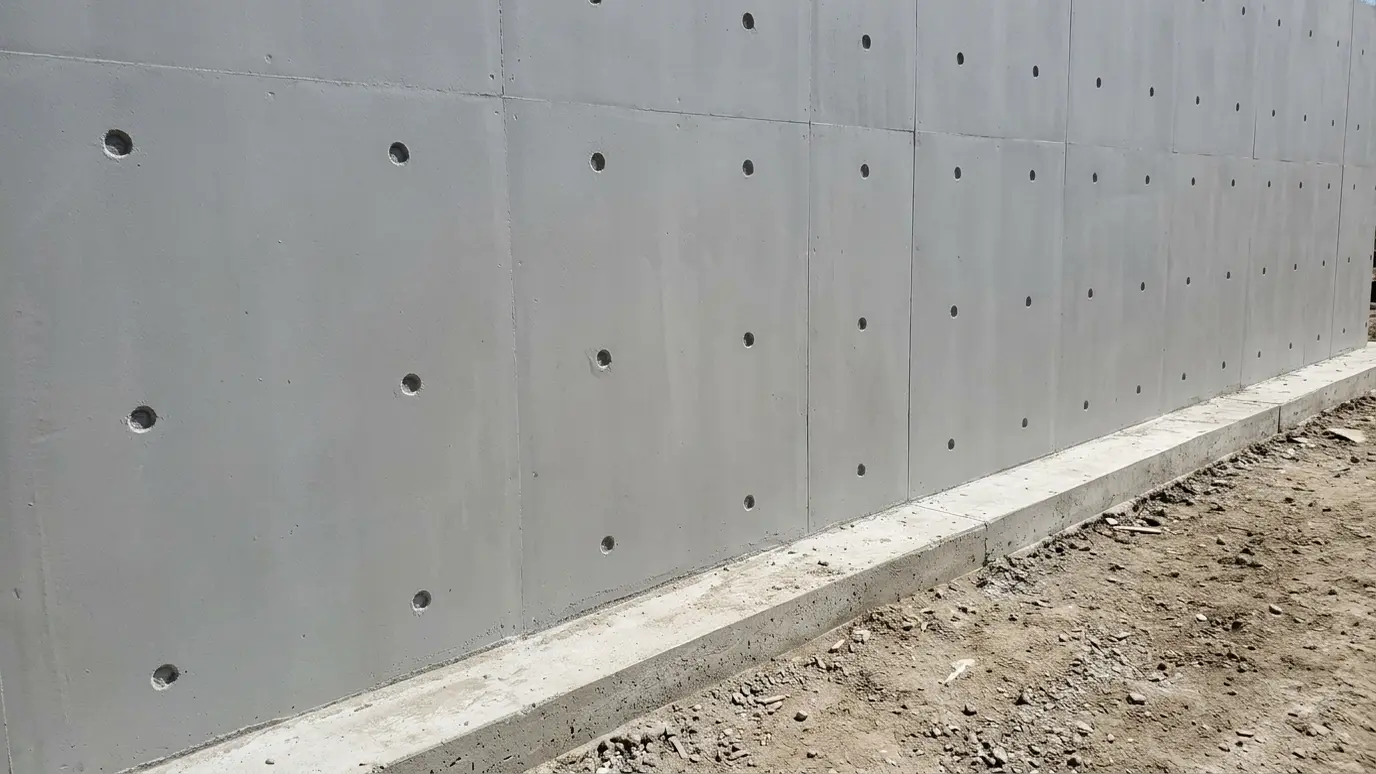 Material guidePoured Concrete FoundationsPoured concrete is strong, seamless and common in newer homes. Here is how it works, where it cracks…Learn more
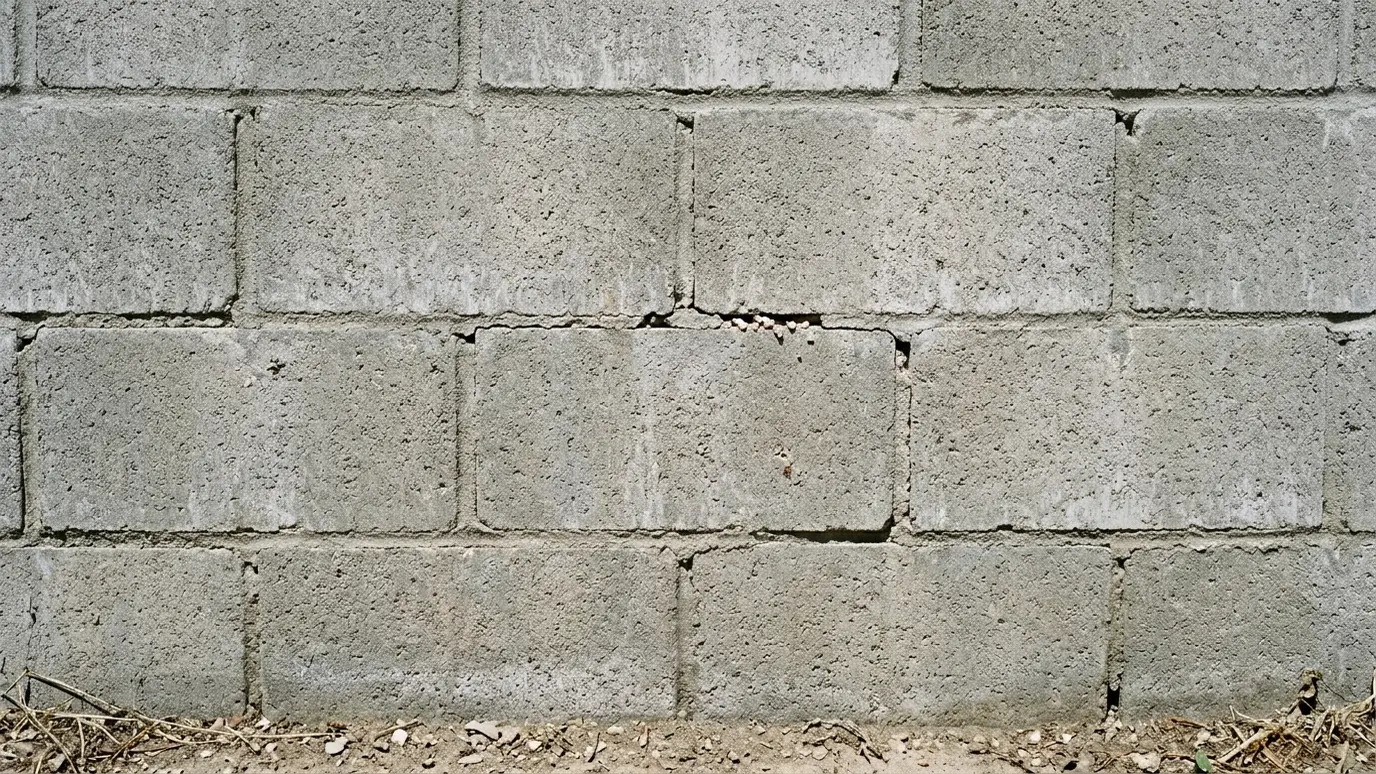 Material guideConcrete Block FoundationsBlock foundations are common in mid-century homes. They are strong in compression and weak sideways. Learn the signs…Learn more
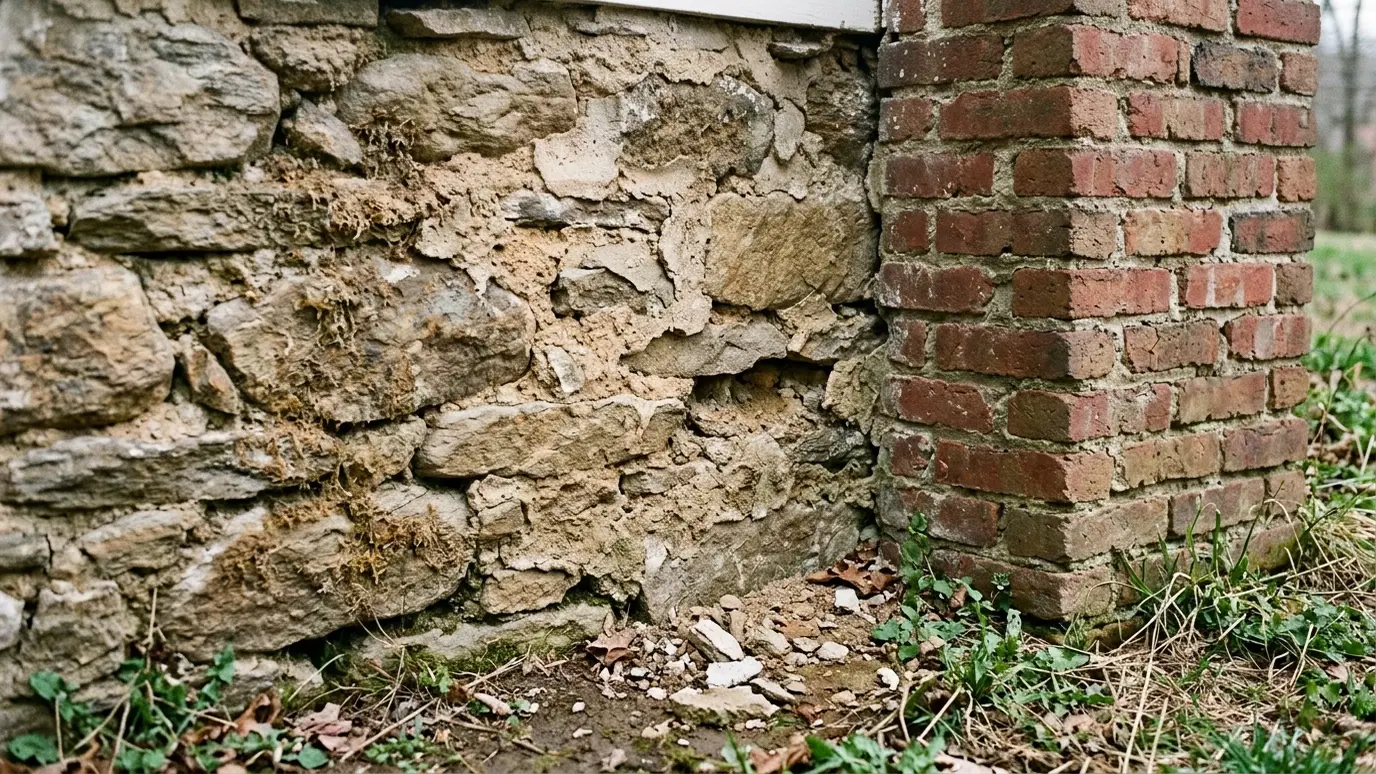 Material guideStone and Brick FoundationsStone and brick foundations carry many of Nashville older homes. Here is how they work and how to…Learn more
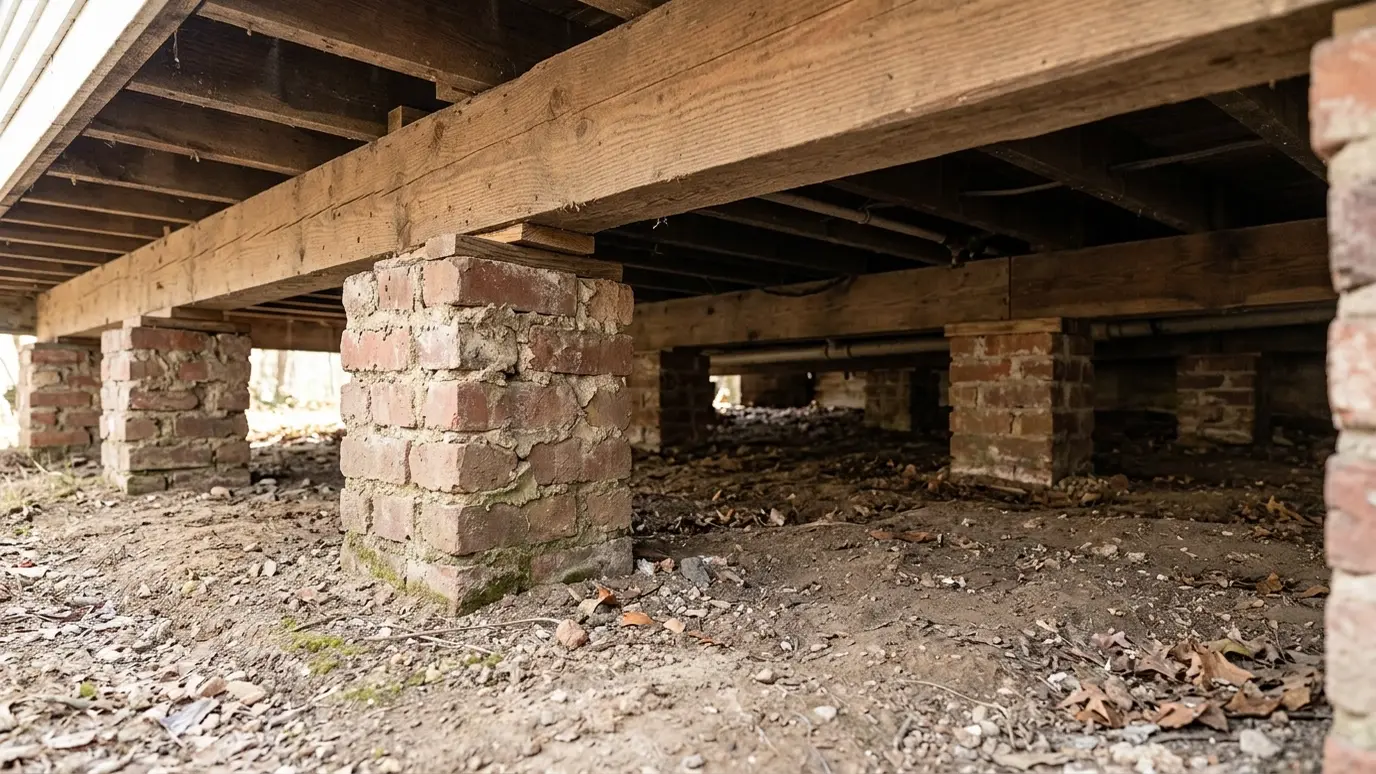 Material guidePier and Beam FoundationsA pier and beam foundation lifts the house above the ground on posts. Learn how they work and…Learn more
Call us and we will visit, look closely at your foundation, crawl space or slab and give you a clear plan and a written scope.