Slab foundations crack, settle and heave. We repair the slab, stabilize what is under it and fix the water that caused the trouble.
A slab-on-grade house sits on a single concrete pad with no basement or crawl space beneath it. That is simple and strong, but it means problems show up in the floor itself. Cracks in tile, gaps at the base of walls, doors that stick and floors that feel slightly sloped can all point to a slab that has settled or heaved. Because the slab is hidden under flooring, it deserves a careful look.
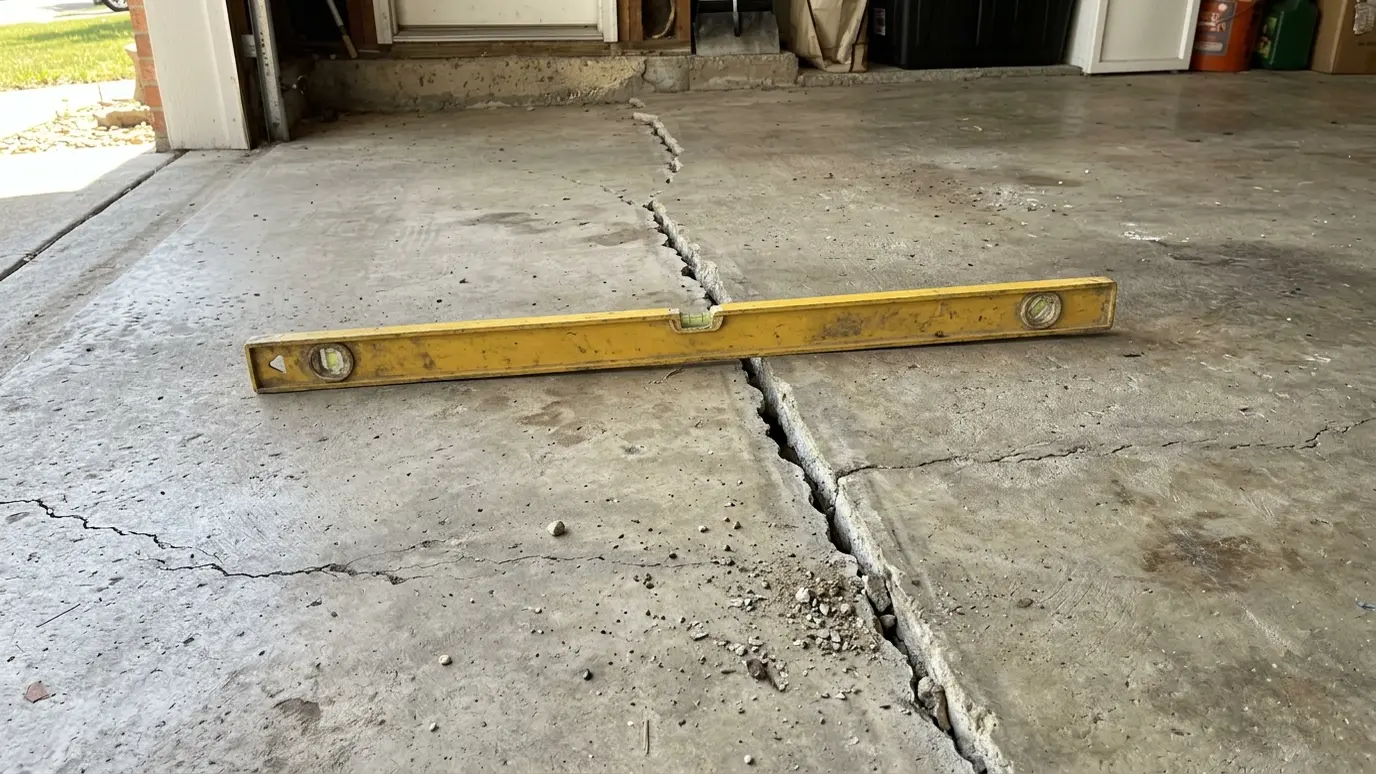
We map the floor with a level, look at the exterior footing and walls, check drainage along the slab edge and note any plumbing or soil clues. Minor cracks are sealed. A slab that has dropped can be raised with injected foam or grout, and a slab that is moving along its edge may need piers that carry the footing to firm soil. The right fix depends on the cause, and we explain it before any work starts.
We take readings across the floor to see where the slab is high and low, which shows how it moved and by how much.
Sealing cracks stops moisture and pests from entering and keeps small cracks from turning into trim and flooring problems.
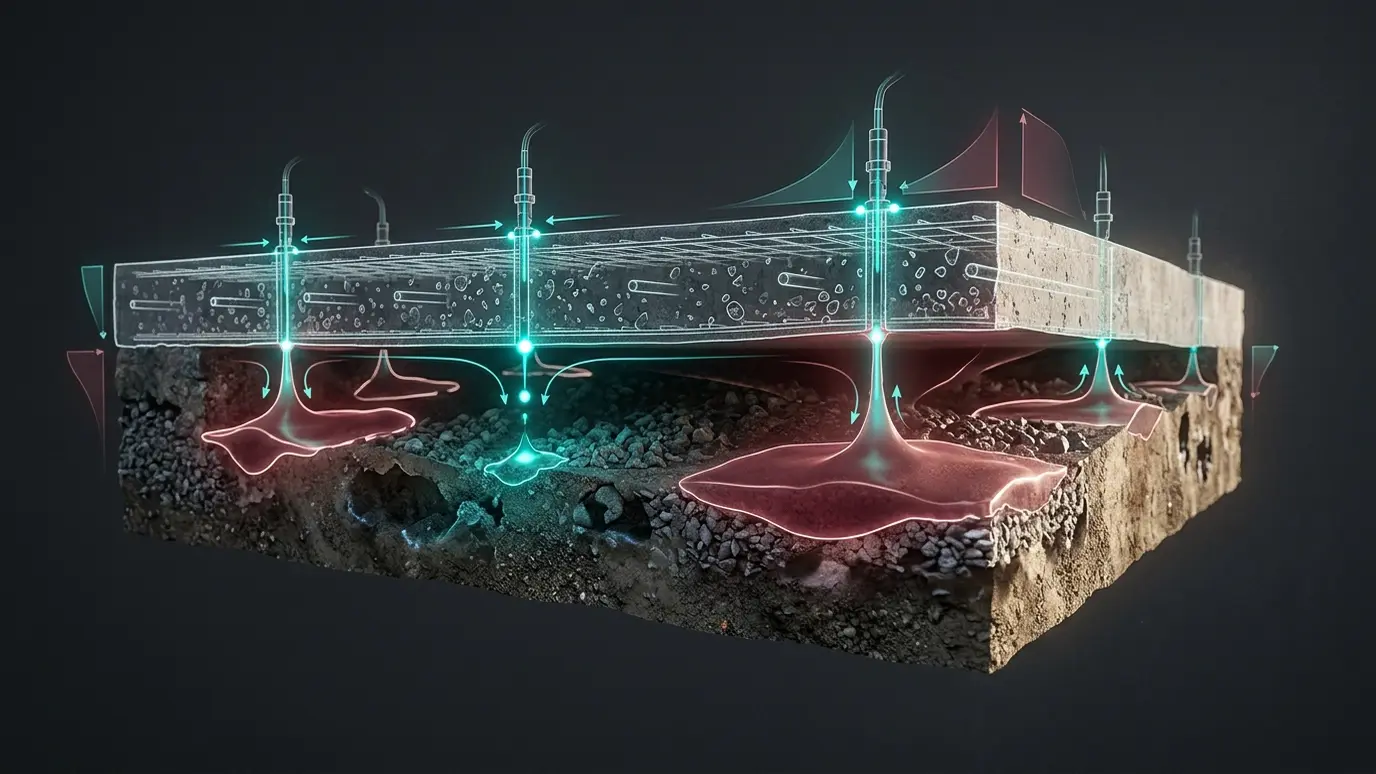
Polyurethane foam or grout injected below the slab fills voids and lifts it, often from small holes.
When the footing at the edge sinks, piers carry it to stable soil so the slab can be brought back to a steady position.
Drag the handle to compare.
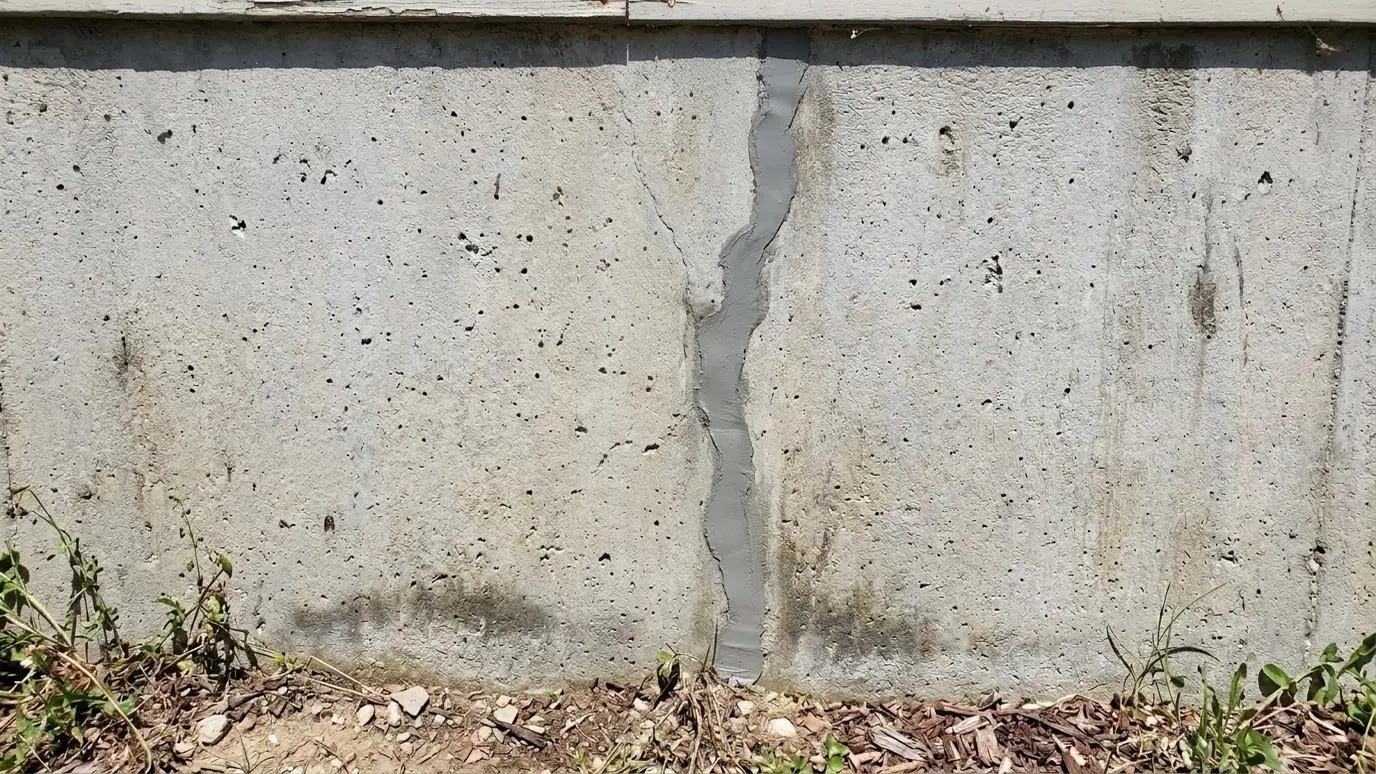
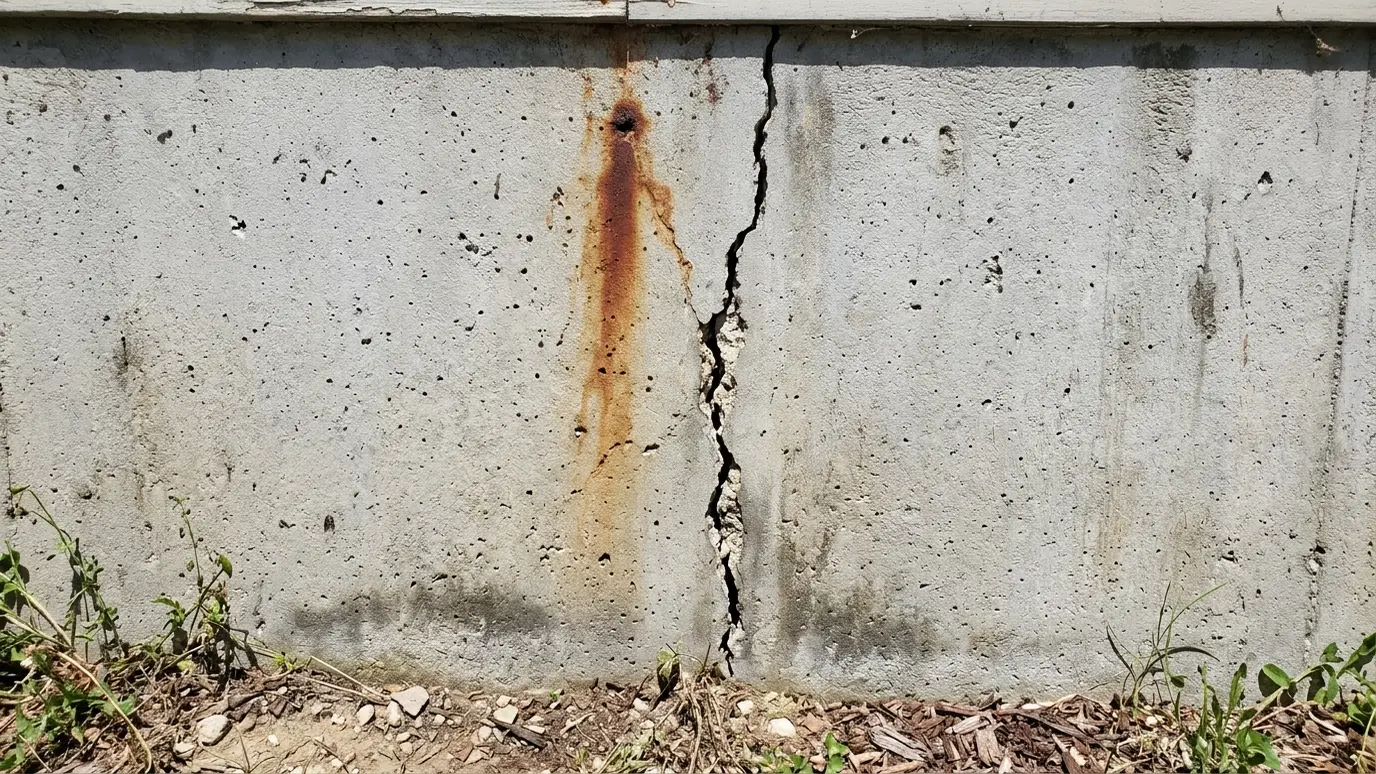 BeforeAfter
Know where it moved.
Moisture kept out.
Little mess.
Stable footing.
Water managed.
No surprises.
Every topic has its own page with what to expect and how we approach it.
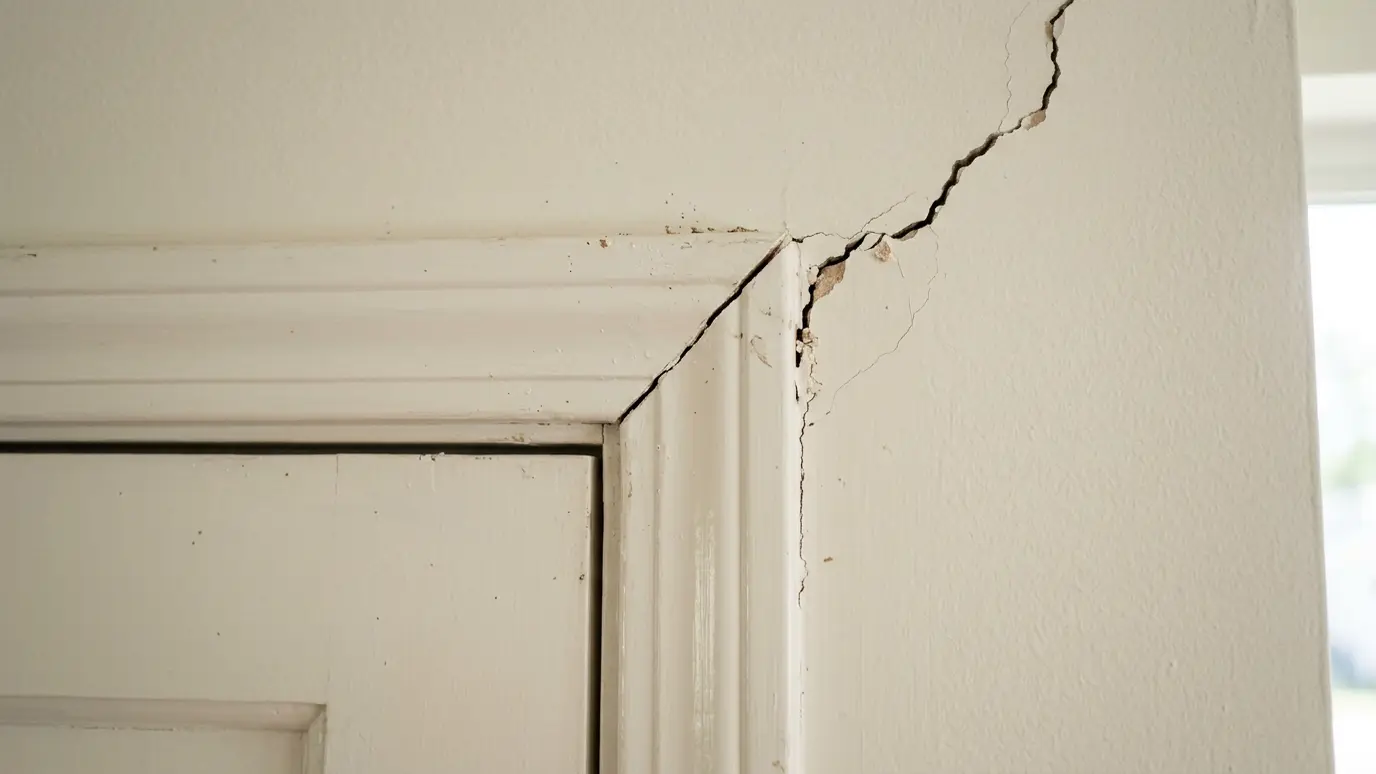 Project situationCracks and Sticking DoorsDoors that stick, cracks over windows and floors that slope are the signals foundations send. Learn what they…Learn more
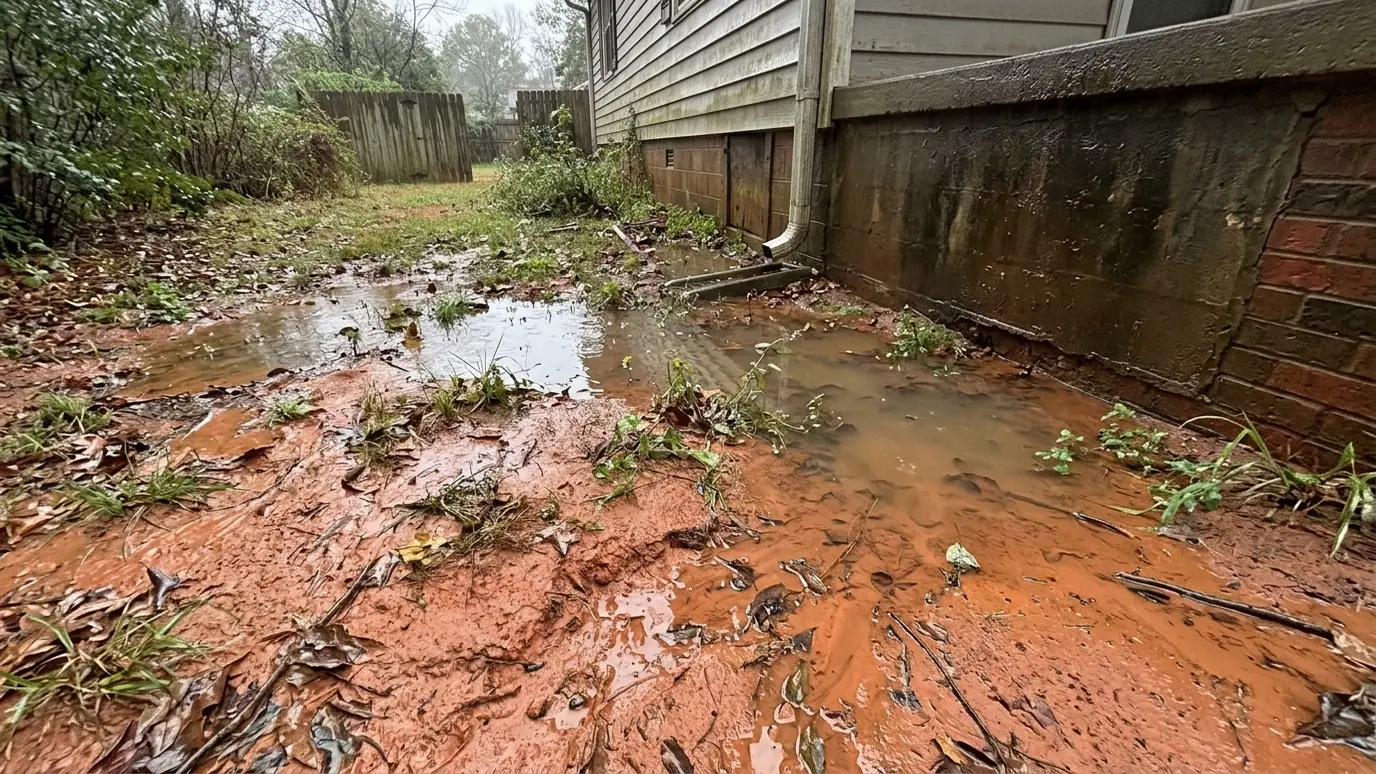 Project situationClay Soil and Wet YardsMiddle Tennessee clay swells when wet and shrinks when dry. That movement is behind many cracks, leaks and…Learn more
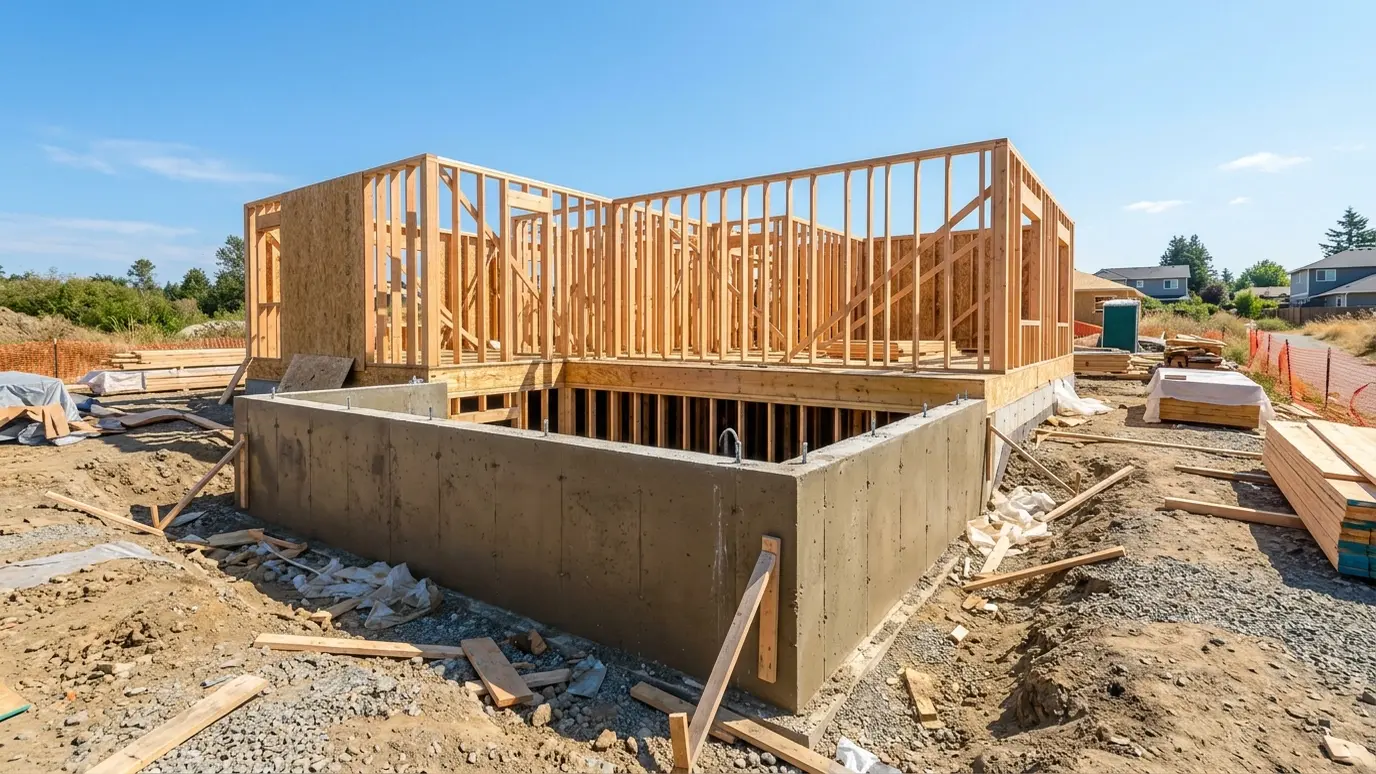 Project situationNew Construction and AdditionsNew homes and additions need footings that match the soil. Here is how we work with builders and…Learn more
Pick the crack type, measure its width and tell us if it is changing to see how much attention it may need.
You tell us what you have noticed, a crack, a damp smell, a sloping floor or standing water, and we set a visit that fits your day.
We look closely inside and out, measure floors and cracks, check moisture and drainage and take photos of anything of note.
We explain what is urgent, what can wait and what is optional, and give you a written scope and options.
We lay floor protection, mark utilities, protect landscaping and set up before any digging or drilling begins.
We install, seal, lift or repair with the right tools and materials, checking our work as we go.
We clean up, restore the surface, show you what we did, share care tips and set a reminder for your next check.
Shrinkage, soil movement, plumbing leaks and drainage problems can all crack a slab.
Yes. Foam or grout under the slab lifts it from small holes.
Only when the footing at the edge is settling. Many slabs need sealing or lifting alone.
Yes. Cracked tile and gaps at baseboards often show slab movement before anything else does.
Keep water moving away from the edges and fix leaks early. The drainage tool can help.
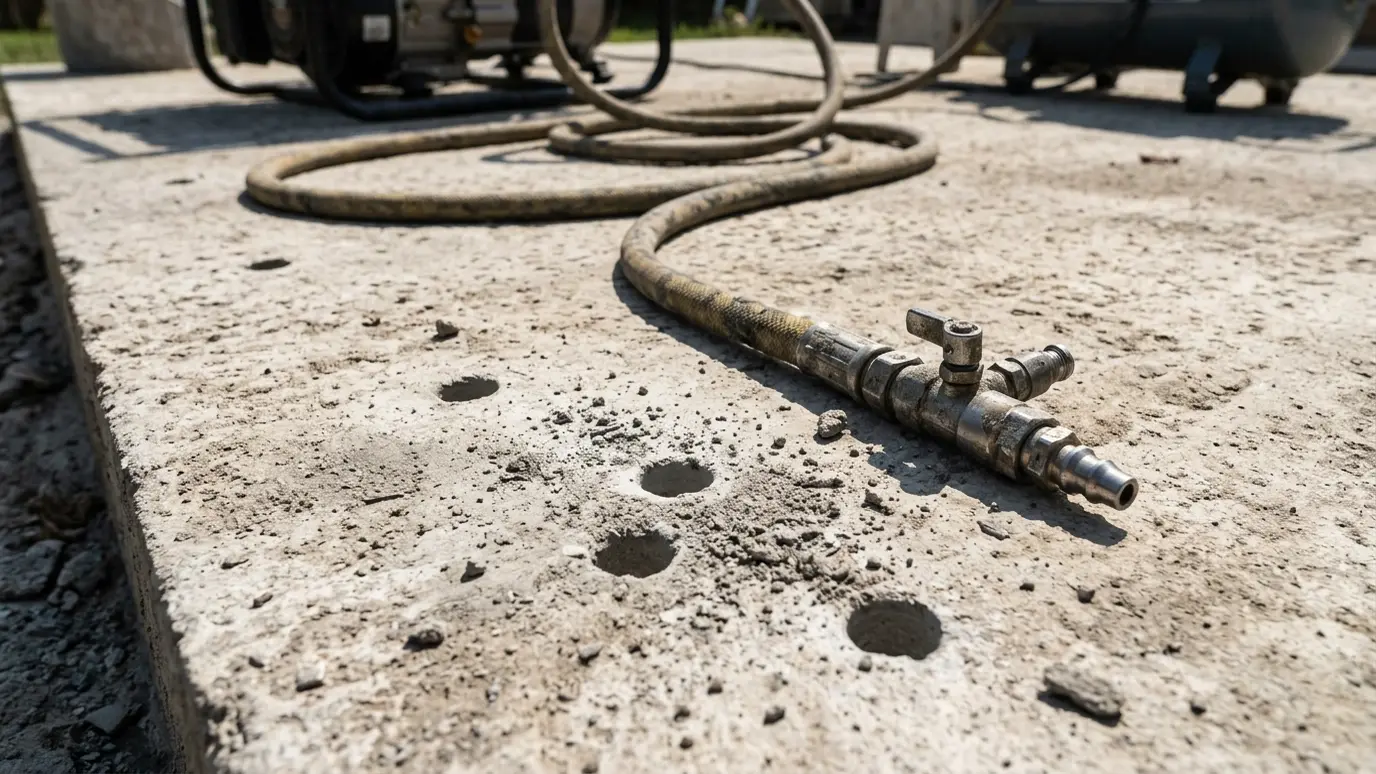 Foam LiftingLightweight foam injected under a slab expands, fills voids and lifts concrete quickly, from small holes, with a…Explore
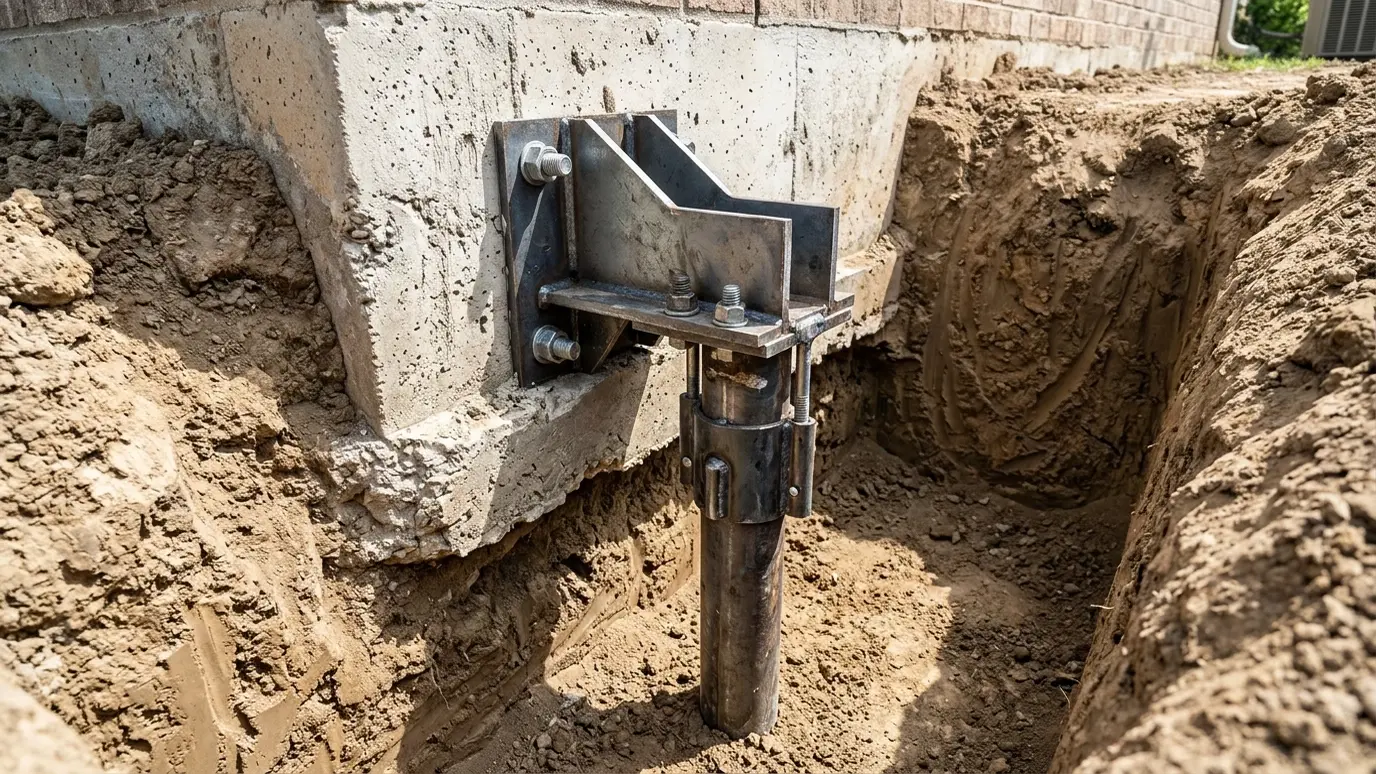 Steel Push PiersSteel piers driven through weak soil to firm ground carry the footing, stop a sinking foundation and can…Explore
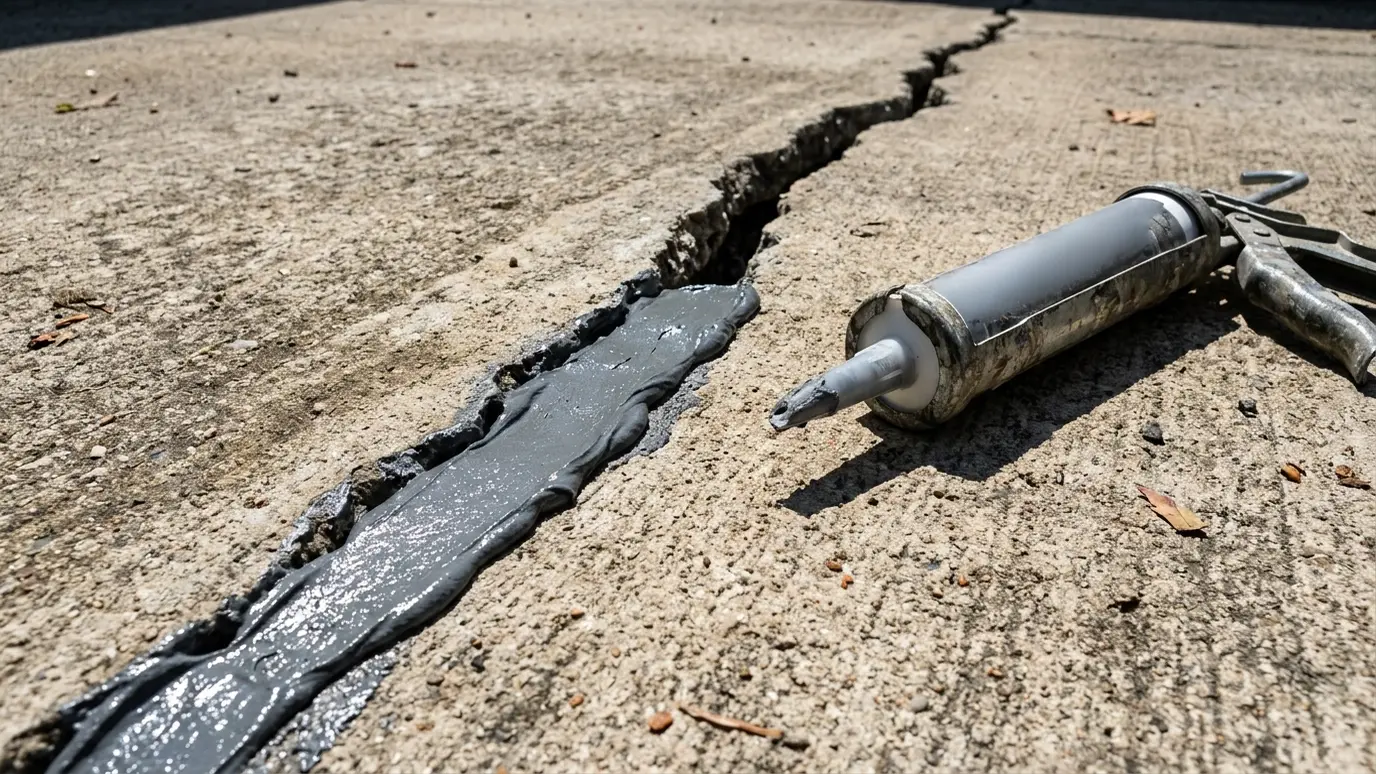 Concrete Crack SealingCracks in driveways, patios, walks and floors are cleaned and filled with flexible sealant, so water cannot get…Explore
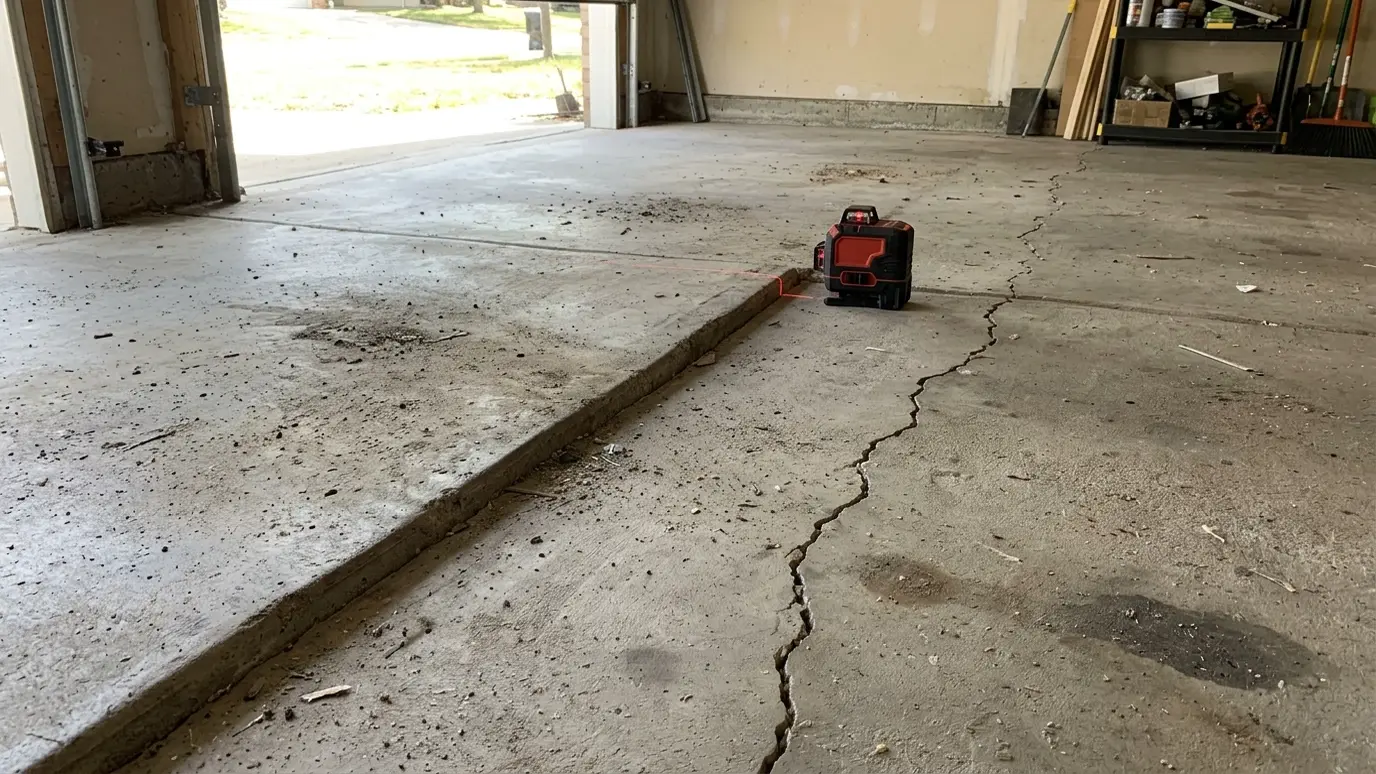 Garage and Basement FloorsSunken garage floors and uneven basement slabs are lifted and sealed, so water drains and equipment sits level.Explore
Tell us about the project and we will call you back to talk it through.
Or call (615) 357-7797 to talk now.