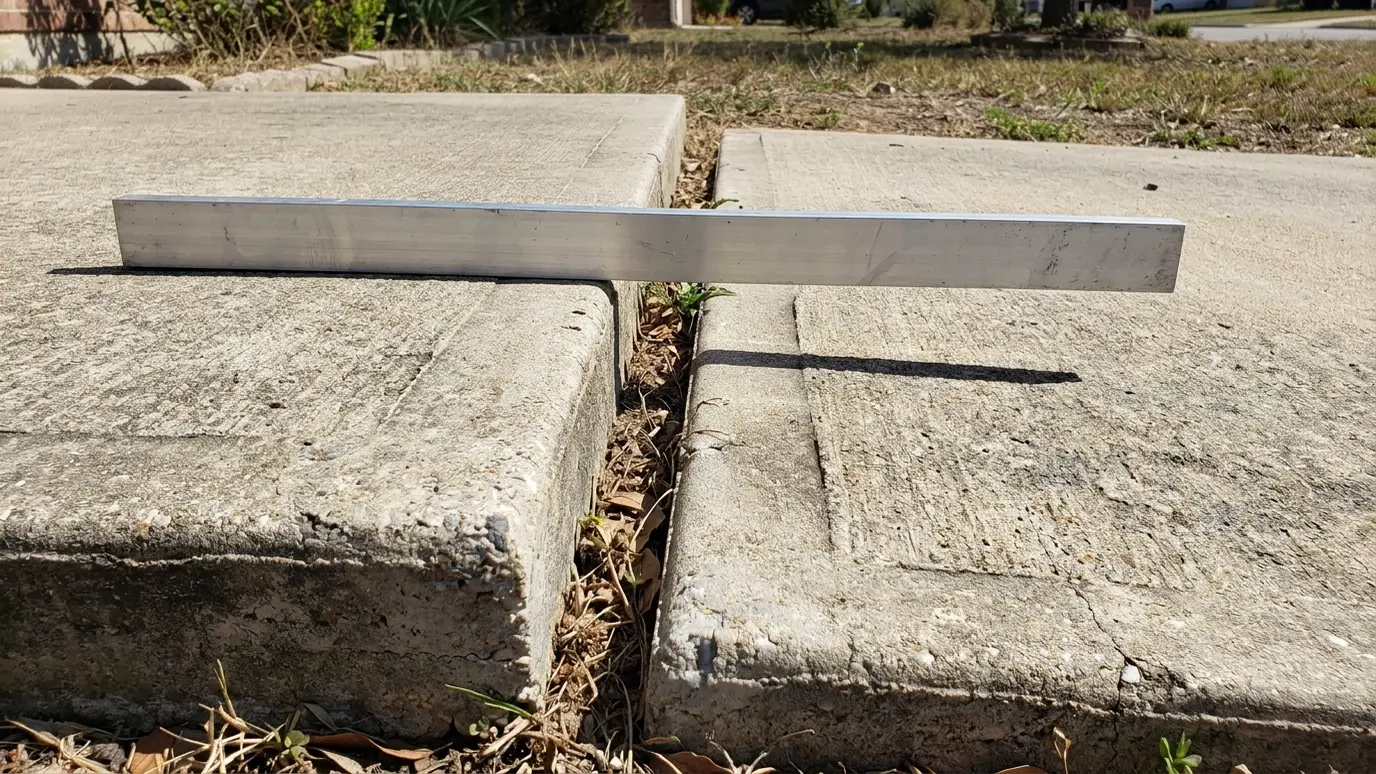
Sunken driveways, sidewalks, patios and floors are lifted back to level without tearing out the concrete.
Concrete rarely fails by breaking. More often the ground beneath it fails: soil washes out, settles or compresses, and a perfectly good slab drops and tilts. The surface may still be sound, but a raised edge becomes a trip hazard, water runs the wrong way and the whole area looks neglected. Replacing the slab is costly and messy, and it does not fix the soil that caused the problem.
Concrete leveling lifts the slab itself. We drill small holes, inject a material under the slab that fills the void and raises it to the right height, patch the holes and let it cure. Polyurethane foam is light, cures in minutes and is a good fit for most jobs. Cement grout, known as mudjacking, is heavier and well suited to thick slabs. We choose the method that fits the weight, the soil and your plans for the surface.
Washed-out soil, poor compaction, leaking downspouts and roots take support from under concrete, so it settles and tilts.
Foam is light and cures in minutes. Grout is heavier and fills larger voids. We match the material to the job.
Injection ports are about the size of a quarter for foam, and slightly larger for grout, and they are patched when we finish.
We look at drainage, because lifting without correcting water will just let the slab sink again.
Drag the handle to compare.
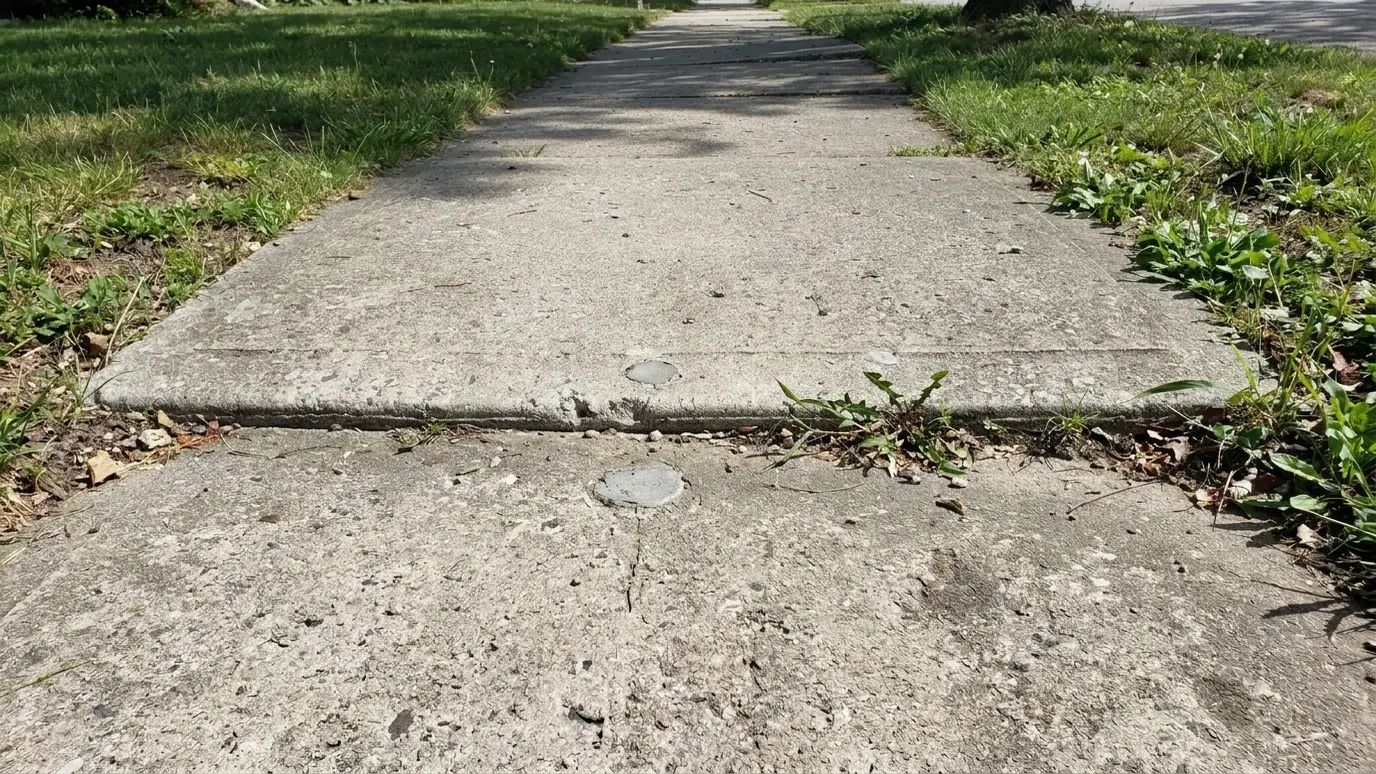
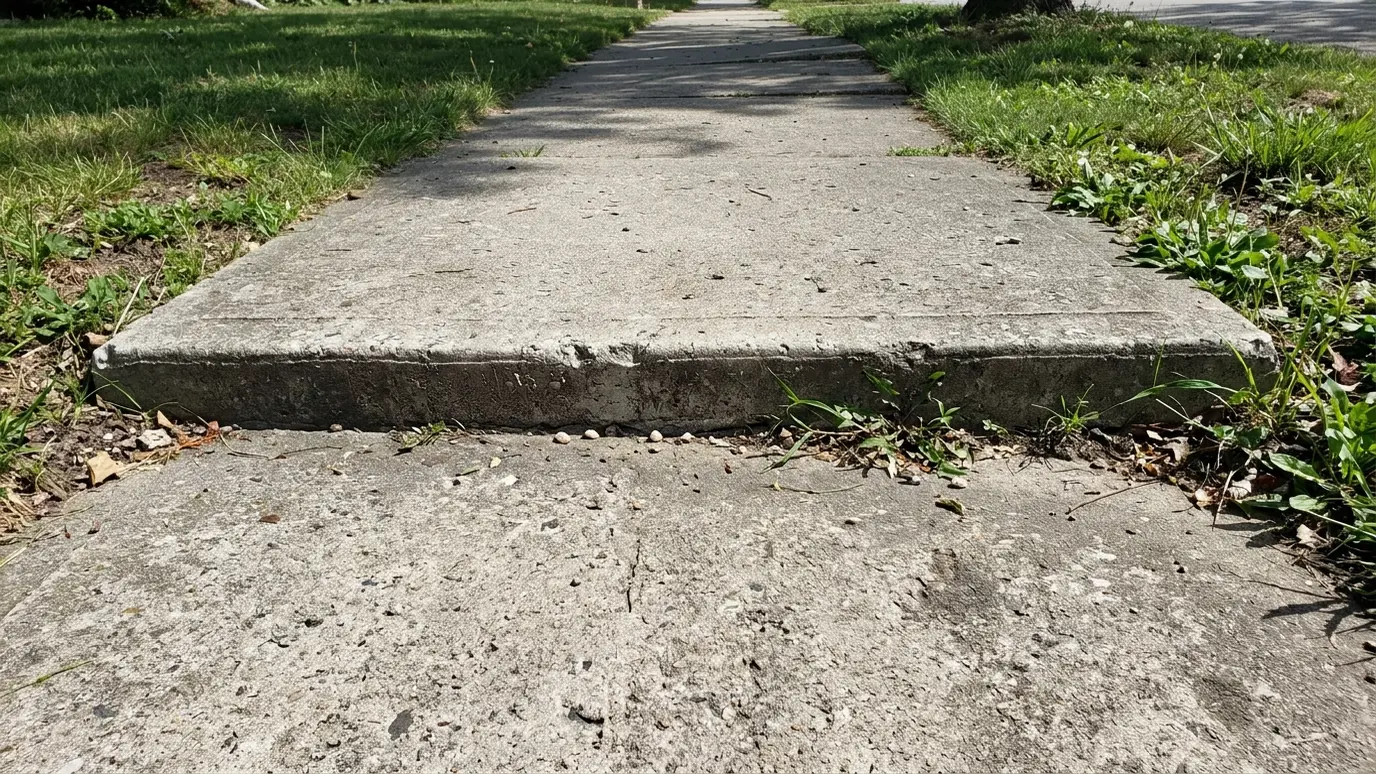 BeforeAfter
Save the concrete.
Little disruption.
Use the same day.
Cause addressed.
Good value.
Fewer trip hazards.
Every topic has its own page with what to expect and how we approach it.
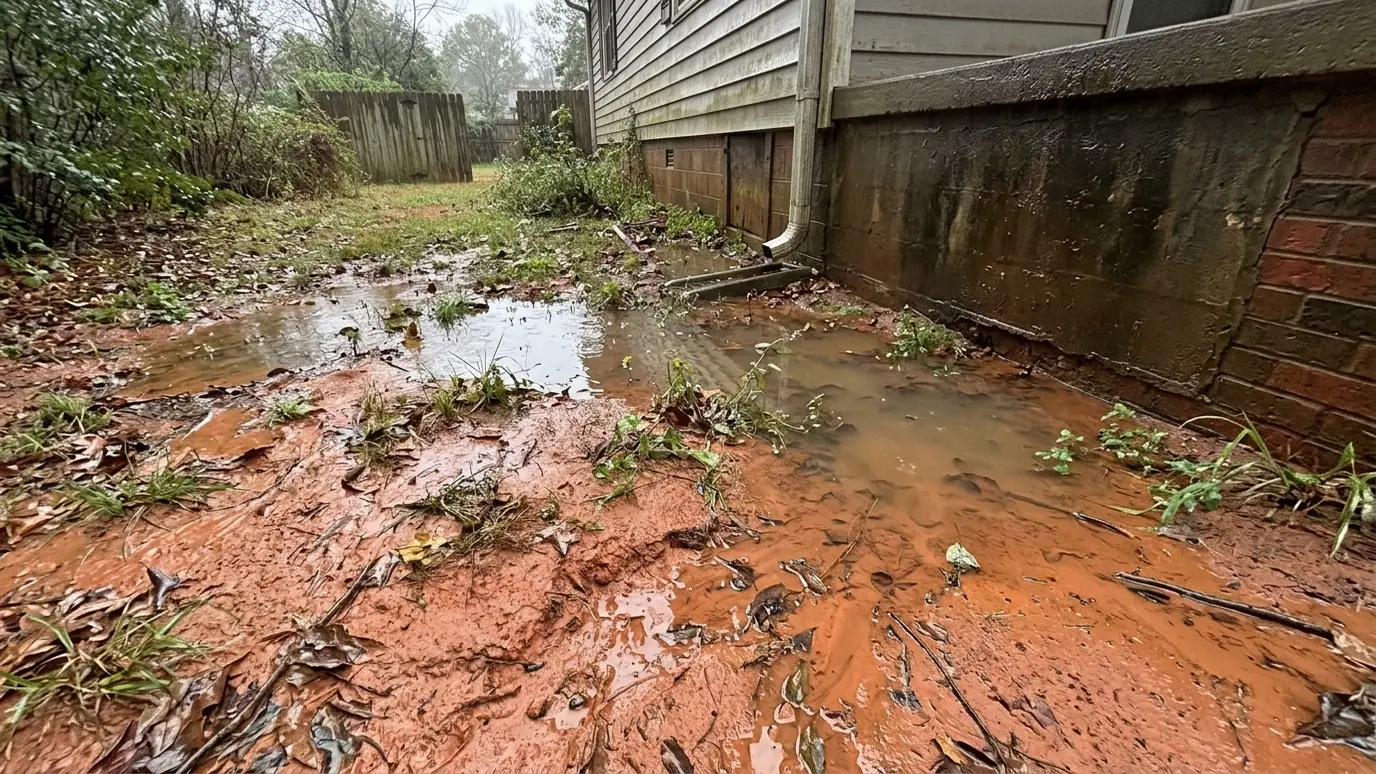 Project situationClay Soil and Wet YardsMiddle Tennessee clay swells when wet and shrinks when dry. That movement is behind many cracks, leaks and…Learn more
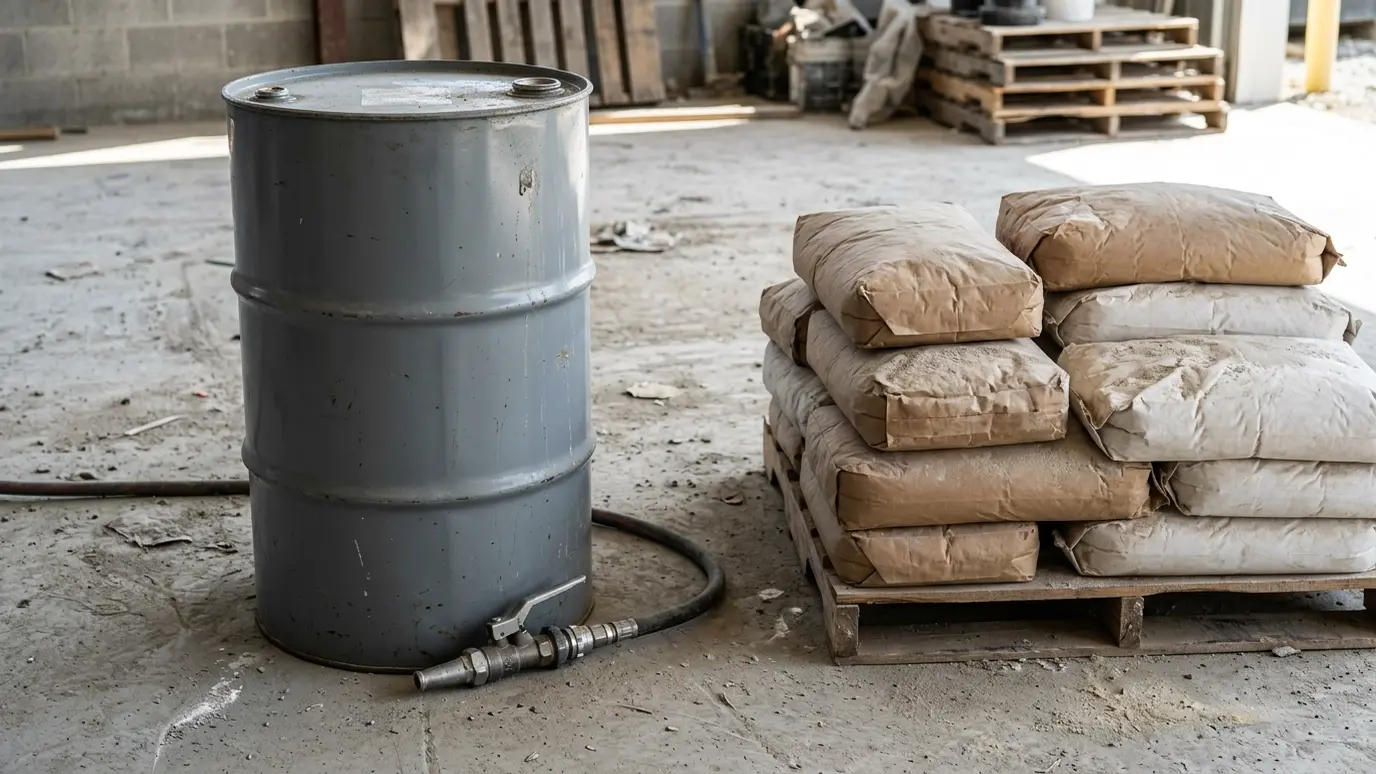 Material guideLifting Foam and GroutFoam and grout both raise sunken concrete. Here is how they differ and how we choose between them.Learn more
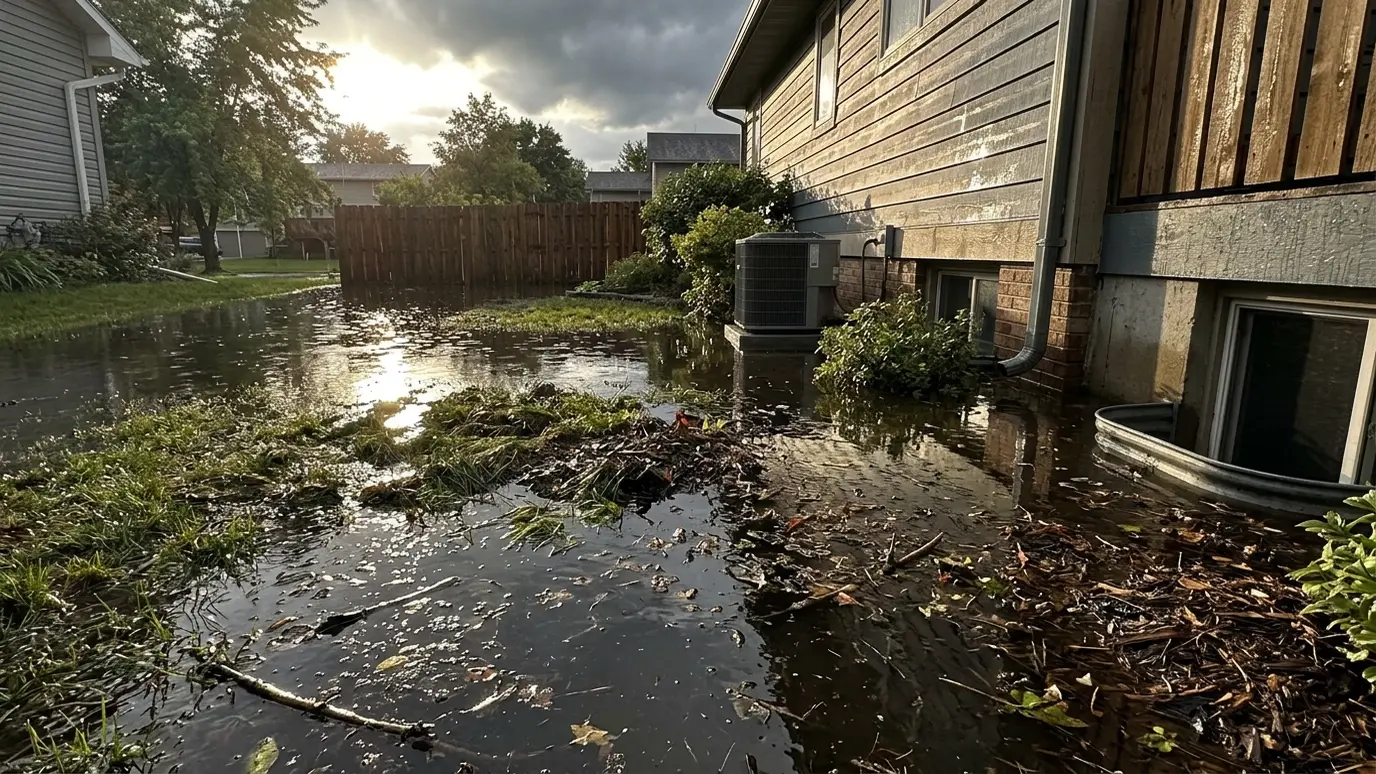 Project situationStorm and Flood DamageAfter heavy rain or flooding, foundations can shift and basements can fill. Here is how to protect your…Learn more
Enter a floor reading, door gap and crack notes to see how your floor compares and what to do next.
You tell us what you have noticed, a crack, a damp smell, a sloping floor or standing water, and we set a visit that fits your day.
We look closely inside and out, measure floors and cracks, check moisture and drainage and take photos of anything of note.
We explain what is urgent, what can wait and what is optional, and give you a written scope and options.
We lay floor protection, mark utilities, protect landscaping and set up before any digging or drilling begins.
We install, seal, lift or repair with the right tools and materials, checking our work as we go.
We clean up, restore the surface, show you what we did, share care tips and set a reminder for your next check.
Yes. Material injected under the slab fills the void and raises the slab to level.
Often it is quicker, cleaner and costs less, as long as the concrete itself is sound.
Foam cures in minutes. Grout takes a little longer. Most surfaces are usable the same day.
If the cause is fixed and the fill is compact, it should stay. Drainage is key.
Cracks can be sealed. If the slab is broken up, replacement may be better.
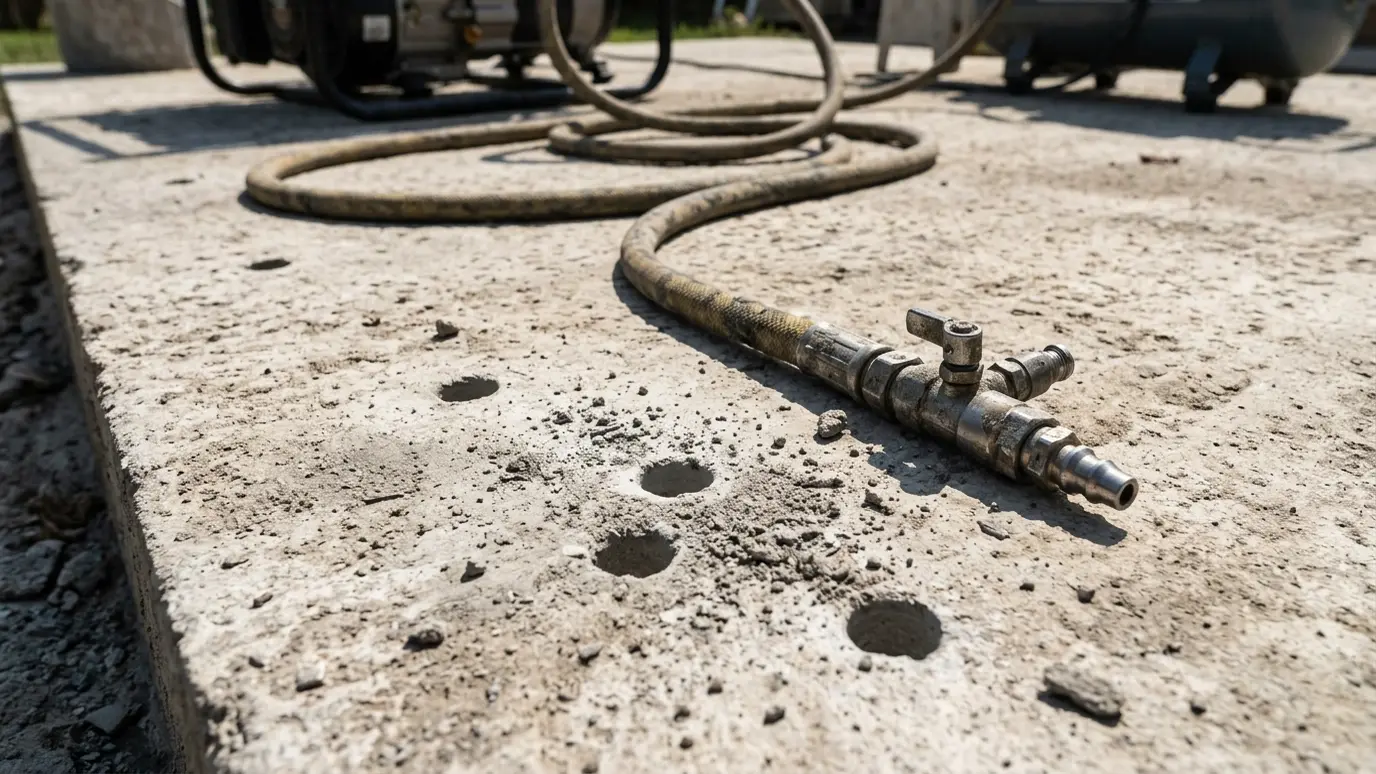 Foam LiftingLightweight foam injected under a slab expands, fills voids and lifts concrete quickly, from small holes, with a…Explore
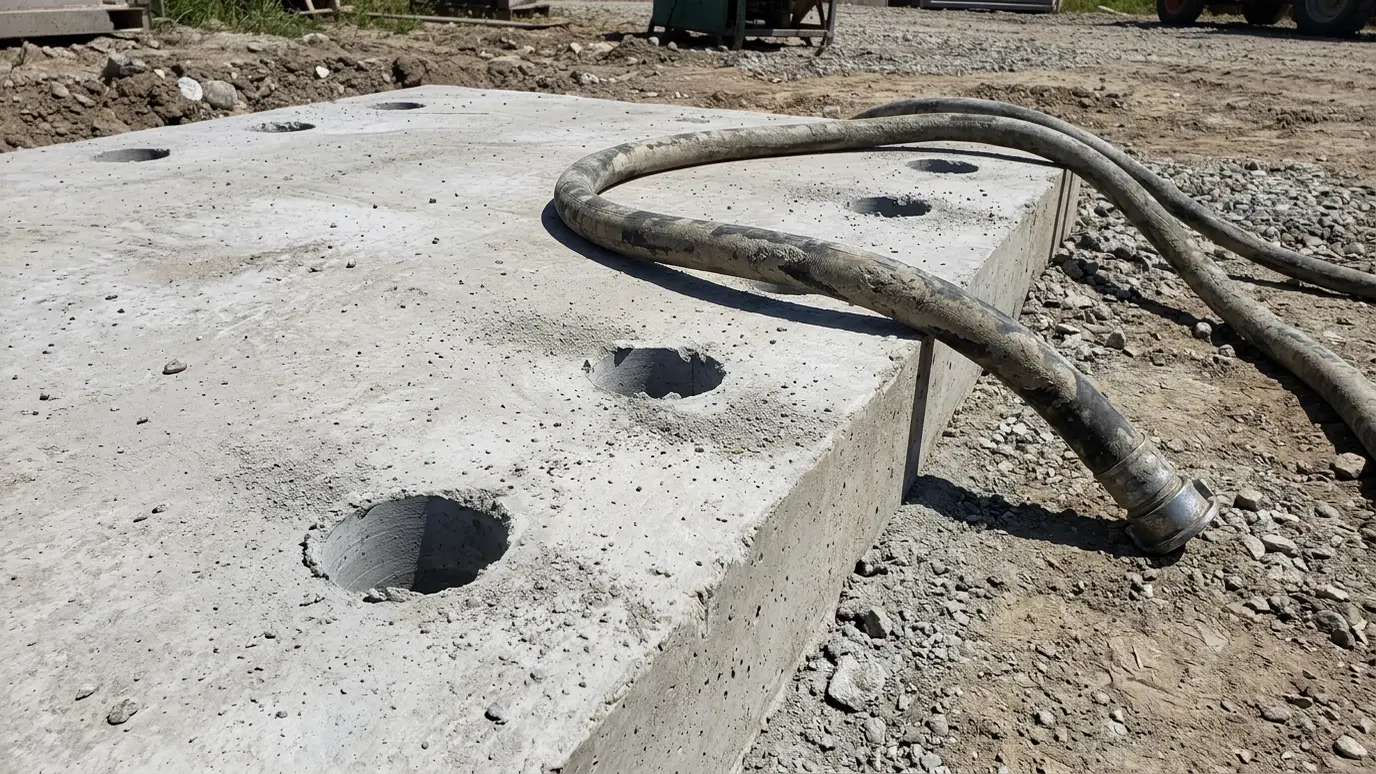 MudjackingA cement-based slurry pumped under a slab raises it back to level, a time-tested method for heavy, thick…Explore
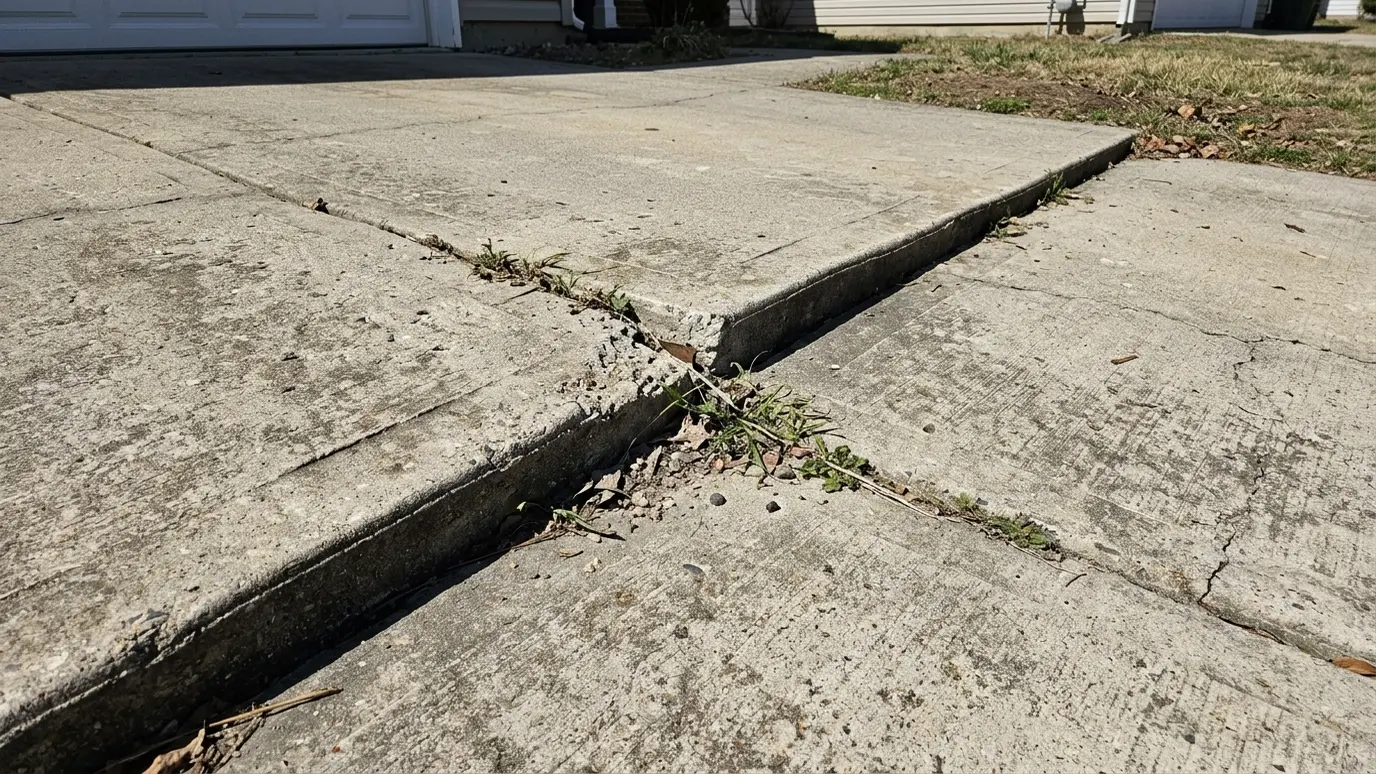 Driveway LevelingA driveway with a sunken slab, a step at the joint or a tilt toward the house can…Explore
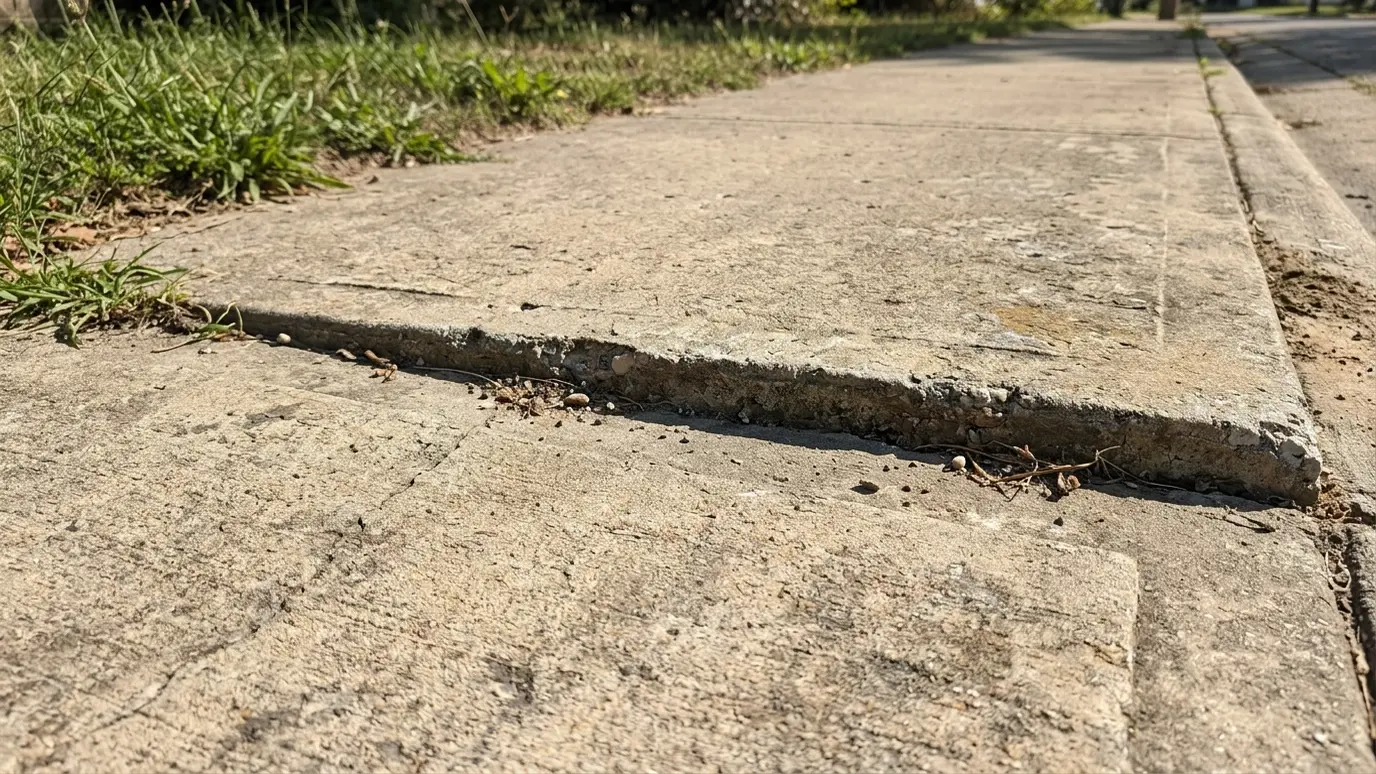 Sidewalk and Walkway LevelingA raised edge on a sidewalk is a trip hazard. We lift sunken slabs flush with their neighbors…Explore
Tell us about the project and we will call you back to talk it through.
Or call (615) 357-7797 to talk now.