Start with the water
Roof water, surface runoff and ground water each need a different answer. Knowing where yours comes from avoids paying for the wrong fix.
Our drainage tool helps you map the sources.
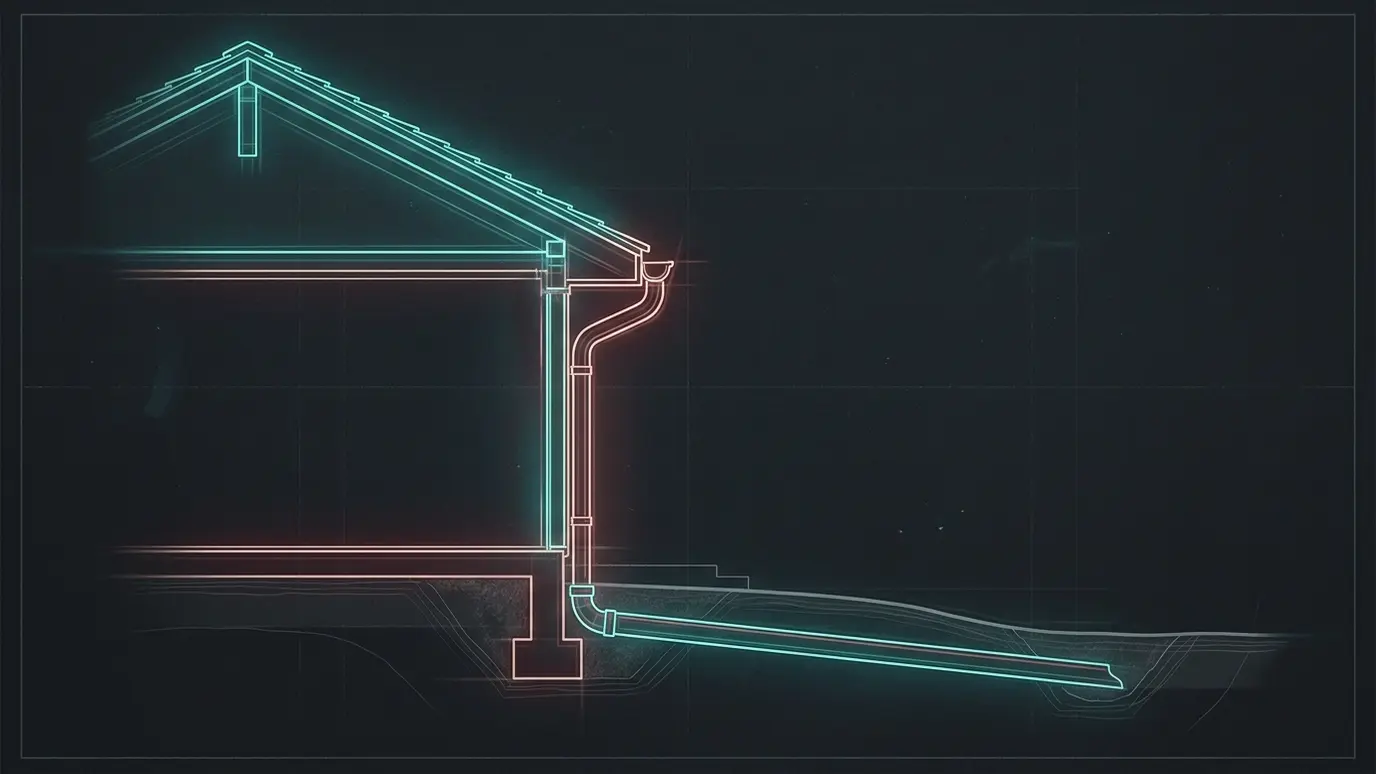
Gutters and grading
The least disruptive and often most useful steps are clean gutters, long downspout extensions and soil that slopes away from the house.
Many wet basements dry noticeably with these steps alone.
Interior drains and sumps
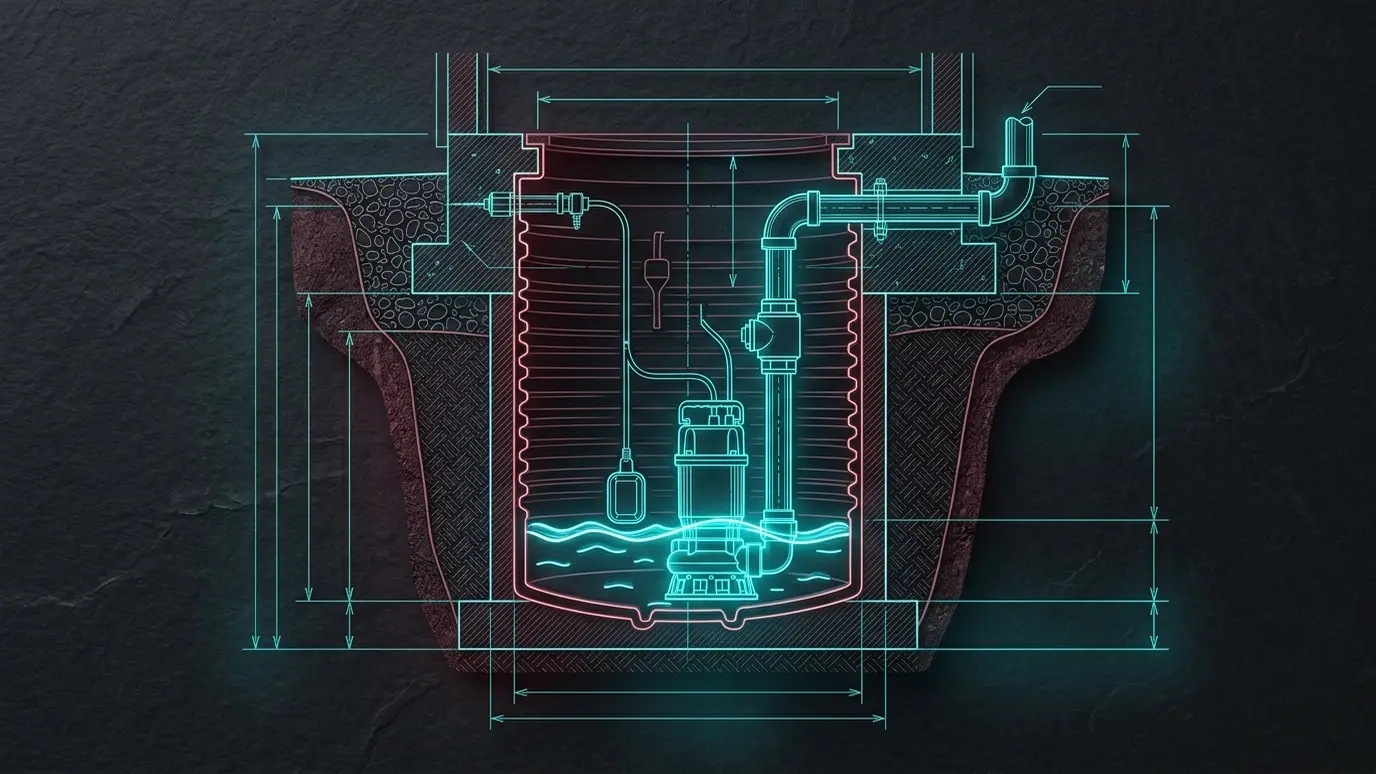
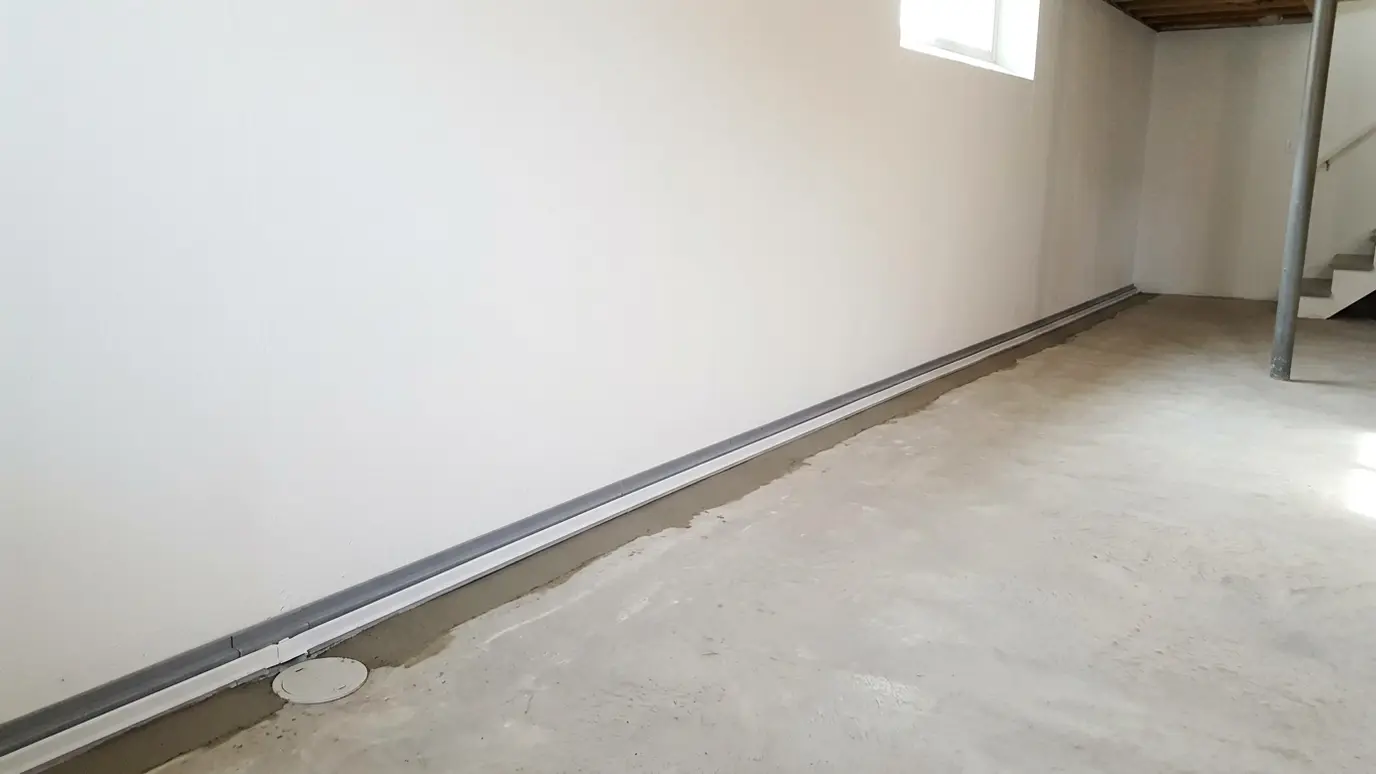
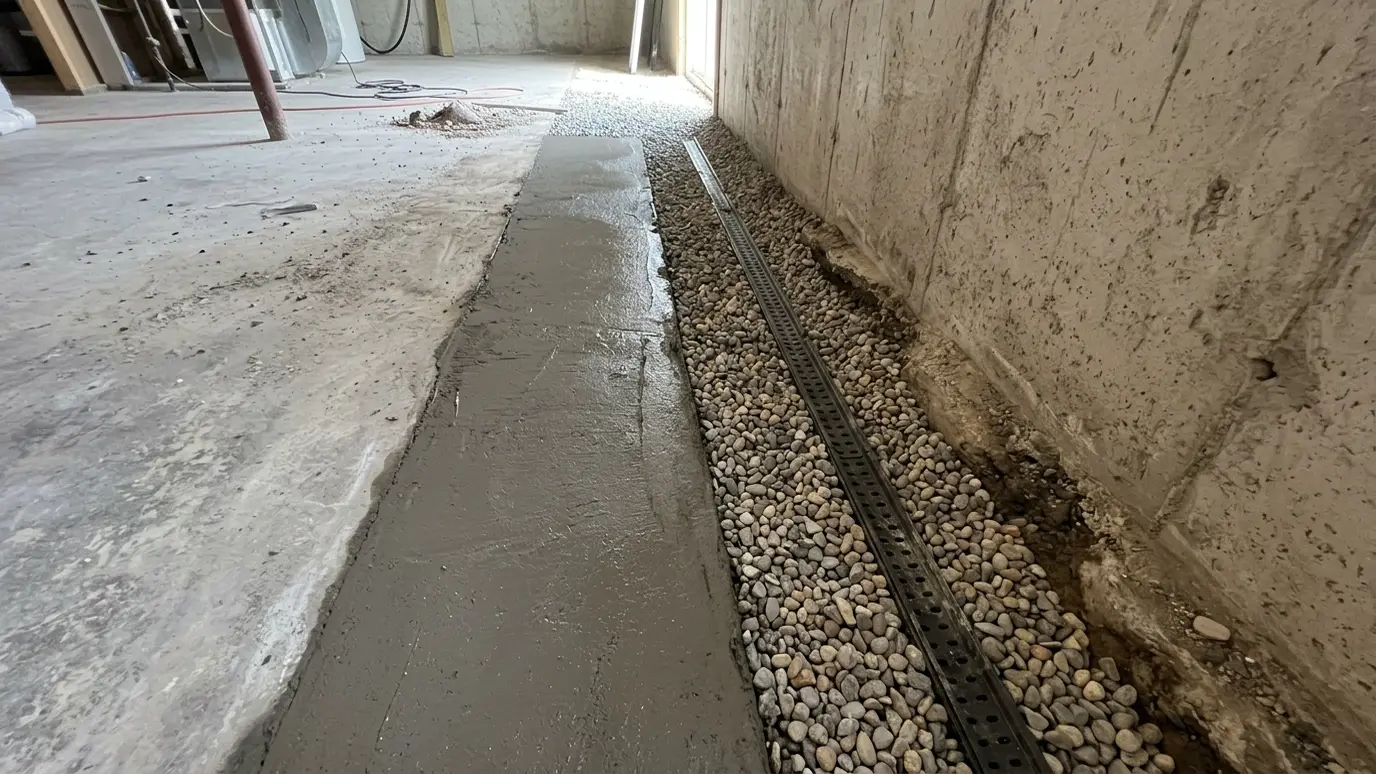
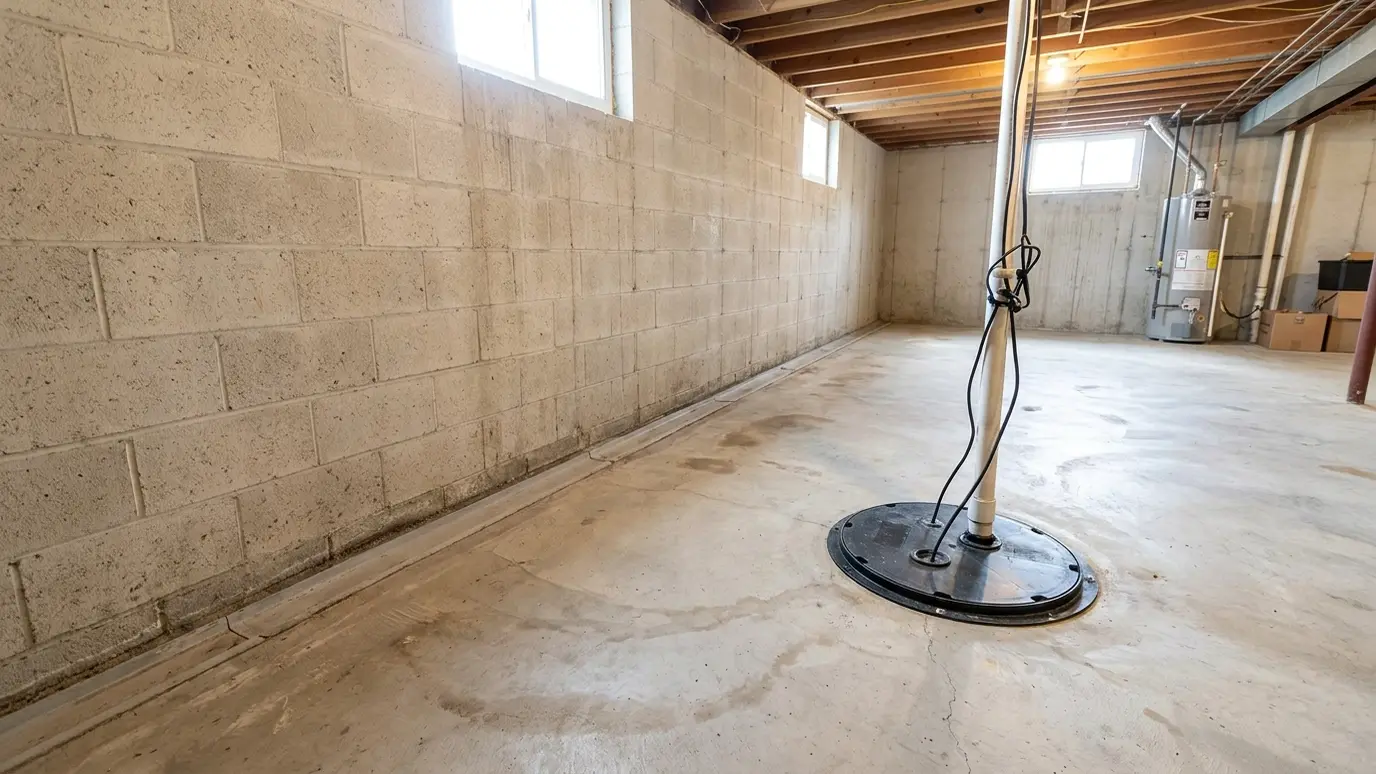
An interior drain along the footing with a sump pump handles water that reaches the basement. It is installed inside, in any season, with no yard digging.
It manages water rather than stopping it at the wall.
Exterior waterproofing
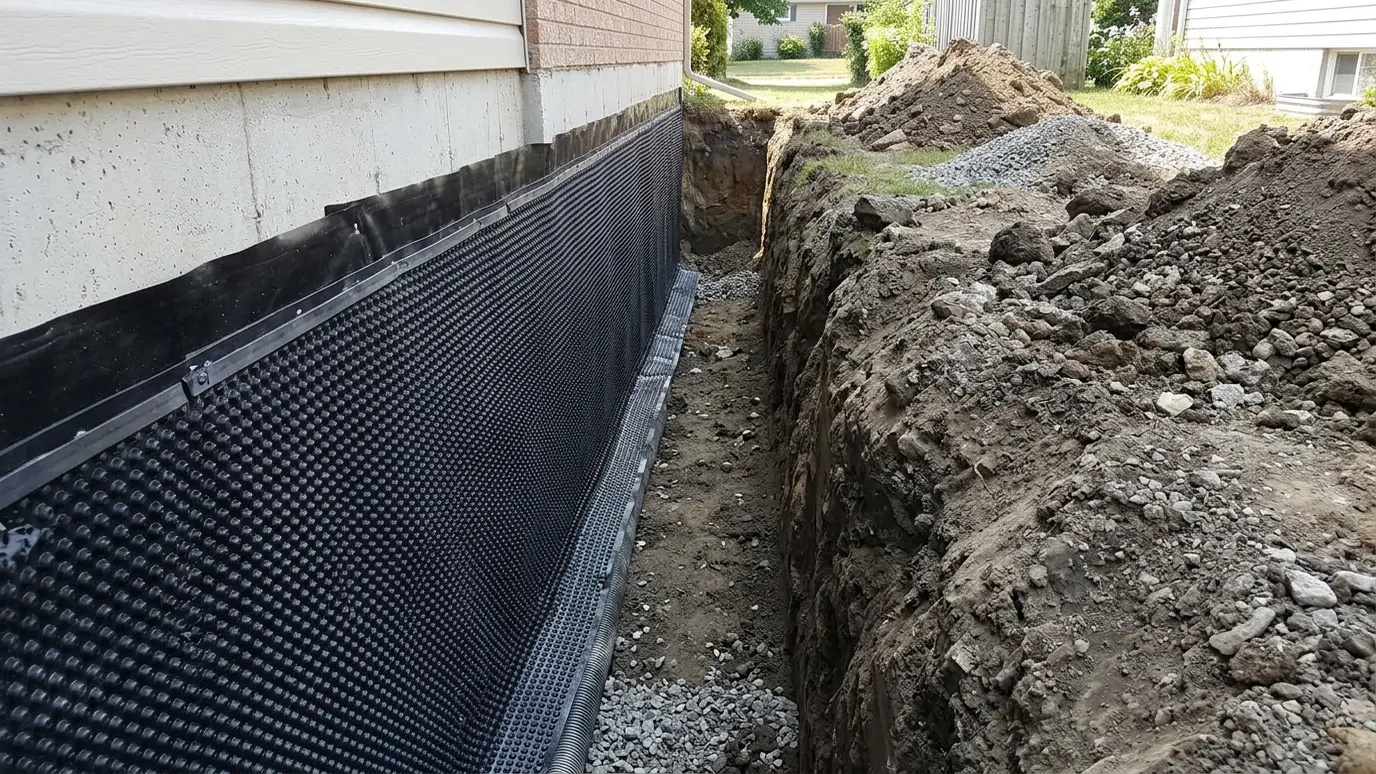
Excavating, sealing the wall, adding a membrane and drain tile stops water at the wall. It is more disruptive and more costly.
It makes the most sense when the wall needs repair or when pressure is high.
Crack and wall sealing
Injection seals leaking cracks. Coatings and sealers reduce dampness through masonry but do not stop flowing water.
They work best with drainage.
Putting it together
Most homes need a combination. A good proposal names each piece and explains why it is there.
Ask how the system is tested and what happens in a power outage.
Fix the roof water and grading first, then add the interior or exterior system that matches how the water actually reaches your wall.