A sump pump moves water out of the house automatically. We size the pit, pump, discharge and backup so it works when the storm hits.
A sump pump sits in a pit at the lowest part of a basement or crawl space. When water rises in the pit, a float switch turns the pump on and the water is sent through a discharge pipe out and away from the house. It is a simple machine with a very important job, and it tends to work hardest on the stormy nights when no one wants to be checking on it.
Choosing a pump is more than picking one off the shelf. We look at how much water the space gets, how high it has to be lifted and how far it has to go. We set a sealed, lidded pit to keep out odors and humidity, a check valve so water does not run back, a discharge that releases water well away from the foundation and, where it makes sense, a battery backup for power outages.
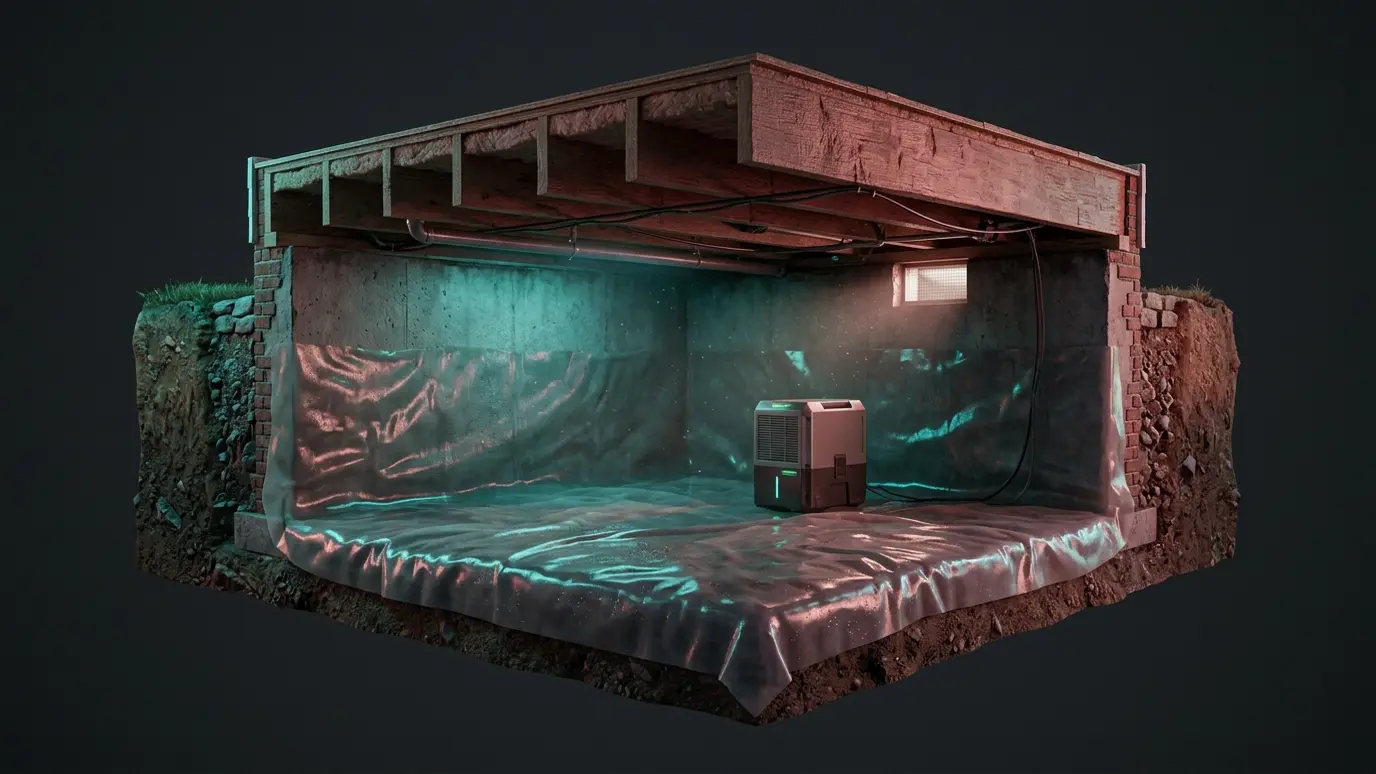
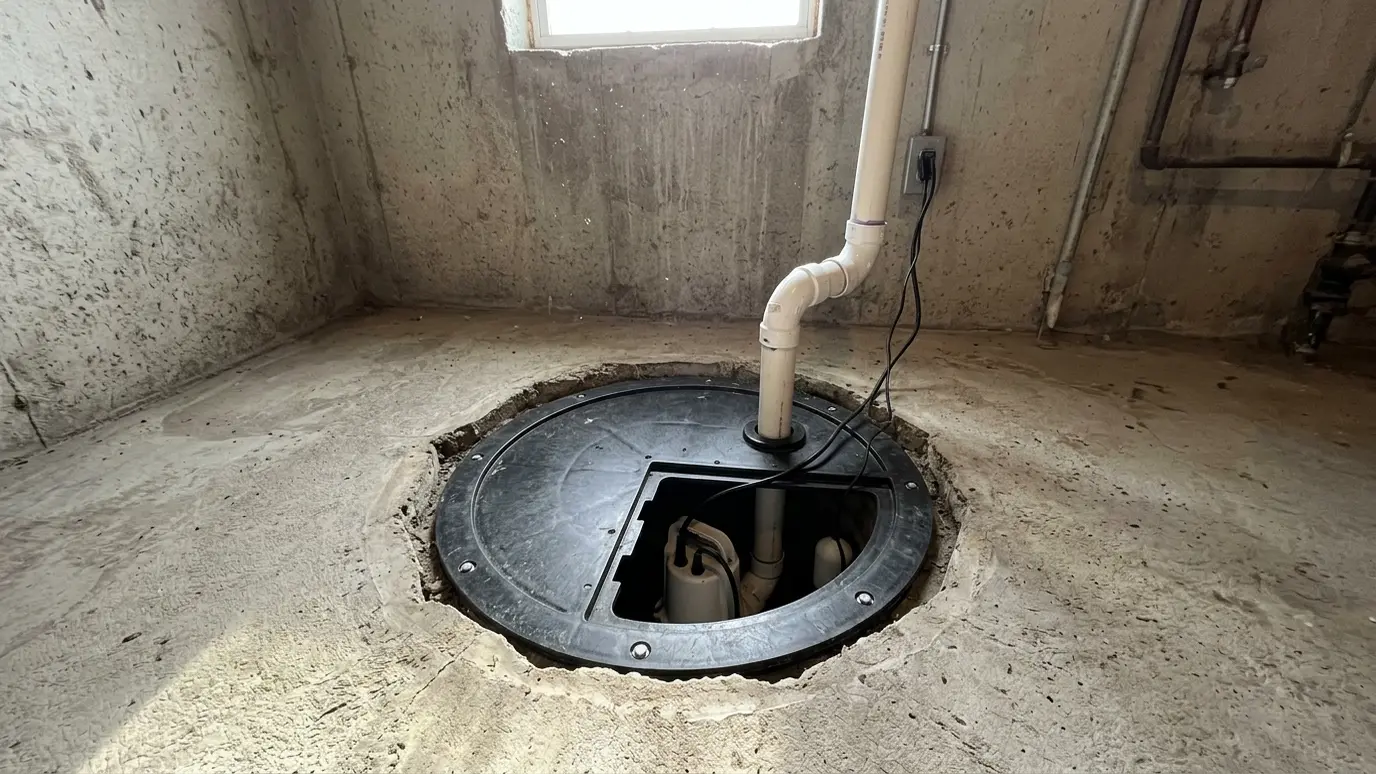
A properly sized pit with a sealed lid holds the pump, keeps out debris and keeps damp air from rising into the house.
Submersible pumps are quiet and handle most homes. Capacity and head are matched to the water and the discharge run.
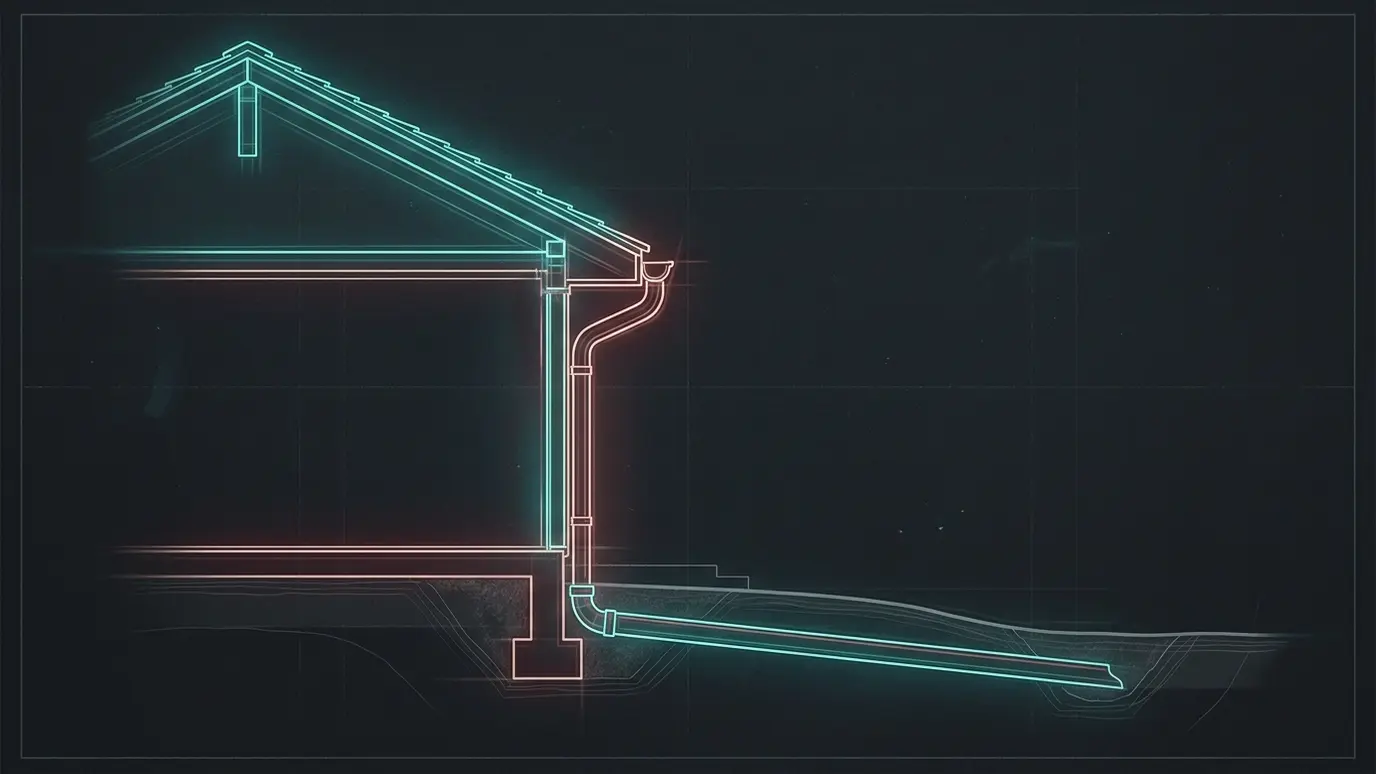
The line carries water well away from the house and through a check valve so it cannot drain back into the pit.
When the power goes out in a storm, a backup pump keeps working, which is when it is needed most.
Drag the handle to compare.
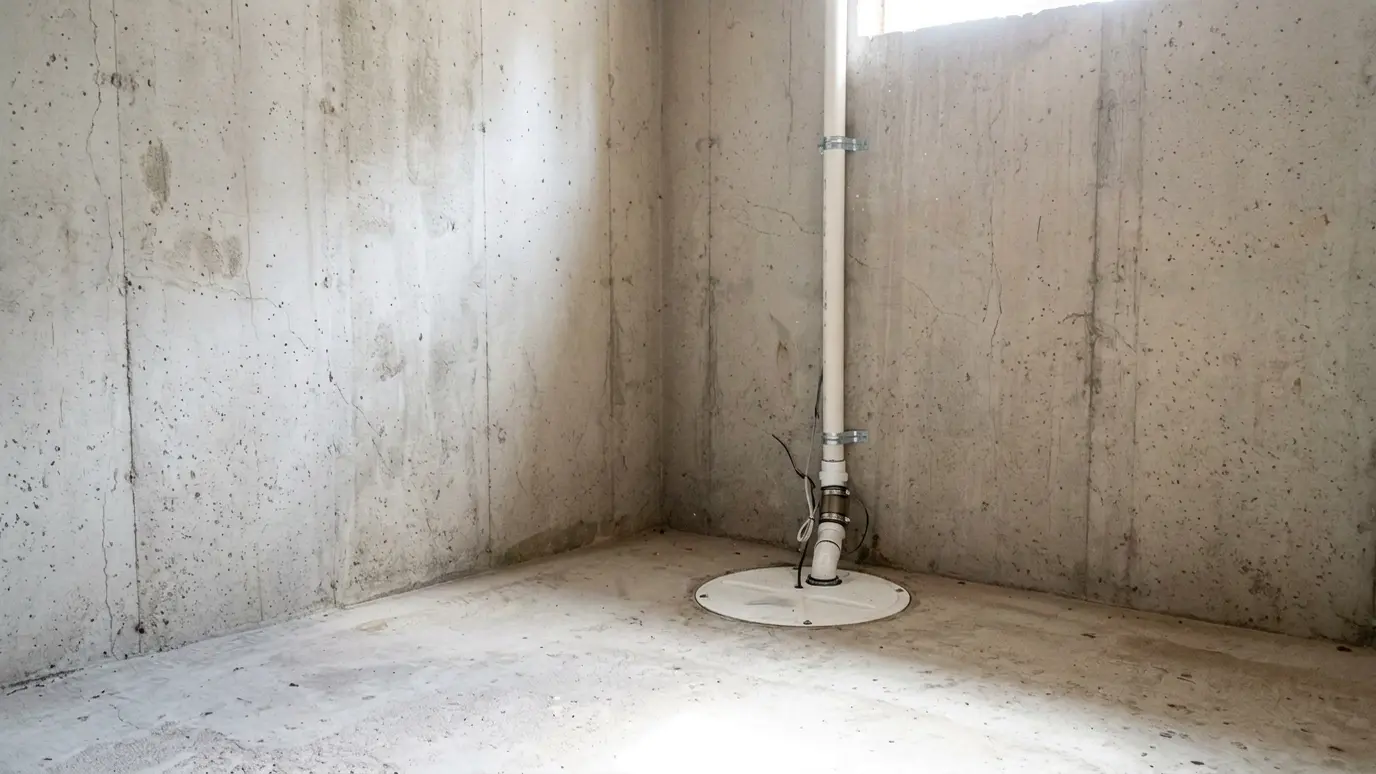
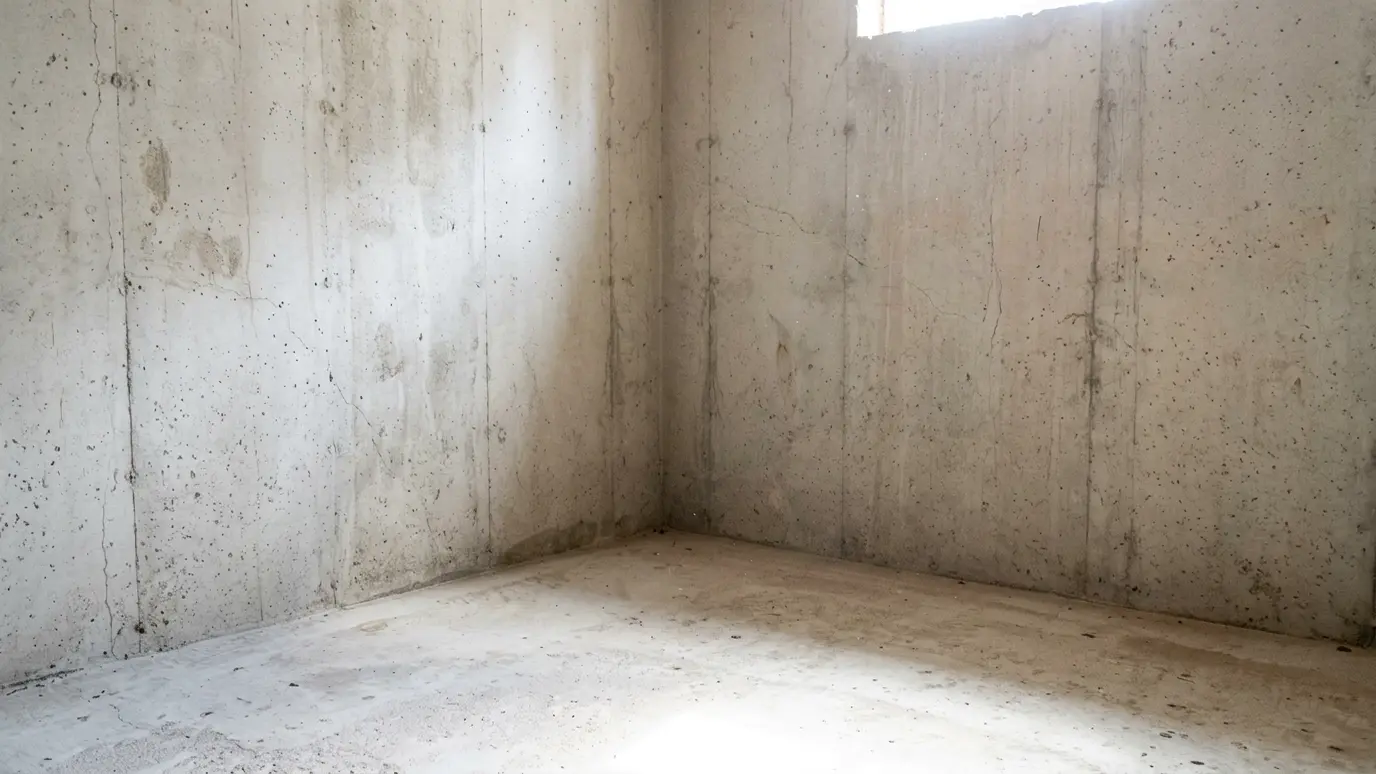 BeforeAfter
Clean and sealed.
Capacity and lift.
Away from the wall.
Storm protection.
No backflow.
Proof it works.
Every topic has its own page with what to expect and how we approach it.
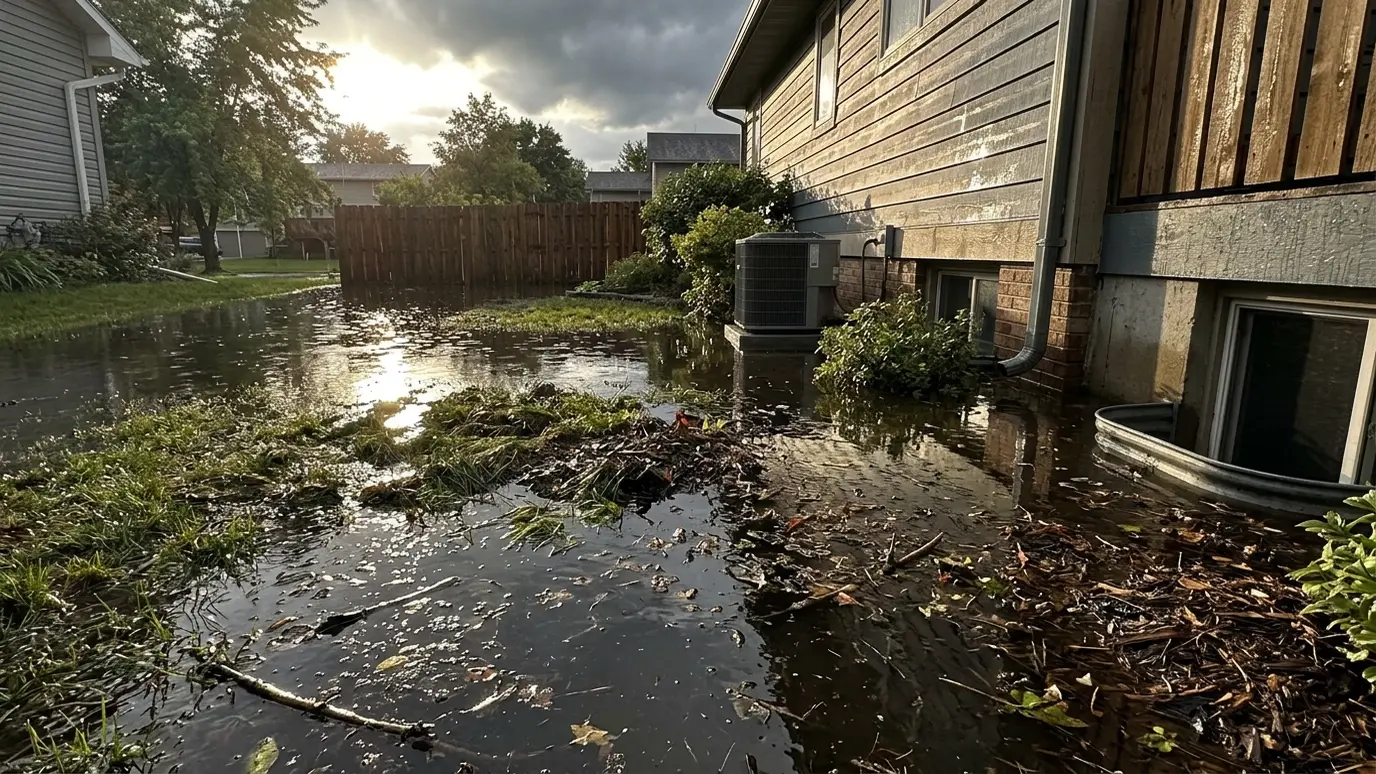 Project situationStorm and Flood DamageAfter heavy rain or flooding, foundations can shift and basements can fill. Here is how to protect your…Learn more
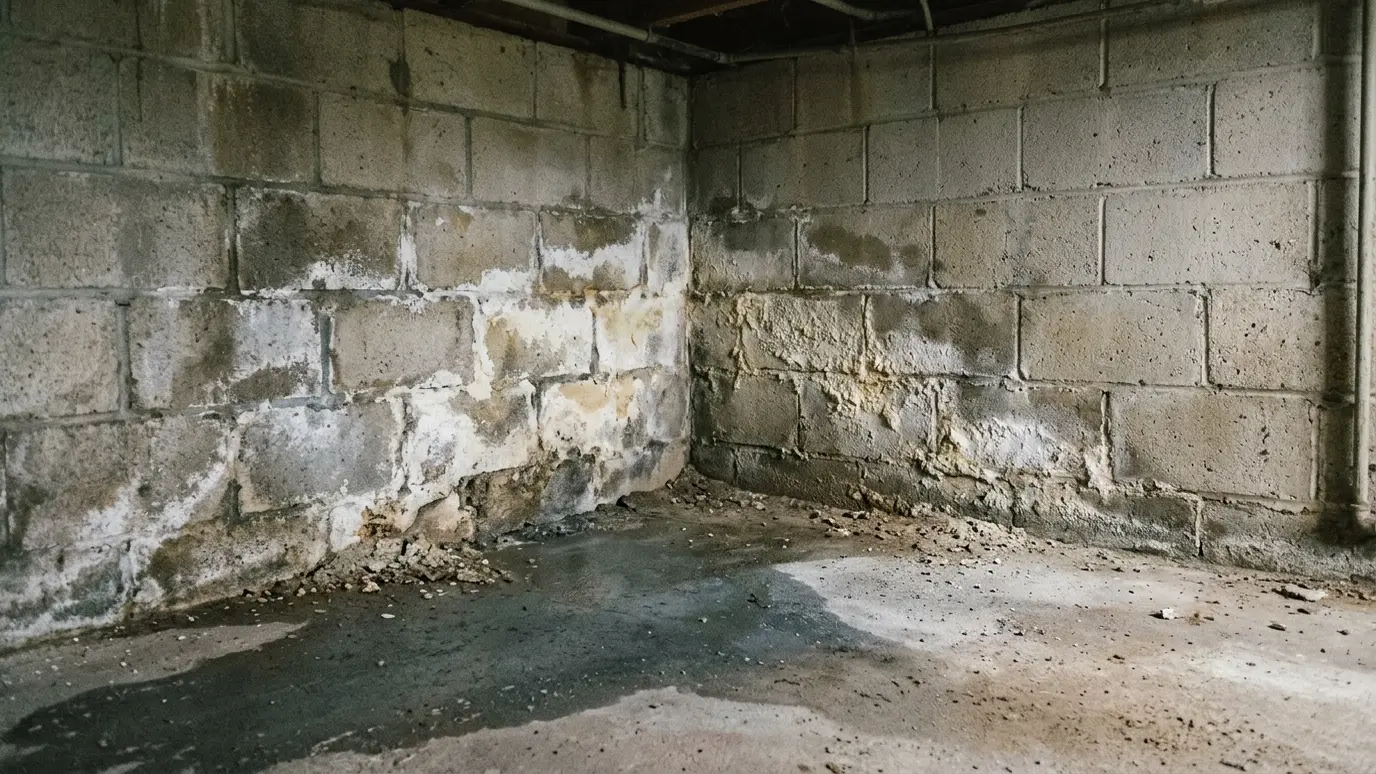 Project situationMusty Basements and Crawl SpacesA damp, earthy smell is a sign of moisture below. Fix the source and the whole house smells…Learn more
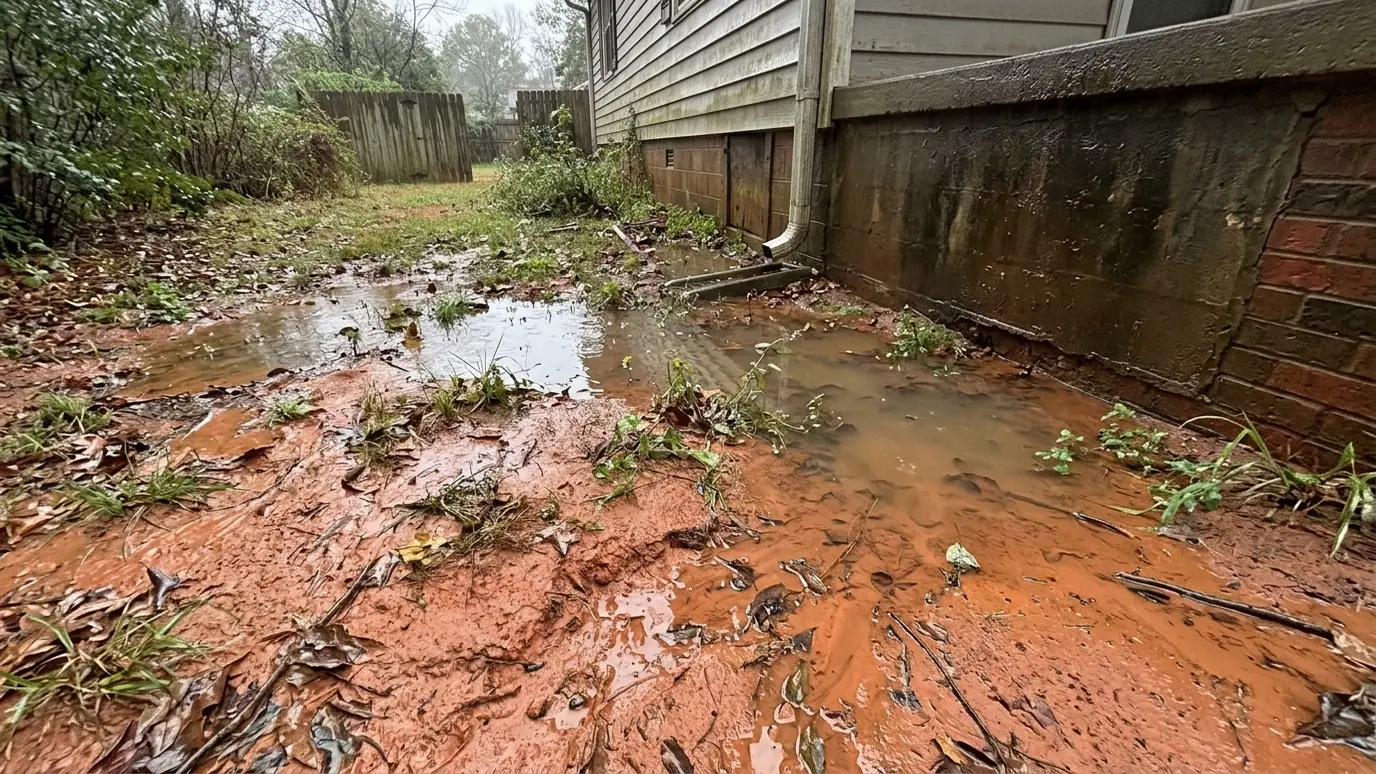 Project situationClay Soil and Wet YardsMiddle Tennessee clay swells when wet and shrinks when dry. That movement is behind many cracks, leaks and…Learn more
Enter the space, how wet it gets and the lift to see the pump capacity and backup to plan for.
You tell us what you have noticed, a crack, a damp smell, a sloping floor or standing water, and we set a visit that fits your day.
We look closely inside and out, measure floors and cracks, check moisture and drainage and take photos of anything of note.
We explain what is urgent, what can wait and what is optional, and give you a written scope and options.
We lay floor protection, mark utilities, protect landscaping and set up before any digging or drilling begins.
We install, seal, lift or repair with the right tools and materials, checking our work as we go.
We clean up, restore the surface, show you what we did, share care tips and set a reminder for your next check.
A float switch turns the pump on when the pit fills, and the pump sends water out through a pipe.
Many last several years, and testing a few times a year helps catch problems early.
It is wise if your power fails in storms or if the basement is finished.
The discharge carries it well away from the foundation, and we check the route.
Submersible pumps are quiet and sealed lids reduce noise further.
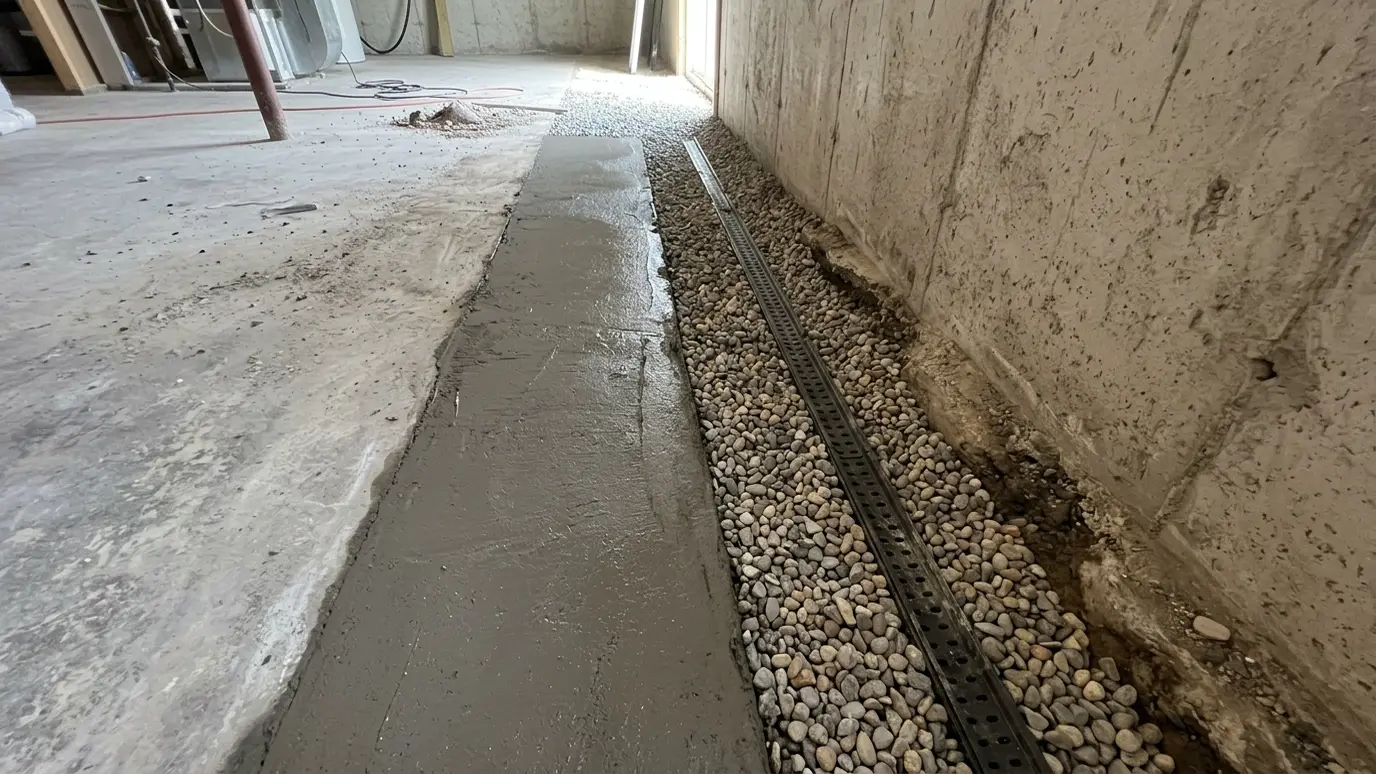 Interior Drain SystemsA drain along the inside of the footing catches water at the floor joint and carries it to…Explore
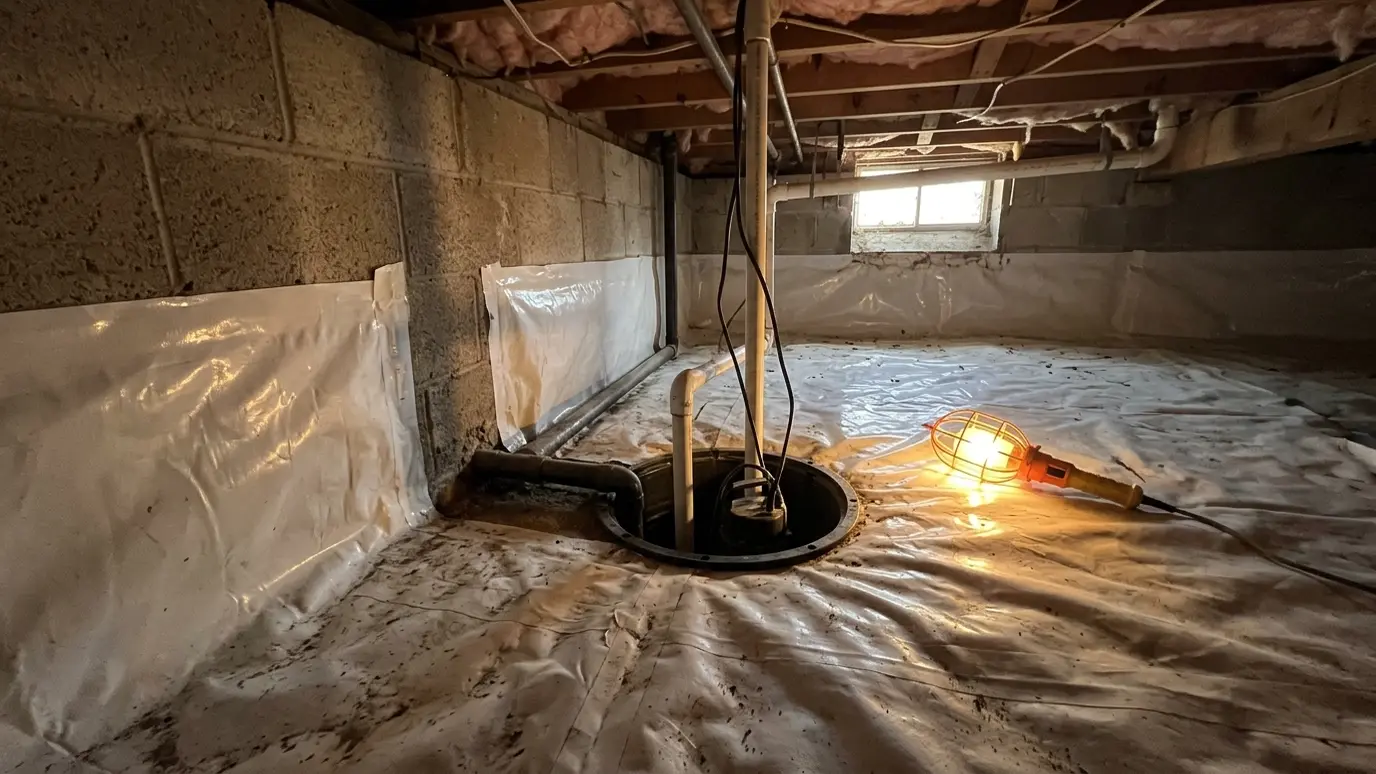 Crawl Space Drainage and SumpsWhen water reaches the crawl space, a drain, a sump pit and a pump carry it out so…Explore
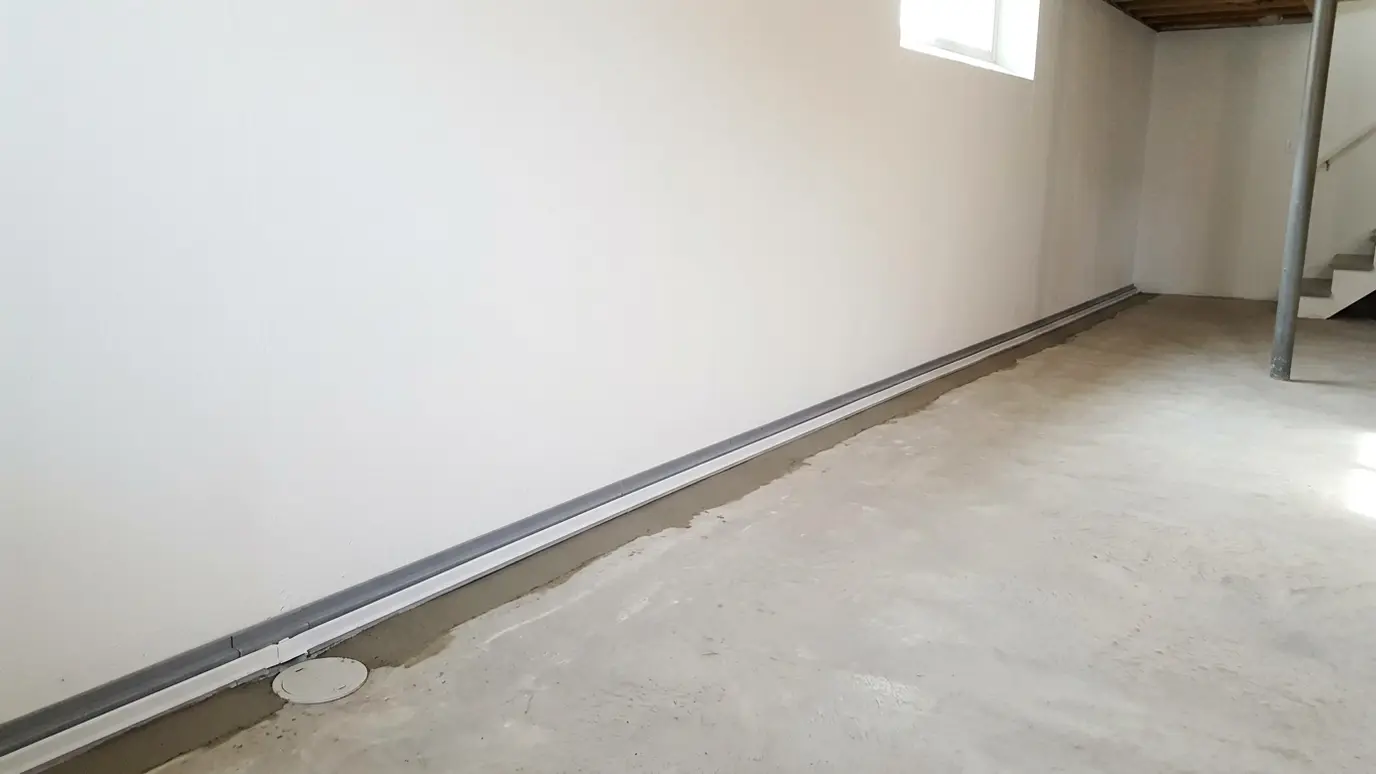 Basement WaterproofingA dry basement comes from a complete plan: manage the water outside, give it a path inside and…Explore
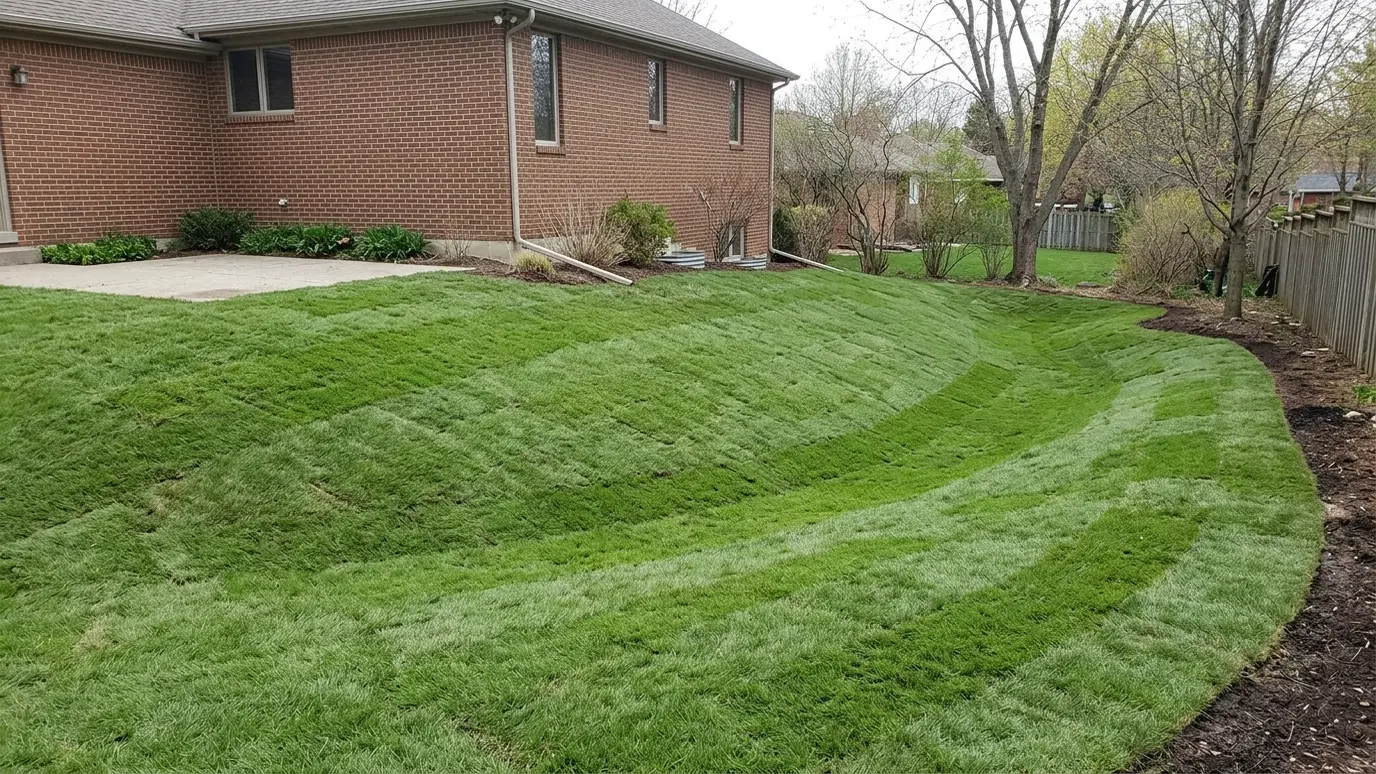 Yard Drainage and GradingSoil that slopes toward the house is the root of many foundation problems. We regrade, add swales and…Explore
Tell us about the project and we will call you back to talk it through.
Or call (615) 357-7797 to talk now.