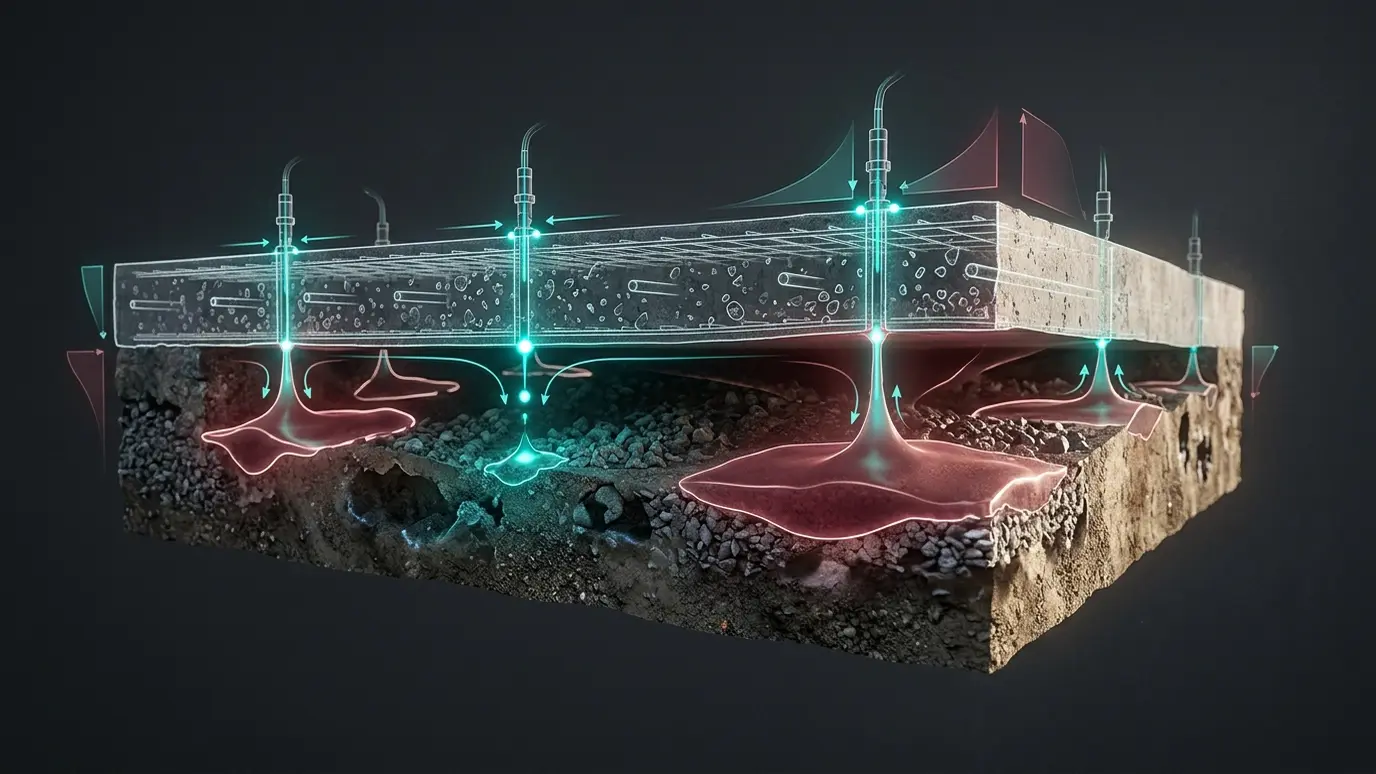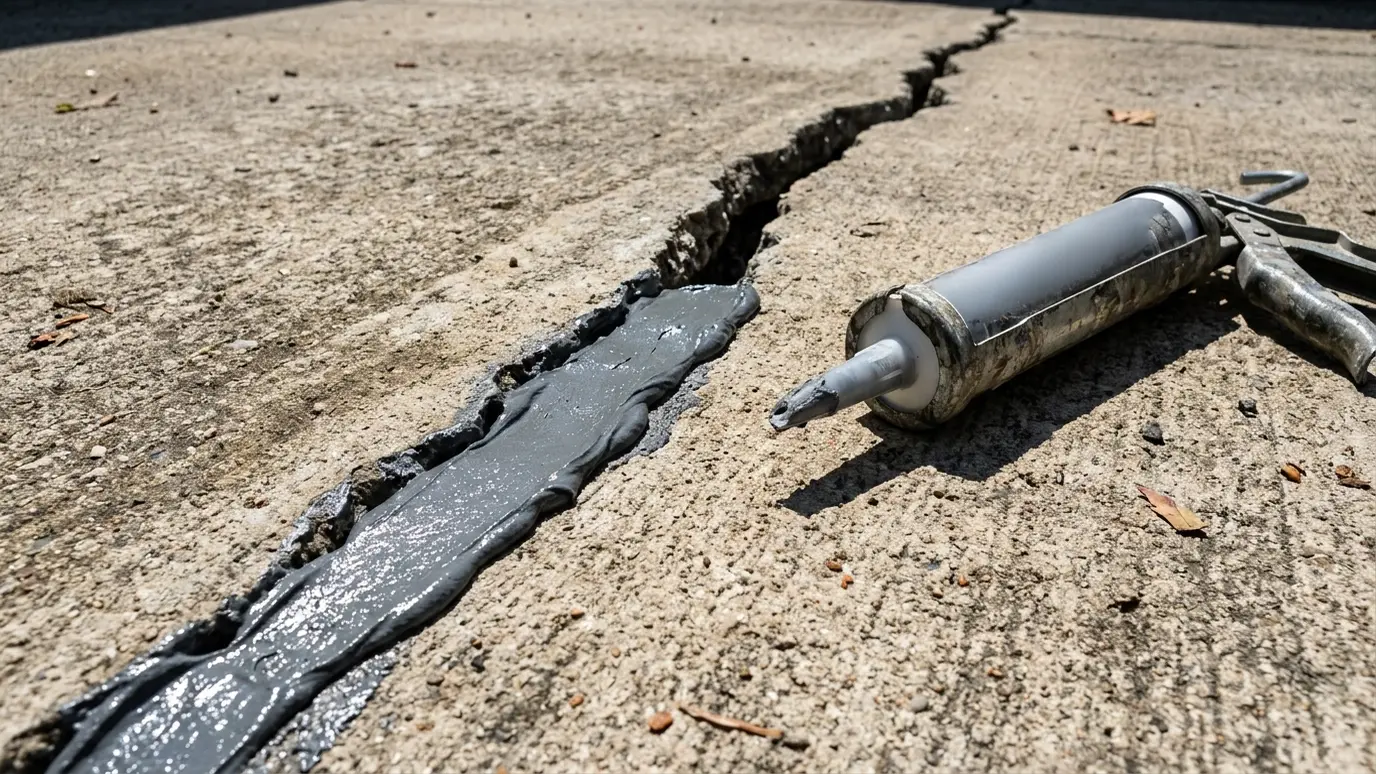
Cracks in driveways, patios, walks and floors are cleaned and filled with flexible sealant, so water cannot get in and make them worse.
Cracks in concrete begin small and then grow, because water gets in, freezes and expands, and washes out soil beneath the slab. A hairline crack today is a wide gap in a few seasons. Sealing a crack early is among the least expensive ways to extend the life of a slab.
We clean each crack of dirt and loose material, set a backer where the crack is deep and fill it with a flexible sealant or a semi-rigid filler matched to the crack. For cracks that move with the seasons, flexible products are best. For cracks in floors that carry loads, a semi-rigid filler gives a firm edge. We finish with a tidy surface so the crack is no longer a path for water, weeds or ants. A quick walk around the property with a marker is a good way to find every crack worth sealing. We often mark them together, so you can see which ones matter and which can wait for another season.
Dirt and loose pieces are removed so the sealant bonds. This step makes the biggest difference to how long the repair lasts.
Slabs move with temperature. Flexible sealants stretch and shrink with them without cracking.
Garage and warehouse floors use semi-rigid fillers that support the crack edges under wheels.
Control joints are cleaned and resealed, since open joints are a common route for water.
Drag the handle to compare.
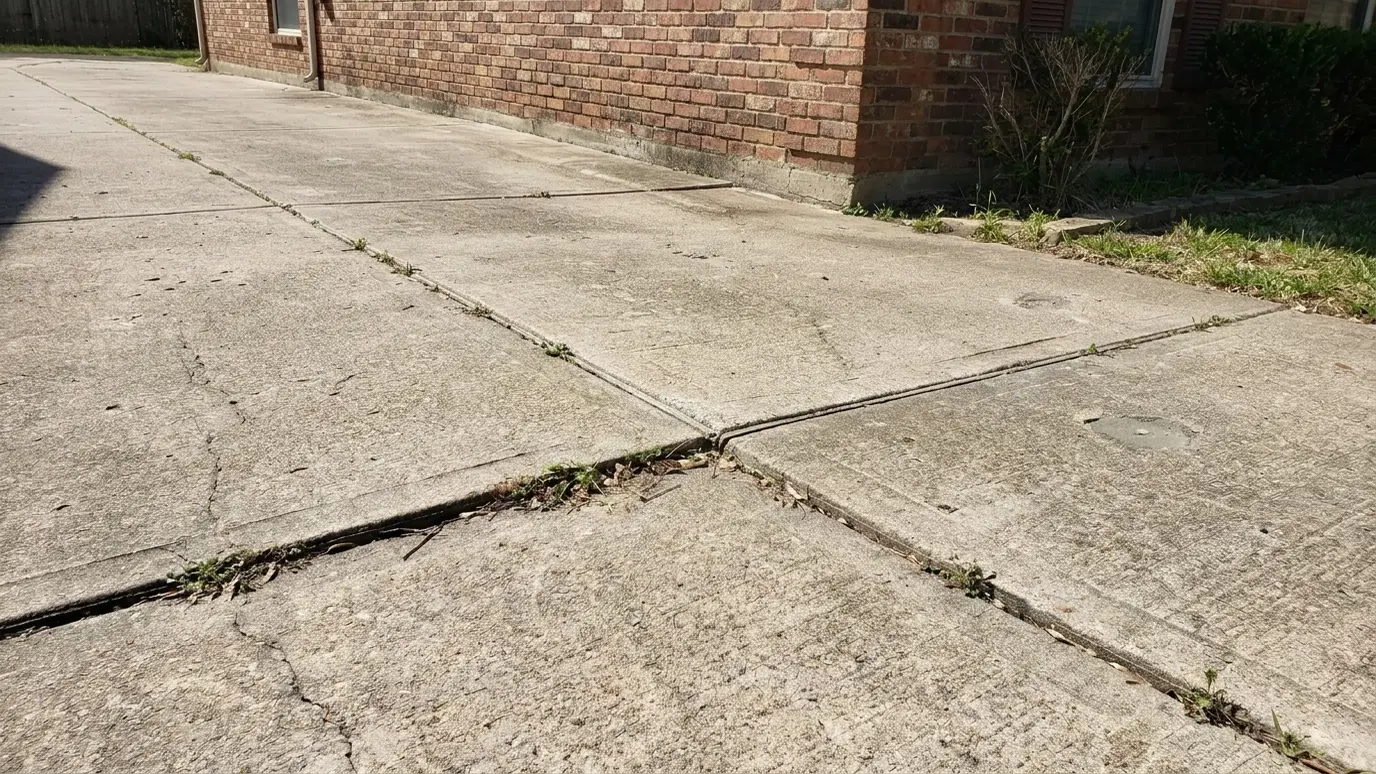
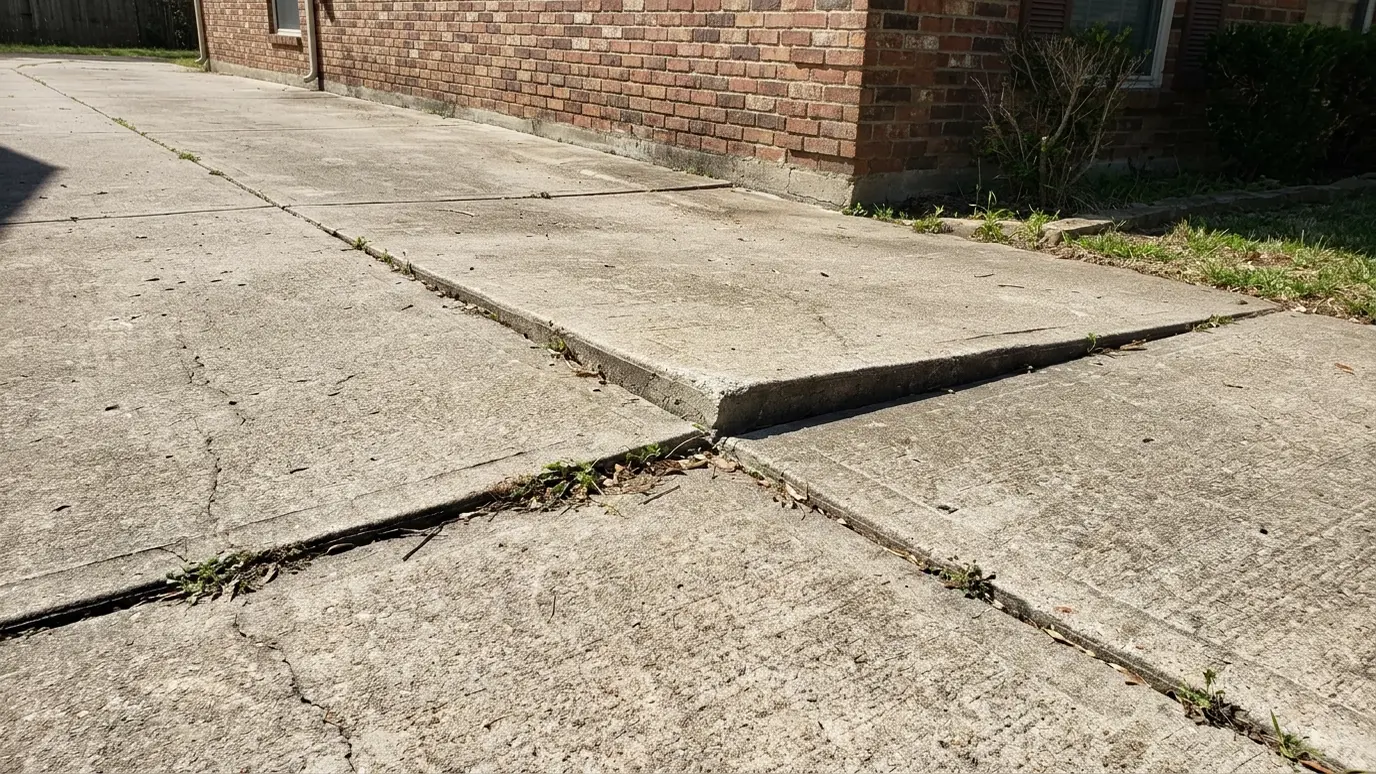 BeforeAfter
Stops growth.
No freeze damage.
Matched to the crack.
Clean joints.
Extends slab life.
Looks neat.
Every topic has its own page with what to expect and how we approach it.
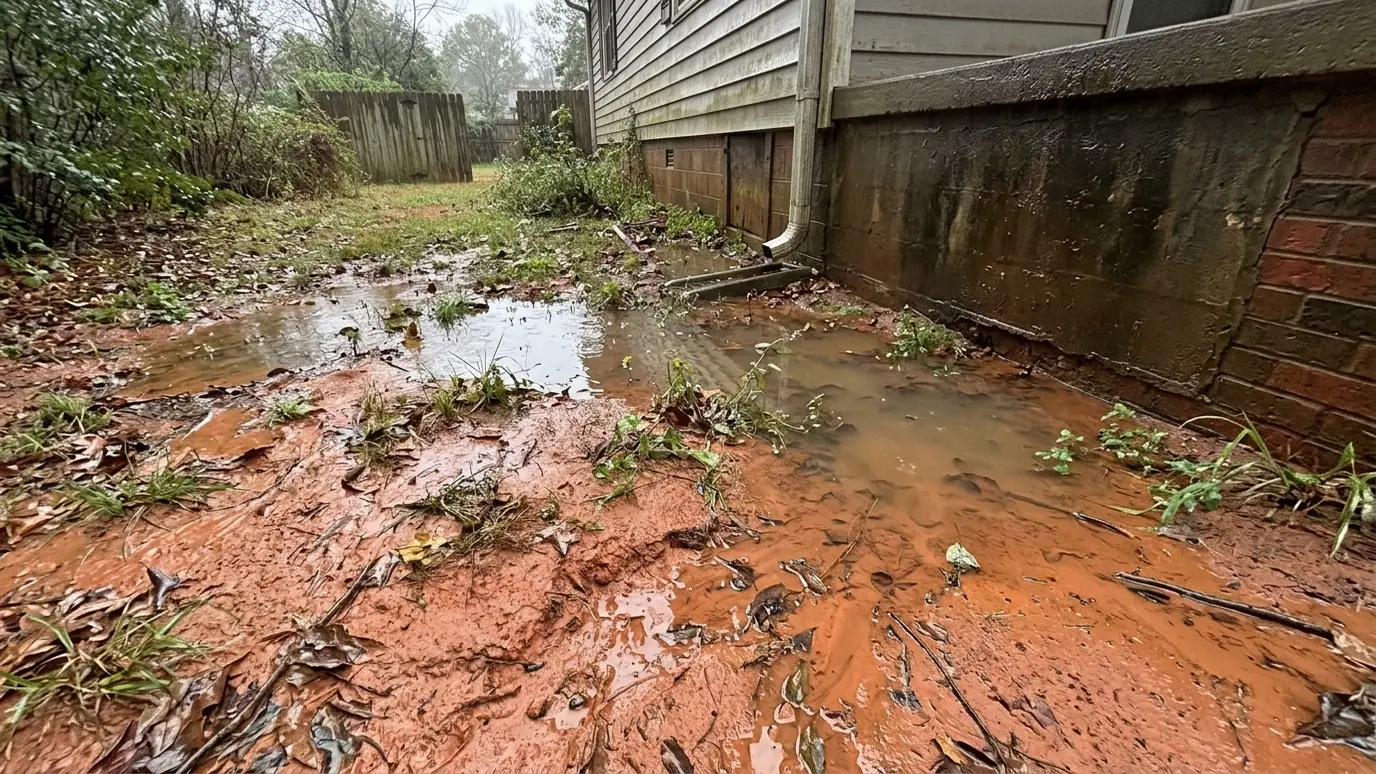 Project situationClay Soil and Wet YardsMiddle Tennessee clay swells when wet and shrinks when dry. That movement is behind many cracks, leaks and…Learn more
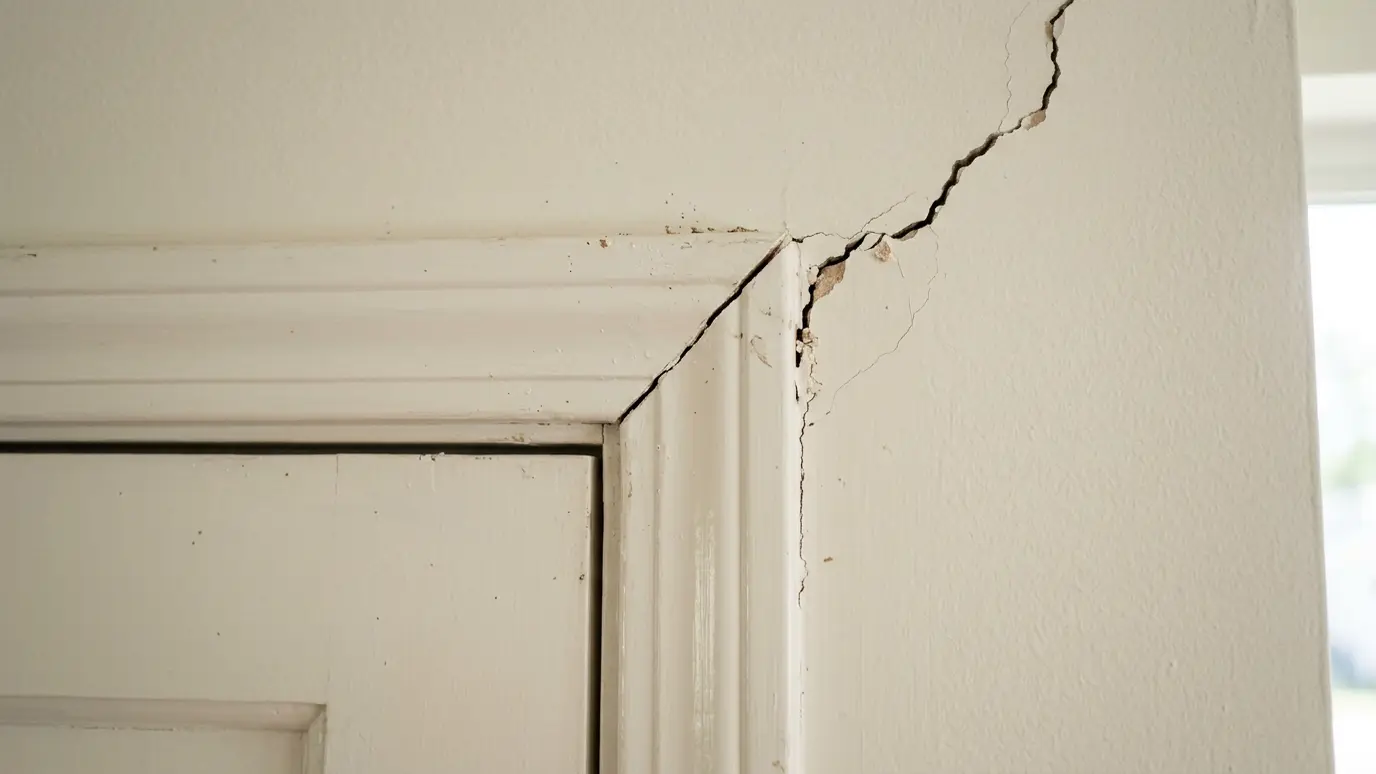 Project situationCracks and Sticking DoorsDoors that stick, cracks over windows and floors that slope are the signals foundations send. Learn what they…Learn more
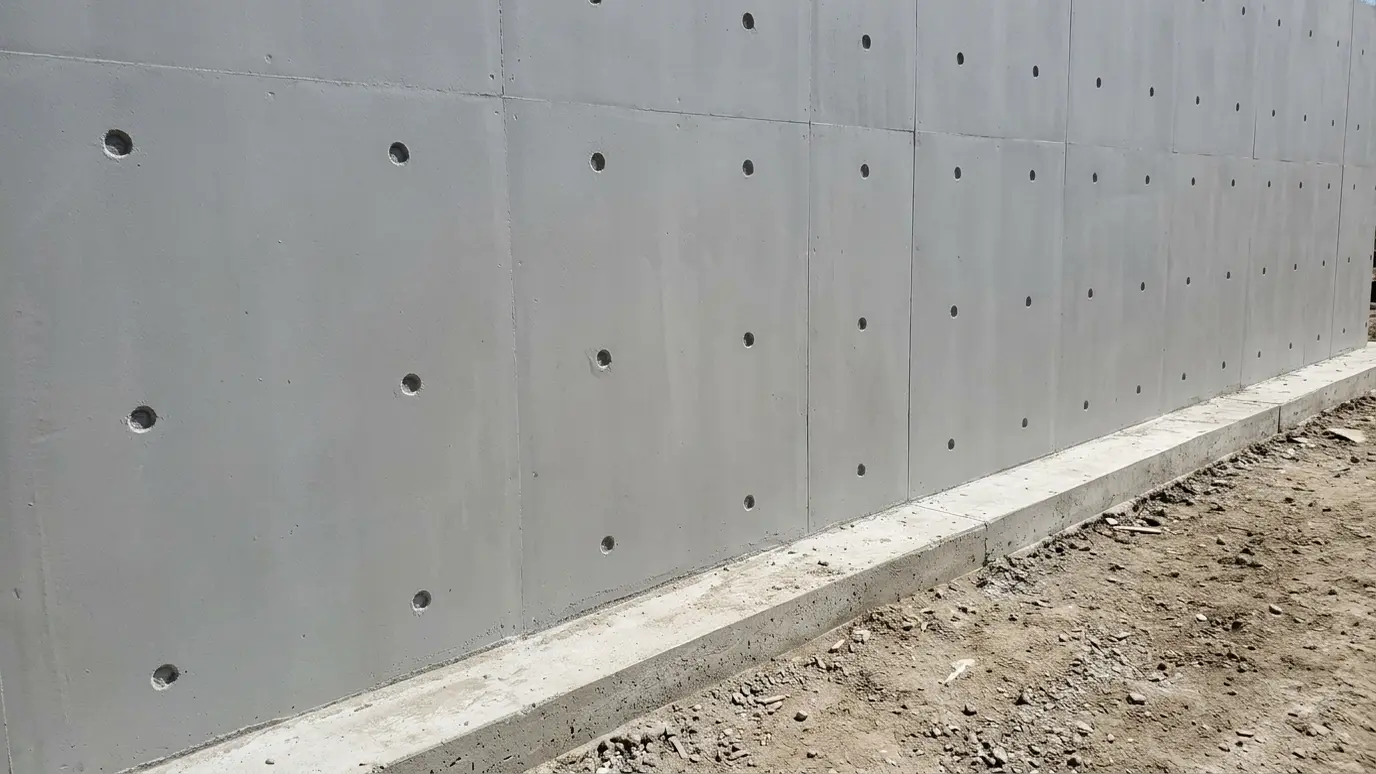 Material guidePoured Concrete FoundationsPoured concrete is strong, seamless and common in newer homes. Here is how it works, where it cracks…Learn more
Pick the crack type, measure its width and tell us if it is changing to see how much attention it may need.
You tell us what you have noticed, a crack, a damp smell, a sloping floor or standing water, and we set a visit that fits your day.
We look closely inside and out, measure floors and cracks, check moisture and drainage and take photos of anything of note.
We explain what is urgent, what can wait and what is optional, and give you a written scope and options.
We lay floor protection, mark utilities, protect landscaping and set up before any digging or drilling begins.
We install, seal, lift or repair with the right tools and materials, checking our work as we go.
We clean up, restore the surface, show you what we did, share care tips and set a reminder for your next check.
Yes, when they hold water or are in a wet area. Sealing early prevents growth.
It may need lifting as well as sealing. We look at both.
Several years in most cases, and joints can be resealed as needed.
Small cracks can be. Large or moving cracks need the right material and prep.
A sealed crack stays sealed until the slab moves again.
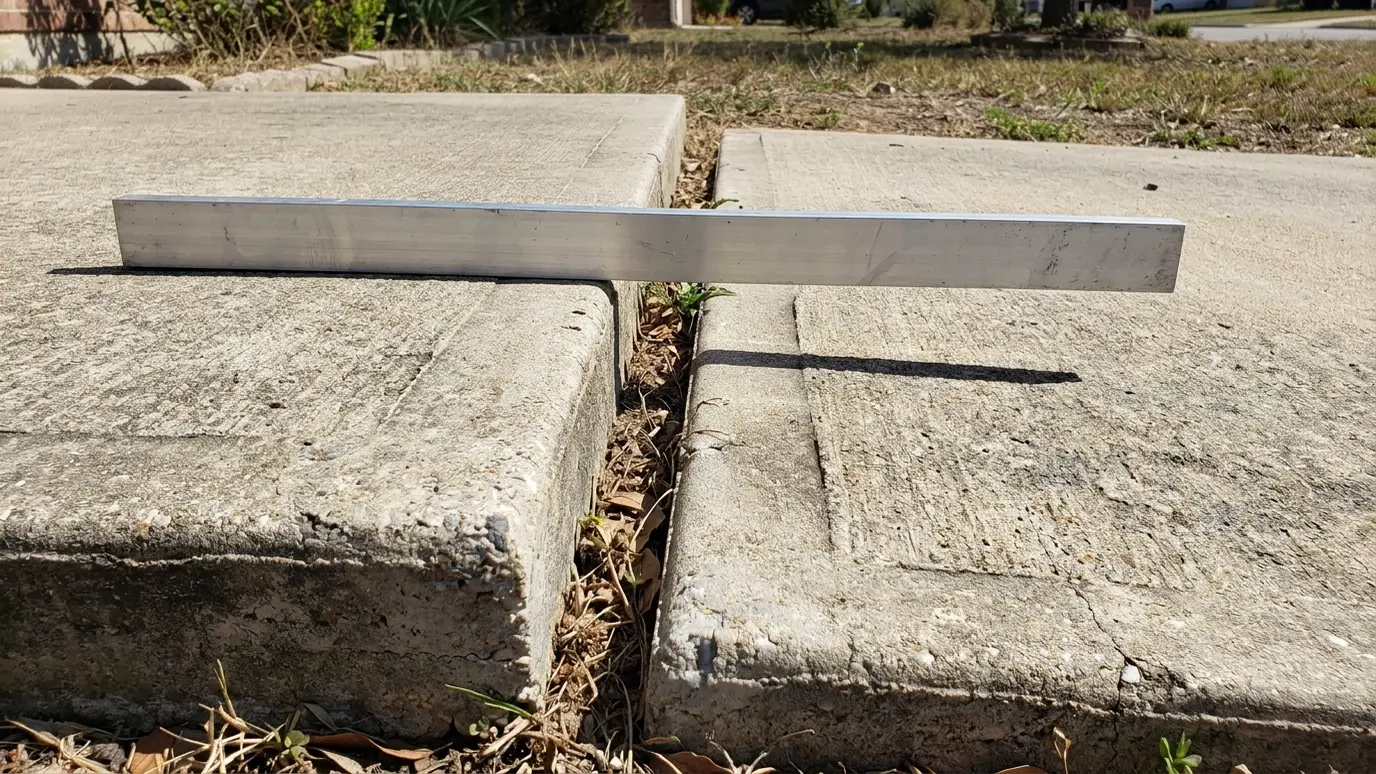 Concrete LevelingSunken driveways, sidewalks, patios and floors are lifted back to level without tearing out the concrete.Explore
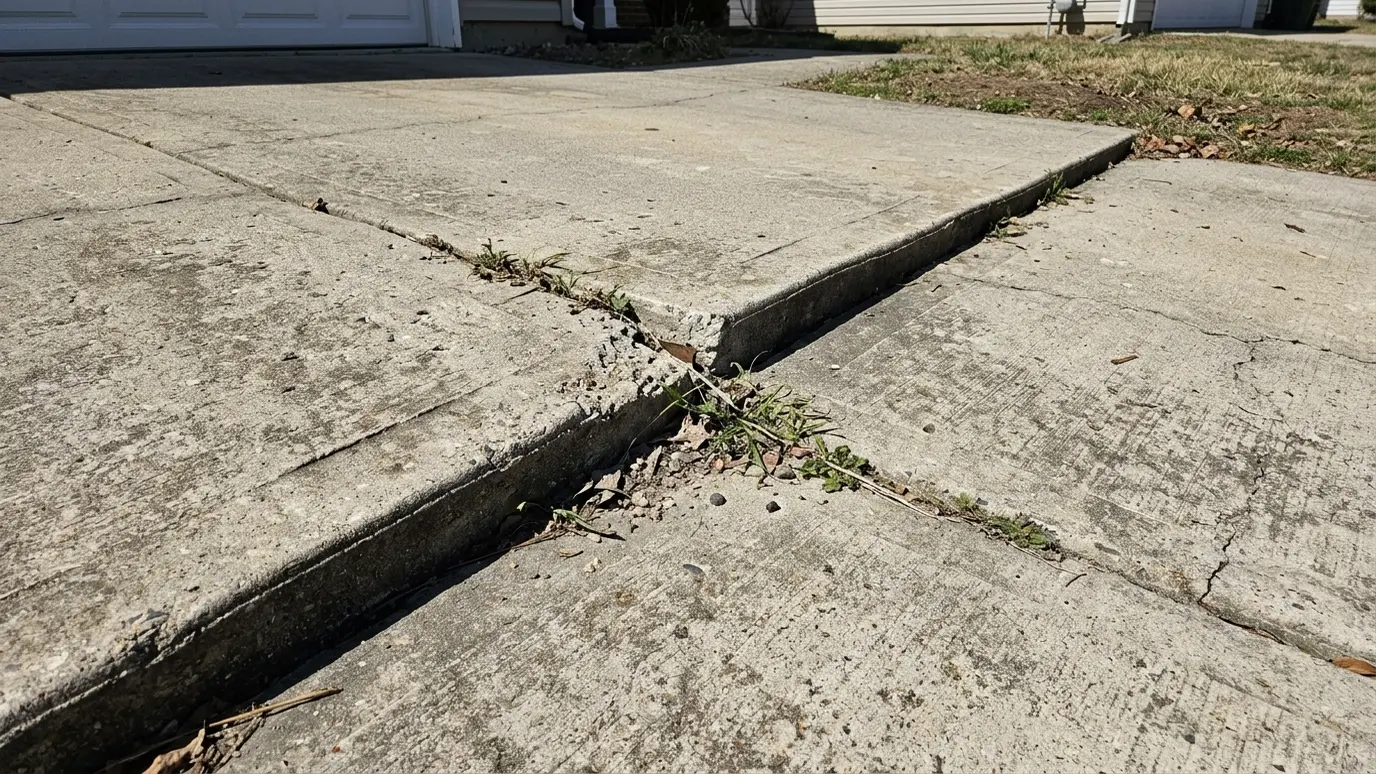 Driveway LevelingA driveway with a sunken slab, a step at the joint or a tilt toward the house can…Explore
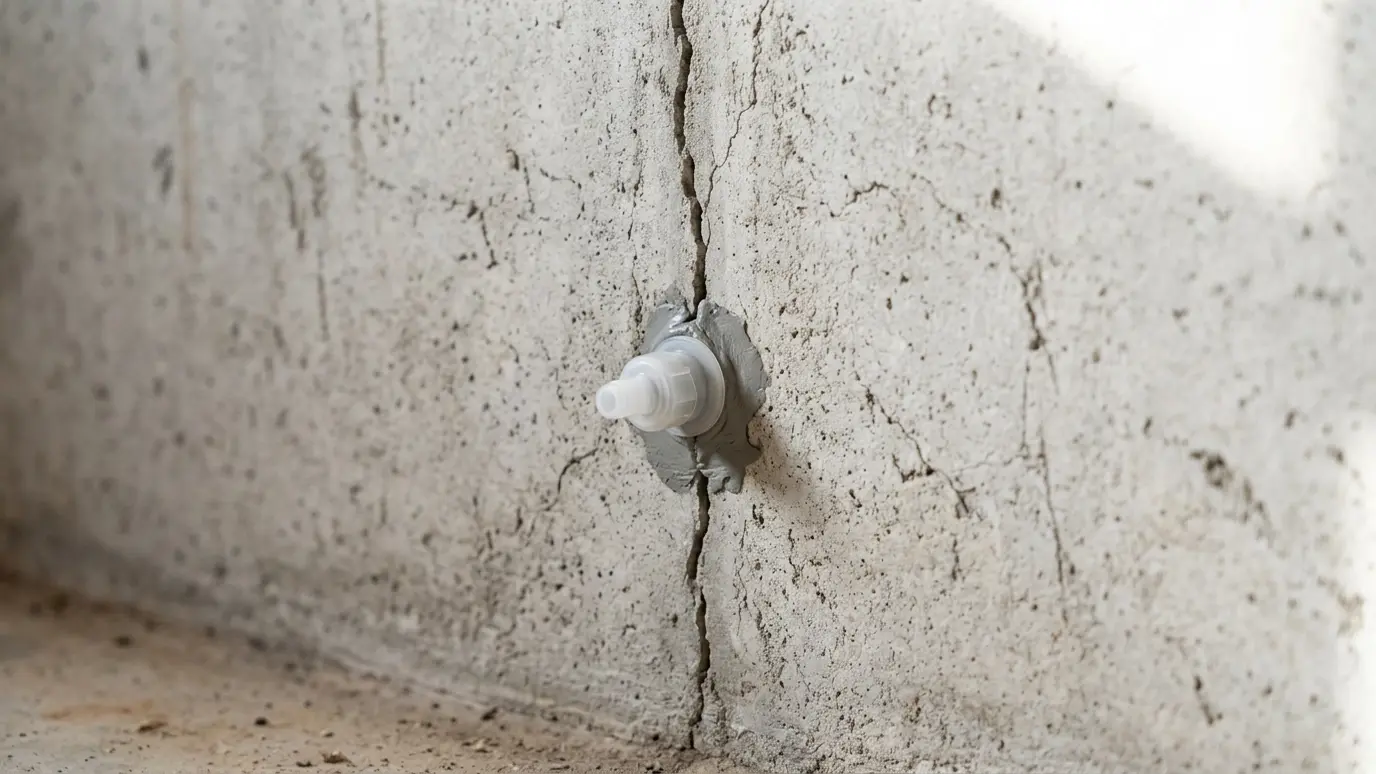 Foundation Crack RepairHairline, vertical, diagonal or stair-step, every crack tells a story. We read it, stop the water and repair…Explore
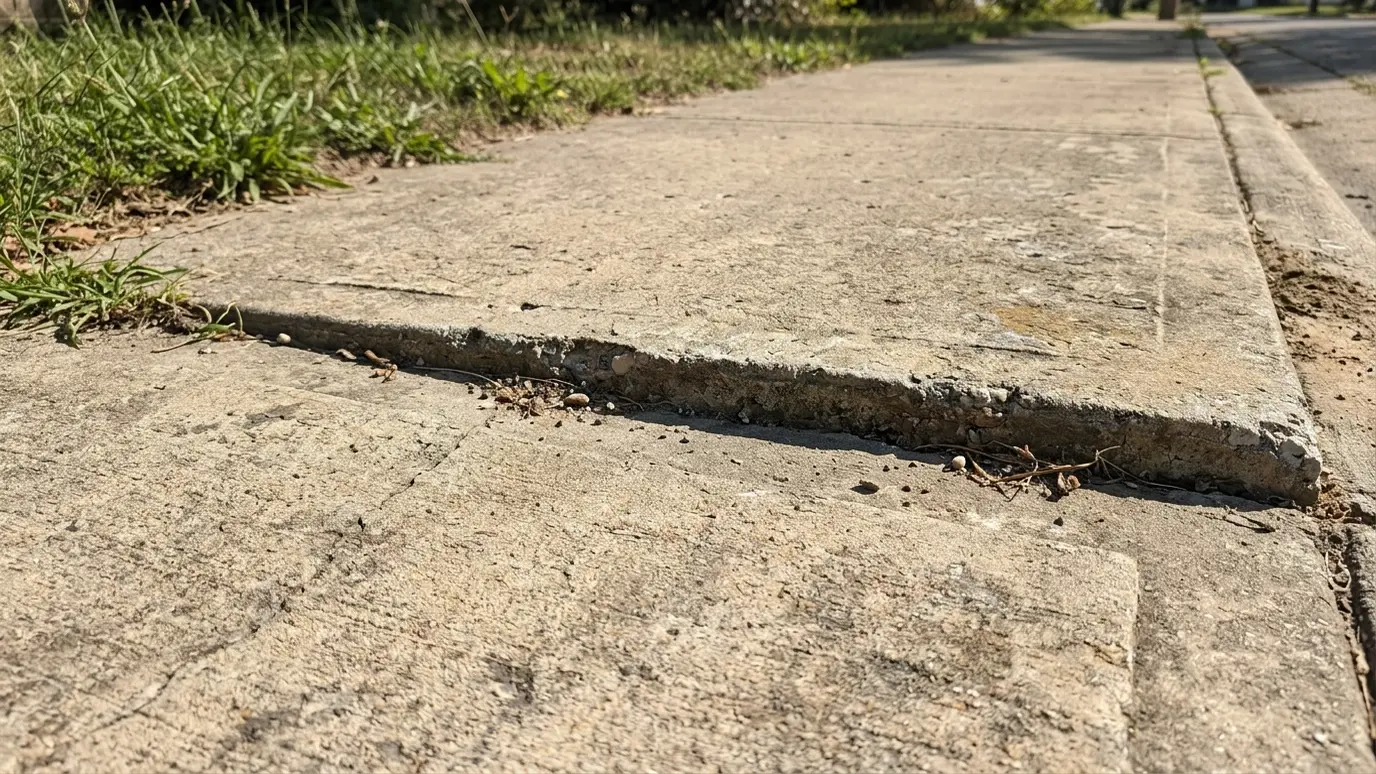 Sidewalk and Walkway LevelingA raised edge on a sidewalk is a trip hazard. We lift sunken slabs flush with their neighbors…Explore
Tell us about the project and we will call you back to talk it through.
Or call (615) 357-7797 to talk now.