Radon is a natural soil gas that can enter through foundation cracks and slabs. Testing is easy, and mitigation is a proven fix.
Radon is a colorless, odorless gas that forms naturally in soil and rock and can seep into homes through cracks, gaps around pipes, sump pits and the pores of the slab. Levels vary from house to house, even on the same street, so the only way to know is to test. Public health agencies recommend that every home be tested, and that homes above the action level be fixed.
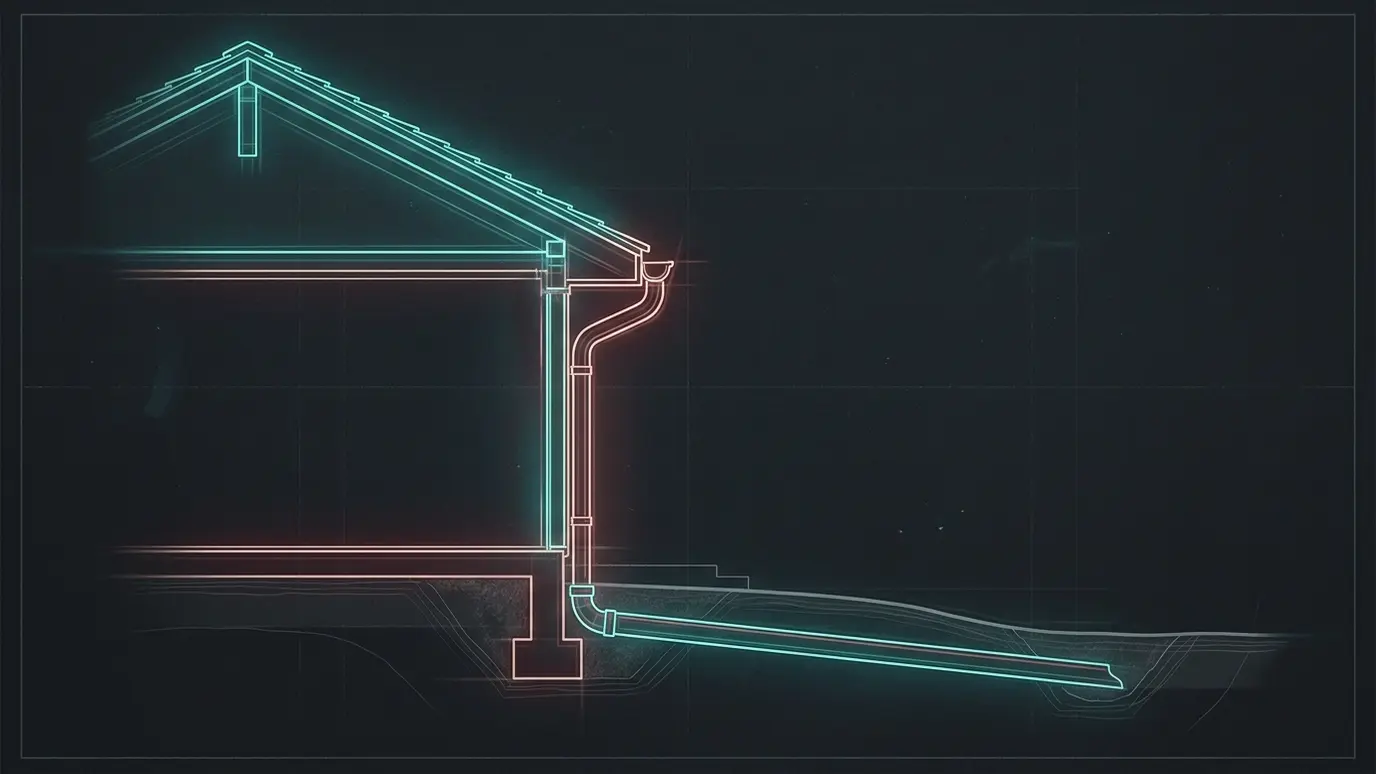
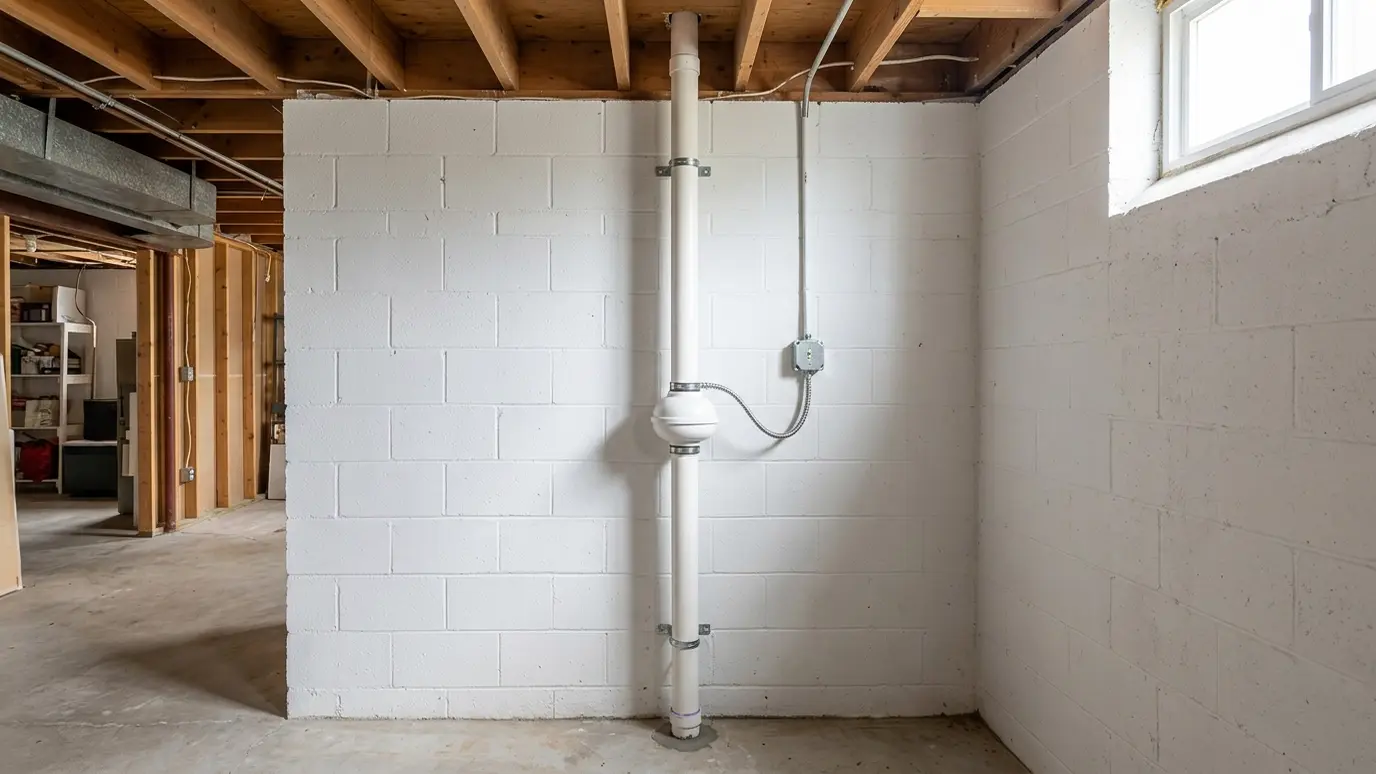
Mitigation is well understood. A pipe is set through the slab or into a crawl-space liner, a quiet fan draws soil gas from beneath the house and the gas is released above the roofline, where it disperses. Cracks and openings are sealed to help the system work. We explain how testing works, help you read the result and carry out the venting and sealing work when it is needed, with a retest to confirm it did its job.
Short-term tests take a few days and long-term tests take longer. We explain how to place a test and what the results mean.
Cracks, sump lids and pipe penetrations are sealed, which reduces entry and helps any venting system work better.
A pipe through the slab with a quiet fan draws soil gas from under the house and releases it above the roof.
After mitigation, a new test confirms the level is lower. We suggest retesting every couple of years.
Know your level.
Under the slab.
Cracks and sumps.
Proof it worked.
Many foundation types.
No fear tactics.
Every topic has its own page with what to expect and how we approach it.
 Project situationBuying or Selling a HomeA foundation can be a hidden cost for a buyer and a sticking point for a seller. A…Learn more
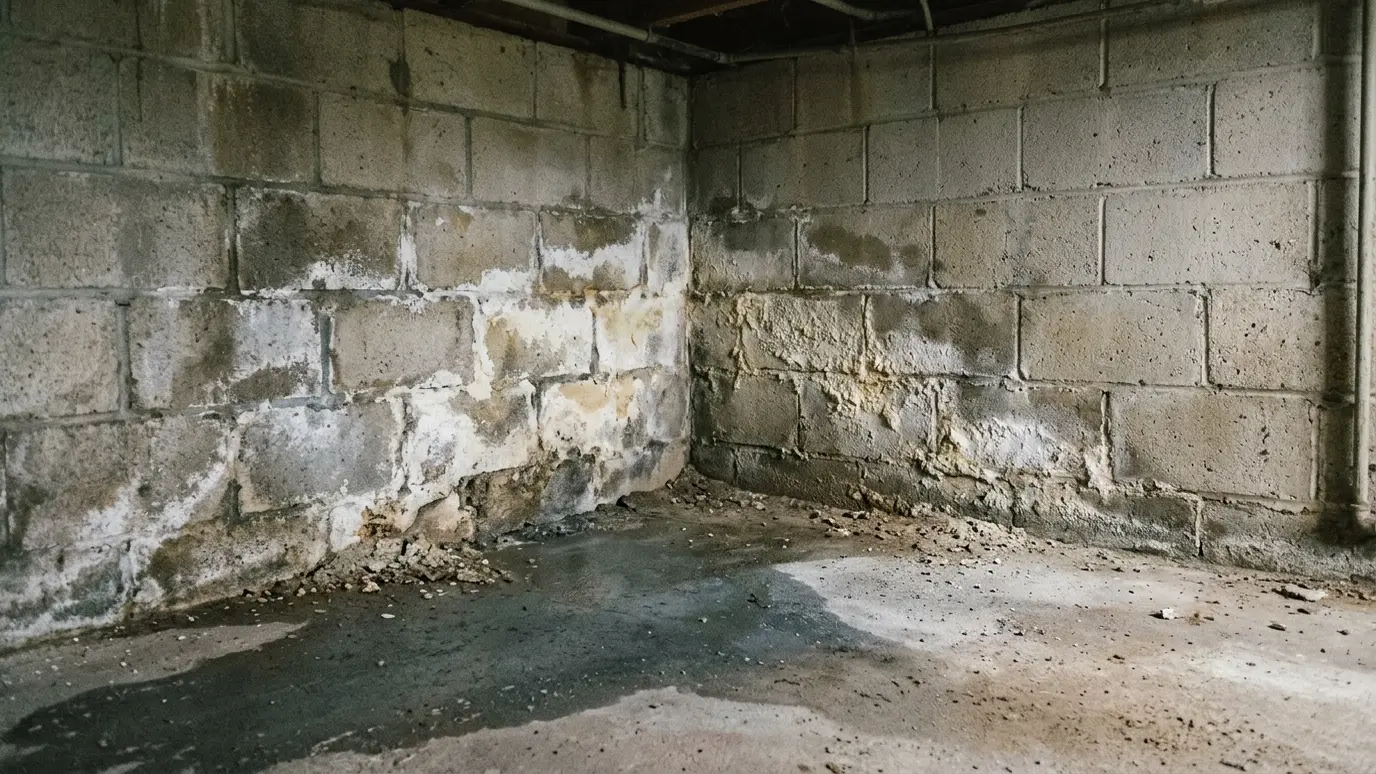 Project situationMusty Basements and Crawl SpacesA damp, earthy smell is a sign of moisture below. Fix the source and the whole house smells…Learn more
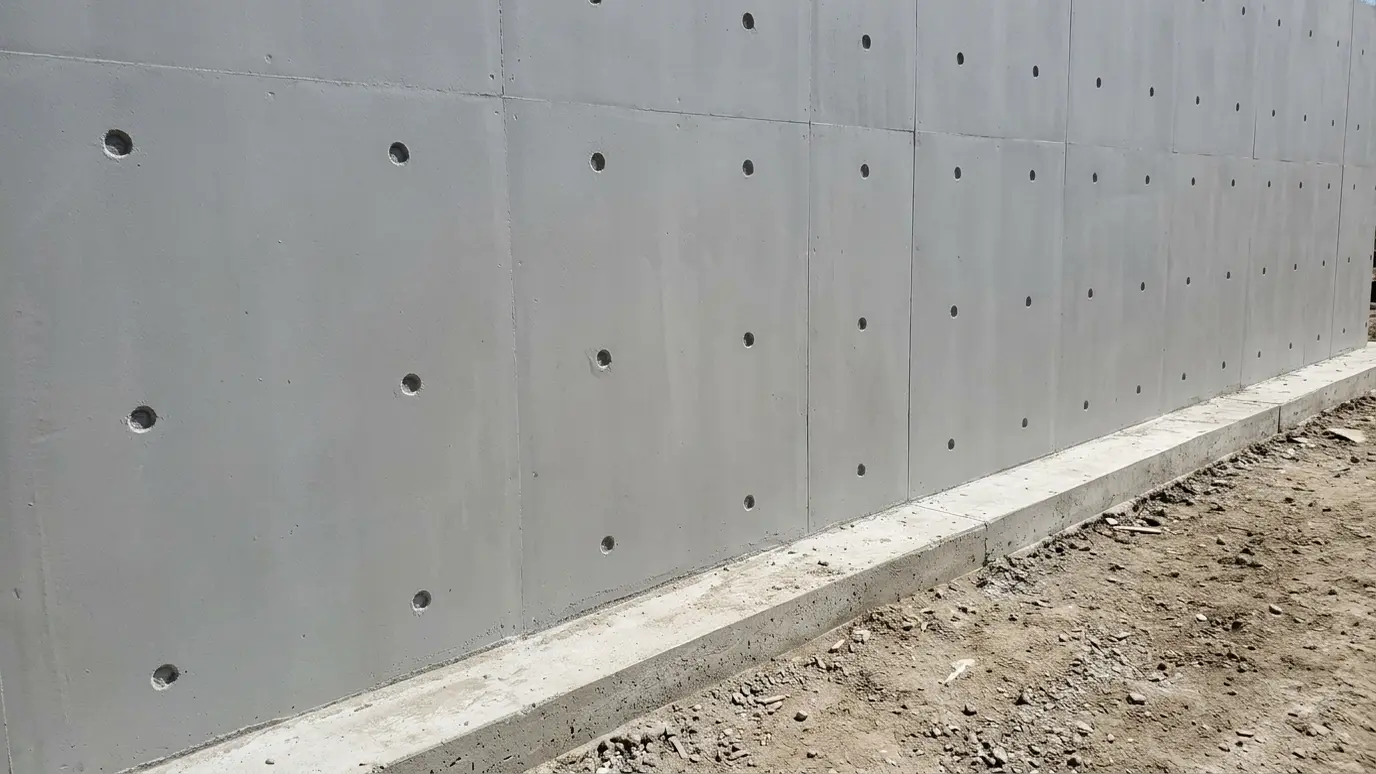 Material guidePoured Concrete FoundationsPoured concrete is strong, seamless and common in newer homes. Here is how it works, where it cracks…Learn more
Enter the air temperature and humidity to see the dew point, the mold risk and the dehumidifier size to plan for.
You tell us what you have noticed, a crack, a damp smell, a sloping floor or standing water, and we set a visit that fits your day.
We look closely inside and out, measure floors and cracks, check moisture and drainage and take photos of anything of note.
We explain what is urgent, what can wait and what is optional, and give you a written scope and options.
We lay floor protection, mark utilities, protect landscaping and set up before any digging or drilling begins.
We install, seal, lift or repair with the right tools and materials, checking our work as we go.
We clean up, restore the surface, show you what we did, share care tips and set a reminder for your next check.
A natural radioactive gas from soil that can enter homes through the foundation.
With a short-term or long-term test kit placed in the lowest lived-in level, following the instructions.
Public health agencies publish an action level, and lower is better. Your test result will state it.
A pipe and fan vent soil gas from under the slab to outside, and entry points are sealed.
Yes. Retest after mitigation and every couple of years.
 Indoor Air QualityMuch of the air in your home rises from the basement or crawl space. Control moisture and sources…Explore
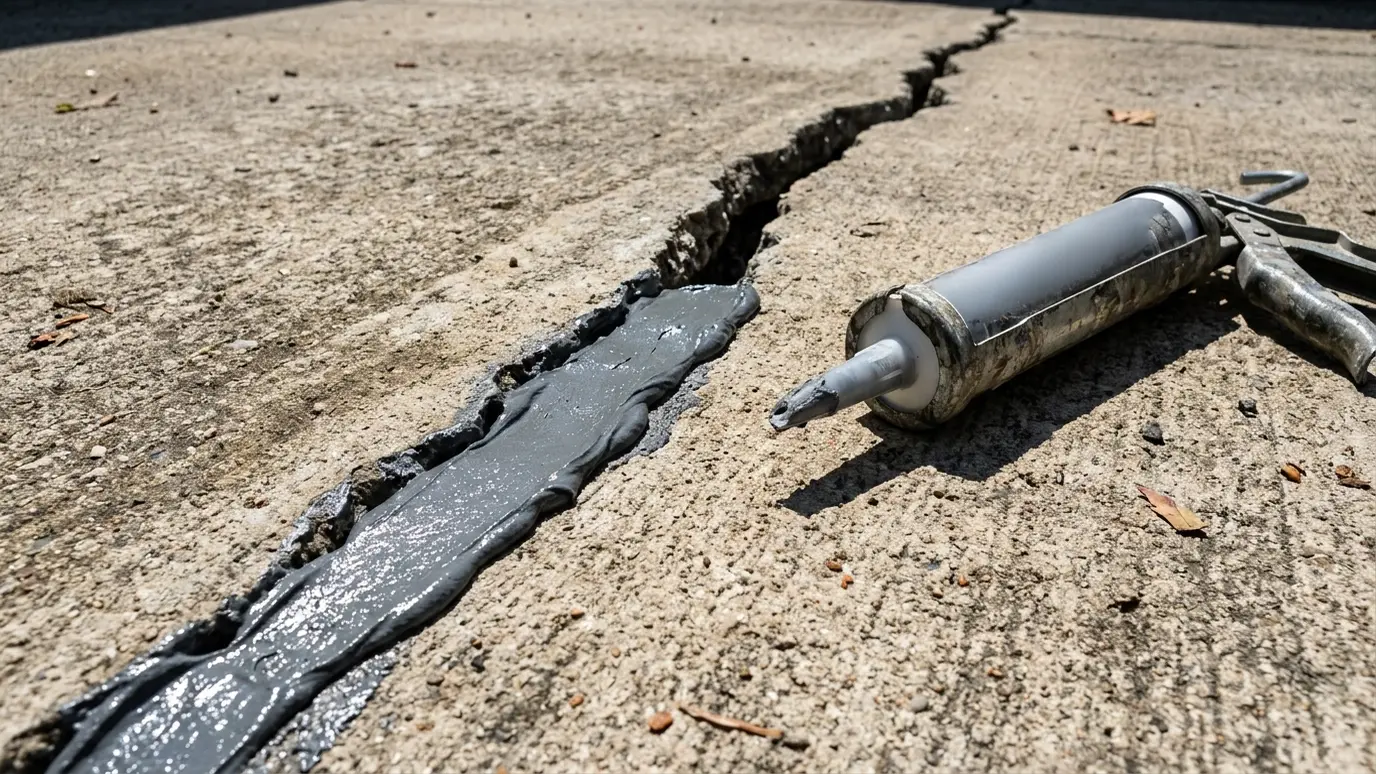 Concrete Crack SealingCracks in driveways, patios, walks and floors are cleaned and filled with flexible sealant, so water cannot get…Explore
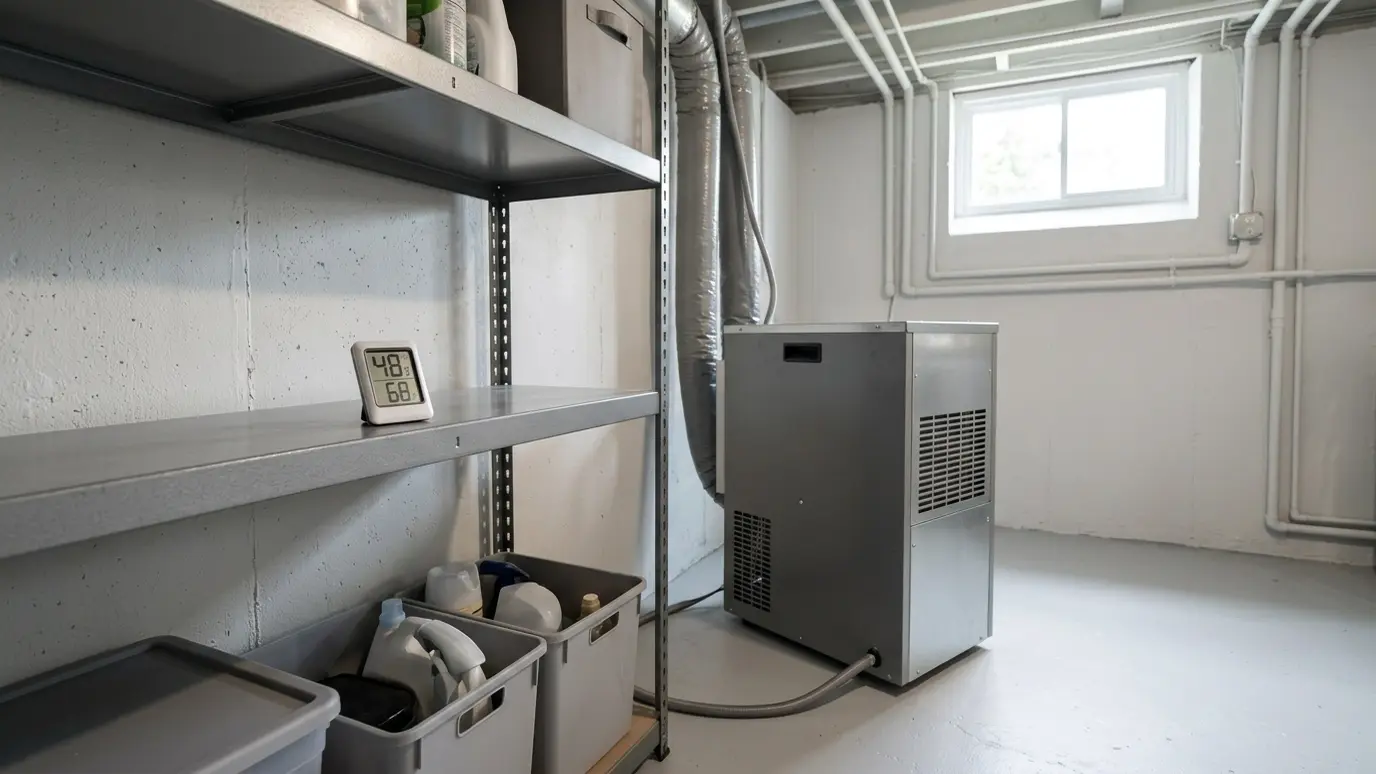 Humidity and Moisture ControlDry air, dry wood and a dry foundation: the systems that keep humidity in a safe range in…Explore
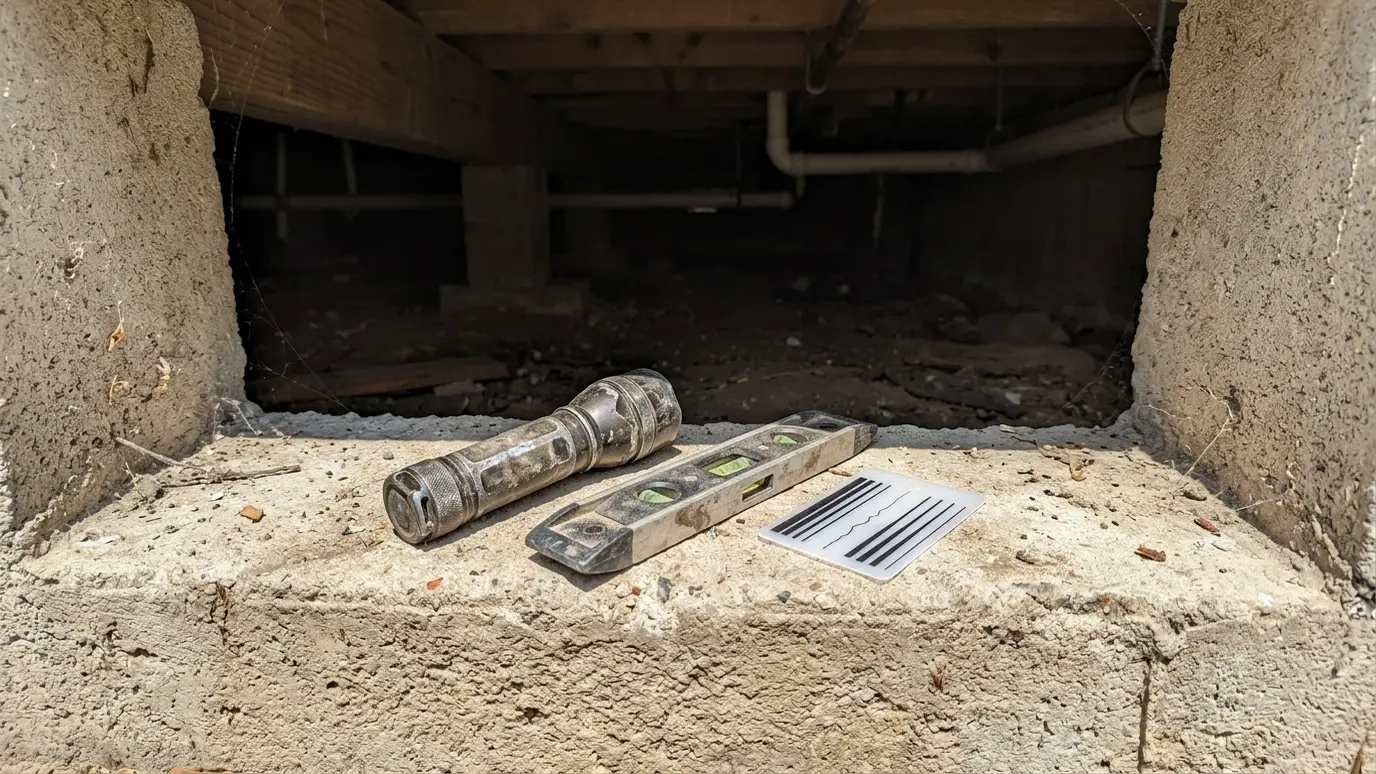 Foundation InspectionsA careful look at the foundation, inside and out, with measurements, photos and a written report in plain…Explore
Tell us about the project and we will call you back to talk it through.
Or call (615) 357-7797 to talk now.