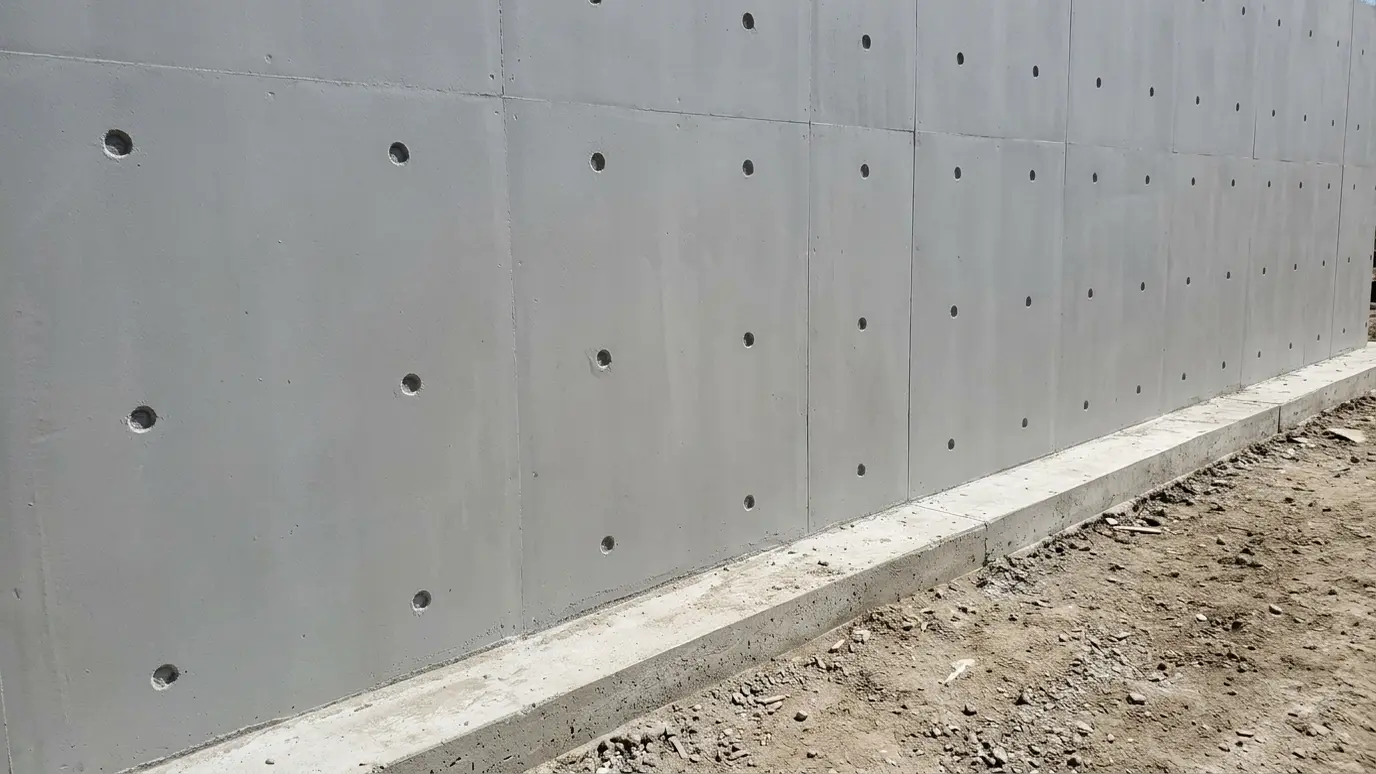
Poured concrete is strong, seamless and common in newer homes. Here is how it works, where it cracks and how it is repaired.
A poured concrete foundation is made by pouring wet concrete into forms around steel reinforcing bars. It cures into a single monolithic wall with no mortar joints. That makes it strong against soil pressure and less leaky than block, and it is the most common choice in newer Middle Tennessee homes with basements.
It is not crack free. Concrete shrinks as it cures, and many walls develop thin vertical cracks within the first years. Larger cracks can come from settlement or heavy soil pressure. Most poured wall cracks can be sealed by injection from the inside, and settlement is addressed with piers. A well-drained poured foundation can last for generations.
No mortar joints.
Seal by injection.
Sealed and drained.
Stable support.
Reinforced.
With good drainage.
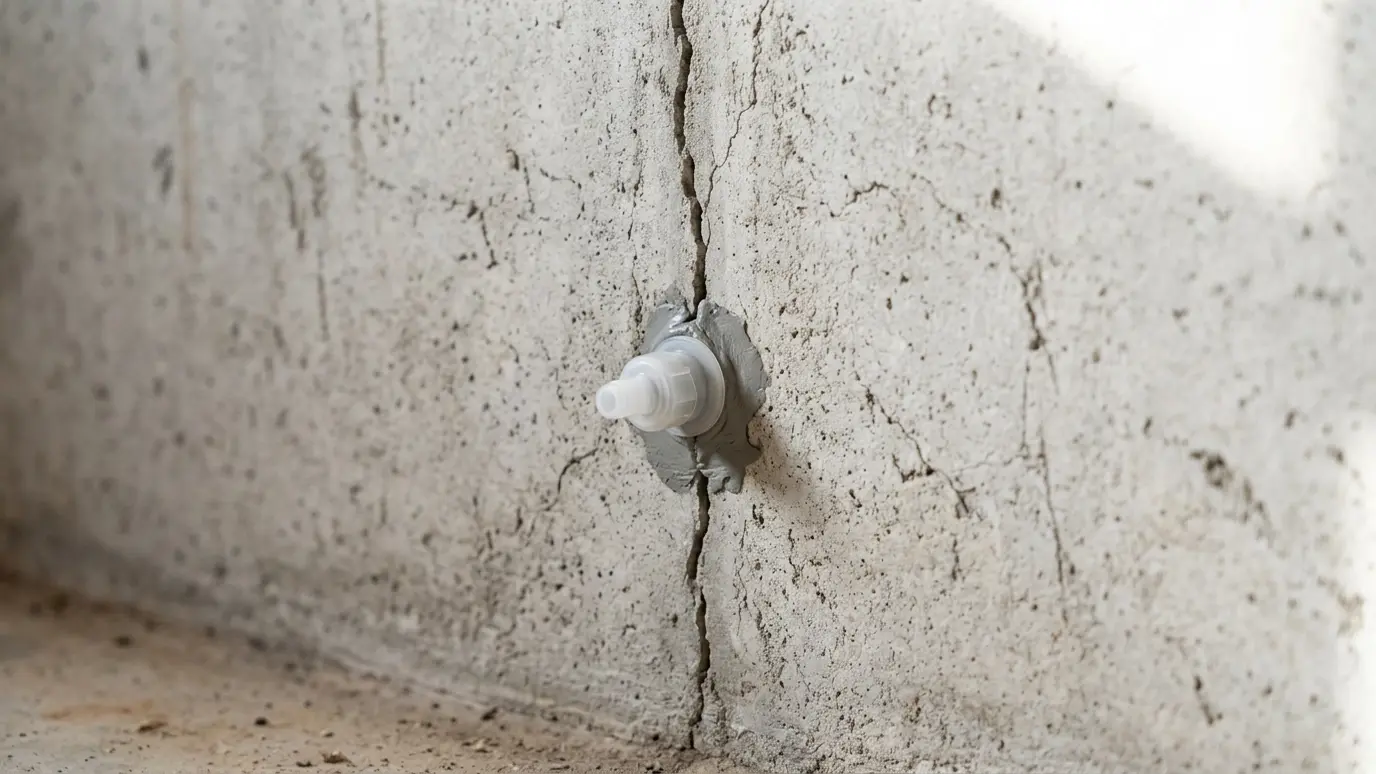 Foundation Crack RepairHairline, vertical, diagonal or stair-step, every crack tells a story. We read it, stop the water and repair…Explore
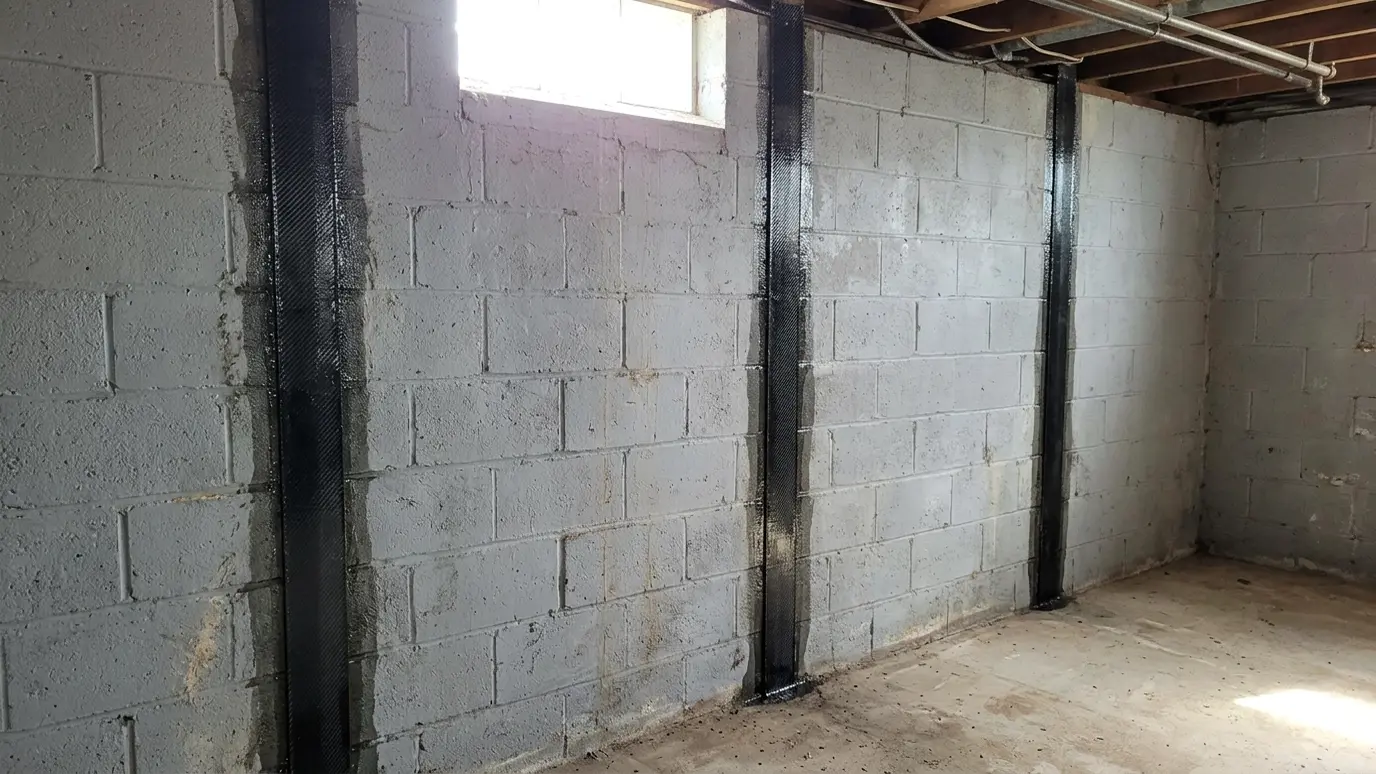 Wall Anchors and StrapsTwo ways to hold a basement wall in place: strong steel anchors tied to soil outside, or thin…Explore
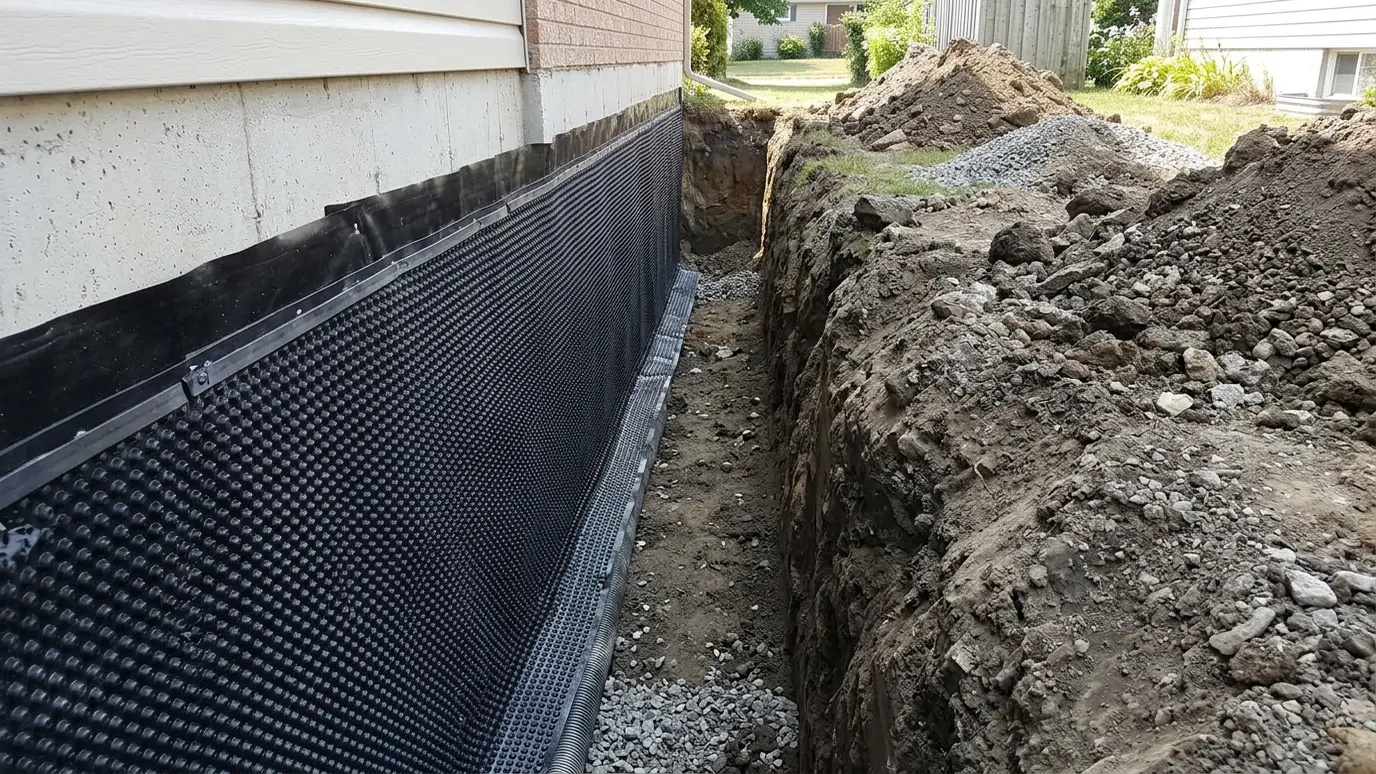 Exterior WaterproofingStopping water before it reaches the wall: excavation, membrane, drain tile and grading that protect the foundation from…Explore
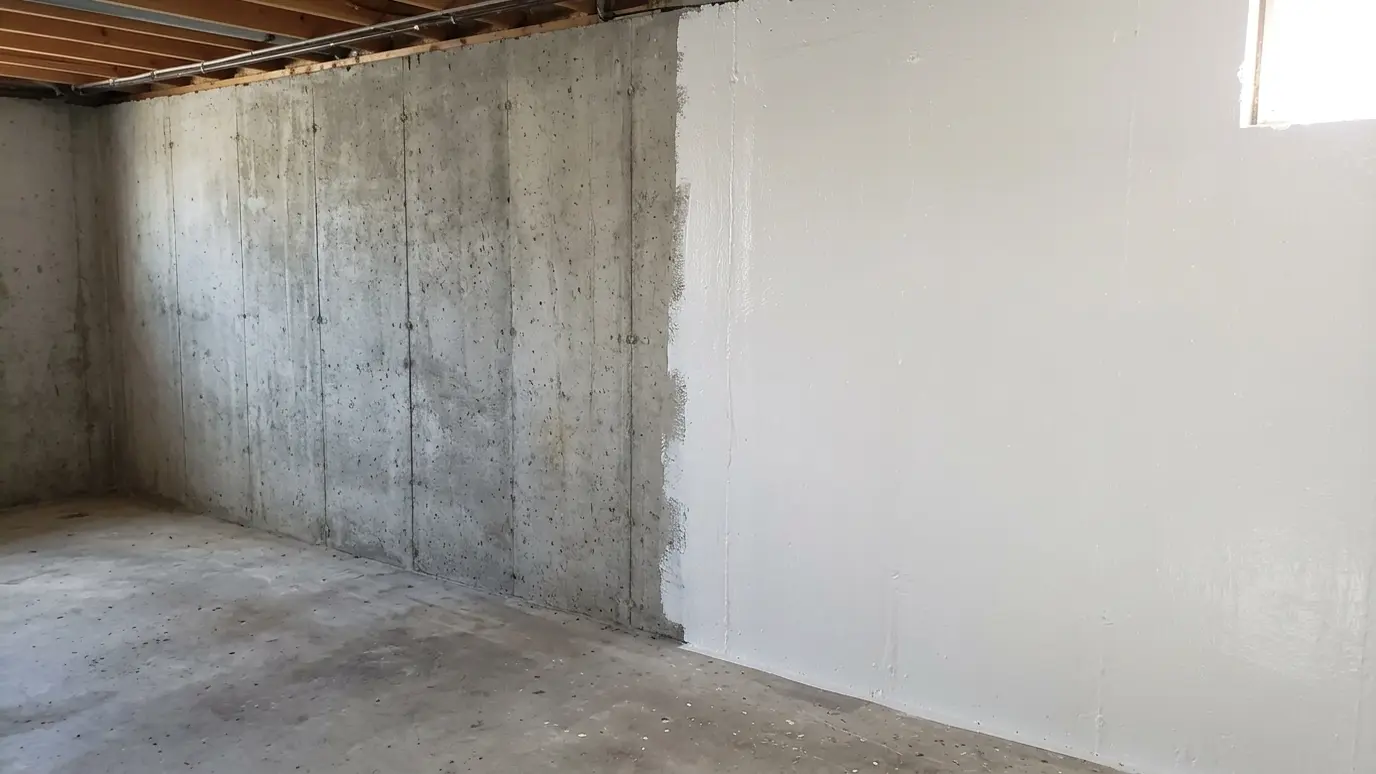 Wall Sealing and CoatingsMasonry sealers and waterproof coatings reduce dampness through basement walls and make a brighter, healthier space.Explore
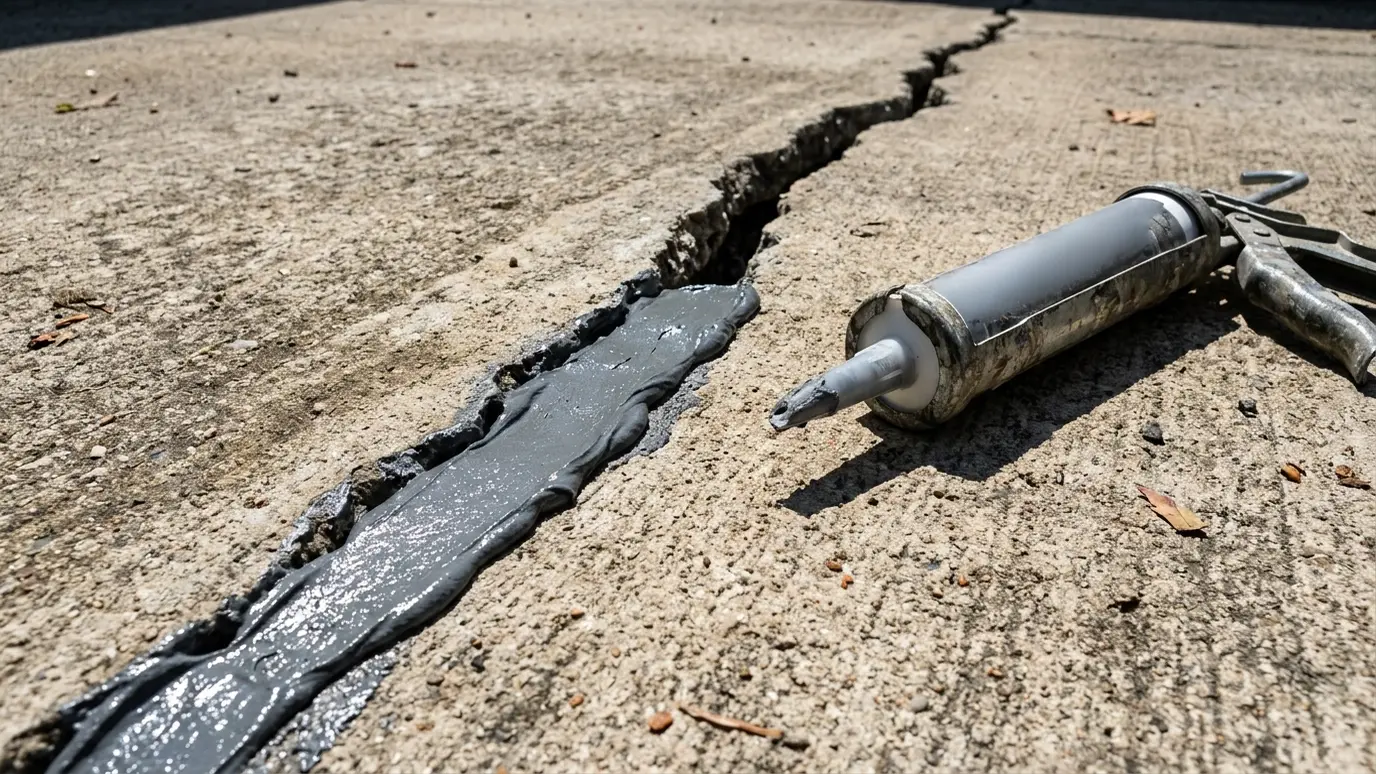 Concrete Crack SealingCracks in driveways, patios, walks and floors are cleaned and filled with flexible sealant, so water cannot get…Explore
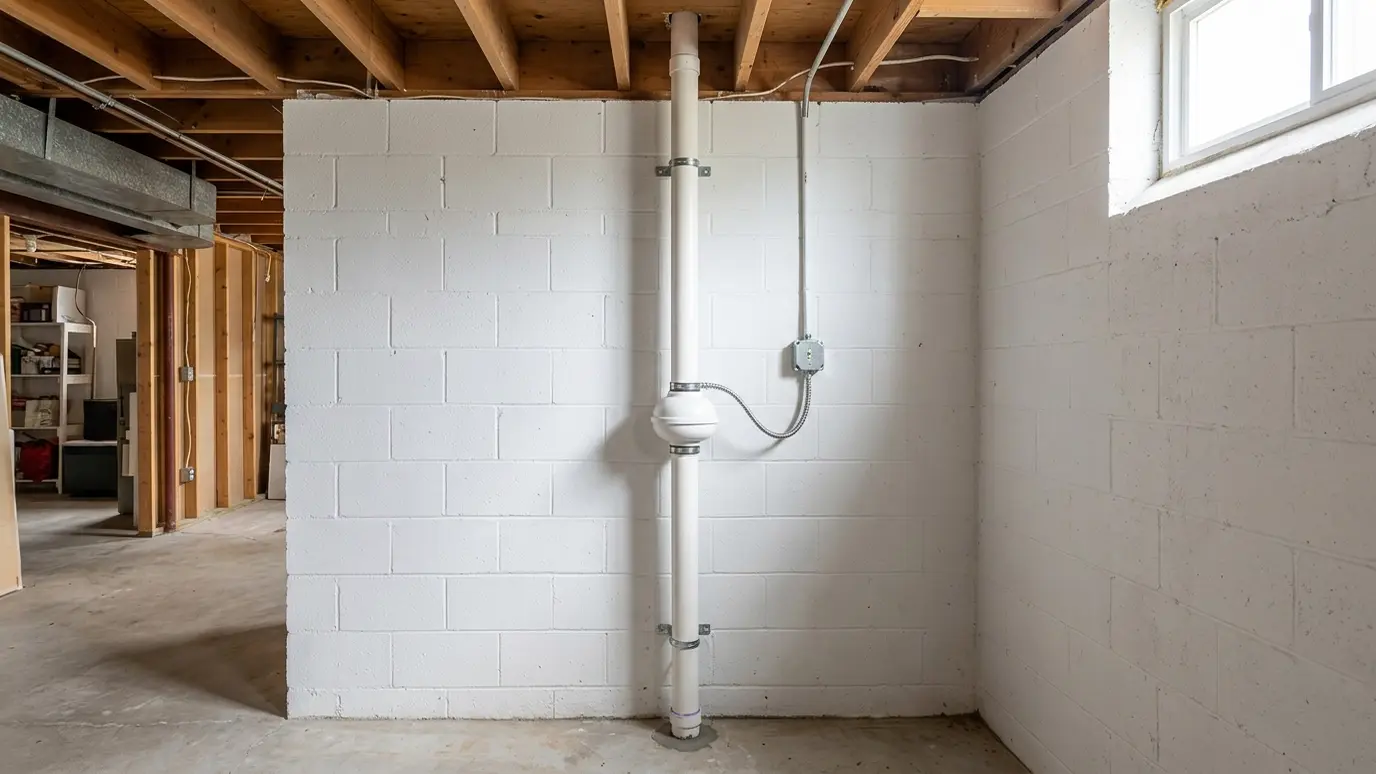 Radon Testing and MitigationRadon is a natural soil gas that can enter through foundation cracks and slabs. Testing is easy, and…Explore
Take the quiz, check a problem or ballpark a budget.
 Which Foundation Service Do I Need? QuizAnswer five questions about what you see and where, and see the foundation services that fit best.Try it
 Foundation Crack CheckerPick the crack type, measure its width and tell us if it is changing to see how much attention it may need.Try it
 Foundation Repair Budget PlannerPick a project and a size and get a ballpark planning range.Try it
Thin shrinkage cracks are common and usually harmless.
Yes. Injection seals them from the inside.
Many last a century or more when water is managed.
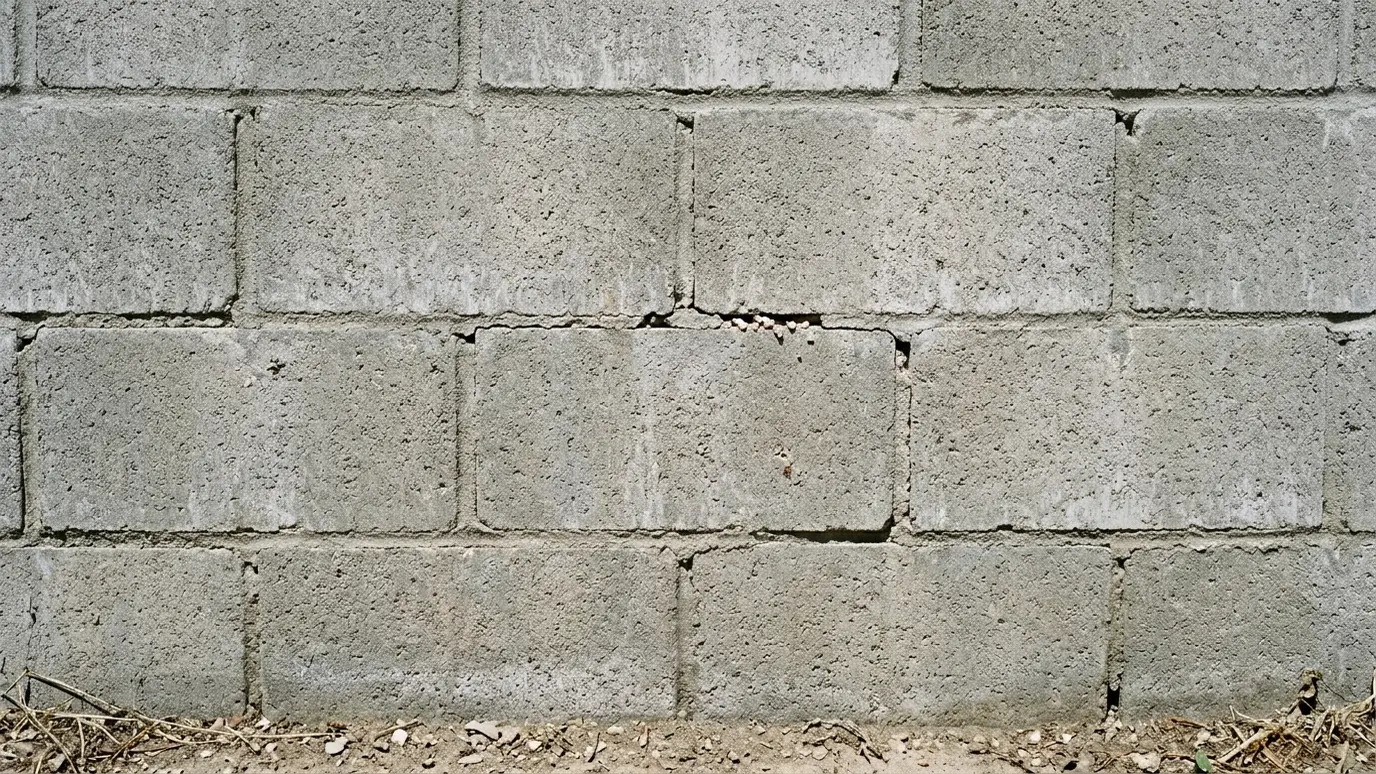 Material guideConcrete Block FoundationsBlock foundations are common in mid-century homes. They are strong in compression and weak sideways. Learn the signs…Learn more
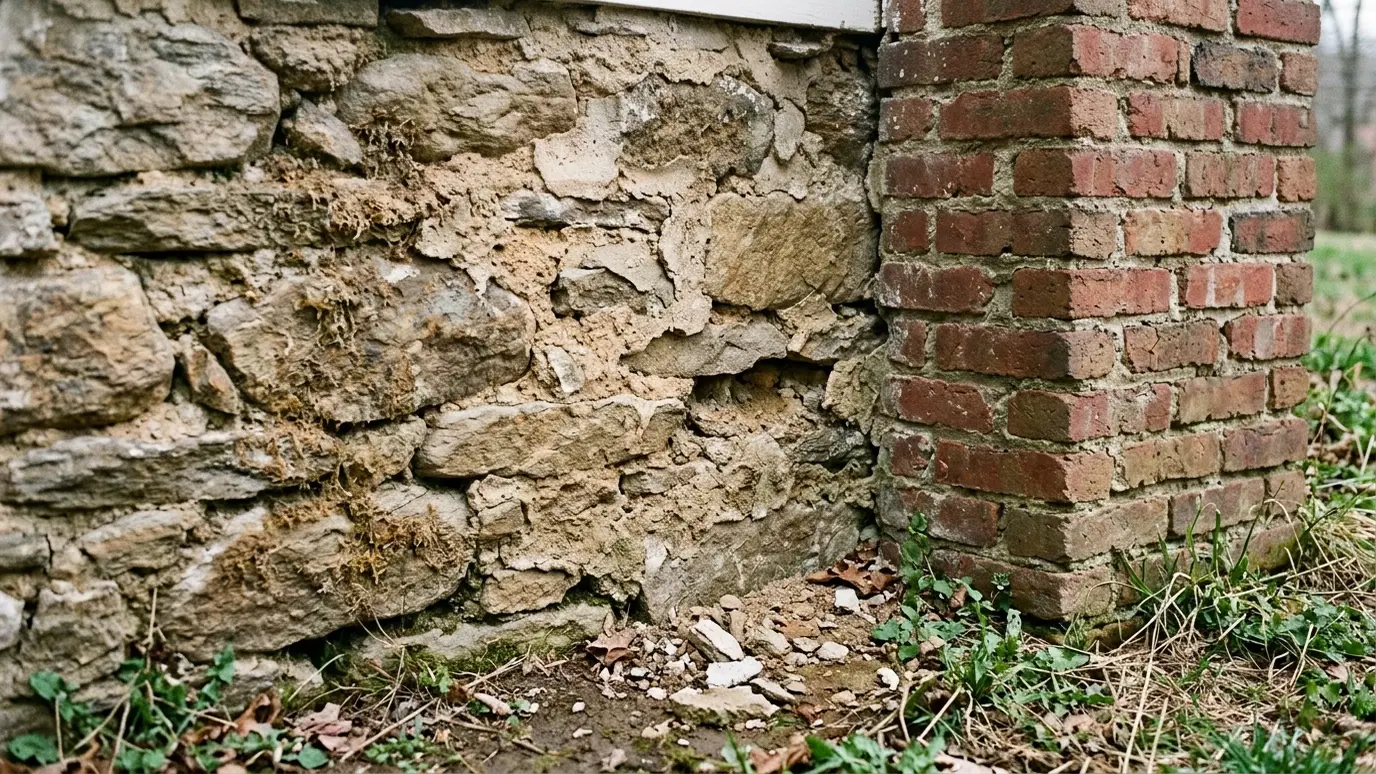 Material guideStone and Brick FoundationsStone and brick foundations carry many of Nashville older homes. Here is how they work and how to…Learn more
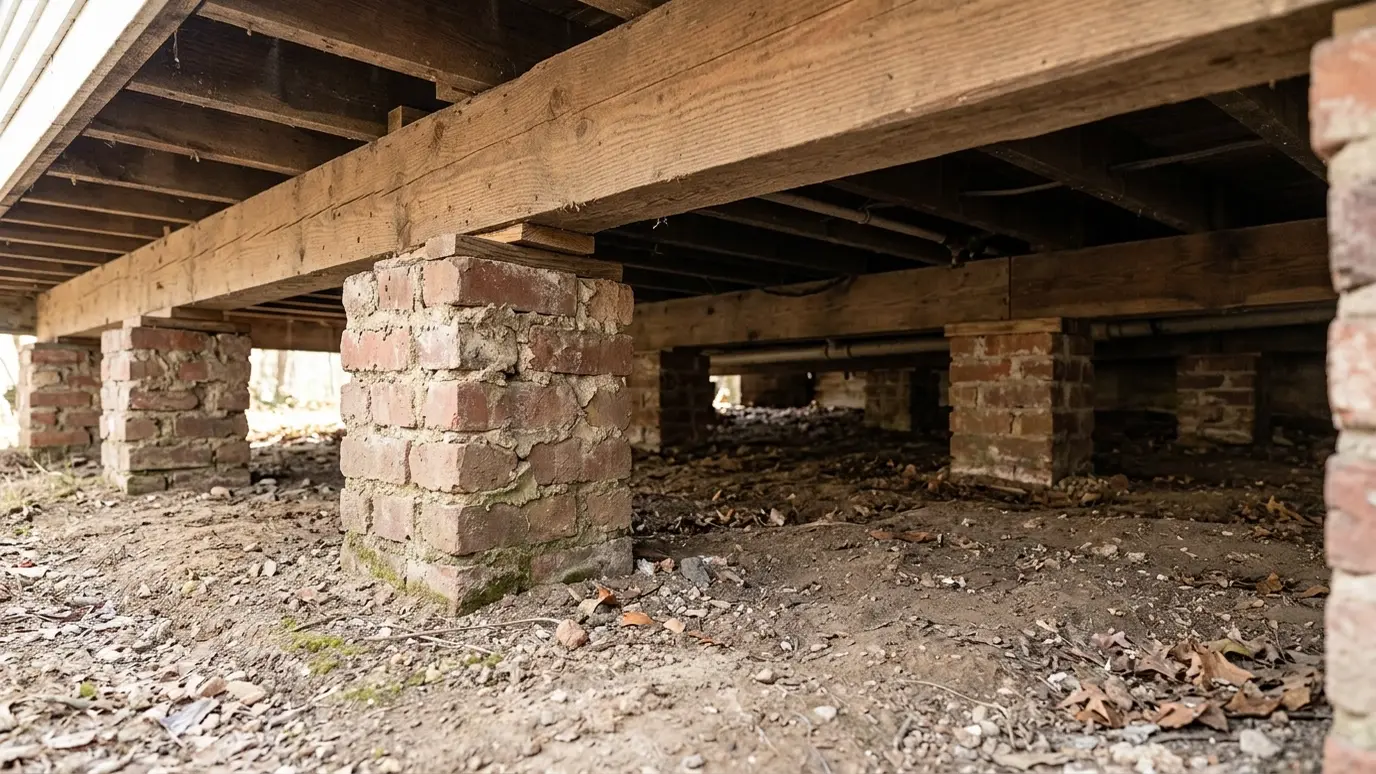 Material guidePier and Beam FoundationsA pier and beam foundation lifts the house above the ground on posts. Learn how they work and…Learn more
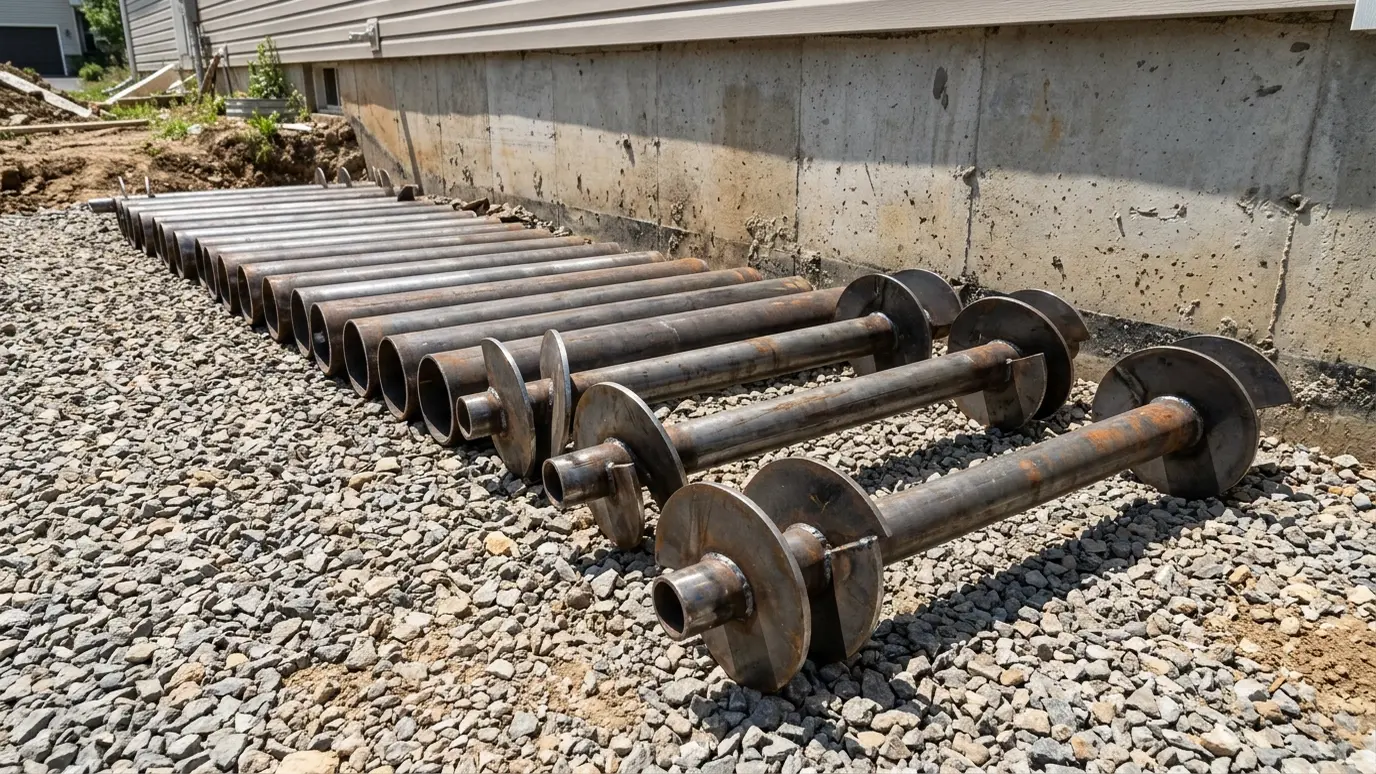 Material guideSteel and Helical PiersSteel piers carry sinking foundations to firm ground. Learn the differences between push piers and helical piers.Learn more
Call us and we will visit, look closely at your foundation, crawl space or slab and give you a clear plan and a written scope.