Why clay moves
Clay particles are tiny and hold water. When wet, clay swells and pushes. When dry, it shrinks and pulls away.
That cycle repeats with every wet and dry season.
What it does to foundations
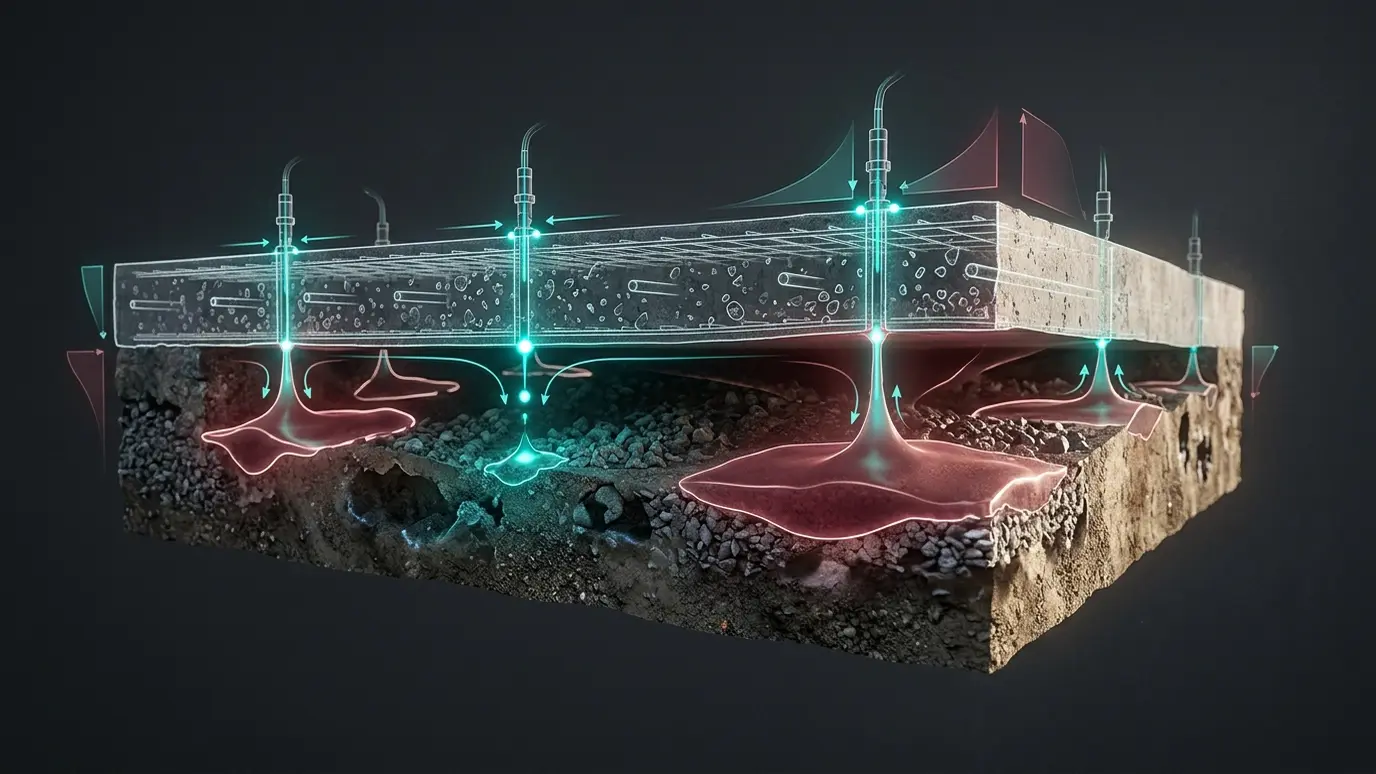
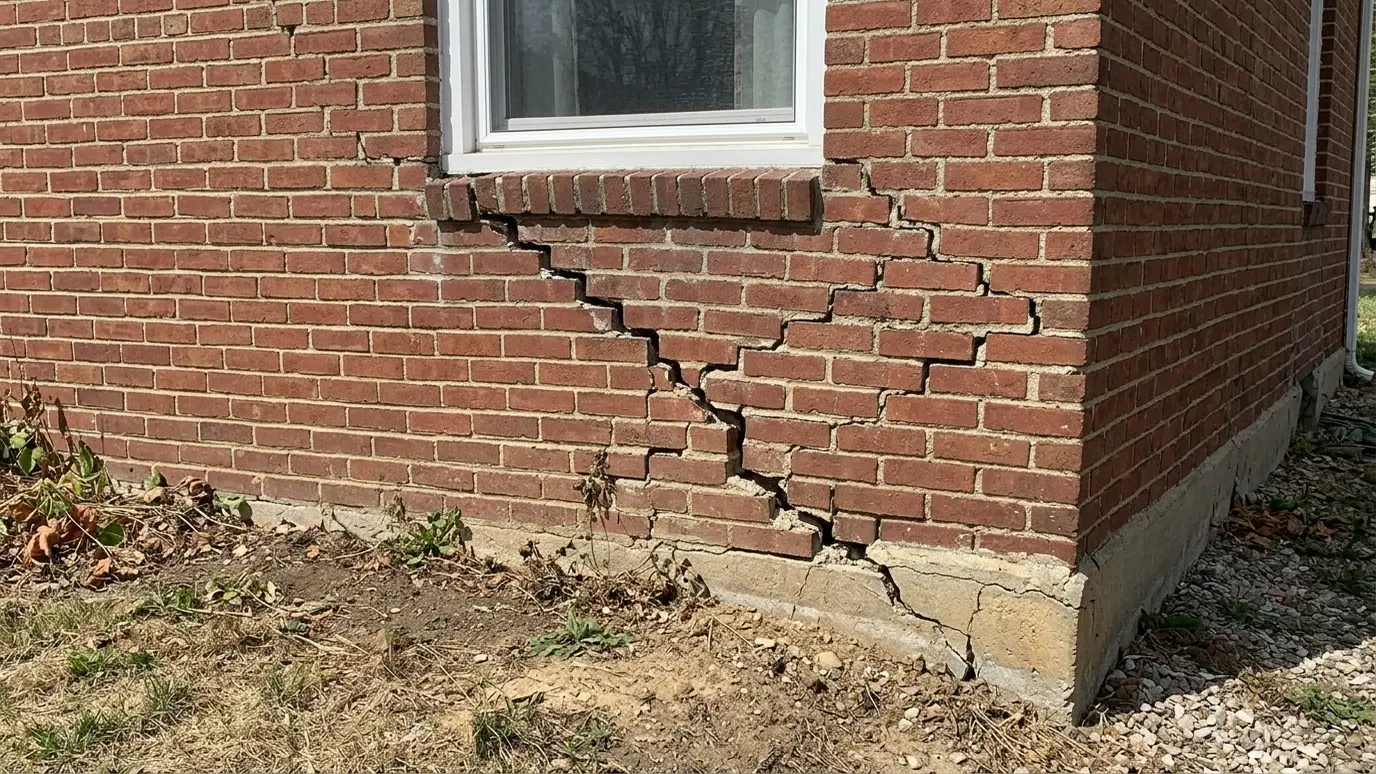
Swelling clay pushes on walls and lifts slabs. Shrinking clay leaves gaps under footings and lets them sink.
Movement is uneven, so cracks form at weak points.
The wet side
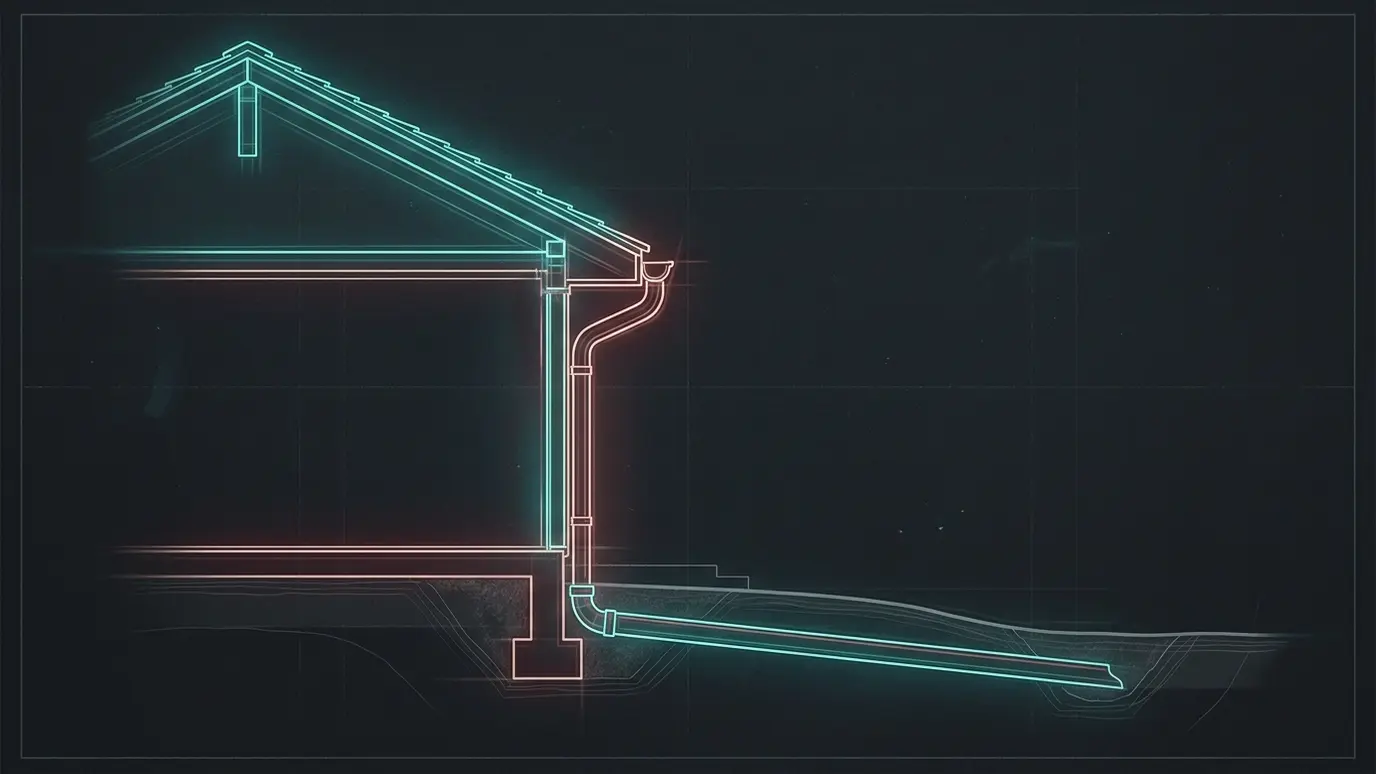
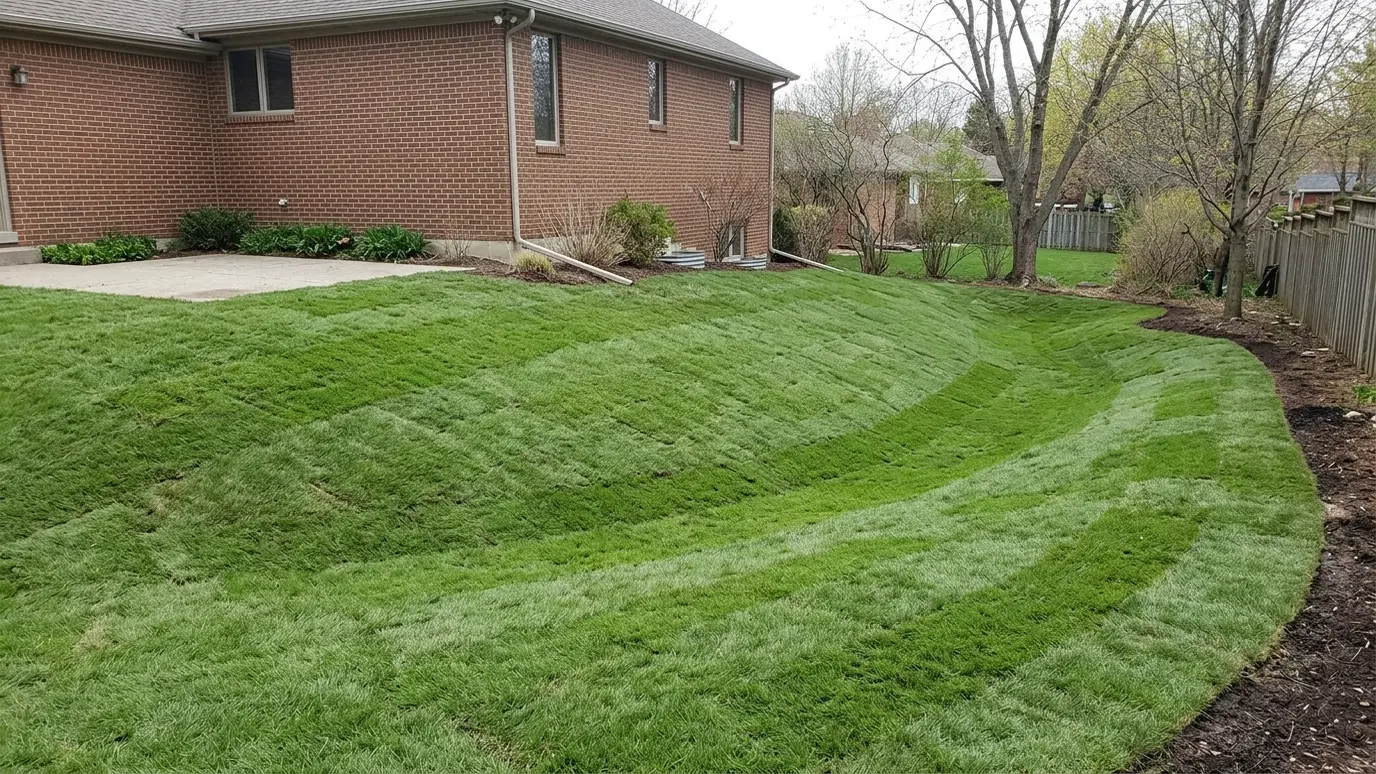
Poor drainage soaks clay beside the house. The more it swells, the harder it pushes on the wall.
Gutters, grading and drains lower the load.
The dry side
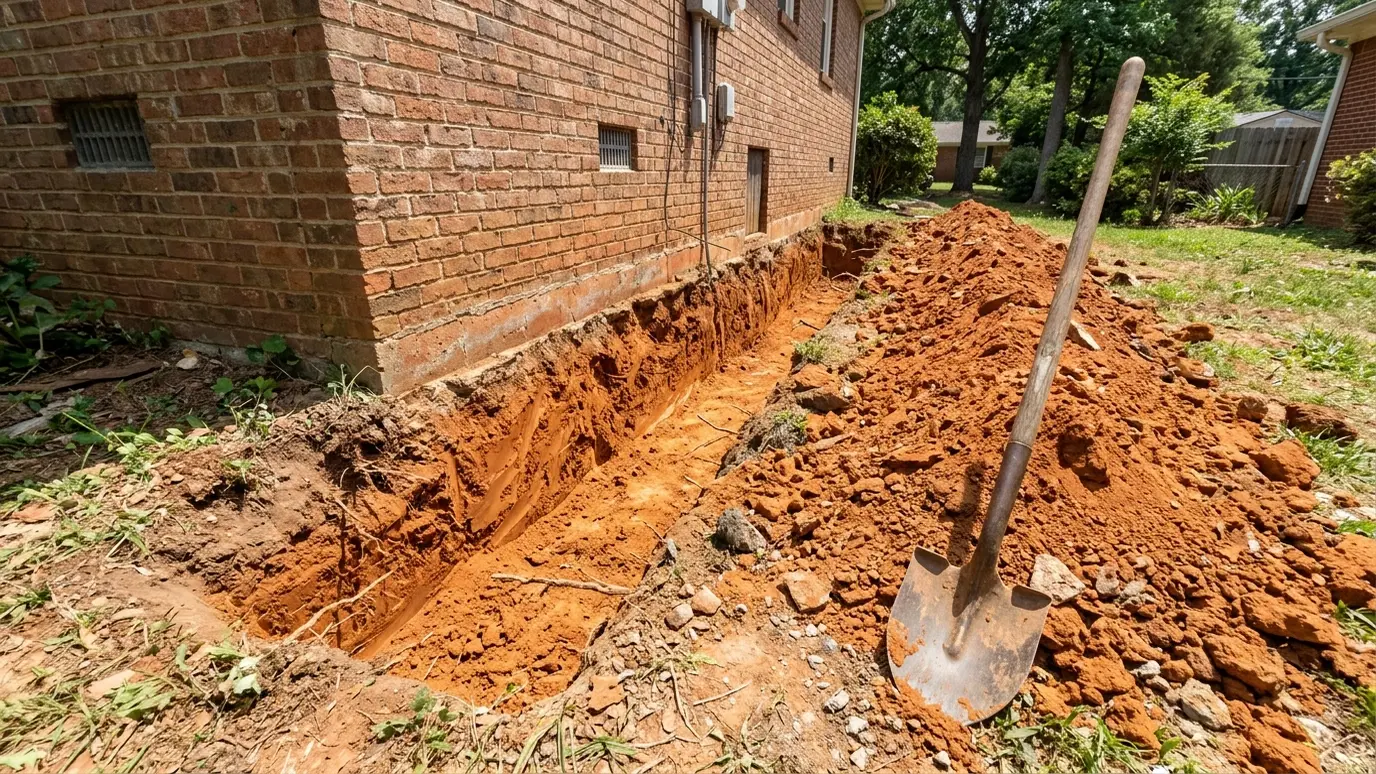
In dry summers, clay shrinks, especially near trees that draw moisture. The ground may crack and drop away from the foundation.
Soaker hoses used carefully can help keep the soil steady.
Trees and irrigation
Large trees close to the house dry the soil on one side. Irrigation that wets one side only can add to uneven movement.
Distance and balance matter.
Building for clay
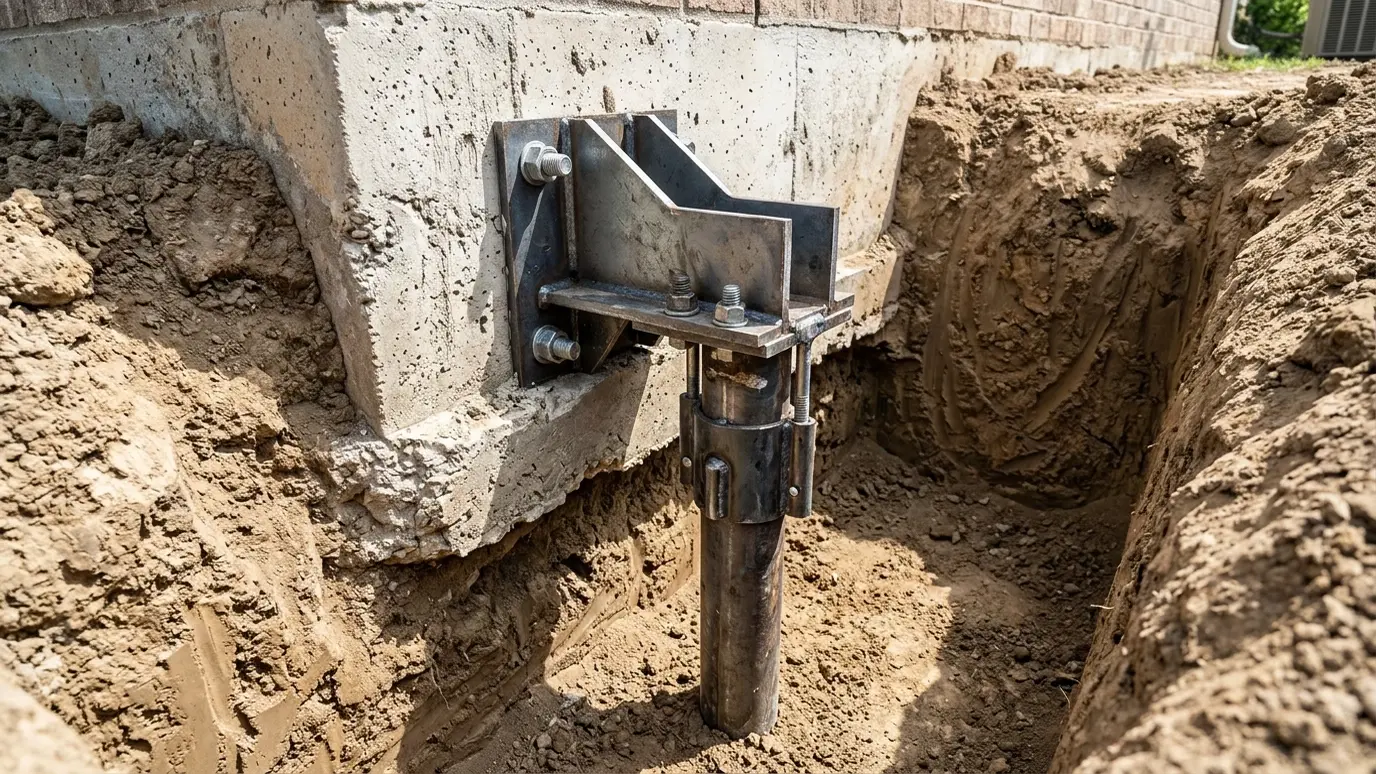
Piers to stable ground, sealed crawl spaces and good drainage all reduce the effect of clay.
The goal is to stop the swings in moisture.
Keep the moisture in your clay steady with good drainage, careful tree and irrigation choices and, where needed, deeper support.