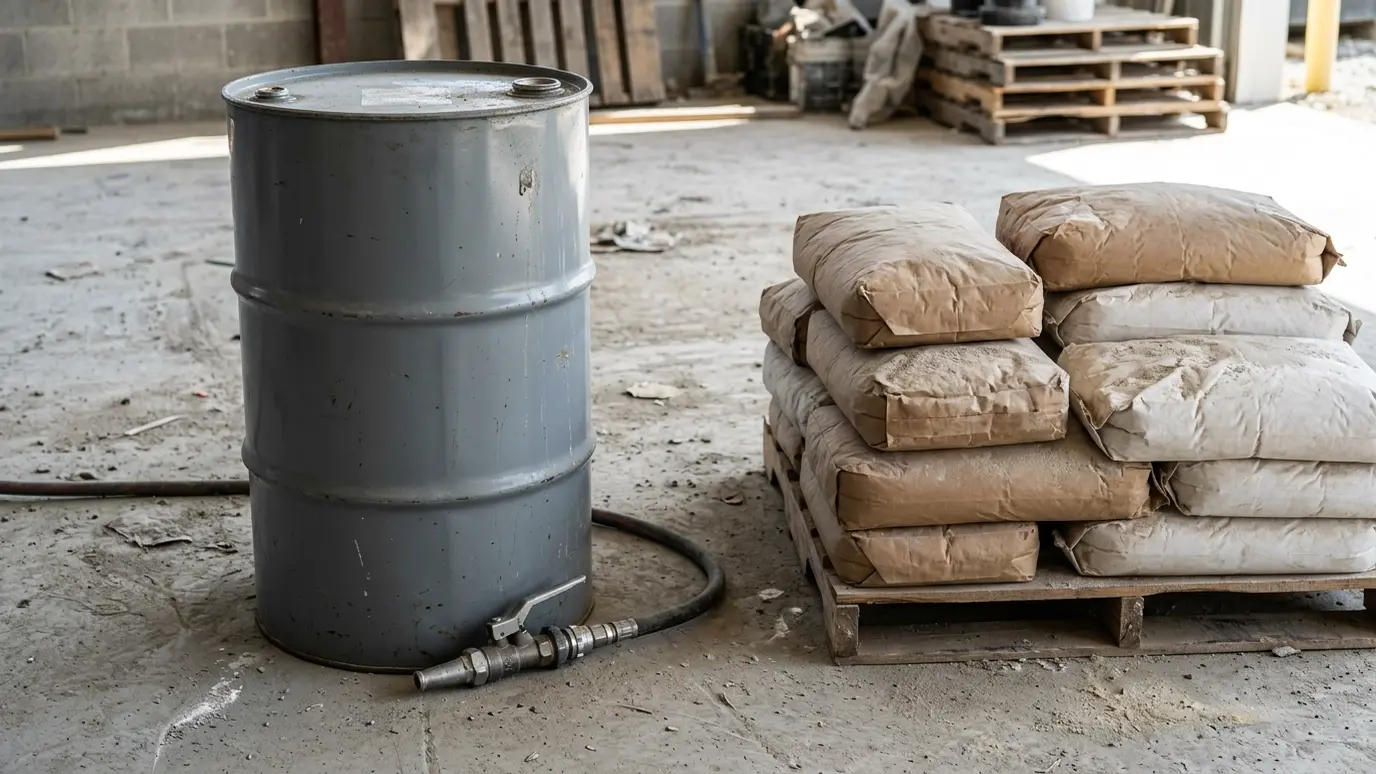
Foam and grout both raise sunken concrete. Here is how they differ and how we choose between them.
Both polyurethane foam and cement-based grout raise sunken concrete by filling the void beneath it. The difference is in the details. Foam is light, cures in minutes and is water resistant, so it works well on soft soil and in places where speed matters. Grout is heavy, takes longer to cure and costs less per cubic foot of void, which suits thick slabs and large areas.
We choose by looking at the slab, the soil and your schedule. A thin walkway on soft ground usually calls for foam. A thick driveway slab with a large void often calls for grout. Sometimes we combine the two, using grout to fill a big void and foam to fine-tune the final height. Whichever we use, we drill small holes, lift in stages, check the surface with a level and patch the ports, so the result is smooth and ready to use.
Gentle on soft soil.
Fills large voids.
Minutes or hours.
Does not wash out.
Grout is lower.
We explain the choice.
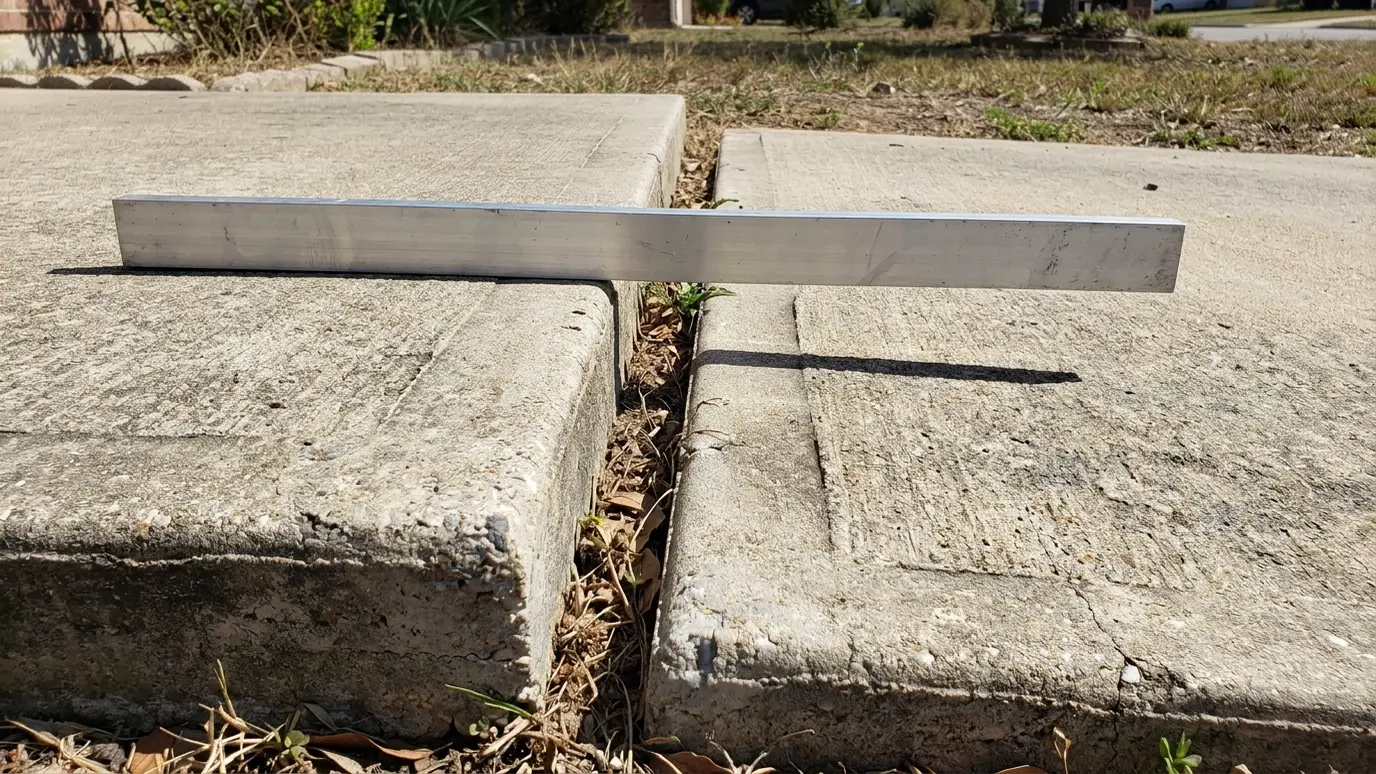 Concrete LevelingSunken driveways, sidewalks, patios and floors are lifted back to level without tearing out the concrete.Explore
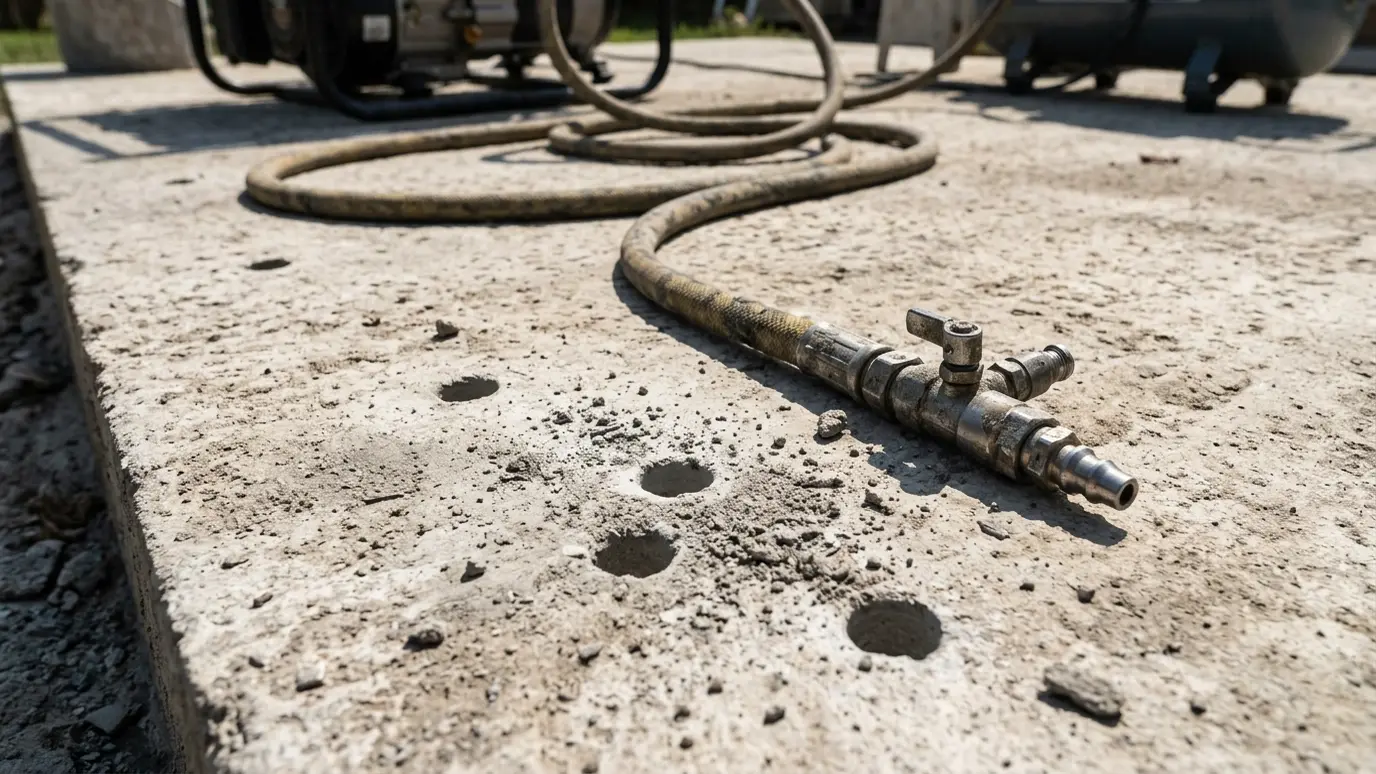 Foam LiftingLightweight foam injected under a slab expands, fills voids and lifts concrete quickly, from small holes, with a…Explore
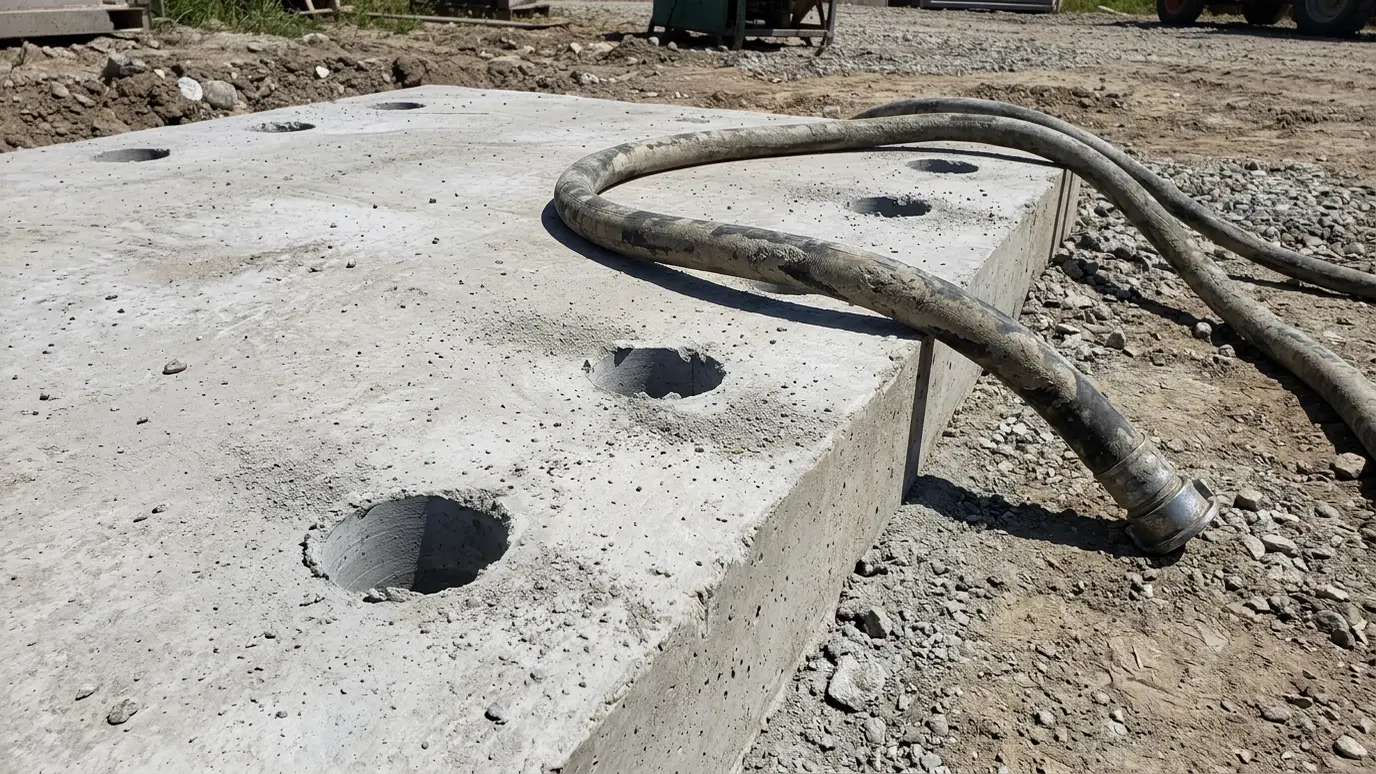 MudjackingA cement-based slurry pumped under a slab raises it back to level, a time-tested method for heavy, thick…Explore
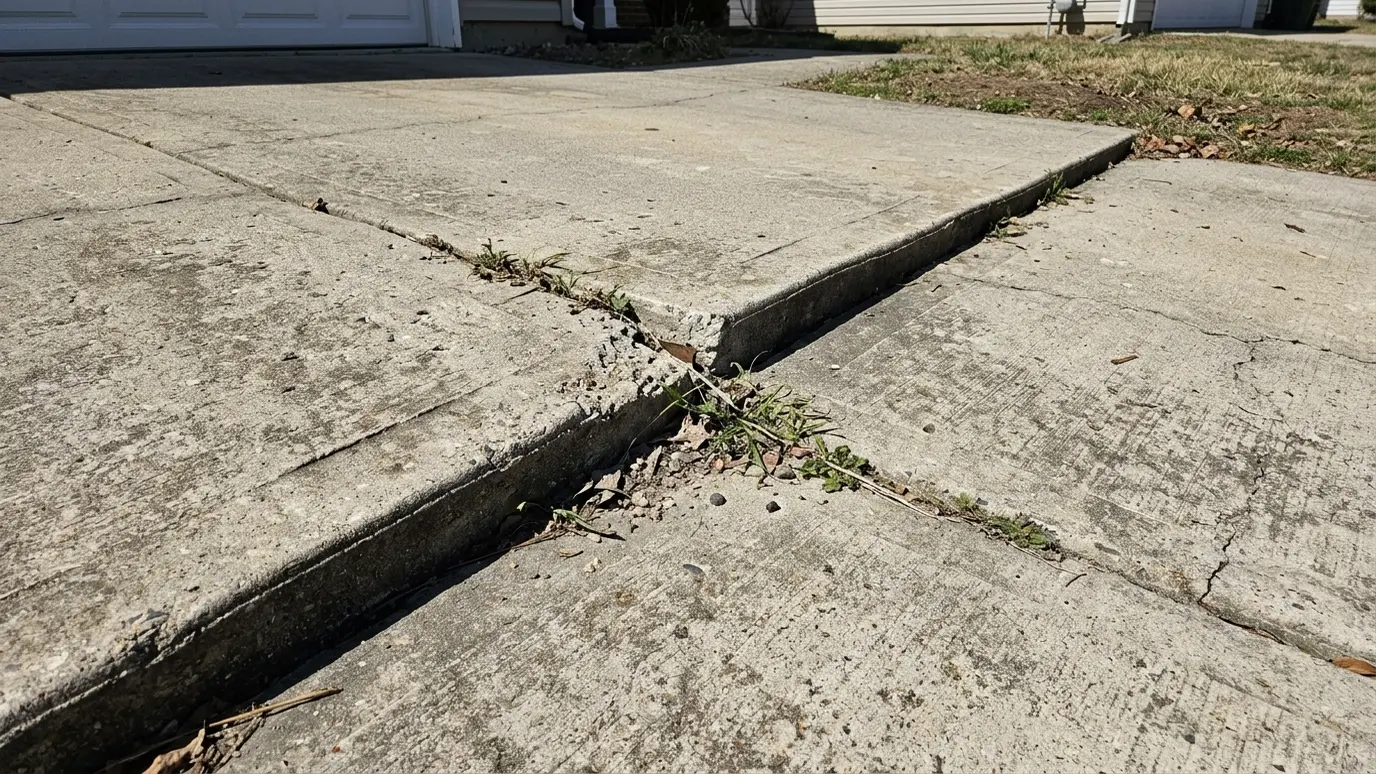 Driveway LevelingA driveway with a sunken slab, a step at the joint or a tilt toward the house can…Explore
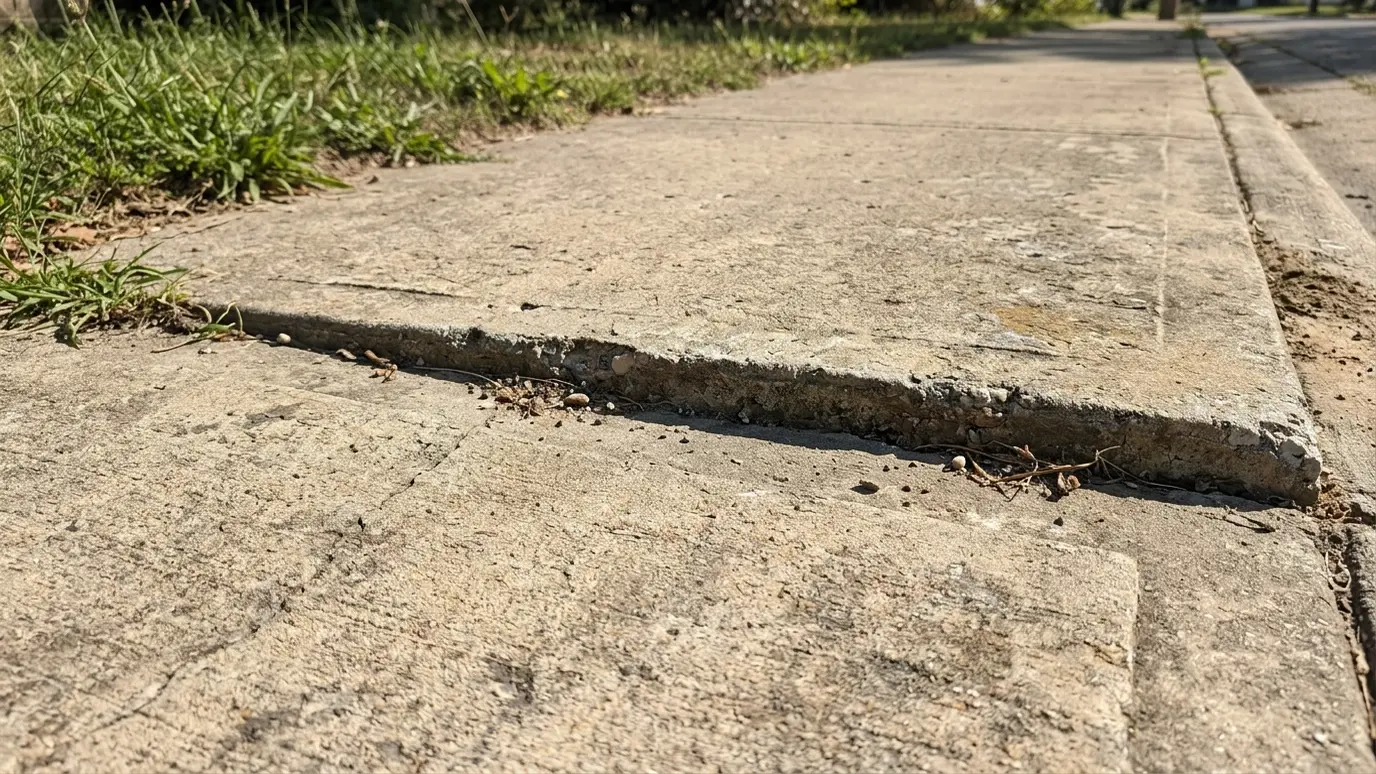 Sidewalk and Walkway LevelingA raised edge on a sidewalk is a trip hazard. We lift sunken slabs flush with their neighbors…Explore
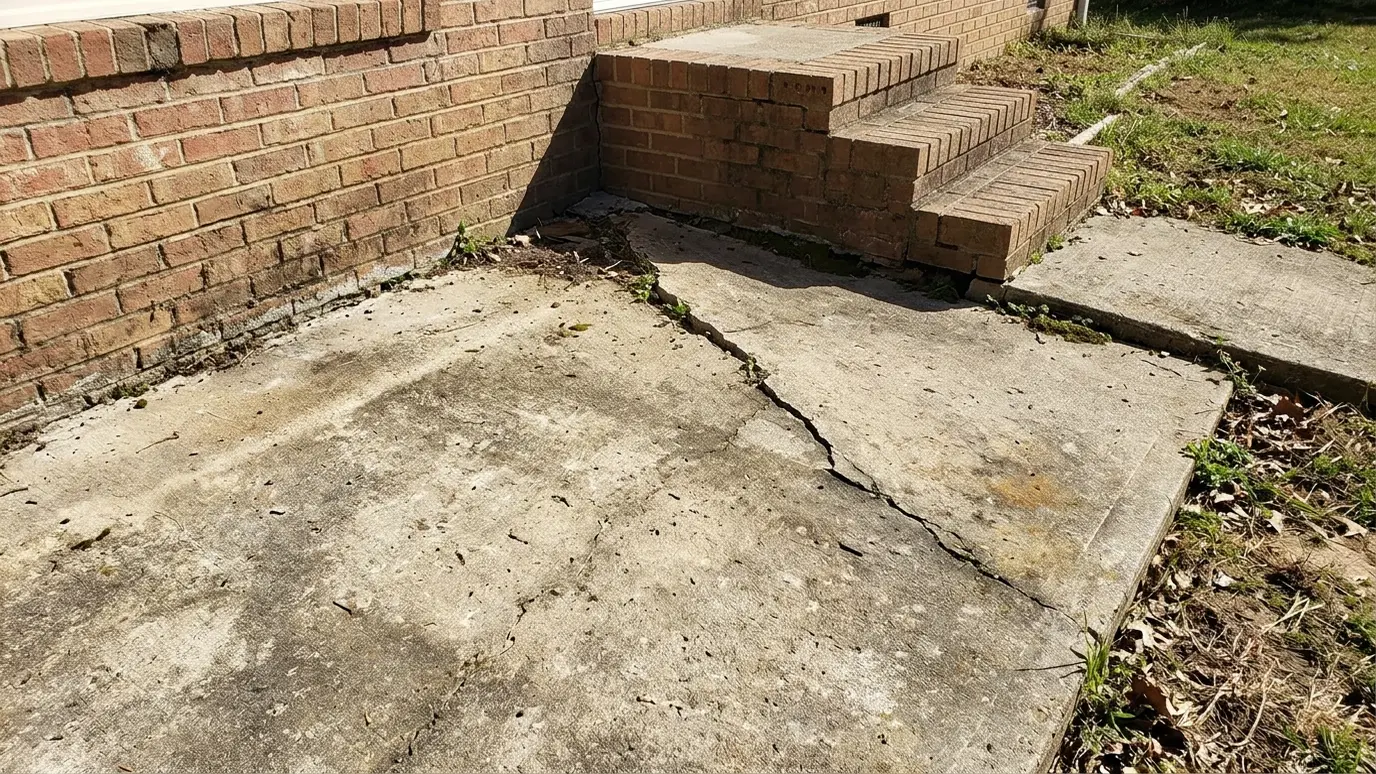 Patio and Porch LevelingA patio that tilts toward the house or a porch that has dropped can be lifted back to…Explore
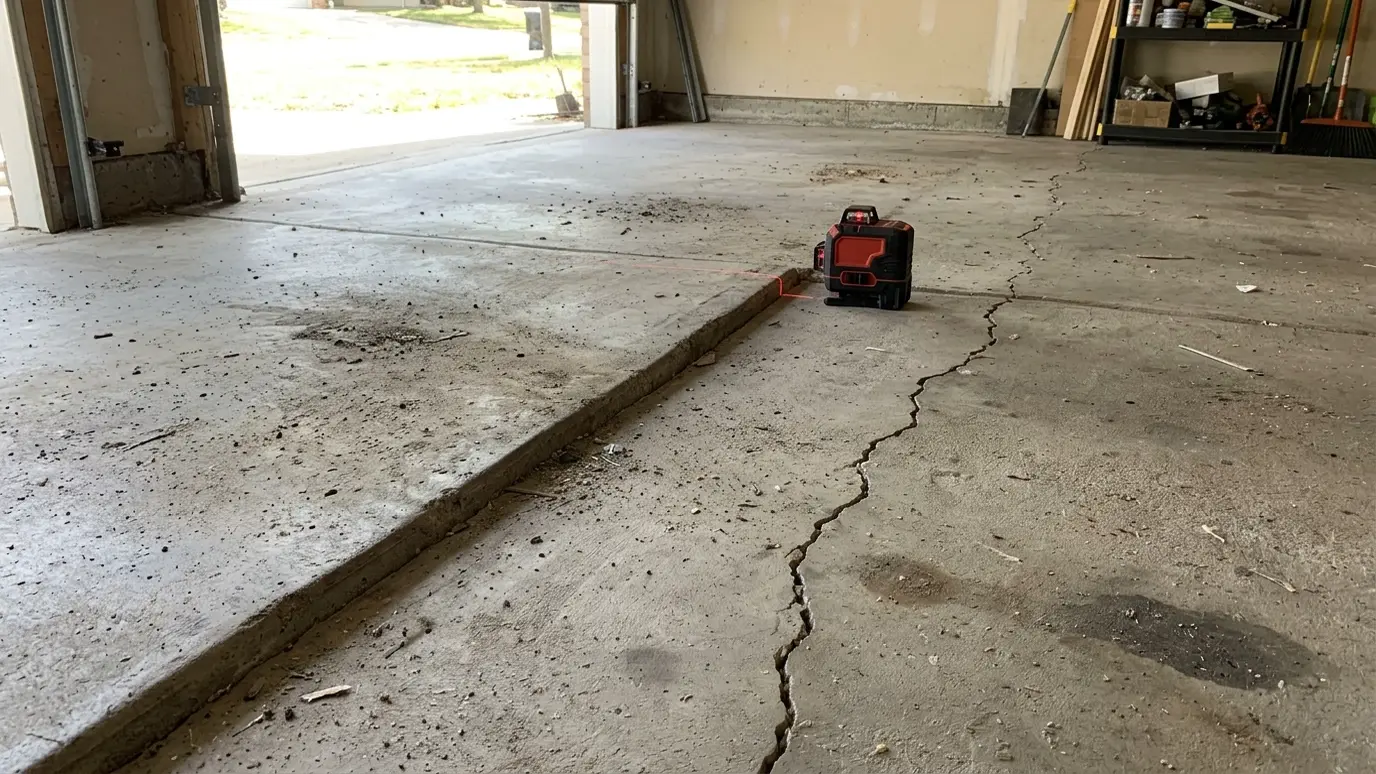 Garage and Basement FloorsSunken garage floors and uneven basement slabs are lifted and sealed, so water drains and equipment sits level.Explore
Take the quiz, check a problem or ballpark a budget.
 Which Foundation Service Do I Need? QuizAnswer five questions about what you see and where, and see the foundation services that fit best.Try it
 Foundation Crack CheckerPick the crack type, measure its width and tell us if it is changing to see how much attention it may need.Try it
 Foundation Repair Budget PlannerPick a project and a size and get a ballpark planning range.Try it
Foam is faster and lighter. Grout suits big voids and thick slabs.
Cured foam is inert and water resistant.
Grout often costs less per void. Foam saves time.
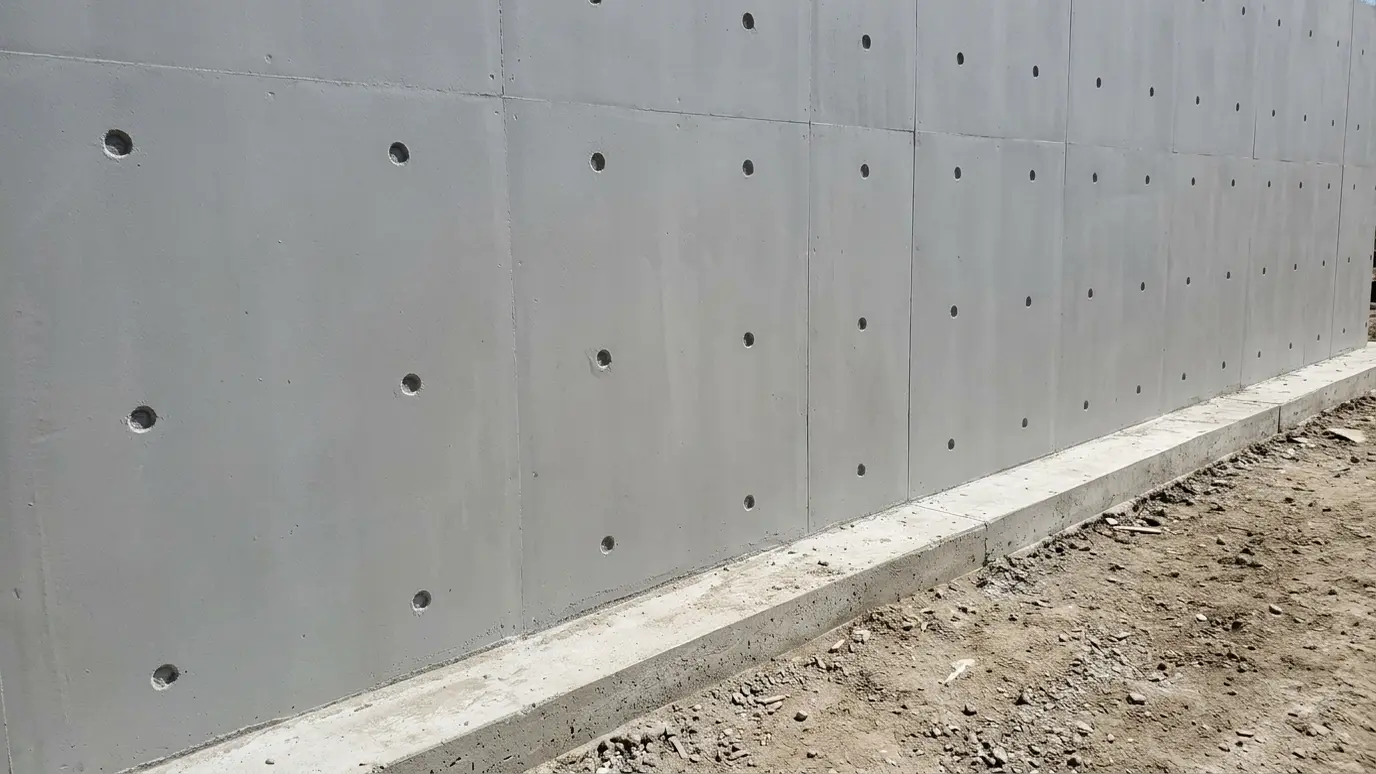 Material guidePoured Concrete FoundationsPoured concrete is strong, seamless and common in newer homes. Here is how it works, where it cracks…Learn more
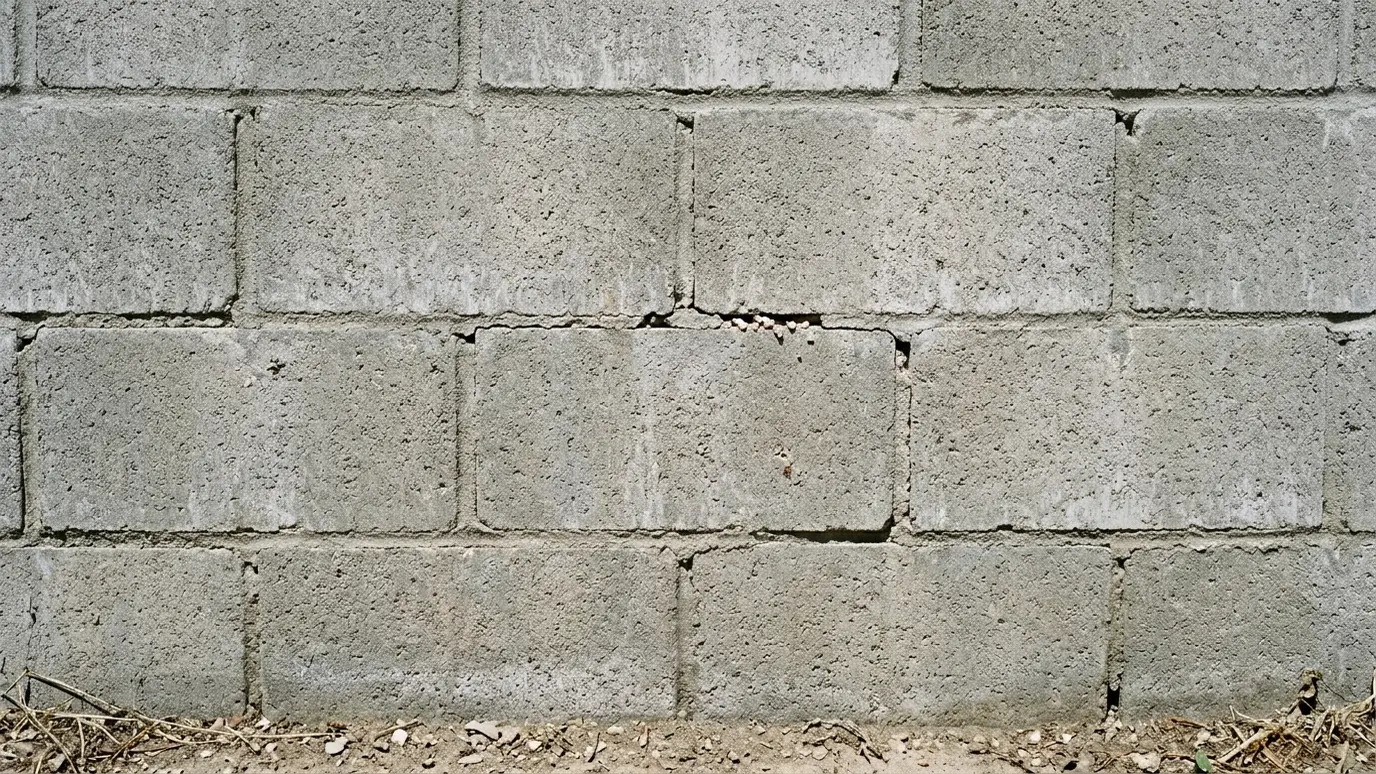 Material guideConcrete Block FoundationsBlock foundations are common in mid-century homes. They are strong in compression and weak sideways. Learn the signs…Learn more
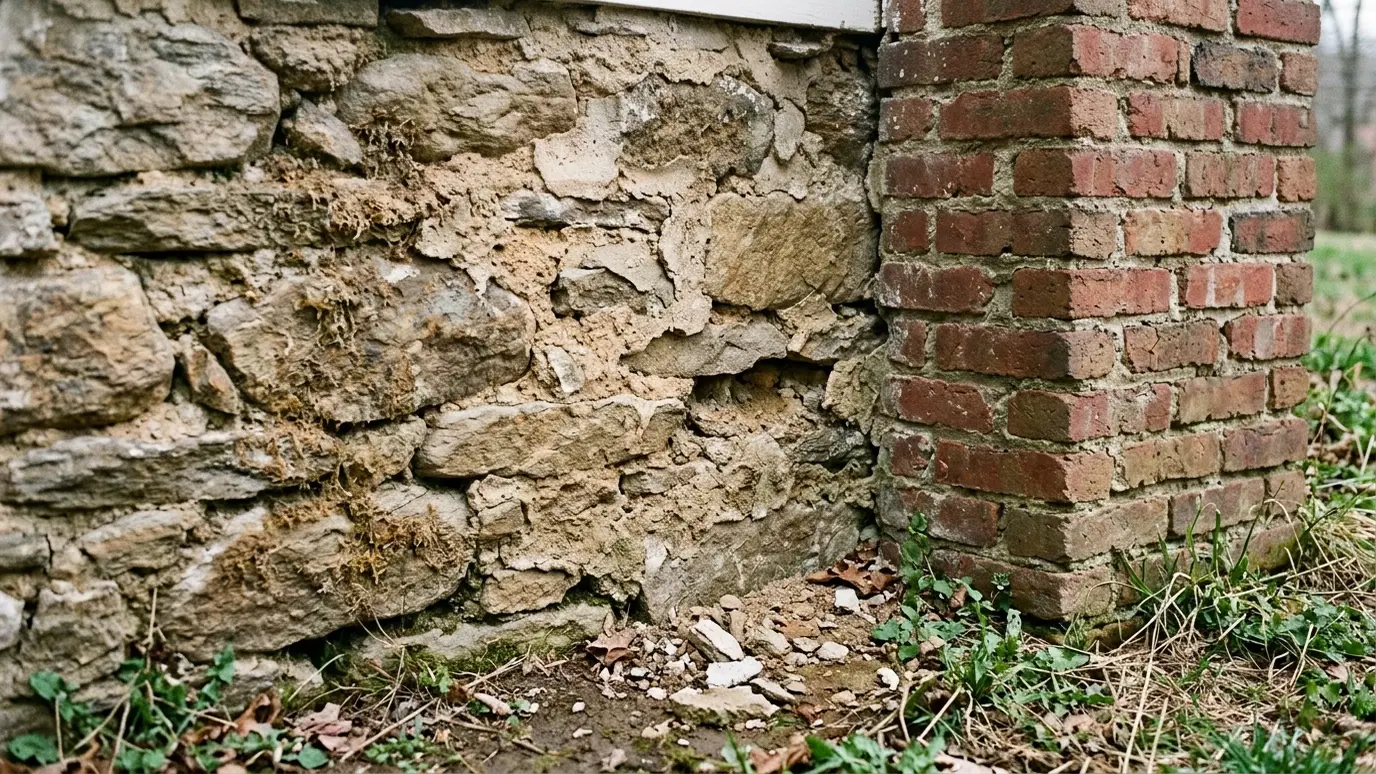 Material guideStone and Brick FoundationsStone and brick foundations carry many of Nashville older homes. Here is how they work and how to…Learn more
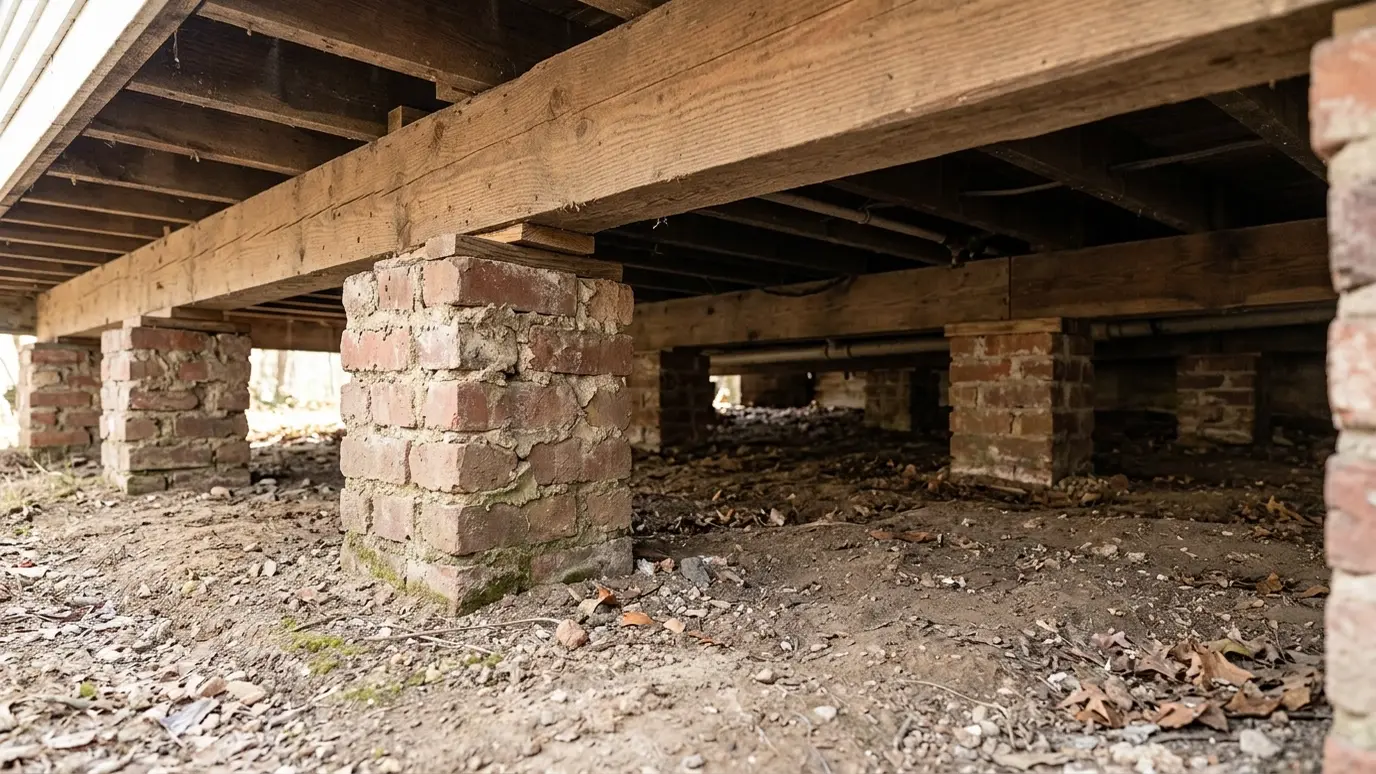 Material guidePier and Beam FoundationsA pier and beam foundation lifts the house above the ground on posts. Learn how they work and…Learn more
Call us and we will visit, look closely at your foundation, crawl space or slab and give you a clear plan and a written scope.