Sloping floors, sticking doors and cracks above windows can mean a corner is sinking. We find the cause and lift and support it.
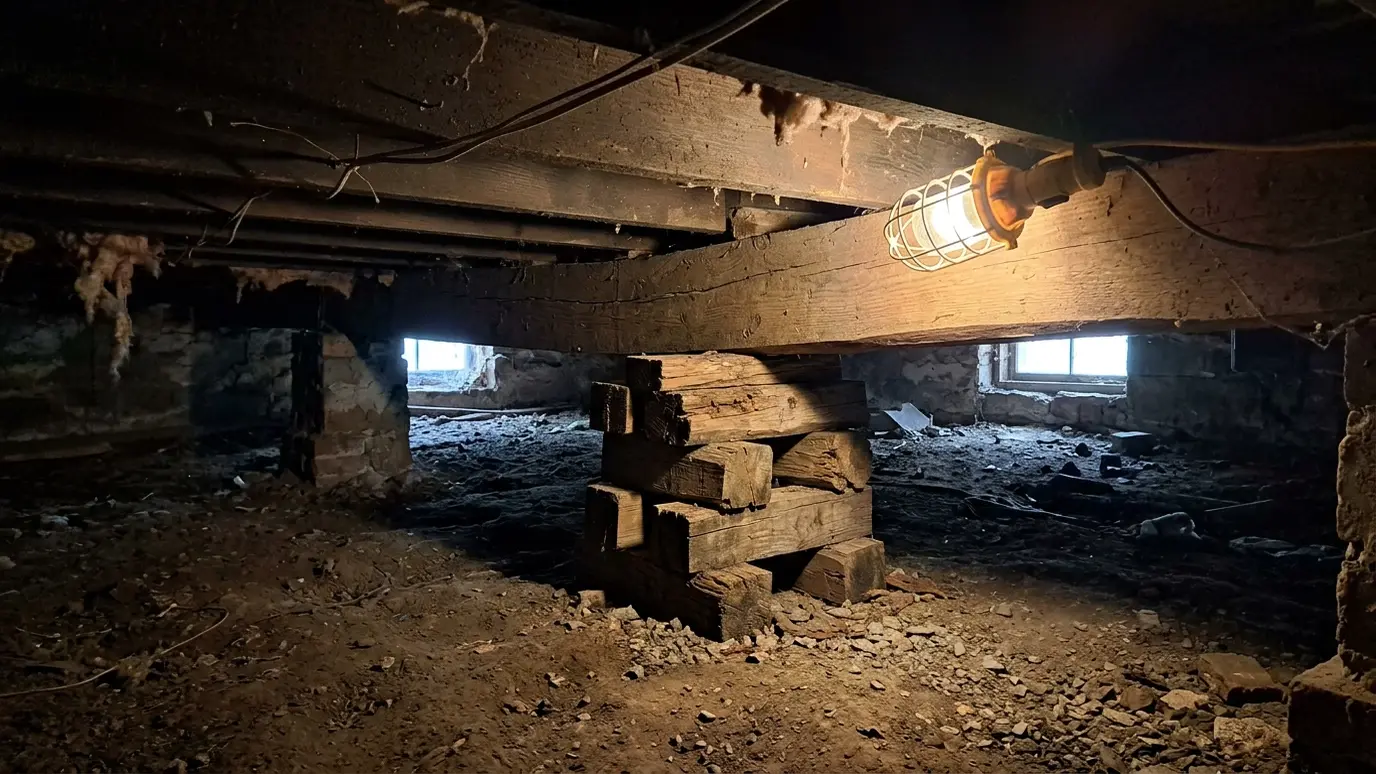
Settlement happens when the soil under part of a foundation can no longer carry the load. In Middle Tennessee the causes are familiar: clay that shrinks in dry summers and swells in wet seasons, fill that was not packed well, water running along the wall and washing soil out and tree roots drawing moisture from the ground. The result shows up inside the house first, as doors that stick, floors that slope and cracks at the corners of windows.
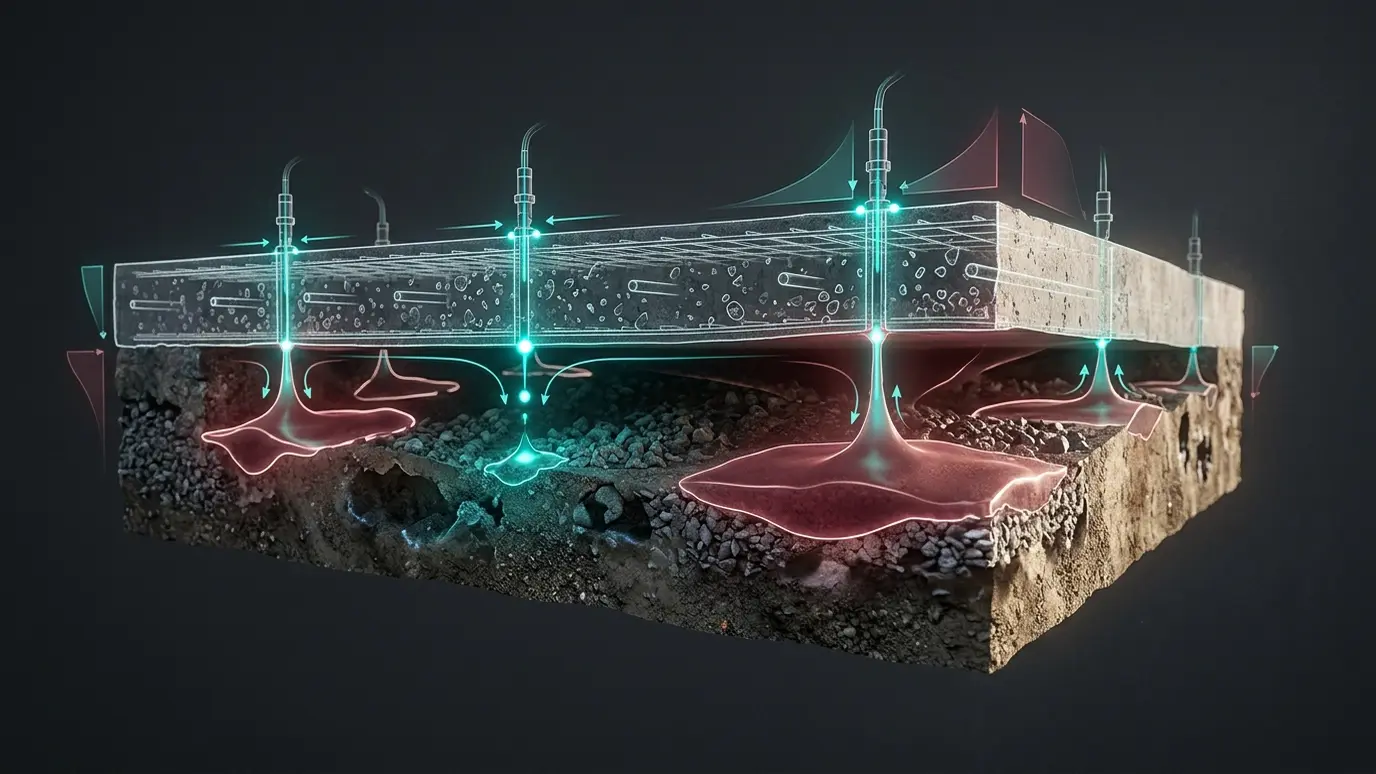
We start by measuring. A level, a string line and a floor survey tell us how much the house has dropped and where. Then we look at the cause outside, because supporting the house without fixing a water problem only moves the trouble. The repair is usually steel piers driven or screwed down to stable soil or rock, which carry the footing and let us lift the house back toward level where it is safe to do so.
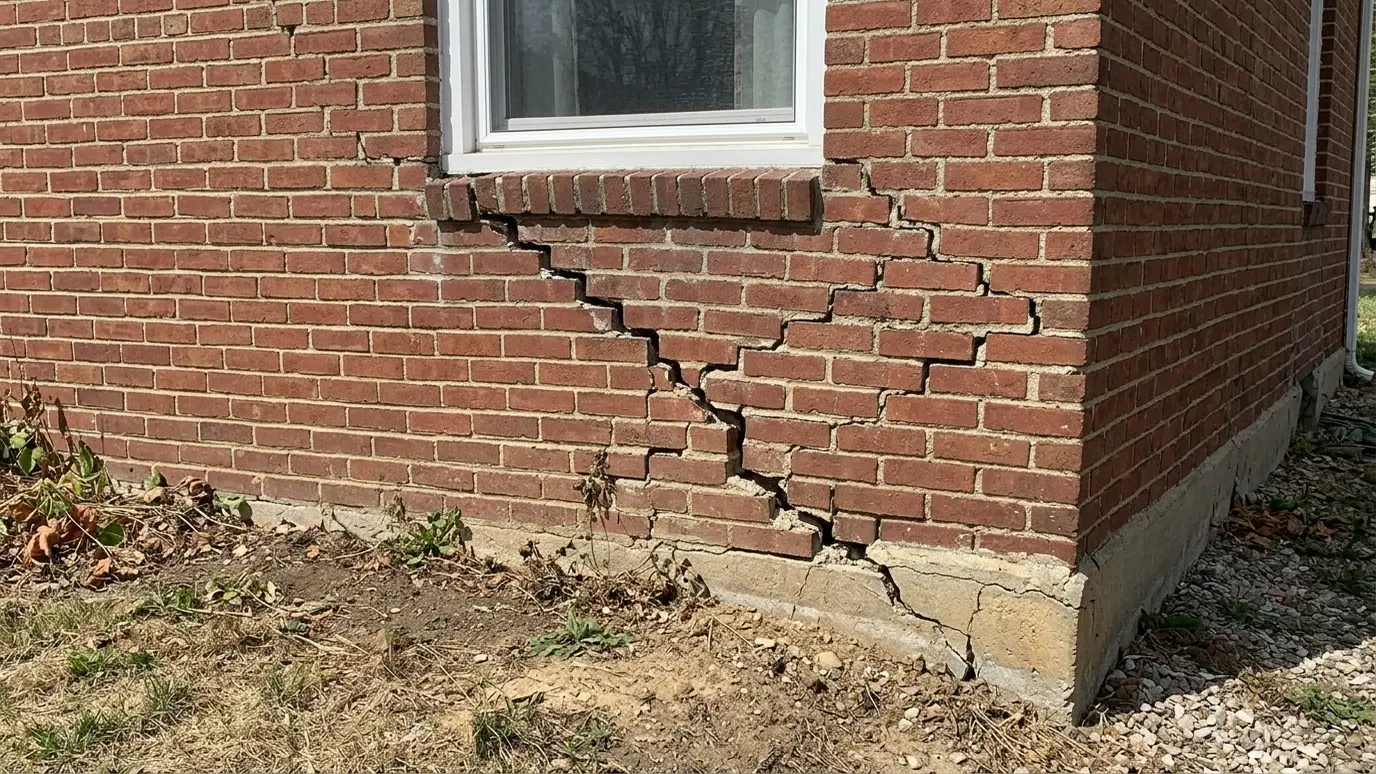
Sticking doors, gaps under trim, sloping floors and stair-step cracks in brick are the common clues that part of the house has dropped.
We check drainage, downspouts, tree roots and soil type, so the fix includes the reason the settlement started.
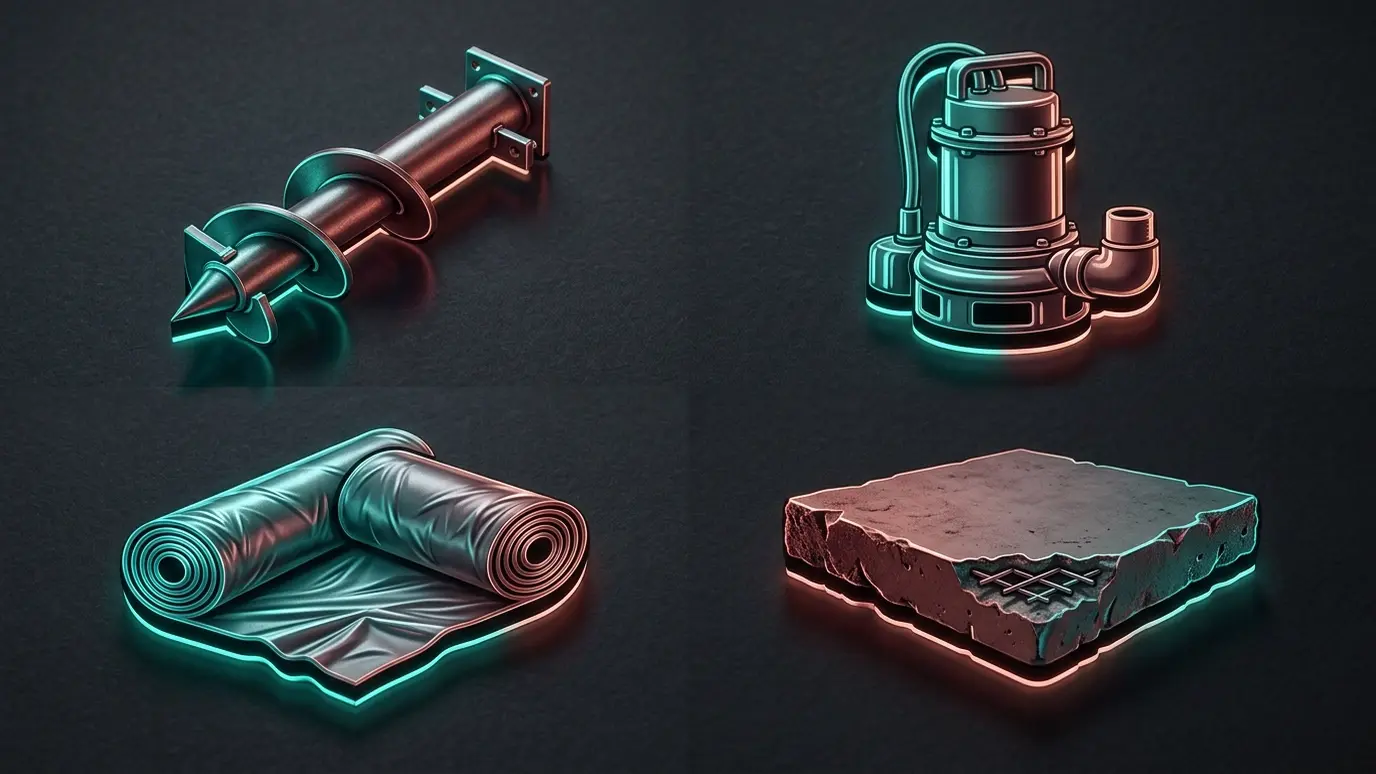
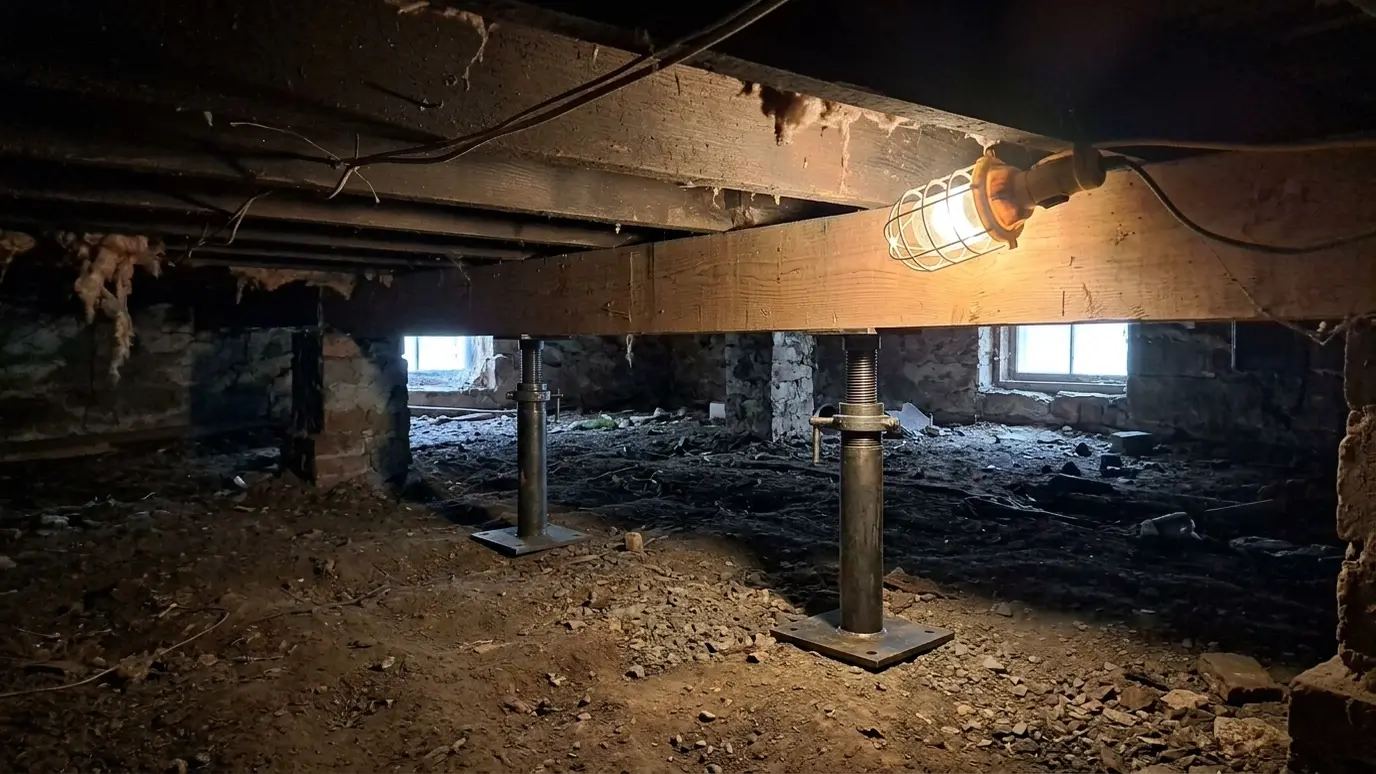
Push piers or helical piers carry the footing to a layer that does not move, so the house stops sinking.
Lifting is done slowly and only as far as the structure allows. Some houses can recover most of the drop, others only part.
Drag the handle to compare.
 BeforeAfter
Know how much.
Fix the reason.
Strong support.
House stabilized.
Water managed.
Slow and safe.
Every topic has its own page with what to expect and how we approach it.
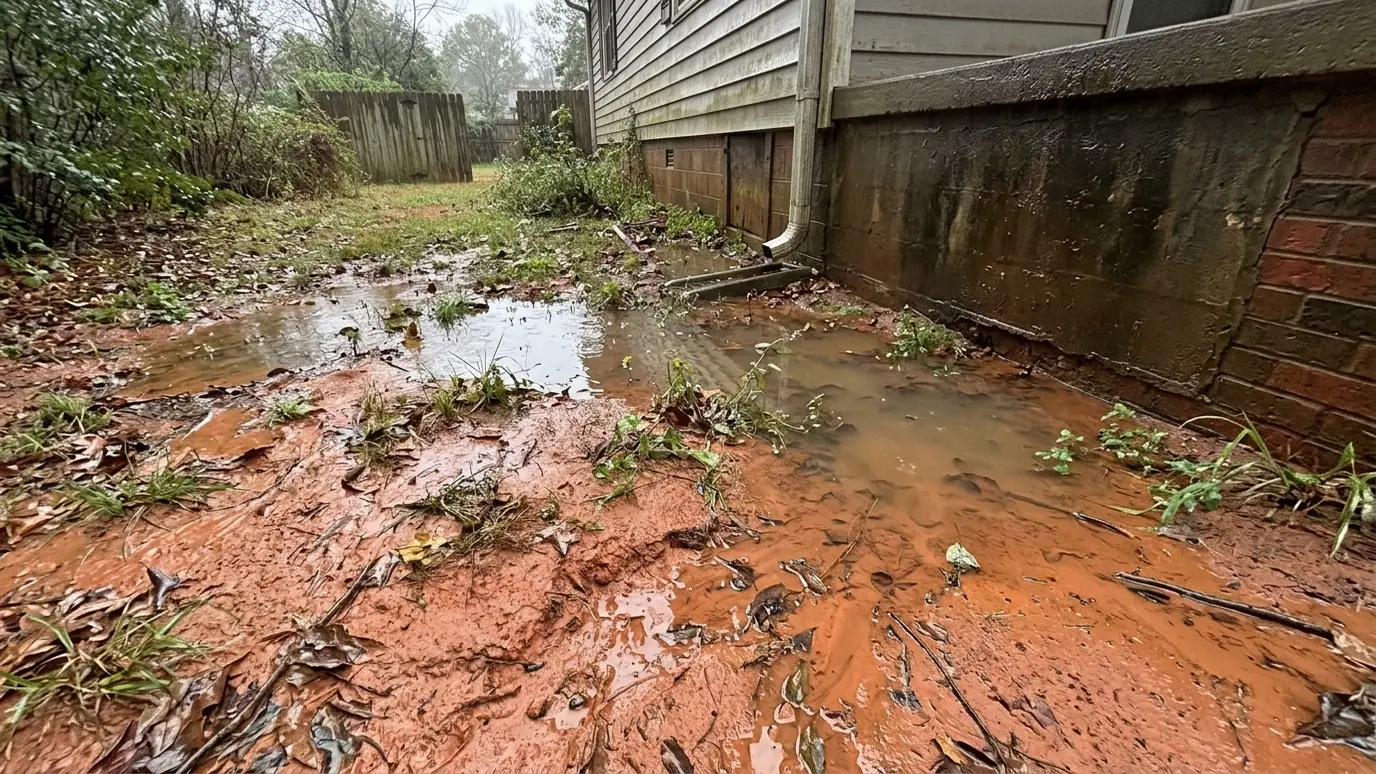 Project situationClay Soil and Wet YardsMiddle Tennessee clay swells when wet and shrinks when dry. That movement is behind many cracks, leaks and…Learn more
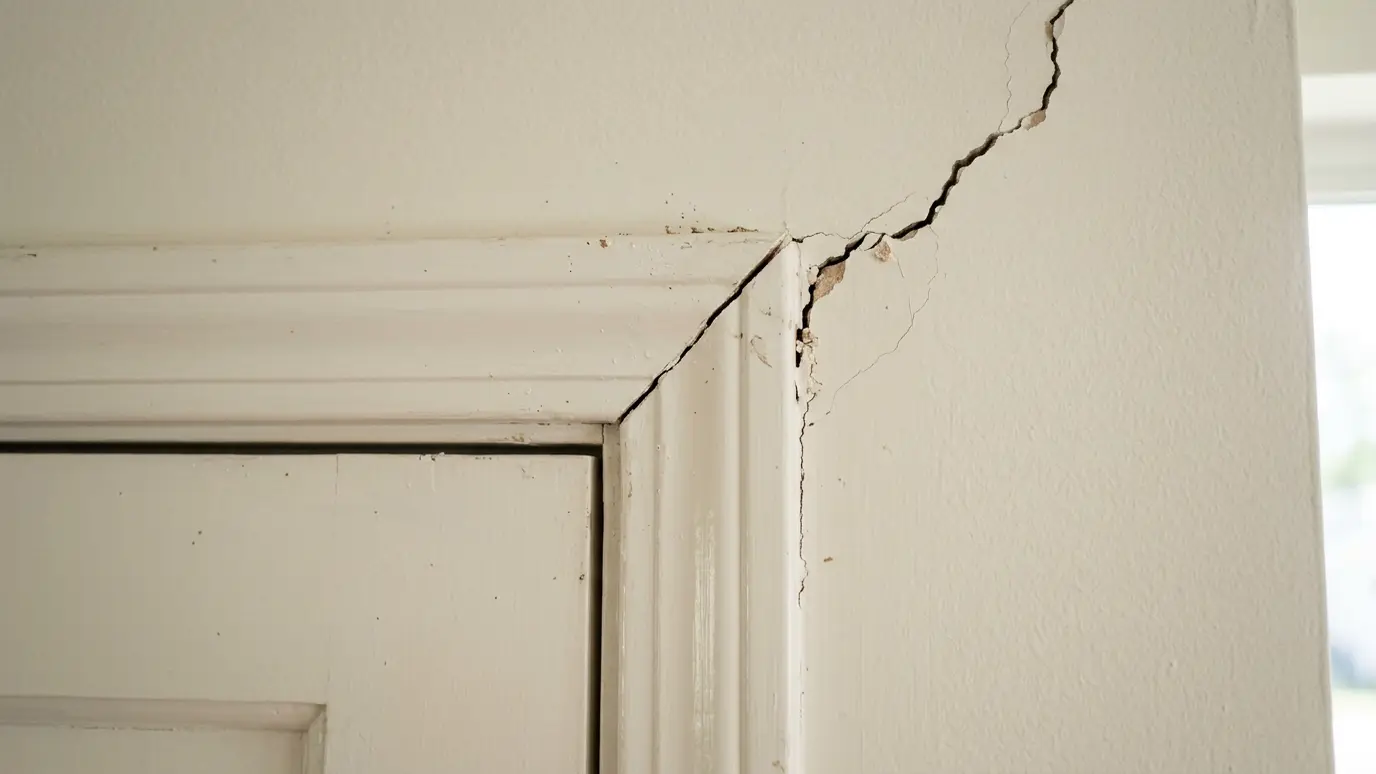 Project situationCracks and Sticking DoorsDoors that stick, cracks over windows and floors that slope are the signals foundations send. Learn what they…Learn more
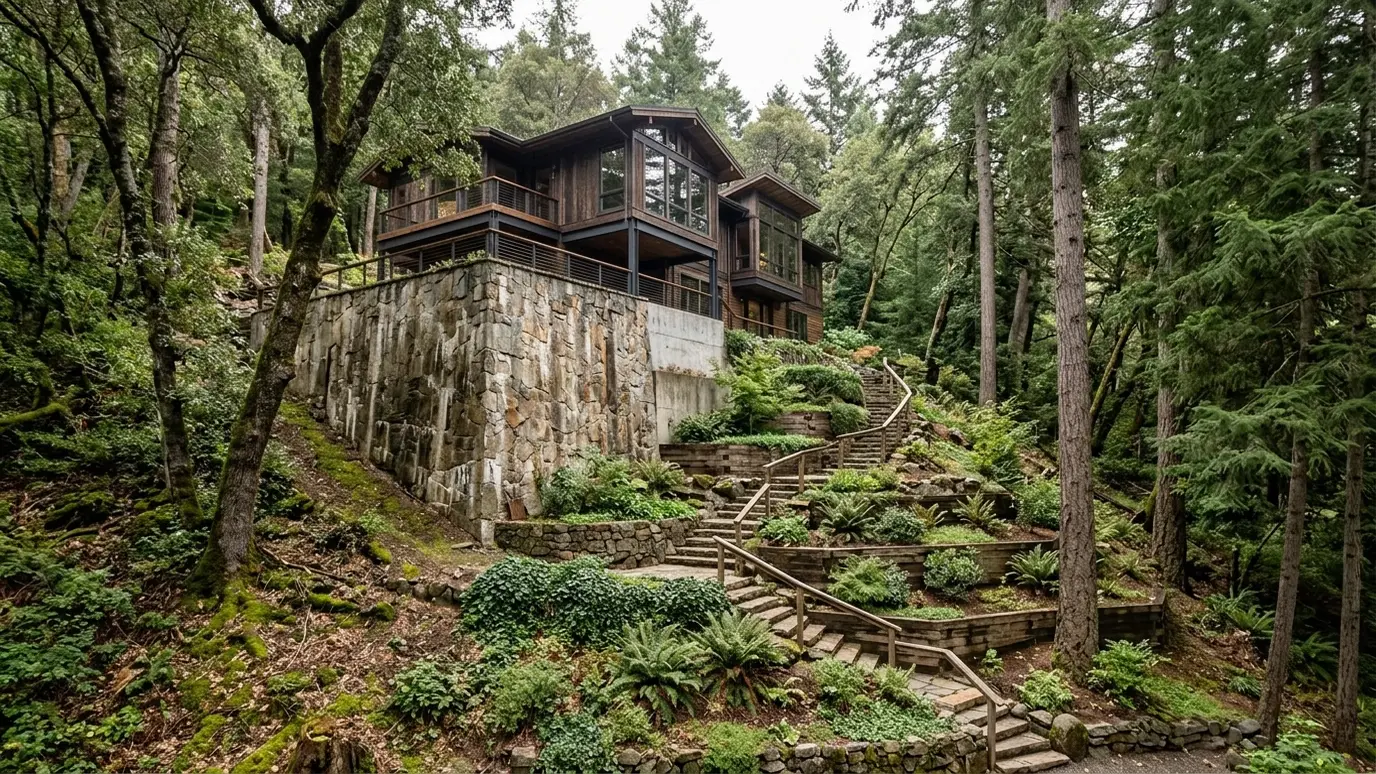 Project situationHillside and Sloped LotsHouses on slopes face soil creep, water runoff and tall walls. Here is how we support them and…Learn more
Pick the crack type, measure its width and tell us if it is changing to see how much attention it may need.
You tell us what you have noticed, a crack, a damp smell, a sloping floor or standing water, and we set a visit that fits your day.
We look closely inside and out, measure floors and cracks, check moisture and drainage and take photos of anything of note.
We explain what is urgent, what can wait and what is optional, and give you a written scope and options.
We lay floor protection, mark utilities, protect landscaping and set up before any digging or drilling begins.
We install, seal, lift or repair with the right tools and materials, checking our work as we go.
We clean up, restore the surface, show you what we did, share care tips and set a reminder for your next check.
Sticking doors, sloping floors, stair-step brick cracks and gaps between walls and ceilings are common signs.
Often much of the drop can be recovered, but it depends on the structure. We tell you what is realistic.
Sometimes it slows, but if the cause is still there it usually returns. Support makes it stop.
Coverage varies. We can document the condition clearly to help you talk with your insurer.
For larger movement or unusual structures, an engineer is a wise addition, and we coordinate with one.
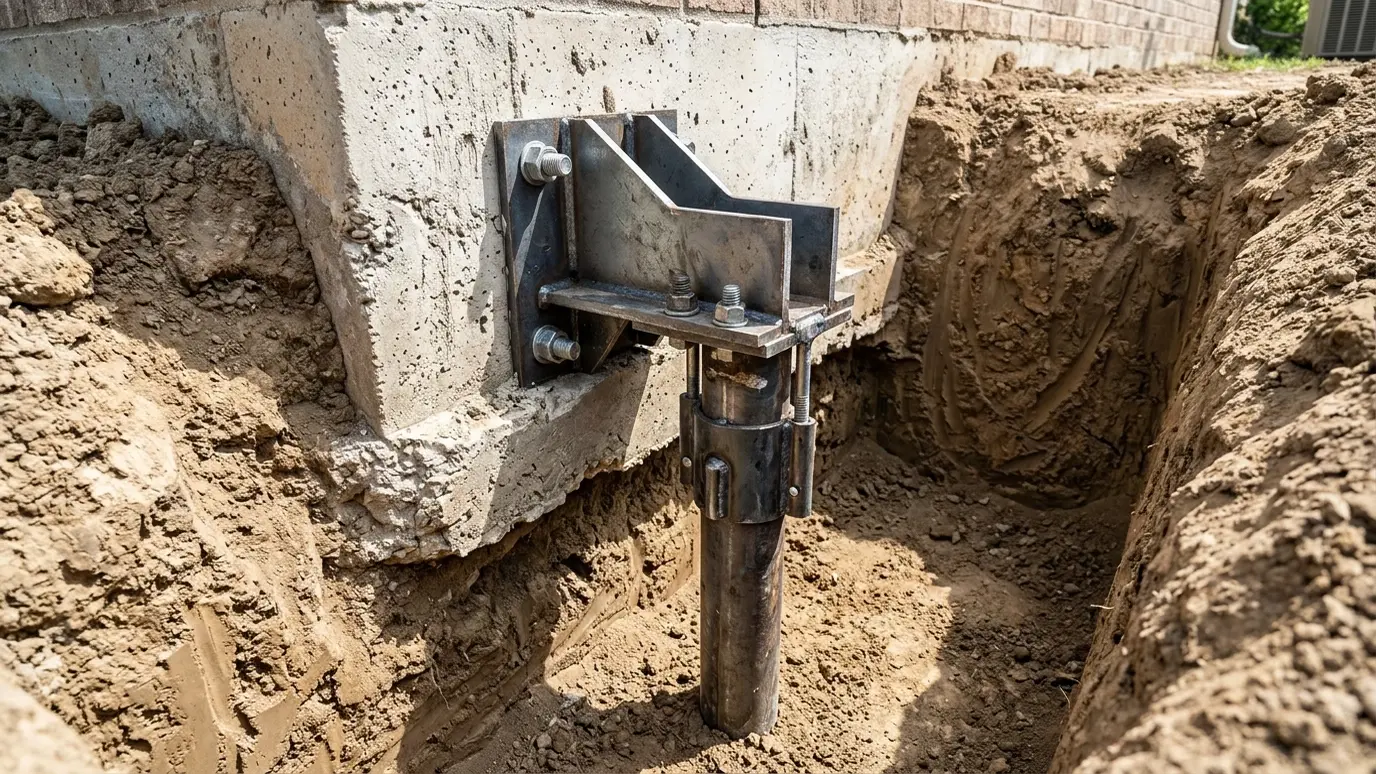 Steel Push PiersSteel piers driven through weak soil to firm ground carry the footing, stop a sinking foundation and can…Explore
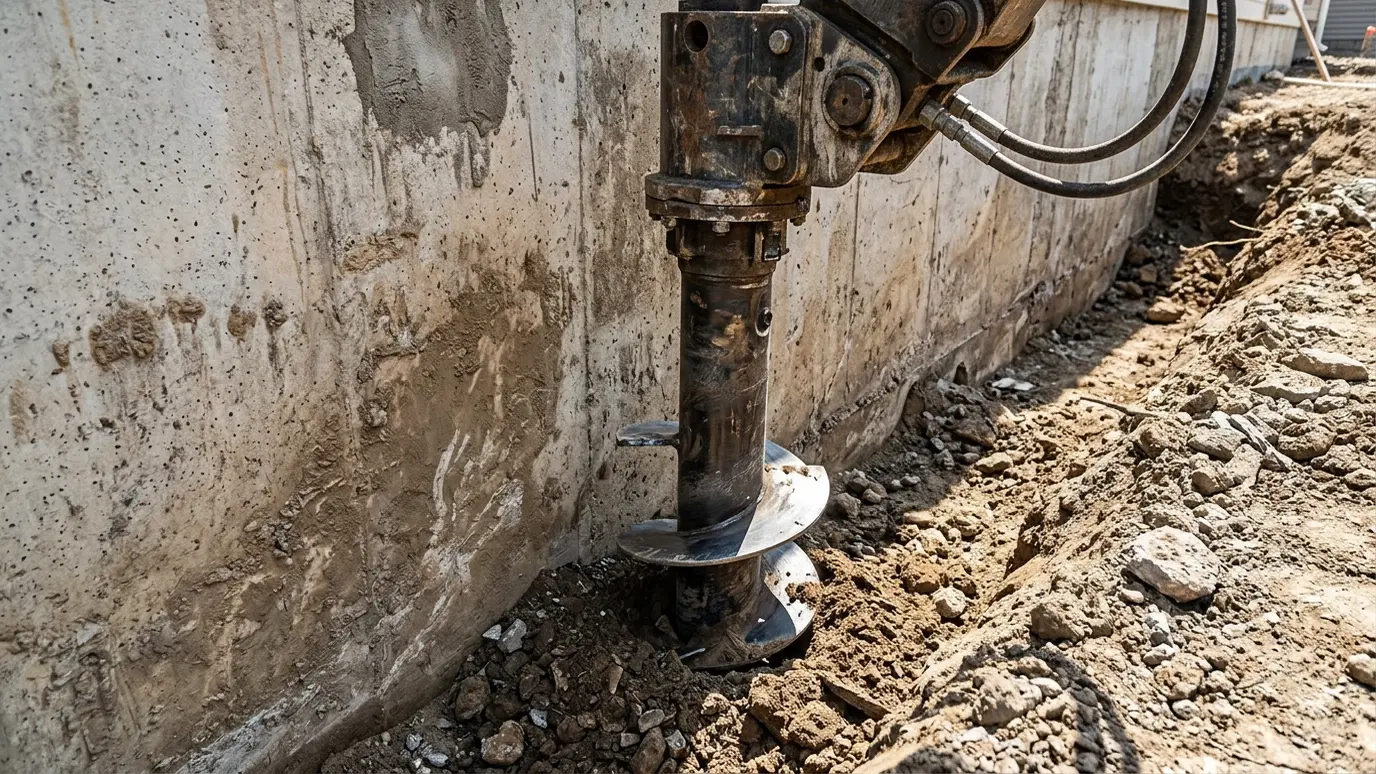 Helical PiersSteel shafts with screw plates are turned into the ground to stable soil, ideal for lighter structures, porches…Explore
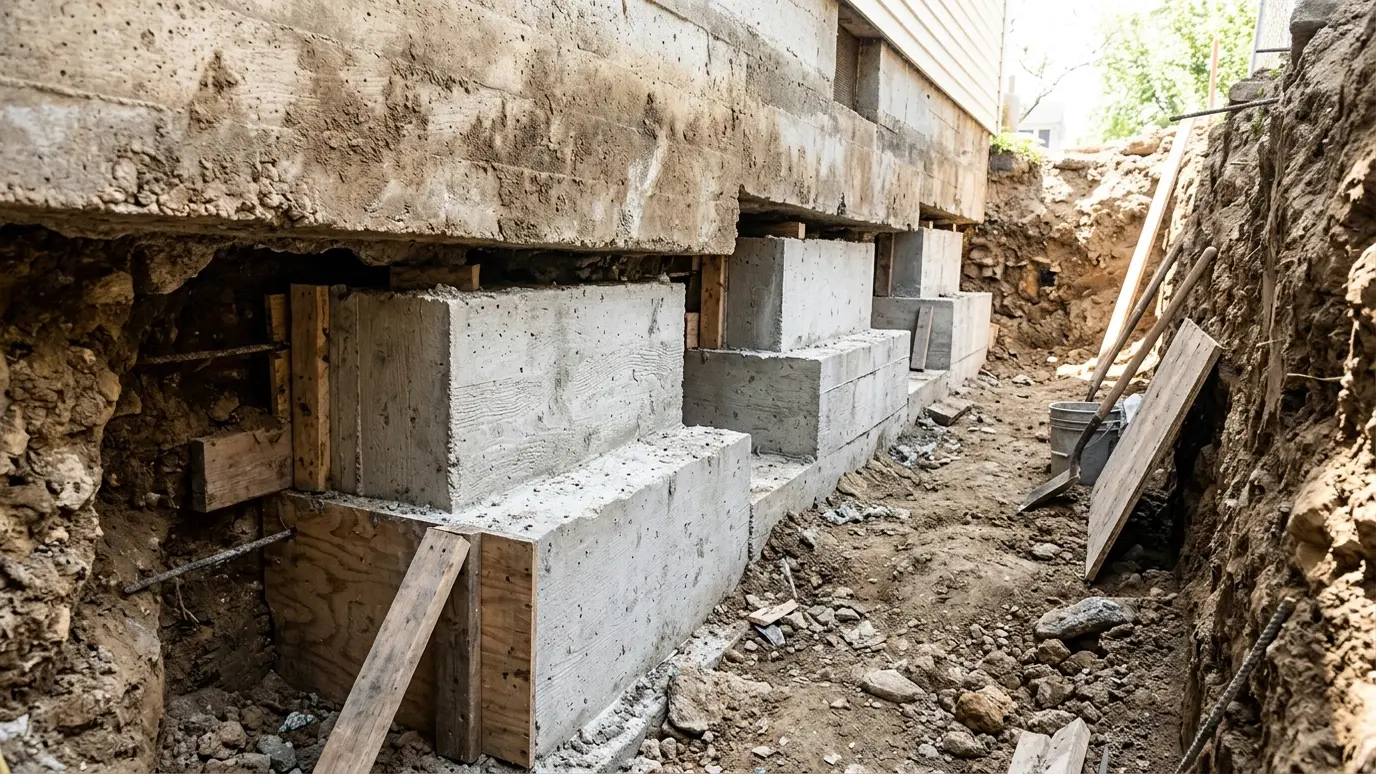 Foundation UnderpinningUnderpinning carries a footing down to stronger soil so a sinking or overloaded foundation can rest on something…Explore
 Engineer CoordinationFor larger or unusual problems, we work with a structural engineer, share findings, follow the engineered plan and…Explore
Tell us about the project and we will call you back to talk it through.
Or call (615) 357-7797 to talk now.