A basement wall that curves inward or tilts needs support before it moves further. We measure it and stabilize it from the inside.
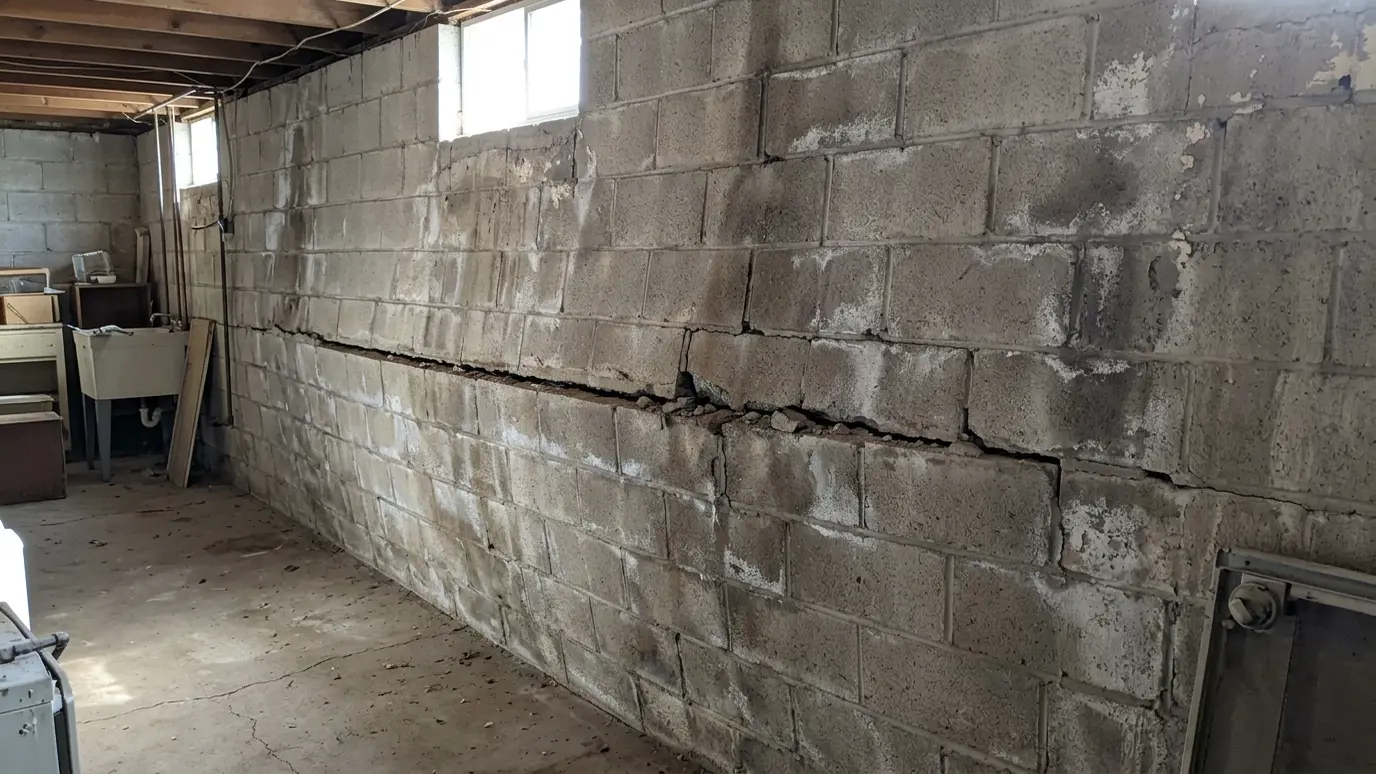
Wet clay soil is heavy, and in Middle Tennessee it swells when it is saturated and pushes against basement walls. Over years that pressure can bend a block wall inward, open a horizontal crack across the middle or tilt the top of a poured wall toward the room. It rarely fixes itself, and it can speed up during a wet season.
We begin by measuring how far the wall has moved and where. A string line, a level and a few photos tell us whether the wall is bowing, leaning or both and how fast it is changing. Then we pick the support that fits: steel braces, wall anchors, carbon fiber straps or in serious cases a partial rebuild. We also look at the water outside, because lowering the pressure is part of a lasting fix.
We record how far the wall has moved at the middle and the ends, so progress is clear and later changes are easy to see.
Carbon fiber suits mild bowing. Braces and anchors suit moderate movement. Severe movement may call for rebuilding the wall.
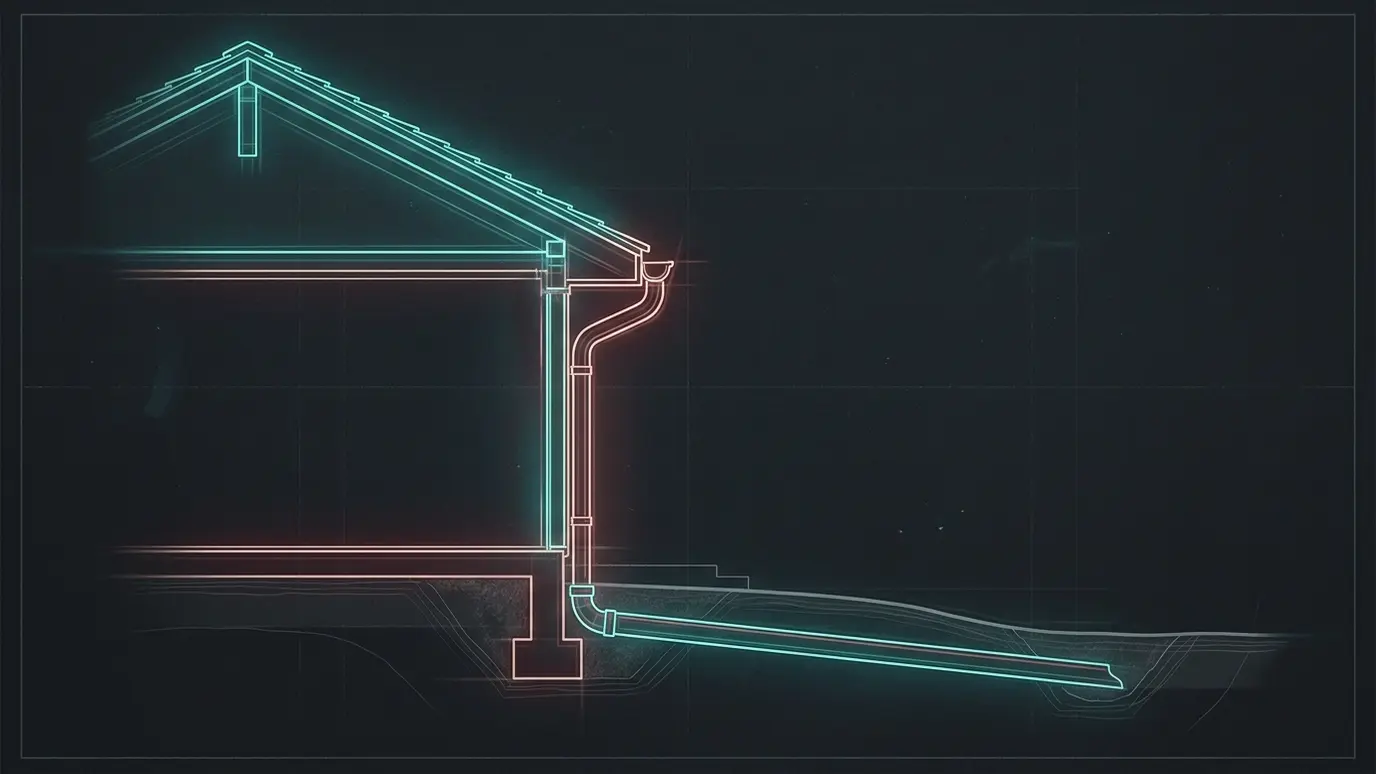
Gutters, grading and drains outside lower the load on the wall, which helps any support work do its job.
Some walls can be pulled back gradually with anchors. Others are stabilized where they stand. We explain which applies to yours.
Drag the handle to compare.
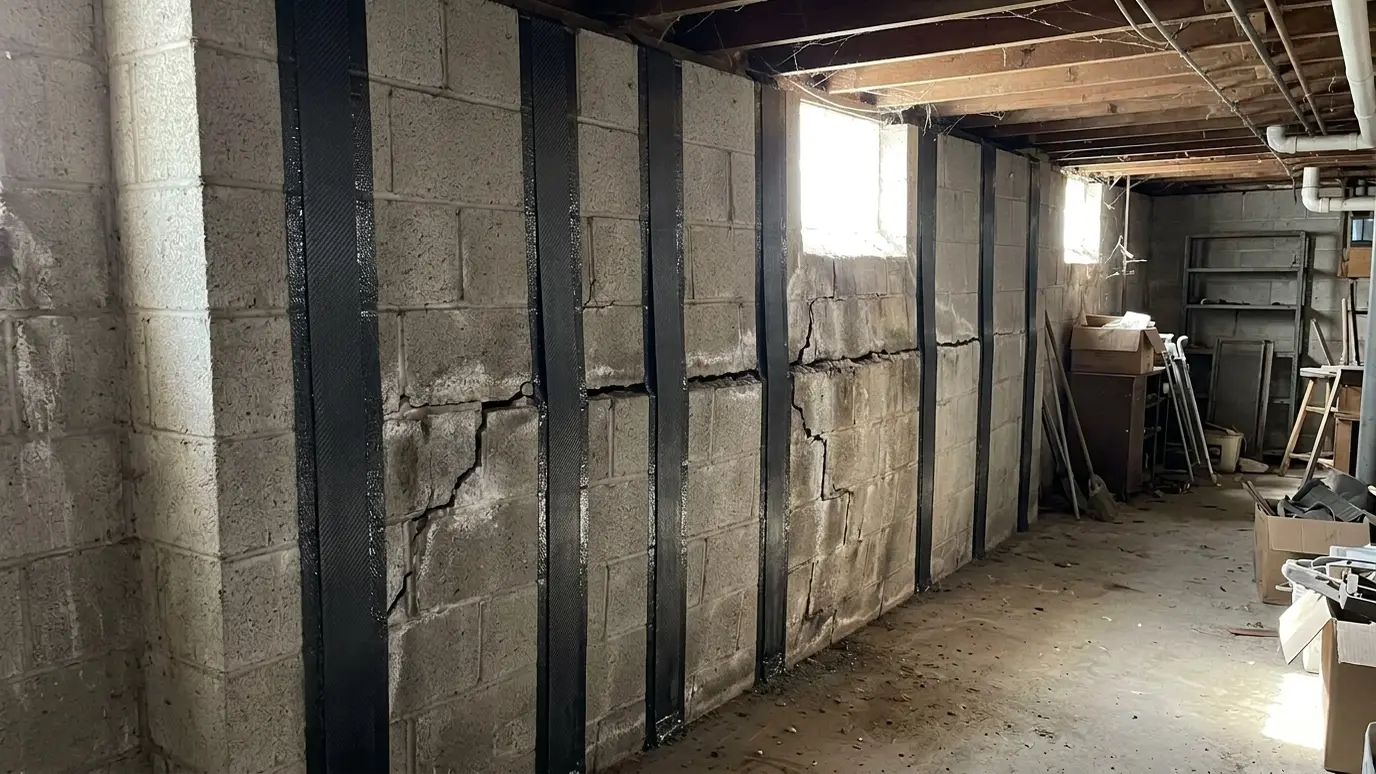
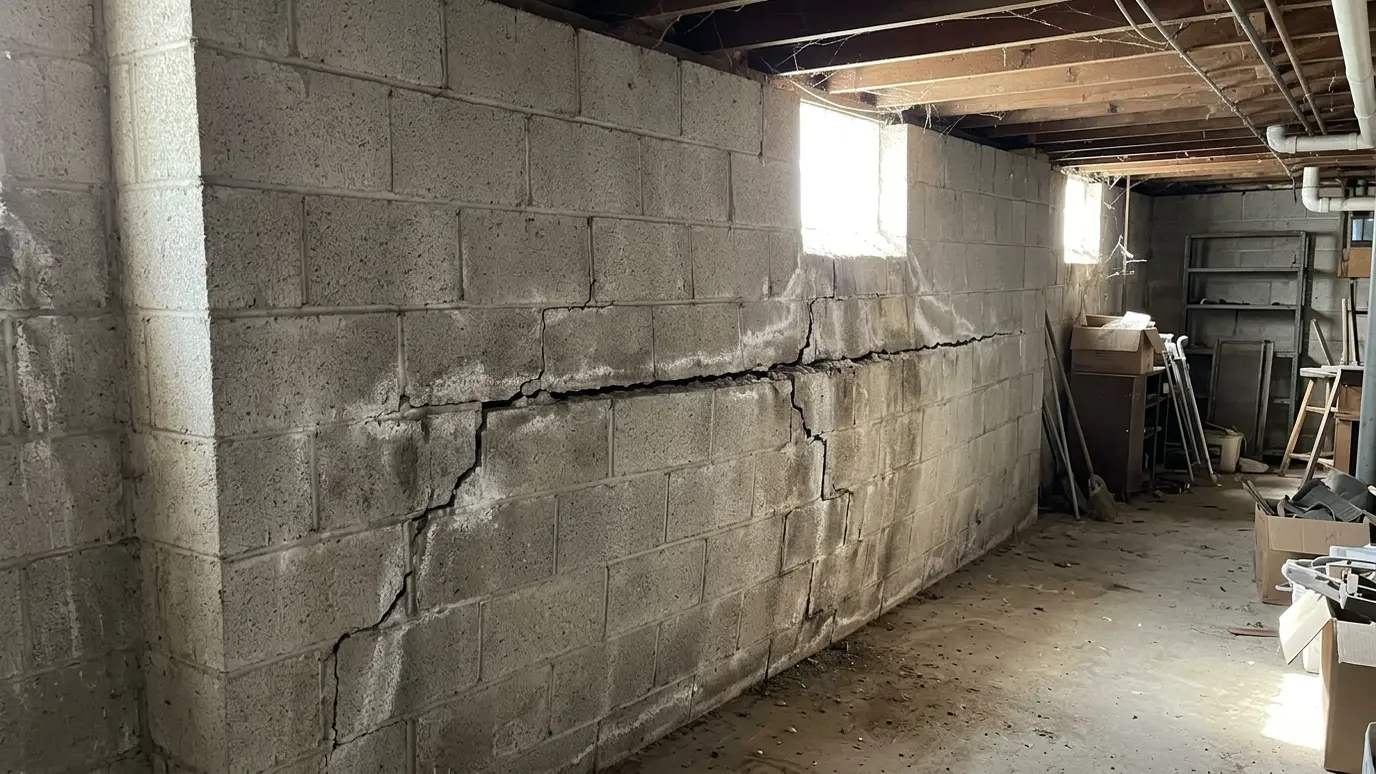 BeforeAfter
Facts first.
Match the wall.
Lowering the load.
Wall held in place.
Compare over time.
Know the plan.
Every topic has its own page with what to expect and how we approach it.
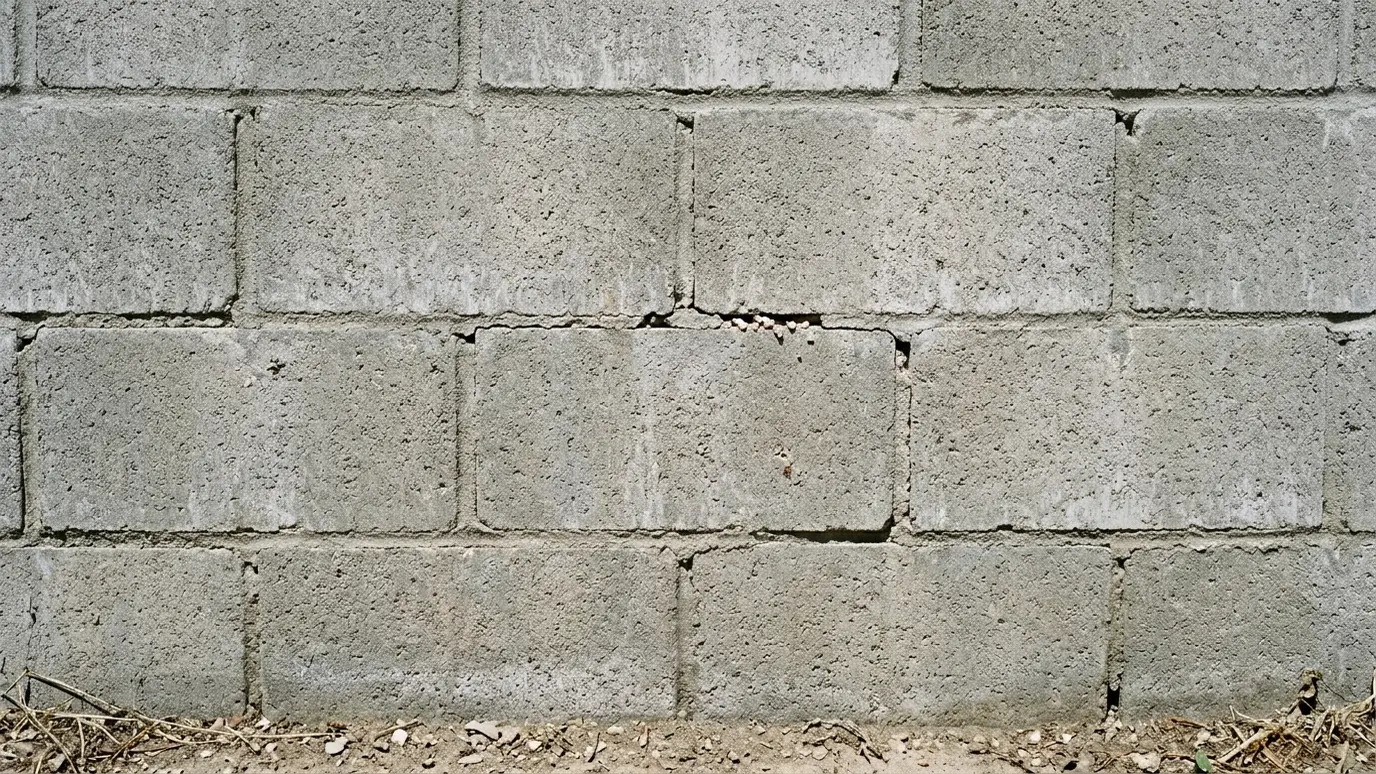 Material guideConcrete Block FoundationsBlock foundations are common in mid-century homes. They are strong in compression and weak sideways. Learn the signs…Learn more
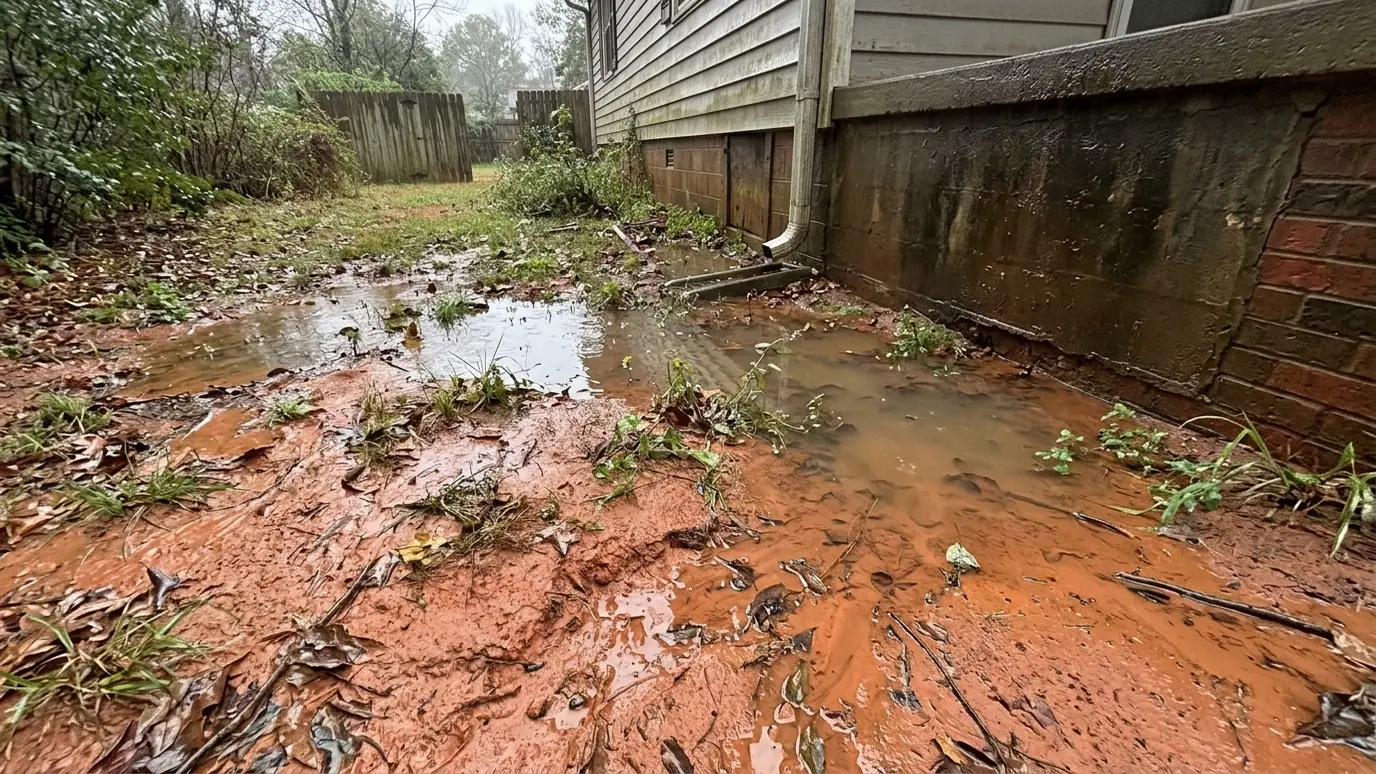 Project situationClay Soil and Wet YardsMiddle Tennessee clay swells when wet and shrinks when dry. That movement is behind many cracks, leaks and…Learn more
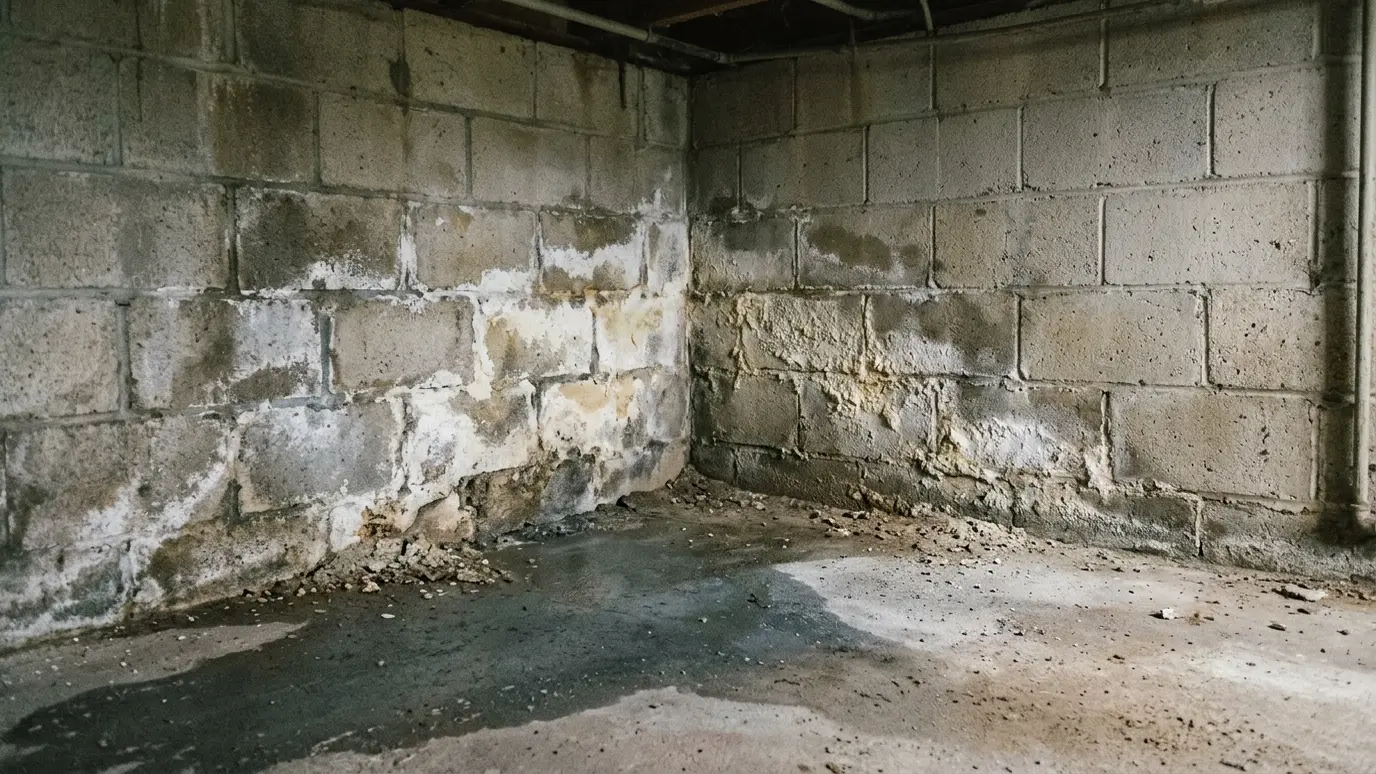 Project situationMusty Basements and Crawl SpacesA damp, earthy smell is a sign of moisture below. Fix the source and the whole house smells…Learn more
Pick the crack type, measure its width and tell us if it is changing to see how much attention it may need.
You tell us what you have noticed, a crack, a damp smell, a sloping floor or standing water, and we set a visit that fits your day.
We look closely inside and out, measure floors and cracks, check moisture and drainage and take photos of anything of note.
We explain what is urgent, what can wait and what is optional, and give you a written scope and options.
We lay floor protection, mark utilities, protect landscaping and set up before any digging or drilling begins.
We install, seal, lift or repair with the right tools and materials, checking our work as we go.
We clean up, restore the surface, show you what we did, share care tips and set a reminder for your next check.
Wet clay soil swells and pushes on the wall, and block walls give first because they are weak sideways.
It is urgent to evaluate. Steady, slow movement can wait for a plan, but a fast change should be seen right away.
Sometimes, gradually with anchors. Many walls are simply stabilized so they stop moving.
They suit mild bowing and are strong in tension. Heavier movement usually needs braces or anchors.
Yes. Lowering water pressure against the wall is part of a long-term solution.
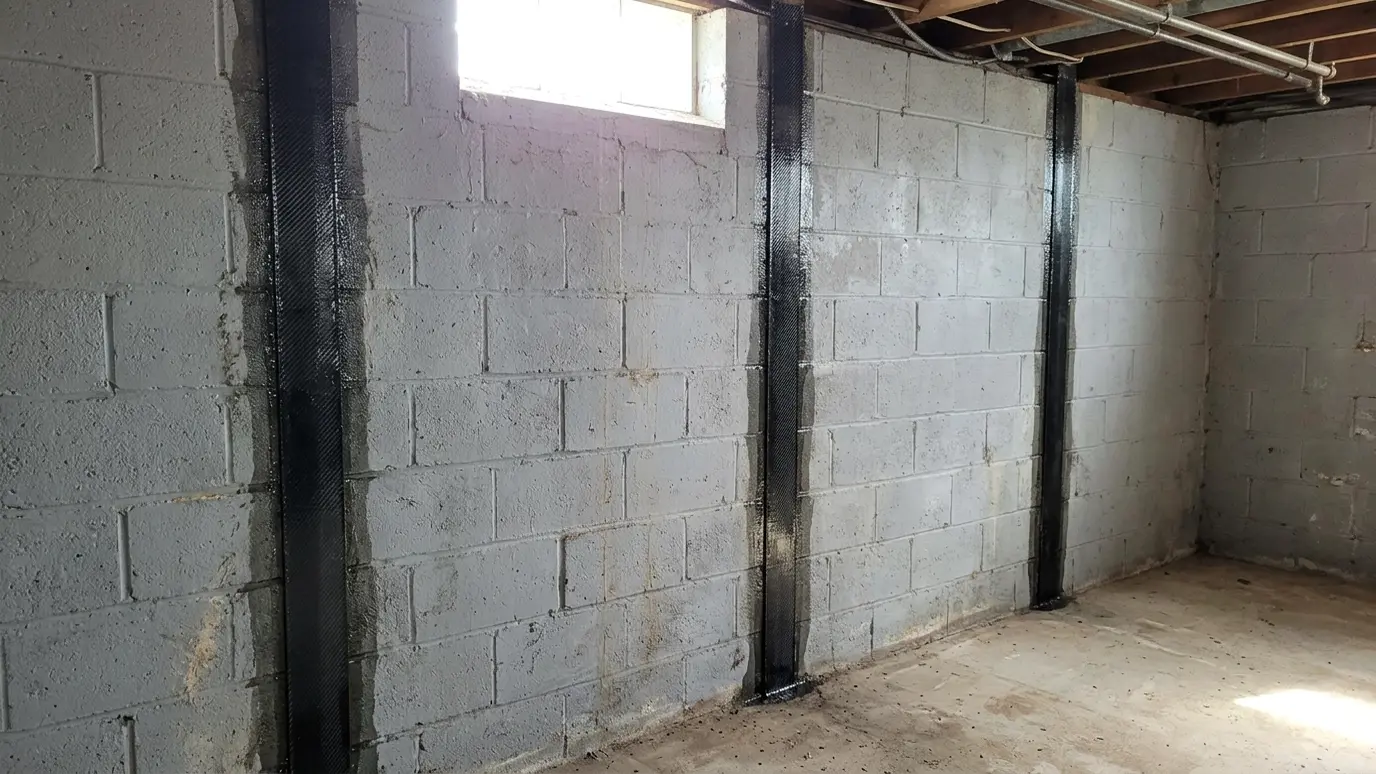 Wall Anchors and StrapsTwo ways to hold a basement wall in place: strong steel anchors tied to soil outside, or thin…Explore
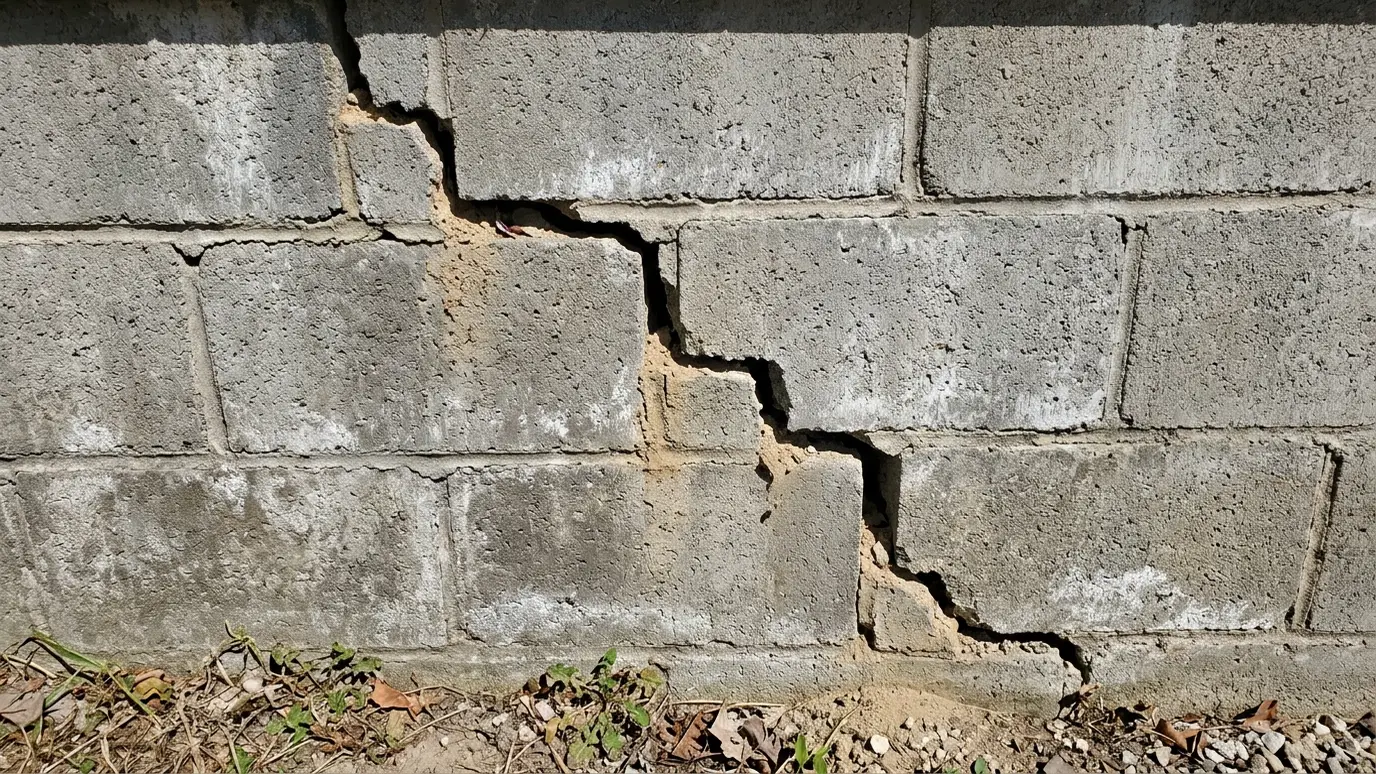 Block and Stem Wall RepairConcrete block and stem walls can crack, bow and crumble. We repair the wall, rebuild failed sections and…Explore
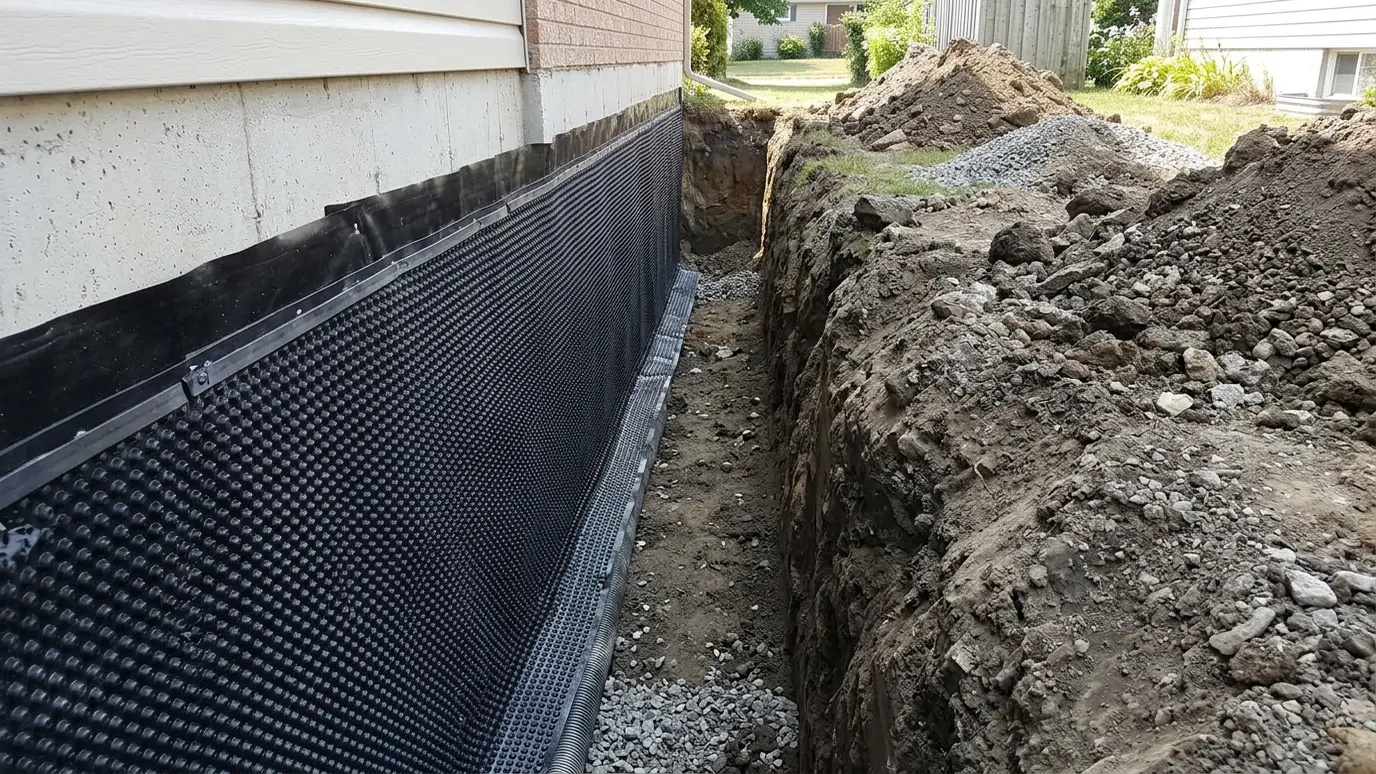 Exterior WaterproofingStopping water before it reaches the wall: excavation, membrane, drain tile and grading that protect the foundation from…Explore
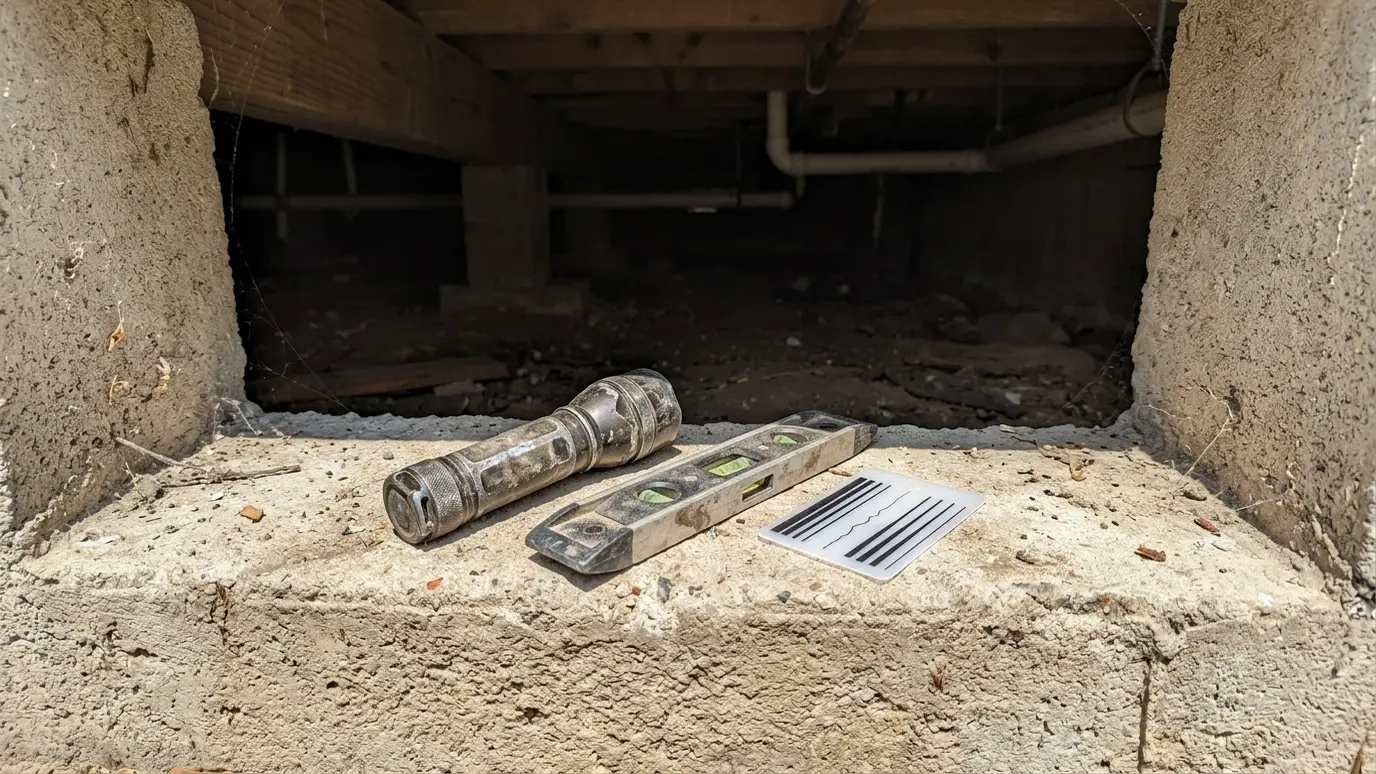 Foundation InspectionsA careful look at the foundation, inside and out, with measurements, photos and a written report in plain…Explore
Tell us about the project and we will call you back to talk it through.
Or call (615) 357-7797 to talk now.