Dry air, dry wood and a dry foundation: the systems that keep humidity in a safe range in basements, crawl spaces and whole homes.
Middle Tennessee summers are warm and humid, and that air finds its way into every cool, low space in a house. In a basement or crawl space, warm humid air meets cool surfaces and condenses. That water feeds mold, makes wood swell and rot and gives dust mites a place to thrive. Controlling humidity is one of the most useful things you can do for the health of the home.
We start by measuring. A hygrometer in the basement and the crawl space shows how high the humidity runs and when. Then we look for the water that feeds it, from bare soil and leaks to downspouts and unsealed vents, and we reduce it. A liner, a sealed space and a dehumidifier sized to the room hold the number steady, and a simple gauge shows you the result so you never have to guess.
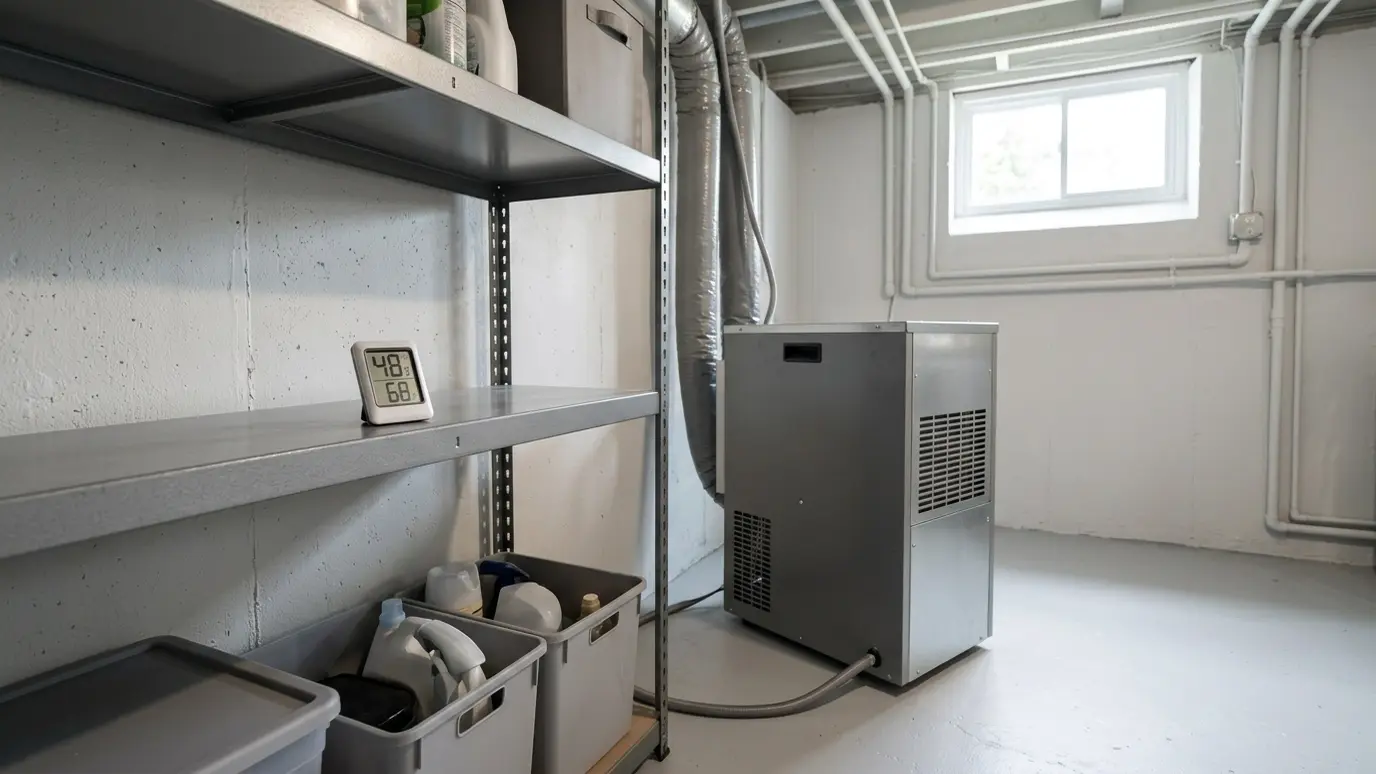
A hygrometer shows relative humidity. Many people aim below about sixty percent in basements and crawl spaces, and lower where mold is a concern.
A properly sized dehumidifier pulls moisture from the air and drains it away automatically.
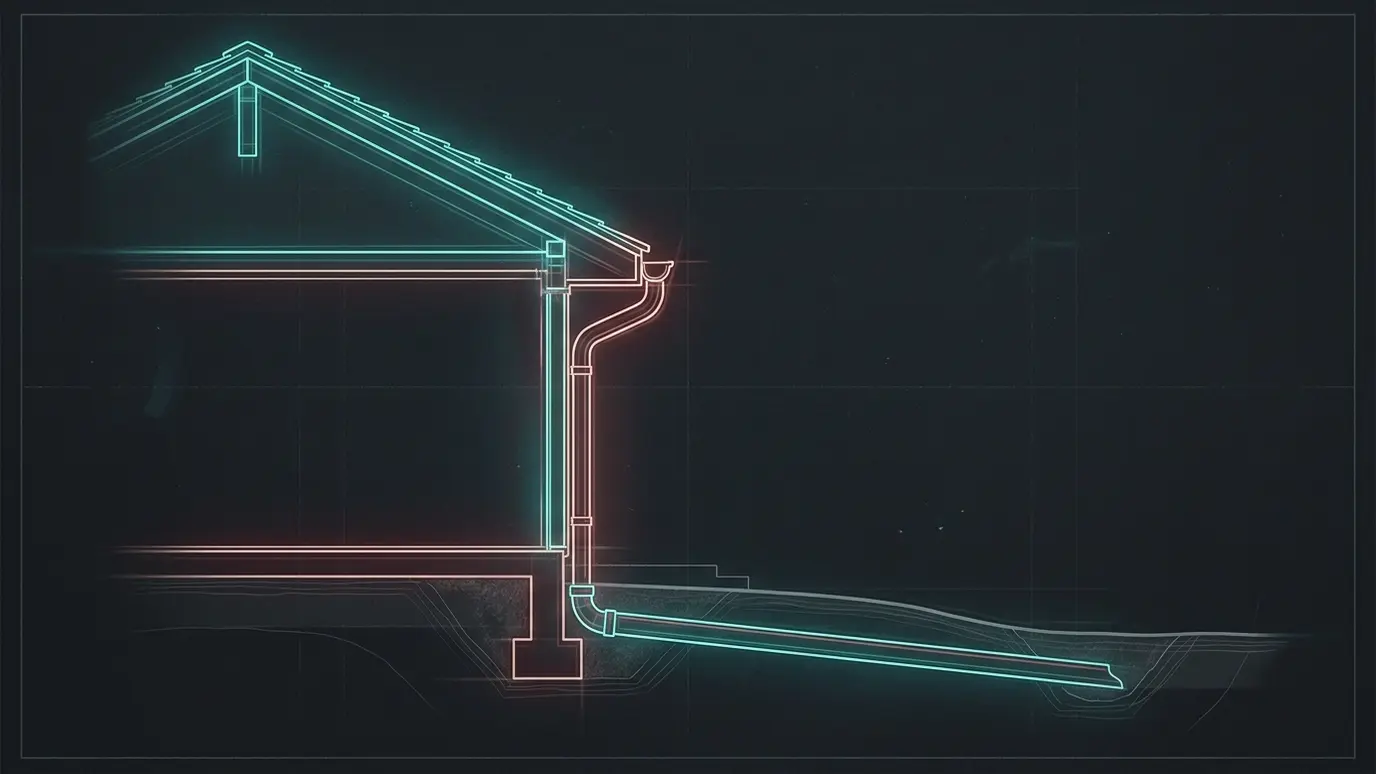
Liners, drainage, gutters and sealed vents reduce the water that humidity comes from in the first place.
Controlled ventilation and sealed air paths keep damp air from circulating through the whole house.
Drag the handle to compare.
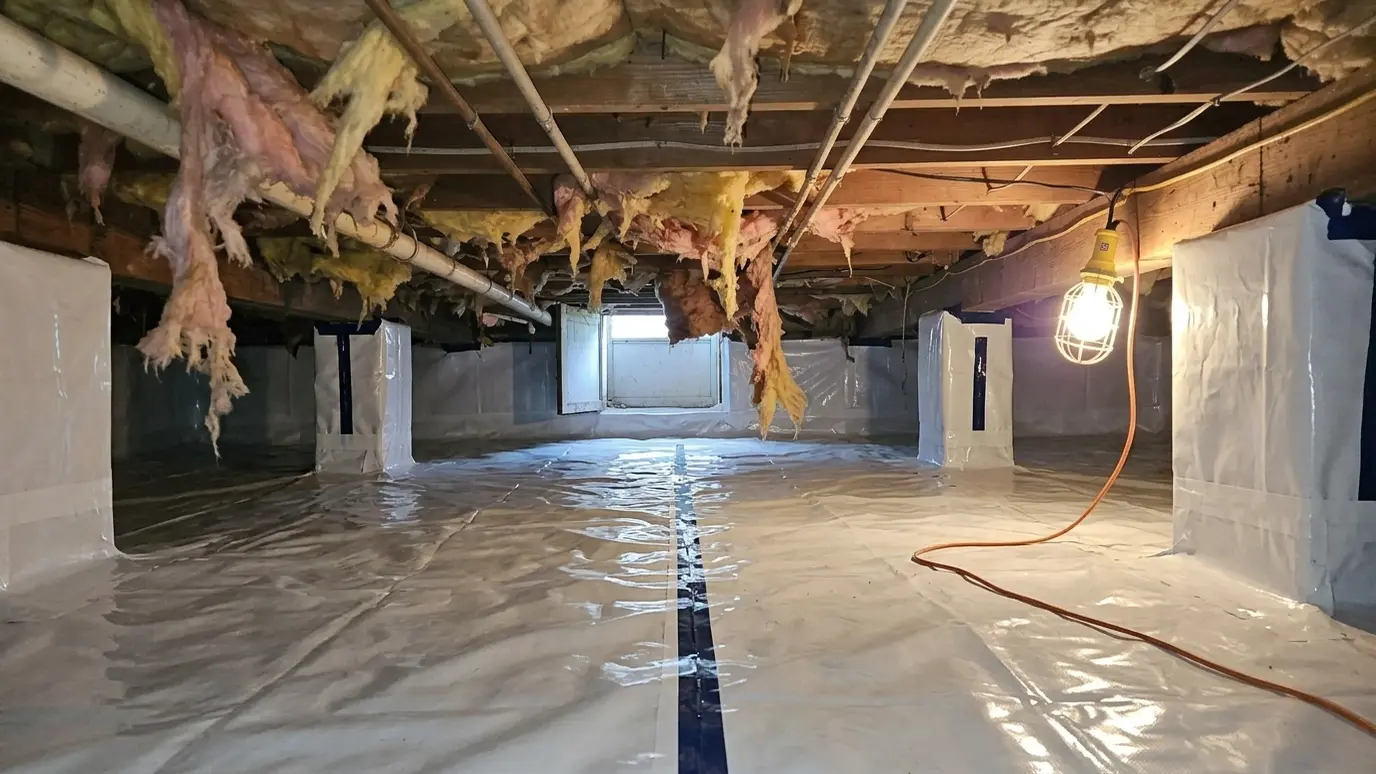
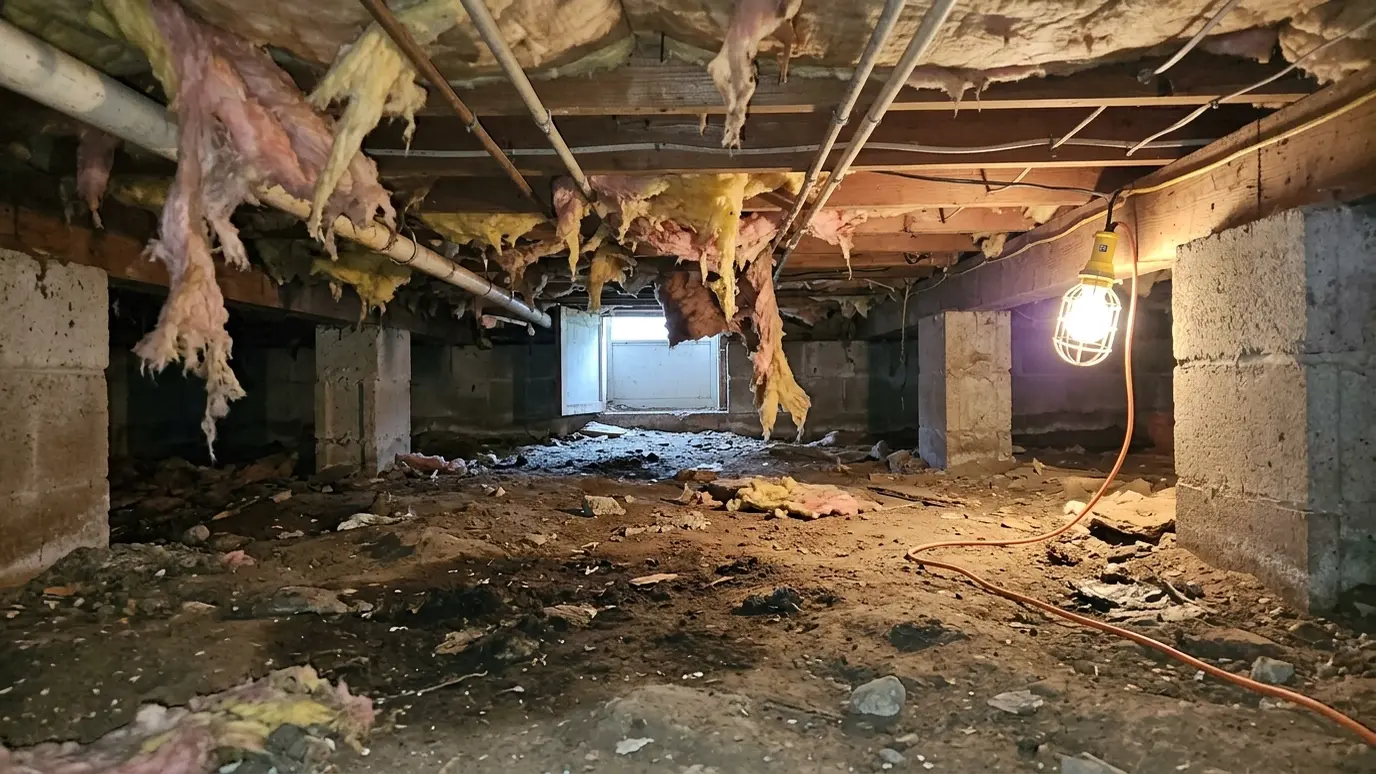 BeforeAfter
Know your number.
Less water in.
Automatic drain.
Protects wood.
Fresher air.
Hygrometers and tests.
Every topic has its own page with what to expect and how we approach it.
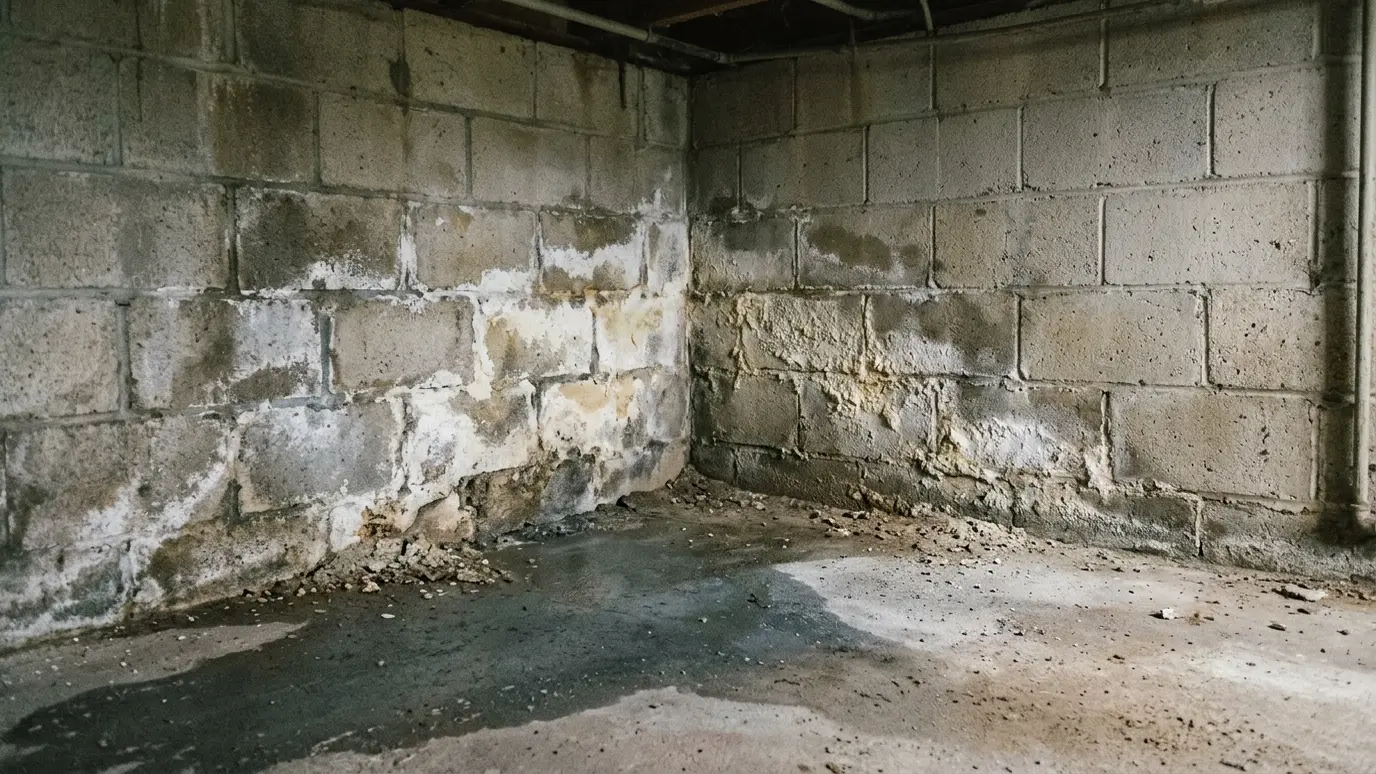 Project situationMusty Basements and Crawl SpacesA damp, earthy smell is a sign of moisture below. Fix the source and the whole house smells…Learn more
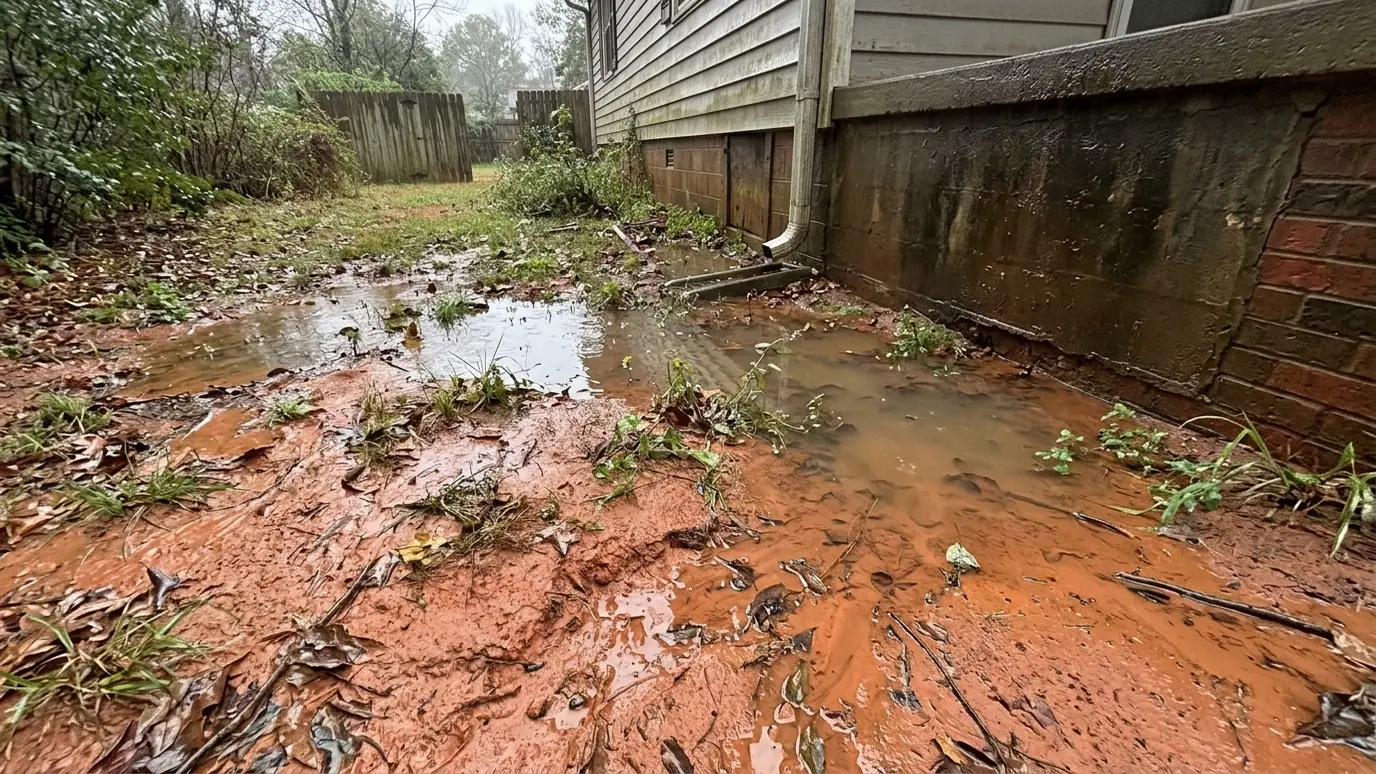 Project situationClay Soil and Wet YardsMiddle Tennessee clay swells when wet and shrinks when dry. That movement is behind many cracks, leaks and…Learn more
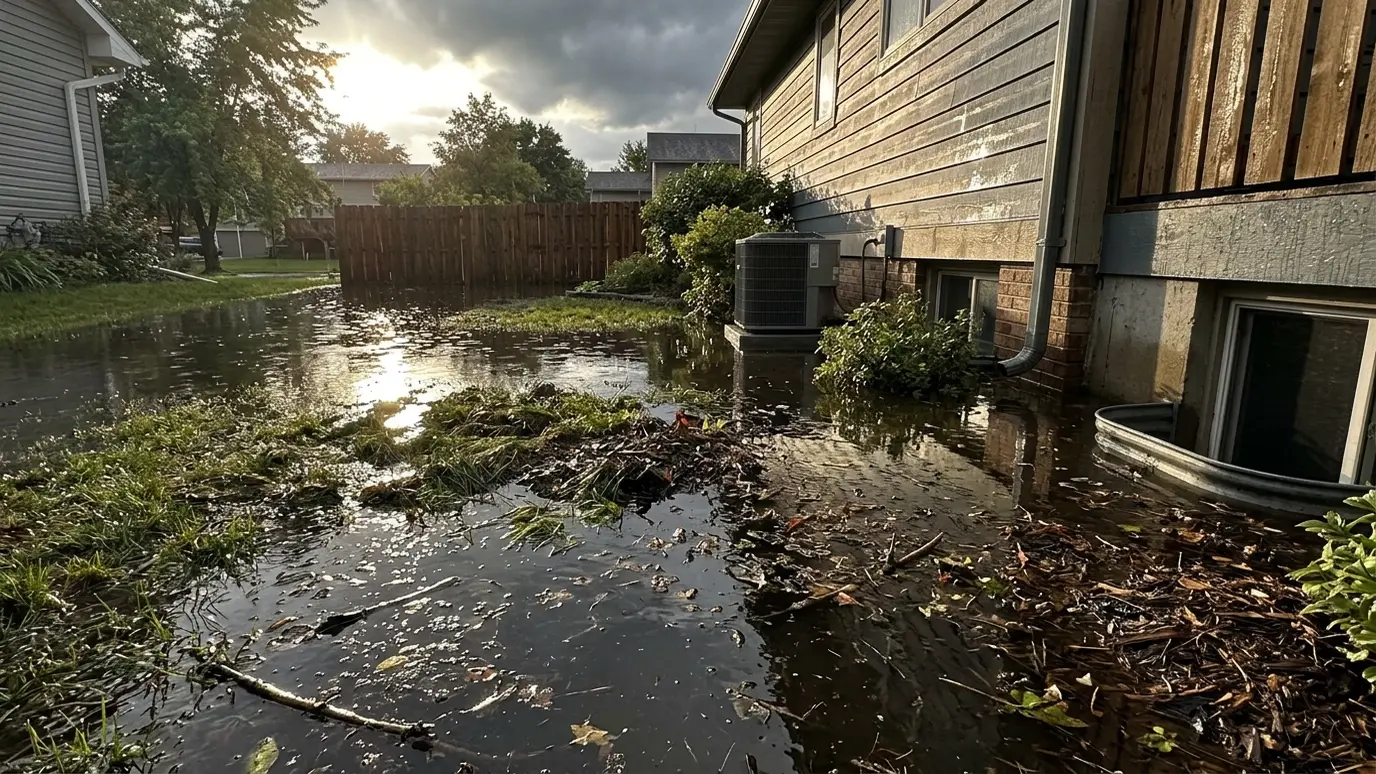 Project situationStorm and Flood DamageAfter heavy rain or flooding, foundations can shift and basements can fill. Here is how to protect your…Learn more
Enter the air temperature and humidity to see the dew point, the mold risk and the dehumidifier size to plan for.
You tell us what you have noticed, a crack, a damp smell, a sloping floor or standing water, and we set a visit that fits your day.
We look closely inside and out, measure floors and cracks, check moisture and drainage and take photos of anything of note.
We explain what is urgent, what can wait and what is optional, and give you a written scope and options.
We lay floor protection, mark utilities, protect landscaping and set up before any digging or drilling begins.
We install, seal, lift or repair with the right tools and materials, checking our work as we go.
We clean up, restore the surface, show you what we did, share care tips and set a reminder for your next check.
Above about sixty percent, mold and dust mites can thrive. Lower is safer in damp spaces.
Warm humid air meets cool surfaces and condenses. A dehumidifier and sealing help.
It helps, but fixing water sources and sealing the space gives better, lasting results.
A small digital hygrometer shows relative humidity at a glance.
A sealed, dry space can reduce loads on your system, though results vary.
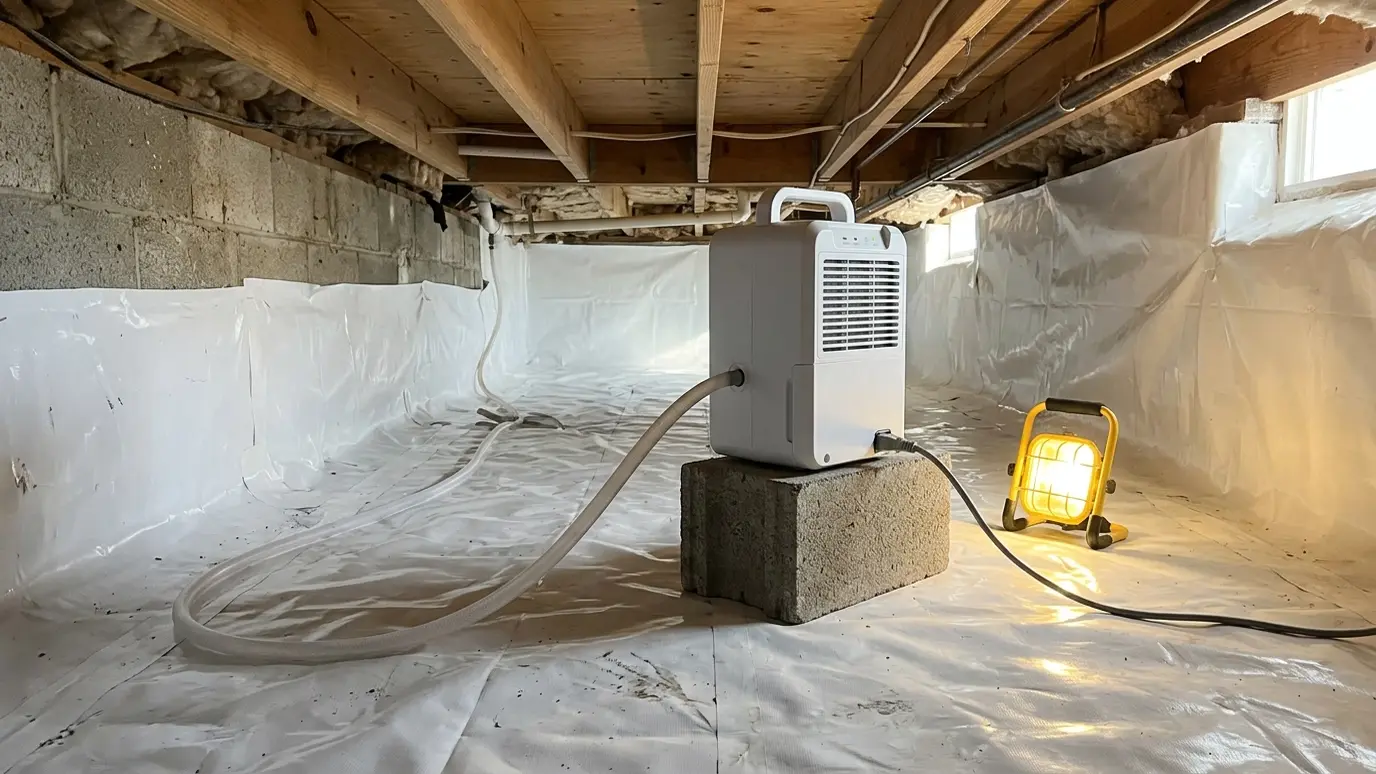 Crawl Space DehumidifiersA dehumidifier made for crawl spaces holds humidity at a safe level, protecting wood, insulation and the air…Explore
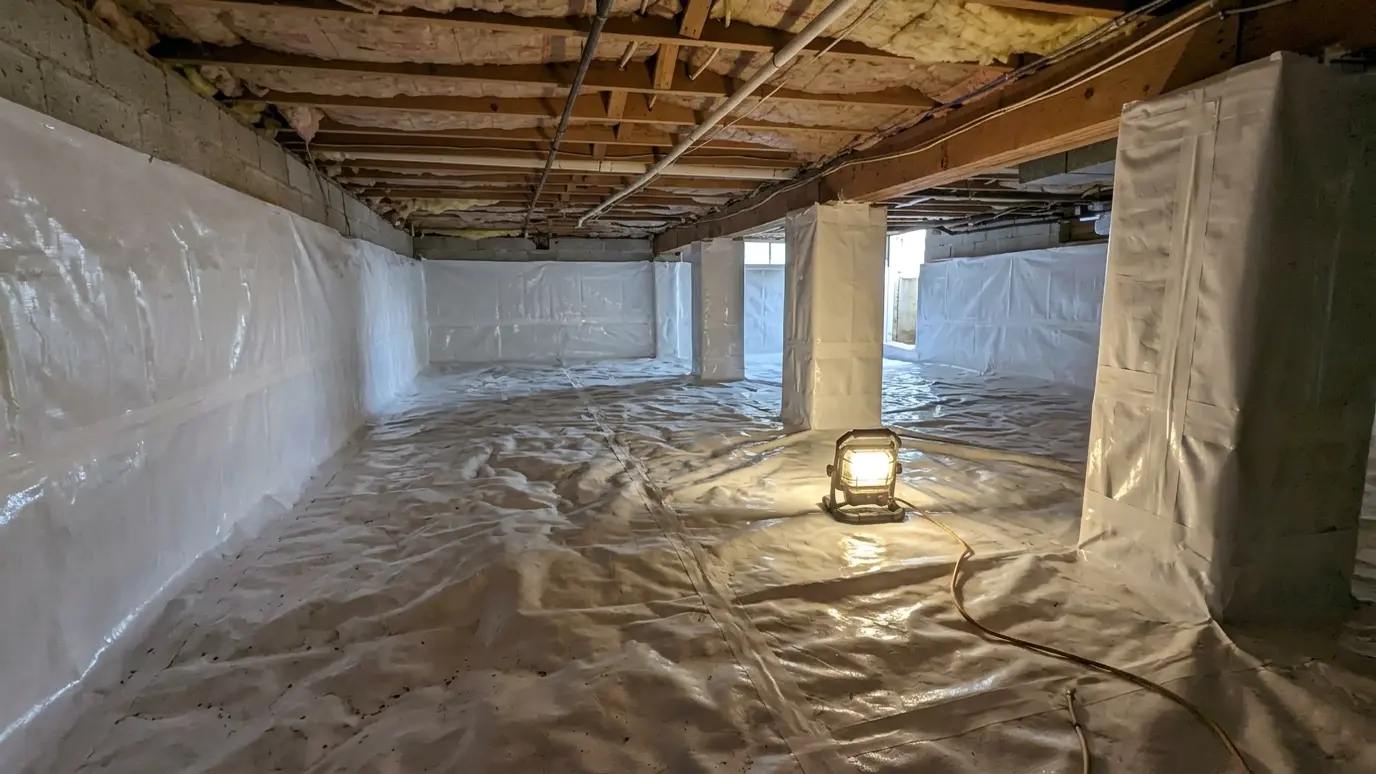 Crawl Space EncapsulationA sealed, conditioned crawl space with a heavy liner on the floor and walls keeps moisture out of…Explore
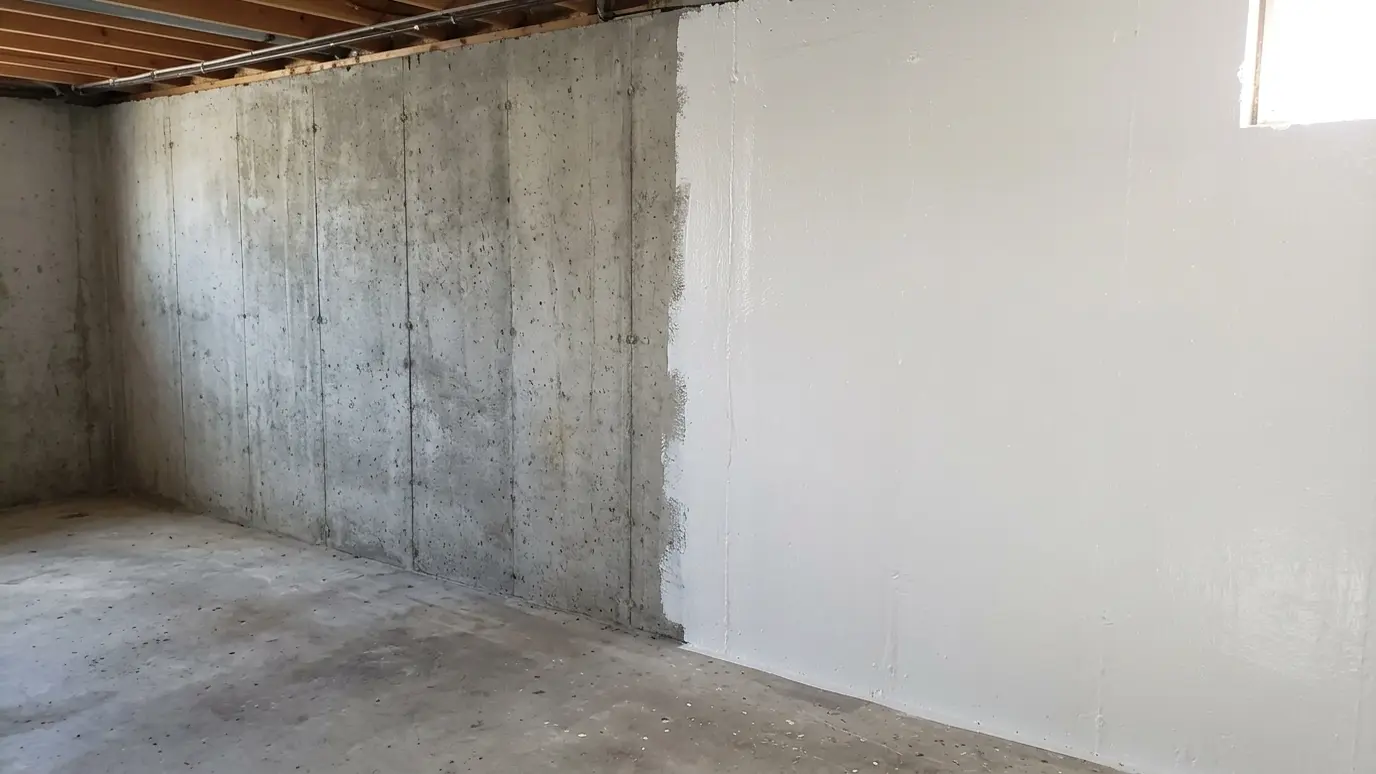 Wall Sealing and CoatingsMasonry sealers and waterproof coatings reduce dampness through basement walls and make a brighter, healthier space.Explore
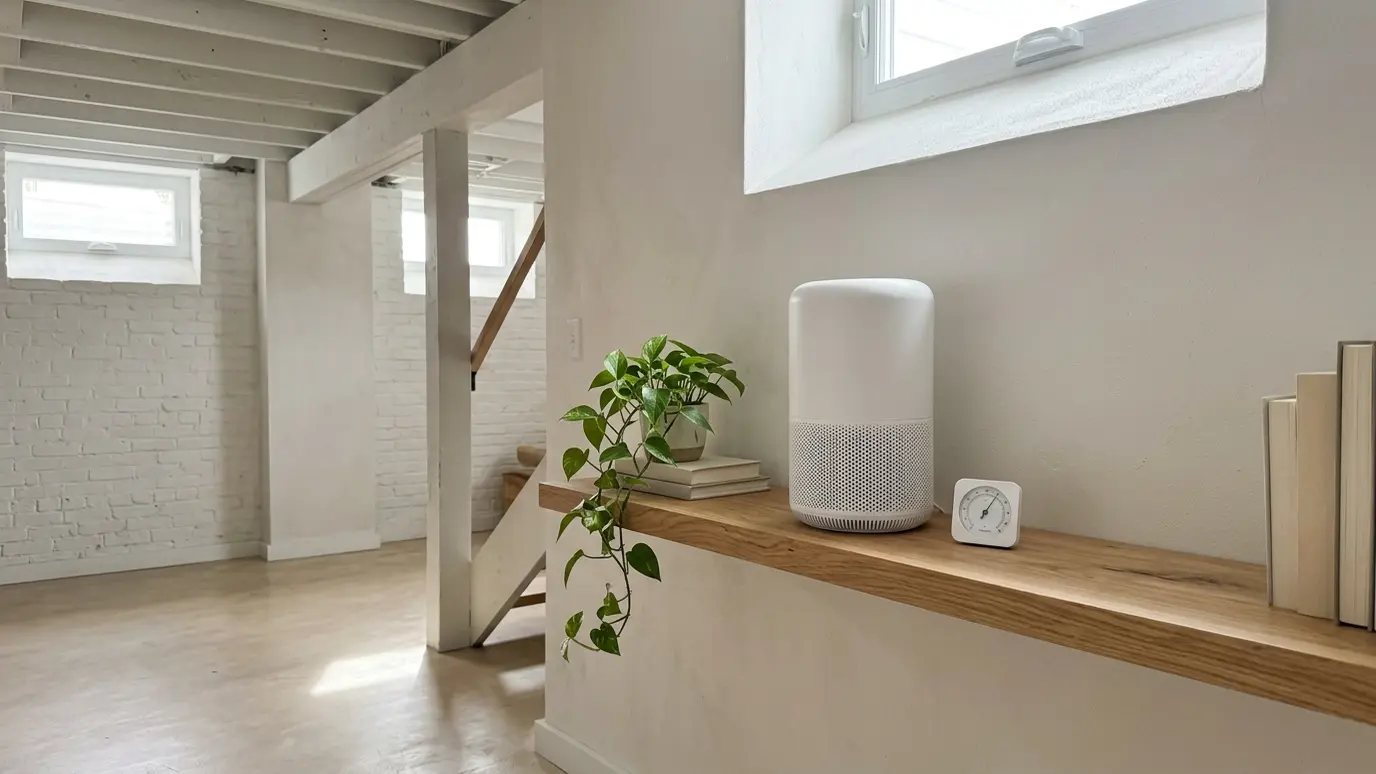 Indoor Air QualityMuch of the air in your home rises from the basement or crawl space. Control moisture and sources…Explore
Tell us about the project and we will call you back to talk it through.
Or call (615) 357-7797 to talk now.