How a pump works
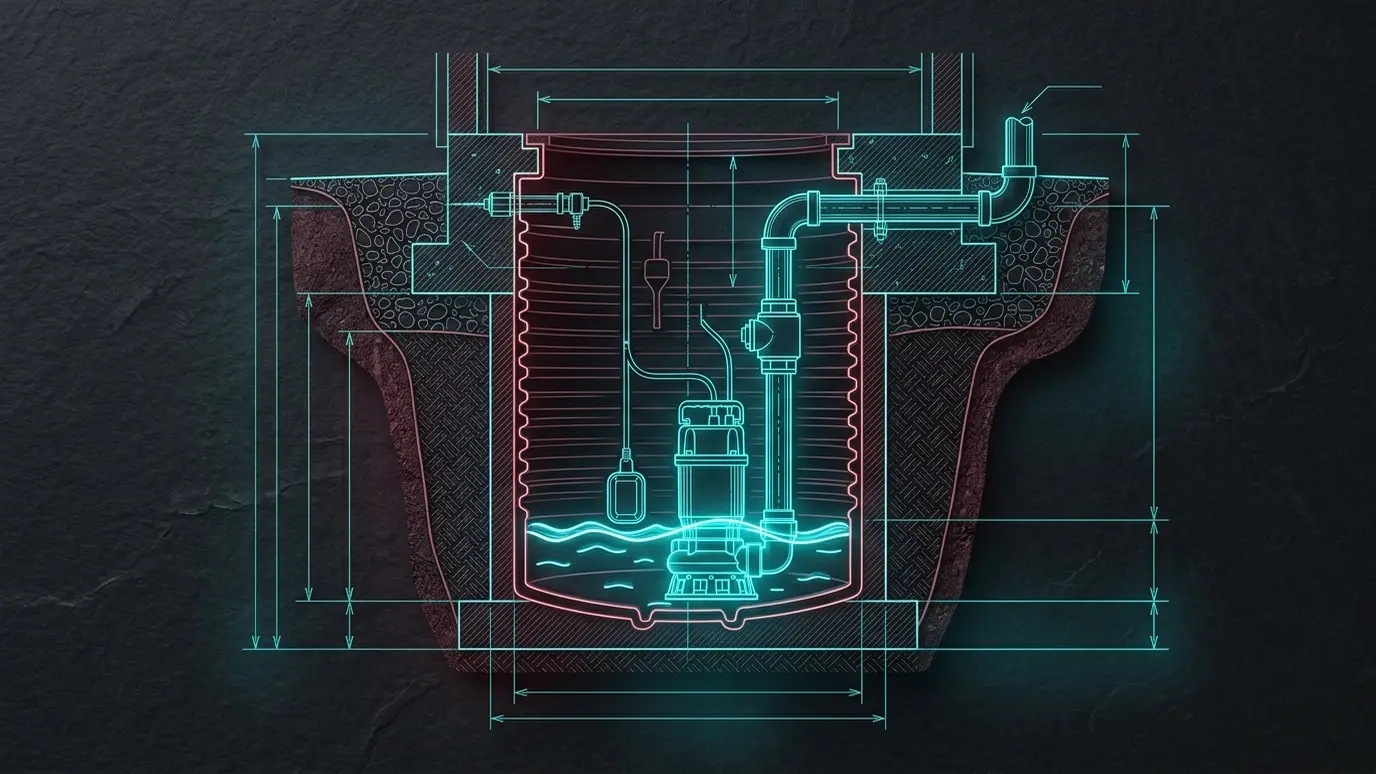
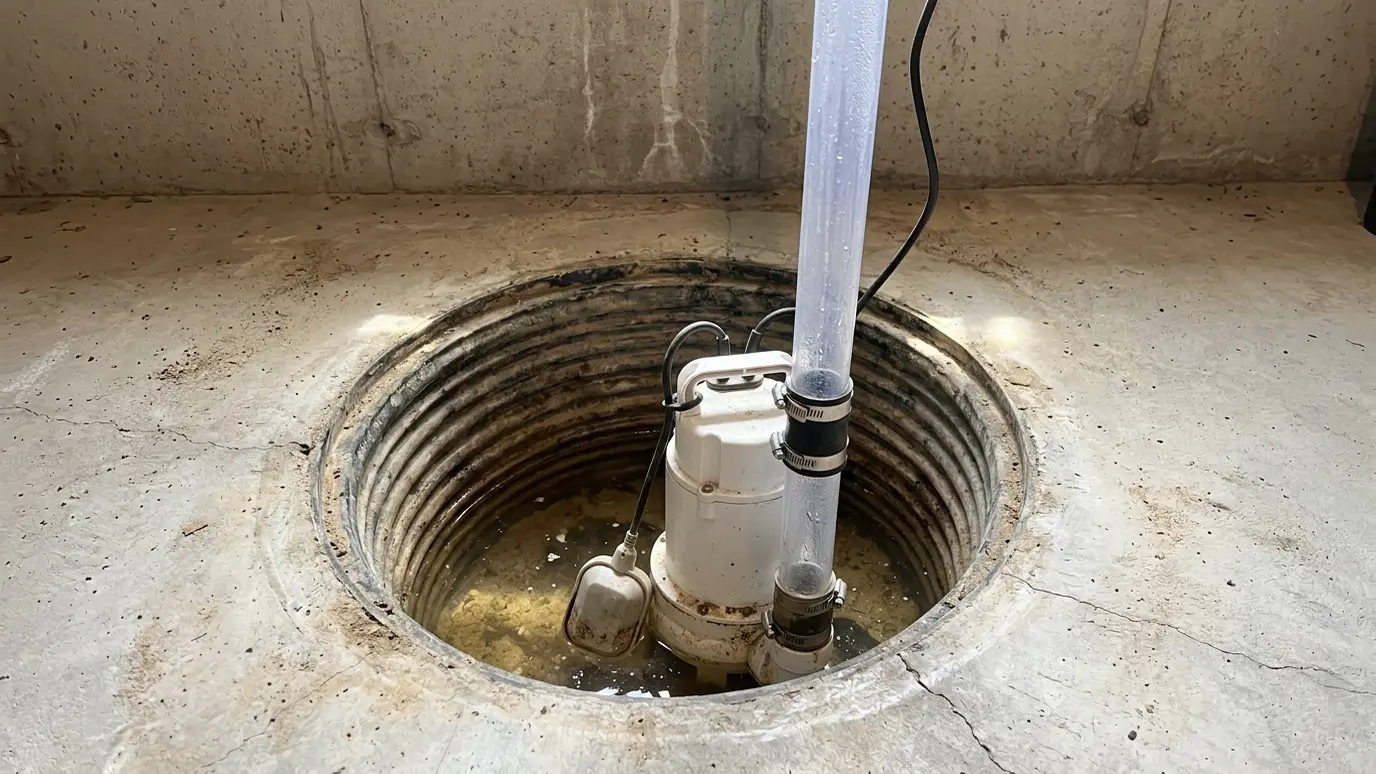
A float switch in the pit turns the pump on when water rises, and the pump sends the water out through a discharge pipe.
A check valve keeps it from flowing back.
Choosing a pump
Capacity, lift and the discharge distance matter more than brand. A pump that is too small works too hard, and one that is too large cycles too often.
We size the pump to your water and your discharge.
Testing
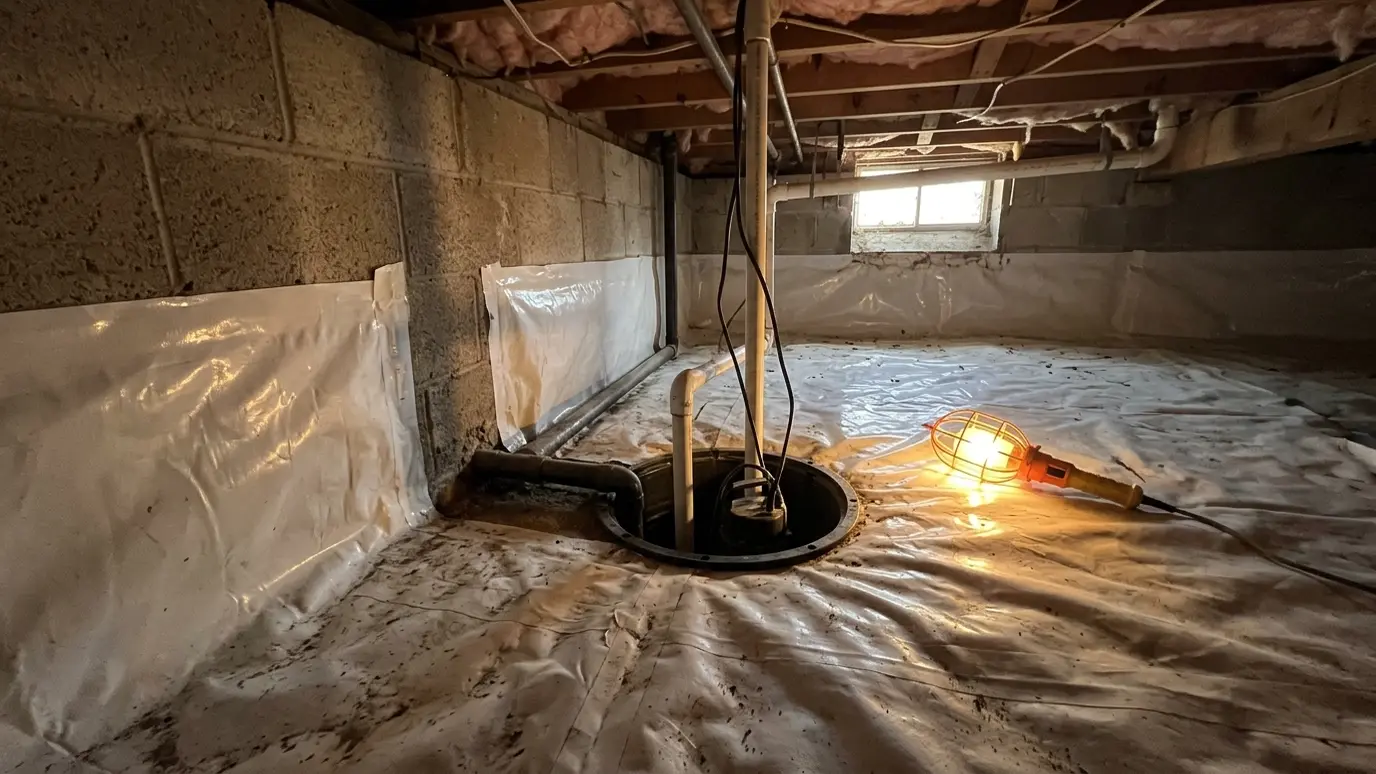
Pour a bucket of water in the pit a few times a year and watch the pump turn on, empty the pit and shut off.
Test before the wet season and after storms.
Why pumps fail
Stuck floats, clogged intakes, worn motors and power outages are the usual causes. Many failures happen during the storms when the pump is needed most.
Regular testing and cleaning catch most of them.
Backups
A battery backup pump or a water-powered backup keeps working when the power fails. It is wise for finished basements.
Alarms warn you when the water is rising.
Discharge and lid
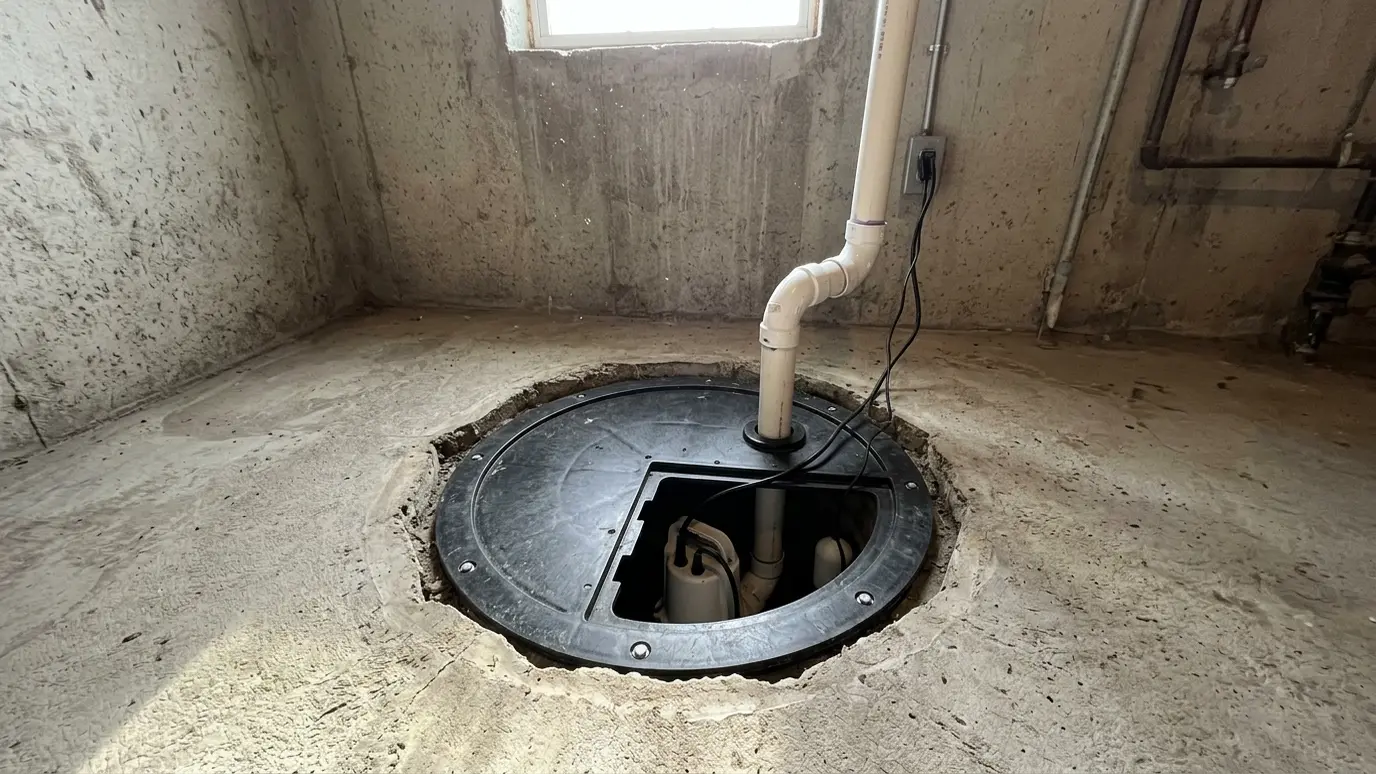
Make sure the discharge goes well away from the house and does not freeze or clog. A sealed lid reduces odors and humidity.
Check the outlet regularly.
Size the pump to the water, test it before every wet season and give it a backup if the basement matters to you.